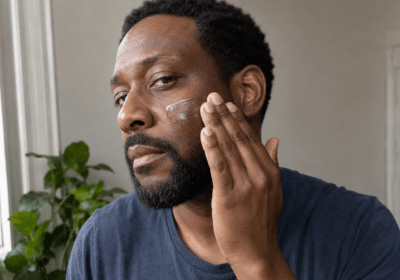

If your face feels tight, stingy, or flaky after one too many acids, your skin barrier might be telling you to stop. That’s usually the moment skin barrier repair stops being a nice idea and starts feeling urgent.
The barrier is the outer layer that keeps water in and irritants out. When it gets rattled by over-exfoliating, retinoids, hot water, harsh cleansers, or cold dry weather, skin can burn, turn red, and react to products it used to handle fine.
Fastest path: stop the irritants, use a gentle cleanser, moisturise often, and wear sunscreen every day. Most people feel less stinging in a few days, but real recovery usually takes a few weeks.
The skin barrier is the outermost layer of skin, packed with lipids like ceramides, cholesterol, and fatty acids. Think of it like a brick wall with mortar between the bricks, which is close to how DermNet’s overview of skin barrier function describes it, as flattened dried-out cells called corneocytes in a bricks-and-mortar arrangement. When that wall is healthy, moisture stays in and trouble stays out.
When it gets damaged, water escapes faster and irritants get in more easily. The practical consequence is unglamorous. Recovery comes mostly from removing irritants, not from layering repair products on top of them.
Signs your barrier needs help right now
- Skin stings when water hits it.
- A moisturiser that used to feel fine now burns.
- Your face looks red, dry, or rough by midday.
- Tightness shows up right after cleansing.
- Breakouts pop up after irritation, not because skin is “purging.”
If that sounds familiar, your routine is probably too strong, not too weak.
The habits that quietly wear skin down
Frequent acids, scrubs, long hot showers, fragrance-heavy products, and switching formulas every few days all keep the barrier on edge. Cold dry air and strong sun make the problem worse.
For a plain-English checklist, the AAD’s tips for relieving dry skin cover the same basic reset: warm rather than hot water, baths and showers held to five to ten minutes, a gentle cleanser, and moisturiser while skin is still damp. Less heat, less friction, less product hopping. That is the game here.
11 practical ways to help a damaged skin barrier recover
The fastest recovery plan is not fancy. It is calm skin, steady moisture, and time.
If a product burns right now, stop treating it like a “maybe.” It is a no.
1. Pause the actives and let skin calm down
Retinoids, AHAs, BHAs, vitamin C, peels, scrubs, and cleansing brushes all need a break. If your face burns or turns red, pushing harder only adds inflammation. This is temporary, and it usually helps skin settle faster.
2. Switch to a gentle cleanser and lukewarm water
Use a fragrance-free, creamy, non-stripping cleanser, and wash once or twice a day. Hot water is rough on irritated skin, so keep it lukewarm, which is exactly what the AAD’s face washing guidance advises, along with a non-abrasive cleanser and no scrubbing. The goal is to remove sweat and grime without wiping out the lipids your barrier needs. Over-washing also disturbs the bacteria living on your face, and a 2023 review of skin microbiome research reports that colonizing skin with human commensal microbes lowers water loss through the barrier. That is the whole argument behind microbiome friendly skincare for skin that has turned reactive.
3. Moisturise right after washing to lock in water
Put moisturiser on while skin is still slightly damp. Look for ceramides, glycerin, squalane, and colloidal oatmeal, which help reduce tightness and support repair. DermNet’s page on emollients and moisturisers makes the same point about timing, noting that leave-on moisturisers work best applied straight after bathing, while water that entered the epidermis is still there. Keep it gentle and keep it consistent.
If your skin is acne prone, choose a non-comedogenic moisturiser, but do not skip hydration because you are worried about oil. Dry, irritated skin tends to tolerate acne treatments badly, which makes the whole routine harder to stick with.
4. Use an ointment or occlusive when skin feels very raw
If your face feels scraped, a thin layer of petrolatum or another occlusive at night can seal in moisture and cut down on water loss. That is the mechanism DermNet gives for occlusive moisturisers, a hydrophobic layer of oil on the surface that slows evaporative water loss. A thin layer like that is the gentler side of slugging. Keep it thin, and use it on the driest areas first if you clog easily.
5. Keep sunscreen in the routine every single day
UV exposure slows healing and makes redness linger. Sun protection also matters long after your barrier has calmed down, and our guide to protecting skin from long-term sun damage covers what actually slows visible ageing. A gentle SPF 30 or higher, fragrance-free if possible, is part of barrier repair, not an extra step. The AAD’s advice on selecting a sunscreen comes down to three words on the label: broad spectrum, SPF 30 or higher, and water resistant.
Mineral sunscreens using zinc oxide or titanium dioxide feel more comfortable to some sensitive skin. Others get on better with a lightweight chemical formula. The one you will actually wear daily beats the one that is theoretically ideal.
6. Cut back on scrubbing, brushes, and other friction
Skip exfoliating cloths, facial brushes, gritty scrubs, and anything that leaves skin feeling rubbed raw. Friction keeps tiny irritation going longer. Even towel drying should be gentle, more pat than wipe. The less you drag on the skin, the better.
7. Simplify your routine until the skin feels normal again
For a while, cleanser, moisturiser, and sunscreen are enough. That kind of reset is exactly why A Simple Routine for Acne Prone Skin and Glowing Skin Routine: Morning to Night stay useful even for experienced users. A short routine gives your skin one job at a time.
8. Add products back one at a time
When the sting is gone, reintroduce one product every 5 to 7 days. That way, if something sets skin off again, you know the culprit. Bring back retinoids, acids, and vitamin C last, not first. Your face will tell you when it is ready.
Before putting a new product across your face, test a small amount somewhere inconspicuous. The AAD’s instructions for testing a skin care product are a quarter-sized spot where it will not be rubbed or washed off, such as the underside of the arm or the bend of the elbow, applied twice daily for seven to 10 days while you watch for red, itchy or swollen skin.
Patch testing will not predict every reaction, but it does stop you covering your whole face with something your skin clearly dislikes. Introduce one new item at a time so you can tell what caused a problem if one appears.
9. Avoid long hot showers and drying lifestyle triggers
Long showers, alcohol-heavy toners, harsh shaving products, and over-cleansing all slow recovery. Cold, dry air can do its part too. Keep showers shorter, shave with a mild cream, and skip anything that leaves skin squeaky. Squeaky is not a skin goal.
10. Choose calming ingredients that support repair
Ceramides, glycerin, squalane, and colloidal oatmeal are solid choices. Low-strength niacinamide can help too. DermNet’s page on nicotinamide says it can improve barrier function by cutting water loss through the epidermis, and that nicotinamide moisturisers improved barrier function and irritant reactions in people with rosacea specifically. Irritated skin often likes a lighter formula better than a strong serum. Once the stinging has stopped, how to start azelaic acid is worth a look too, since it tends to sit well with skin that stays red or marked after a breakout.
11. Support skin healing with a calmer routine outside skincare
Sleep, water, and a few days away from harsh wind, strong heat, or too much alcohol can help skin settle. These habits do not fix everything, but they stop you from fighting your own routine. A calmer week often does more than another serum. If you are also breaking out and suspect the cause is coming from the inside, what the connection between gut health and acne actually is is a fair account of how much diet can and cannot explain.
How long skin barrier repair usually takes, and what can slow it down
You may feel a little better in days, especially once the burning stops. Real recovery usually takes a few weeks, and the clock resets every time you irritate skin again. That is why sunscreen, gentle cleansing, and patience matter so much.
Some people bounce back fast because their irritation is mild and they stop all the triggers at once. Others need more time because skin is very dry, naturally sensitive, or stuck in a cycle of over-treatment.
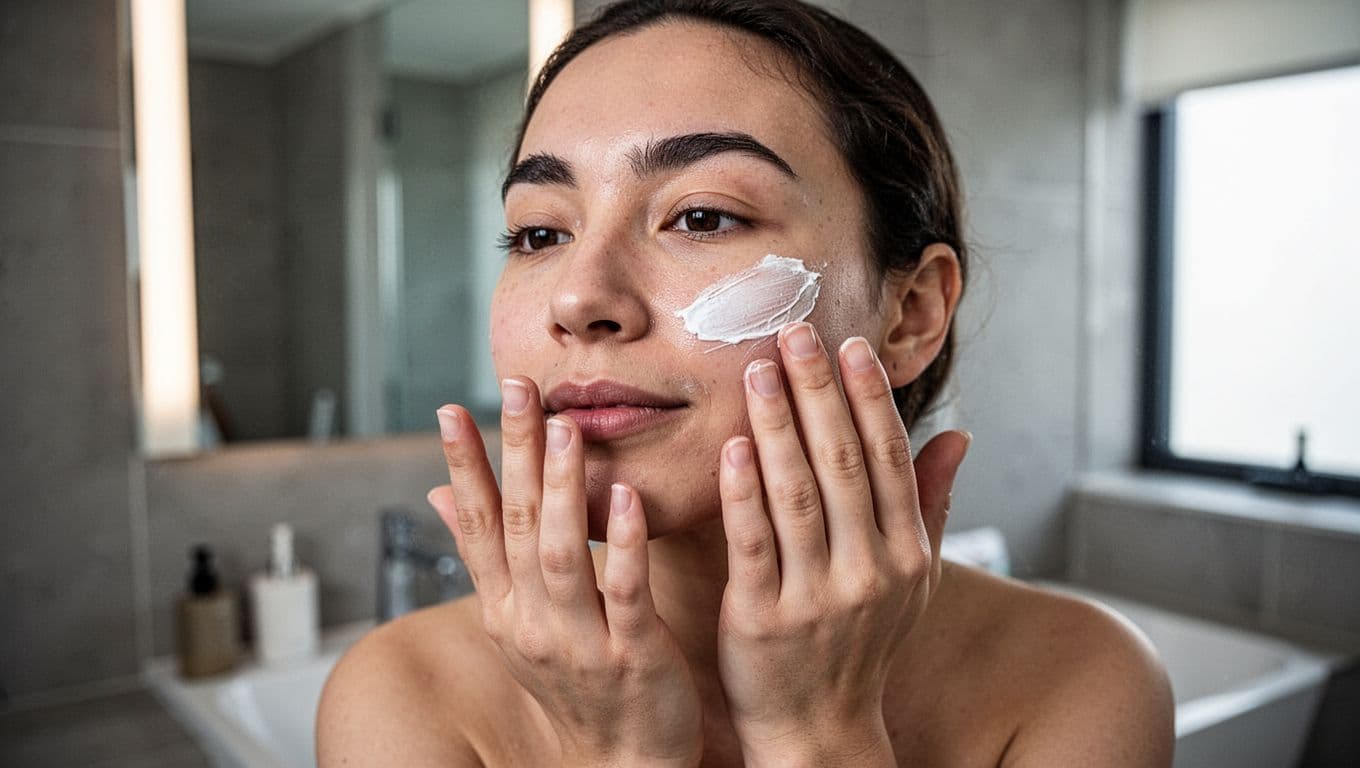
Why some people improve quickly while others need more time
Skin type matters. So does how much damage happened in the first place. A person who overdid exfoliation for a week may recover faster than someone who used harsh actives every day for months.
The good part is that most skin does better with fewer choices, not more. Once the irritation stops, the barrier can get back to work.
When home care is not enough and a dermatologist should step in
Not every red or dry patch is a barrier problem. Eczema, rosacea, allergic contact dermatitis, seborrheic dermatitis and some infections can look very similar. If symptoms continue after you have removed the obvious irritants, do not assume the answer is a stronger moisturiser. You may need an actual diagnosis.
Get prompt medical advice if swelling affects your eyes or lips, or if you have trouble breathing after using a product. This article is general education and does not replace an examination or personal medical advice.
Get help if skin is cracking, swelling, oozing, or burning so hard you cannot keep up a simple routine. A rash that spreads, signs of infection, or no improvement after a few weeks are also reasons to book a visit.
A dermatologist can sort out whether this is barrier damage, eczema, contact dermatitis, or something else. That matters because the fix changes once the diagnosis changes.
Common mistakes that make a damaged skin barrier worse
The biggest mistake is trying to heal too fast. A damaged barrier hates surprise exfoliation, heavy spot treatments, and a cart full of new products. Keep the routine small until your skin stops complaining.
Doing too much, too soon
The second your face looks a little better, it is tempting to jump back into acids or retinoids. That usually restarts the cycle. Give skin a few calm days in a row before adding anything stronger.
Using the wrong kind of moisturiser for very dry skin
A light lotion can feel nice, but it may not be enough if your skin is truly parched. Creamier formulas, plus a thin occlusive layer at night, often work better during recovery. If your skin still feels tight after moisturising, the formula is probably too light. If you’re unsure whether the problem is true dryness or dehydration, see our guide to dry skin vs dehydrated skin.
Skin barrier repair FAQ
How long does skin barrier repair take?
There is no fixed timeline. Mild irritation often settles once you remove the trigger and simplify the routine. Eczema, dermatitis or ongoing irritation from a medication can take considerably longer. If your skin is not improving, book a dermatology appointment rather than adding more products.
Can I use retinol while repairing my skin barrier?
If retinol is causing burning, peeling or real redness, pause it until your skin is comfortable again. Reintroduce it slowly after that, perhaps once or twice a week, unless your clinician told you otherwise. Do not restart it alongside several exfoliating products.
Is hyaluronic acid good for a damaged skin barrier?
Hyaluronic acid draws water into the skin, but the rest of the formula matters just as much. Apply it to slightly damp skin and follow with a moisturiser. Stop if it stings, which often points to fragrance, alcohol or another irritant in the product.
Can a damaged skin barrier cause acne?
Irritation can leave acne prone skin looking rougher, redder and more inflamed, and it can make acne treatments harder to tolerate. A gentle cleanser and a non-comedogenic moisturiser help with comfort, but persistent or severe acne usually needs its own treatment plan.
Should I exfoliate flaky skin?
No. Scrubbing or putting acids on peeling skin creates more irritation and drags out the recovery. Moisturise instead and let loose flakes shed on their own. Once skin is comfortable again, restart exfoliation only if you actually need it, and go slowly.
Conclusion
Skin barrier repair works best when you stop poking the problem. That means fewer actives, gentler cleansing, steady moisturiser, daily SPF, and less friction.
If your skin feels suddenly sensitive, the fastest path is usually the simplest one, then the hardest part, sticking with it long enough to heal. Skin barrier repair is not a race, and it rarely happens overnight.
Give it a few calm weeks, and most skin starts to feel like itself again.