
If you have been using acne products for weeks and the itchy little bumps on your forehead or chest are not budging, you may have come across the term “fungal acne”. It usually refers to Malassezia folliculitis, an inflammation of hair follicles linked to a yeast that normally lives on skin. It can look very like acne, but it is a different condition and often needs different treatment.
This guide to fungal acne vs acne explains what each condition is, the clues that help tell them apart, why appearance alone cannot confirm the answer, how treatment differs, and when a dermatologist should take a look.
What “fungal acne” actually is
Malassezia is a yeast that is part of the normal skin microbiome. Under certain conditions it overgrows inside hair follicles and triggers inflammation. Doctors call this Malassezia (or pityrosporum) folliculitis. The DermNet overview describes it as an itchy eruption of small, similar-looking bumps that is easily mistaken for acne.
It is not contagious in the usual sense, because the yeast is already present on almost everyone’s skin. The problem is overgrowth and the follicle’s reaction to it. A review in the Journal of Clinical and Aesthetic Dermatology notes that it is more common in hot, humid climates and in teenagers and young adults, and that heavy sweating, tight or occlusive clothing, oily skin products, recent antibiotics, steroid medicines and a weakened immune system can all make it more likely.
Acne vulgaris, ordinary acne, starts differently. Excess oil and dead skin cells block pores, a skin bacterium called Cutibacterium acnes thrives in the blocked pore, and inflammation follows. Hormones, genetics and some medicines play a part. Our simple routine for acne-prone skin covers the basics of looking after it. The two conditions can also happen at the same time: someone might have blackheads on the nose and chin and itchy, uniform bumps across the chest, and treating only one leaves the other untouched.
Fungal acne vs acne: clues that help tell them apart
| Clue | Malassezia folliculitis | Acne vulgaris |
|---|---|---|
| Sensation | Often itchy, especially with heat or sweat | May be tender or sore; itching is less typical |
| Size and shape | Many small bumps that look alike | A mix of sizes and types |
| Blackheads and whiteheads | Usually absent | Common and characteristic |
| Deep cysts or nodules | Not typical | Can occur in moderate to severe acne |
| Usual locations | Upper chest, upper back, shoulders, forehead and hairline | Face, especially cheeks, chin and jawline, plus chest and back |
| Triggers | Heat, humidity, sweat, occlusion, recent antibiotics or steroids | Hormonal changes, genetics, some medicines and products |
| Response to standard acne treatment | Often poor; antibiotics can make it worse | Usually improves gradually over weeks to months |
Itching is one of the strongest clues, but it is not proof. Acne can itch when skin is dry or irritated by treatments, and Malassezia folliculitis is not always itchy. The absence of blackheads and whiteheads is also useful, because these comedones are a defining feature of acne and are not typical of Malassezia folliculitis.
A history that fits can be just as telling as the bumps themselves: a breakout that appeared after a course of antibiotics, during a hot holiday, or after starting a new gym routine in tight clothing points more towards Malassezia.
Why appearance alone is not enough
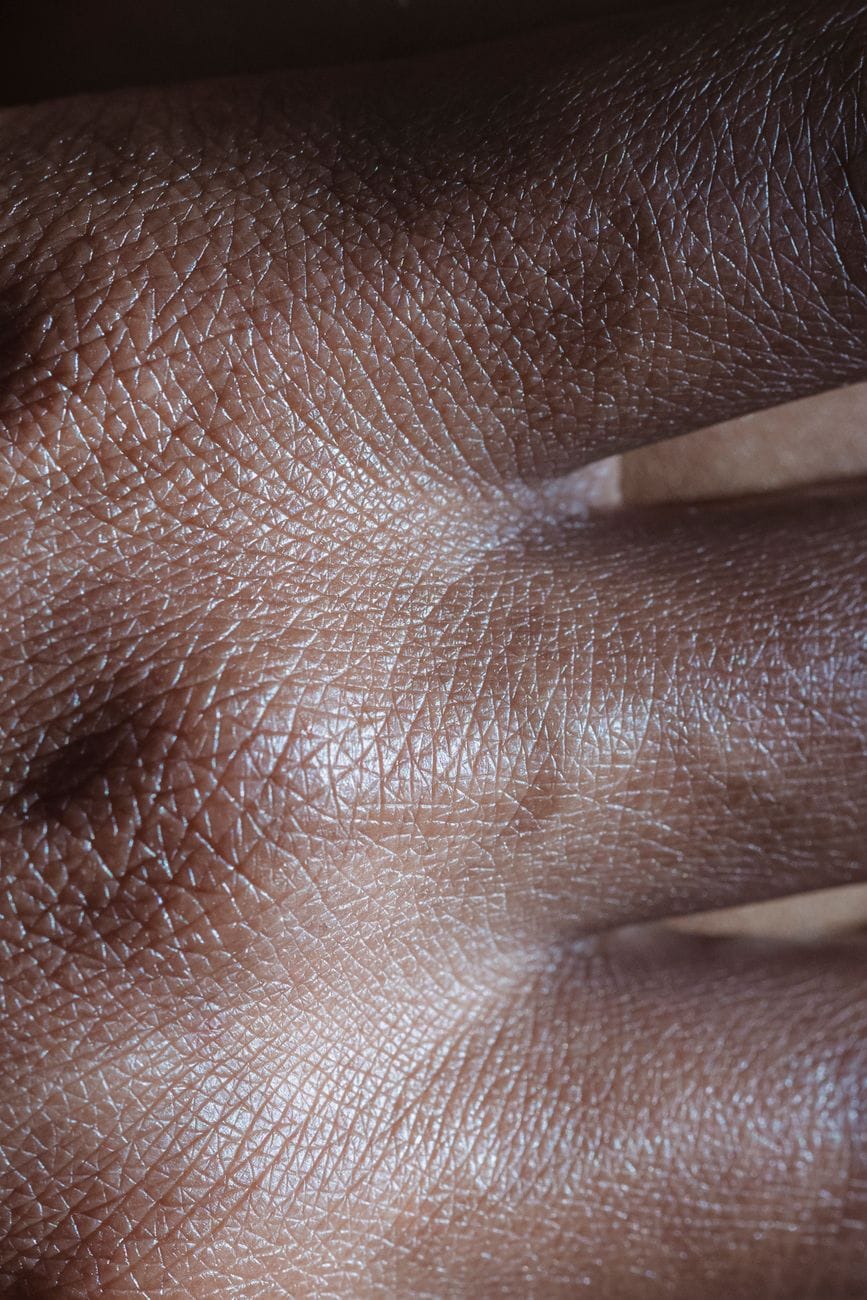
Skin does not follow neat categories. Several other conditions produce small bumps around follicles, including bacterial folliculitis, heat rash, keratosis pilaris, rosacea and reactions to products. The DermNet guide to folliculitis lists many possible causes. Irritation from scrubs, retinoids or benzoyl peroxide can add redness and bumps to either condition and muddy the picture further.
A dermatologist will often diagnose Malassezia folliculitis from the pattern and history. When it is unclear, they may take a gentle skin scraping and look at it under a microscope, or use other tests. Photos online, including the ones in this article, cannot confirm what you have. Neither can a list of “fungal acne safe” products.
How treatment differs
For Malassezia folliculitis
- Topical antifungals. A clinician may suggest antifungal creams or medicated washes, such as ketoconazole or selenium sulfide shampoos used as a body wash and left on for a few minutes before rinsing.
- Oral antifungals. For widespread or stubborn cases, a short course of antifungal tablets may be prescribed. These can interact with other medicines and are not suitable for everyone, so they need medical supervision.
- Reducing triggers. Showering soon after exercise, changing out of sweaty clothes, choosing looser fabrics and reviewing heavy oils or occlusive products can all help.
- Maintenance. Recurrence is common, so clinicians often suggest using a medicated wash once or twice a week after the rash clears.
For acne vulgaris
The American Academy of Dermatology describes a range of treatments depending on type and severity: benzoyl peroxide, topical retinoids, salicylic acid, azelaic acid, topical or oral antibiotics used for limited periods, hormonal treatments for some women, and isotretinoin for severe acne. Our guide to azelaic acid explains one gentler option. Acne treatments usually take 6 to 12 weeks to show a clear effect.
While you work it out, a few common mistakes are worth avoiding. Do not apply steroid creams to an acne-like rash without medical advice, since steroids can mask and worsen Malassezia folliculitis. Do not add several new acids, antifungals and acne products at once, because if something irritates your skin, you will not know which one. Do not pick or squeeze, as that raises the risk of infection, dark marks and scarring, and do not use leftover antibiotics, since they can make Malassezia overgrowth worse.
Whatever the cause, a gentle base routine helps: a mild cleanser, a moisturiser that suits your skin and daily sunscreen. If your skin has become sore from trying too many products, our skin barrier repair guide can help you reset.
When to see a dermatologist
- The breakout is painful, widespread, or leaving dark marks or scars.
- Acne treatments have not helped after two to three months.
- The rash keeps returning after heat, sweating or antibiotics.
- You have deep, painful lumps, which need prompt treatment to prevent scarring.
- You have a weakened immune system and develop a new rash.
Seek prompt care for fever, rapidly spreading redness or severe pain. Before your appointment, write down the products and medicines you use, including recent antibiotics and steroid creams, and take photos of flare-ups in case the skin looks calmer on the day.
Common myths about “fungal acne”
Because the term spreads mostly through social media, a lot of the advice attached to it is shaky. These are the claims that come up most often.
| Claim | What is more accurate |
|---|---|
| It is caused by being unclean | No. The yeast lives on almost everyone’s skin. Heat, sweat, occlusion and medicines matter far more than hygiene. |
| You must avoid every oil and fatty ingredient | Malassezia does depend on skin lipids, which is why some people react to heavy oils, but the long “safe ingredient” lists online are largely untested. Changing one product at a time and watching the result is more useful than following a list. |
| Tea tree oil or apple cider vinegar will cure it | There is little good evidence for either, and both can irritate skin. Proven antifungal treatments are a safer choice. |
| It only appears on the face | The chest, upper back and shoulders are affected at least as often. |
| Once it clears, it is gone for good | Recurrence is common, especially in hot weather, which is why maintenance is often suggested. |
| If acne products did not work, it must be fungal | Not necessarily. Acne treatments take weeks to work, can irritate skin, and several other conditions look similar. |
Keep a simple skin diary before your appointment
Because the diagnosis depends so much on the pattern and history, a two-week record makes a clinic visit far more productive. Note each day where the bumps are and whether they itch, hurt or neither, whether you see blackheads or whiteheads anywhere, and any exercise, heavy sweating, hot weather or tight clothing. It also helps to record every product you applied, including sunscreen, hair oils and body lotions, and any medicines started or stopped, especially antibiotics or steroids.
Take a clear photo in the same light every few days. Patterns that are hard to describe from memory, such as flares after the gym or after a new moisturiser, often become obvious on paper.
Questions people ask
Is fungal acne actually acne?
No. It is a form of folliculitis linked to Malassezia yeast. It looks similar to acne and the two can occur together, but they have different causes and treatments.
Is fungal acne always itchy?
Often, but not always. Itching is a helpful clue but cannot confirm the diagnosis by itself.
Can acne products make fungal acne worse?
Some can. Antibiotics may encourage yeast overgrowth, and heavy or irritating products can aggravate follicles. Standard acne products often do not help Malassezia folliculitis.
Can I use dandruff shampoo on my body?
Clinicians sometimes recommend antifungal shampoos as a body wash for Malassezia folliculitis. Check with a doctor or pharmacist first, because they can irritate some skin and are not the right treatment if the diagnosis is something else.
Does fungal acne come back?
It often does, especially in hot weather. Reducing triggers and occasional maintenance washes, if your clinician recommends them, help prevent flares.
Is fungal acne related to pityriasis versicolor?
Yes, the same yeast is involved. Pityriasis versicolor causes flat, slightly scaly patches that are lighter or darker than the surrounding skin, usually on the chest and back. Some people have both at once, and a clinician may treat them together.
Can diet cause fungal acne?
There is no good evidence that a particular diet causes or cures Malassezia folliculitis. Heat, sweat, occlusion and medicines are much better-established triggers. Claims that cutting out sugar or dairy will clear it are not backed by reliable research.
Will it leave marks?
The bumps themselves rarely scar, but picking and prolonged inflammation can leave dark marks, especially on brown and black skin. Treating the cause early, avoiding picking and wearing sunscreen on exposed areas all help marks fade faster.
Sources
- DermNet: Malassezia (pityrosporum) folliculitis
- DermNet: Folliculitis
- Rubenstein RM, Malerich SA. Malassezia (pityrosporum) folliculitis. J Clin Aesthet Dermatol. 2014
- American Academy of Dermatology: Acne diagnosis and treatment
Sources checked 15 September 2026. This article is for general information and does not replace advice from a doctor or dermatologist. See our editorial policy and medical disclaimer.