

Most people whose metabolic health has already started slipping feel completely fine.
That is the awkward part. There is no ache, no obvious warning, nothing that sends you to a doctor. Blood pressure creeps up over a decade. Fasting glucose moves from 92 to 99 to 104 across three annual checkups, and nobody mentions it because each single number still looks acceptable. Waist size changes so gradually that the only evidence is a pair of trousers that used to fit.
By the time symptoms do arrive, the process has usually been running for years. Which is why metabolic health is worth understanding before anything feels wrong, rather than after.
You can also look fine on the outside, feel mostly okay, and still have early signs that your body isn’t handling fuel well. That’s what makes metabolic health easy to miss.
The good news is that this usually doesn’t call for a cleanse, a punishing workout plan, or a cabinet full of supplements. It calls for steady habits that help your body handle food, movement, sleep, and stress better. Start there, and the rest begins to make more sense.
A “fast metabolism” might sound good, but good metabolic health is the real goal.
- What metabolic health actually means
- Why it matters beyond the scale
- Body size tells only part of the story
- Build meals that keep blood sugar steadier
- Move in ways your body recognises
- Sleep and stress shape your metabolism more than most people think
- The hidden drains that stall progress
- What will not move these numbers
- Know when to get checked
- Track progress without making it your whole personality
- Track the Markers That Matter and Adjust Gradually
- Symptoms cannot measure metabolic health
- FAQ
What metabolic health actually means
It is not the same as having a fast metabolism
A lot of people hear “metabolism” and think calorie burn. That’s only part of it. Your metabolism is the set of chemical processes that keep you alive. It turns food into energy, builds and repairs tissue, and helps regulate hormones. Metabolic health asks a different question: how well is that system working?
A metabolically healthy body can handle meals without huge swings in blood sugar or blood fats. It can use insulin well, keep blood pressure in a healthier range, and store less excess fat around the abdomen. You can burn calories at a normal rate and still have problems with insulin sensitivity, blood pressure, or blood fats.
Insulin is a good place to start. It’s the hormone that helps move glucose from your blood into your cells. When your cells stop responding well, your body needs more insulin to do the same job. Over time, blood sugar can rise, energy can feel less stable, and fat storage around the waist often becomes more likely.
The markers that tell the story
Clinicians often look at a handful of markers rather than one single number. Here’s the quick version:
| Marker | What it can show |
|---|---|
| Blood sugar or A1c | How well your body handles glucose |
| Blood pressure | How hard your heart and blood vessels are working |
| Triglycerides | A blood fat that often rises with insulin resistance |
| HDL cholesterol | A protective cholesterol marker, though context matters |
| Waist size | A rough signal of abdominal fat and metabolic risk |
Some clinicians also look at LDL cholesterol, liver enzymes, and family history to fill in the picture. No single number gives the full answer, and trends matter more than one isolated lab result.
Why it matters beyond the scale
You feel it in everyday life
When your body handles glucose well, energy tends to feel steadier. Hunger is easier to read. Cravings don’t hit as hard, and that mid-afternoon crash often softens.
When blood sugar swings more than it should, the opposite can happen. You may feel sleepy after meals, hungry again too soon, foggy, or irritable. None of those signs prove poor metabolic health on their own, but they can be part of the pattern.
The long game matters too
Over time, poor metabolic health can raise the risk of type 2 diabetes, heart disease, stroke, and fatty liver disease. It can also affect kidney health and increase inflammation.
That doesn’t mean one high reading equals disaster. Risk builds over years, and it usually changes in response to habits, sleep, stress, age, medications, hormones, and genetics. The point isn’t panic. The point is paying attention while the problem is still manageable, which is also the idea behind preventing prediabetes before it progresses.
Body size tells only part of the story
Smaller bodies can still carry risk
Plenty of people assume thin means healthy. It doesn’t. Someone can have a smaller body and still have high blood sugar, high triglycerides, low HDL, or excess visceral fat, which is fat stored around the organs.
This is one reason scale weight is a weak shortcut. If you focus only on appearance, you can miss meaningful risk.
Larger bodies aren’t one story either
The reverse is true too. People in larger bodies can have better metabolic markers than people who weigh less. Activity level, muscle mass, sleep quality, diet pattern, stress, genetics, menopause, PCOS, and medications all shape risk.
Weight still matters in some cases, since excess abdominal fat can worsen insulin resistance. But it isn’t the whole report card. A better question is, “What do the markers show, and what are my habits like right now?”
Build meals that keep blood sugar steadier
Start with protein, fibre, and food that still looks like food
This is where many people get the fastest results. Meals built around protein and fibre tend to digest more slowly, which helps keep blood sugar and hunger steadier, a point a review of fibre and prebiotics lays out in detail.
A simple plate works well: protein, vegetables, a high-fibre carb, and a healthy fat. Think eggs with berries and oats, lentil soup with a salad, or salmon with broccoli and sweet potato. Beans, Greek yoghurt, tofu, fish, chicken, nuts, seeds, fruit, and whole grains all fit. If you want the detail on how much protein actually helps and when to eat it, see protein and metabolic health.
Ultra-processed foods can make this harder. They are easy to overeat, often low in fibre, and often packed with refined starch, sugar, or both. That doesn’t mean you need to eat “clean” at every meal. It means your everyday baseline should come from whole or minimally processed foods most of the time.
One common mistake is eating too little during the day, then getting hit with ravenous evening hunger. Another is swapping meals for snack foods that wear a health halo but don’t keep you full.
Meal timing can help, but food quality comes first
Some people do well with a regular eating window, and intermittent fasting may bring metabolic benefits in some settings, including a better insulin response. Still, fasting isn’t magic, and it’s not a fit for everyone.
If delaying breakfast leads to overeating later, it may not help you. If you have diabetes, are pregnant, have a history of disordered eating, or use certain medications, fasting needs extra care.
A better starting point is boring and effective. Eat at fairly regular times. Include protein at each meal. Cut back on sugary drinks. Add fibre before cutting carbs across the board.
The goal isn’t to eat less food at war with your body. It’s to eat in a way your body can handle well.

Move in ways your body recognises
Walking after meals is simple, and it works
You do not need a heroic fitness plan to improve metabolic health. Your body responds to regular movement, and walking is one of the best places to start.
A short walk after meals helps muscles use glucose. That can reduce blood sugar spikes and improve insulin sensitivity over time. Ten minutes after lunch or dinner counts. So does taking the stairs, parking farther away, or breaking up long sitting stretches with a lap around the office or house.
This matters because sitting for hours sends the opposite signal. Your muscles are one of the biggest sites for glucose use. When they stay idle all day, blood sugar control tends to suffer.
Strength training changes the math
Muscle tissue is metabolically active. The more muscle you maintain, the more room your body has to store and use glucose well, and it also supports healthy ageing. That’s why resistance training matters, even if your main goal isn’t getting stronger.
You don’t need a gym membership to start. Squats to a chair, wall push-ups, resistance bands, step-ups, and carrying groceries all count. Two to three full-body sessions per week is a solid target for most beginners. For how to structure those sessions, see how to train for better metabolic health.
A common mistake is doing hard cardio while skipping strength work. Another is thinking a single workout cancels out twelve sedentary hours. It doesn’t. Daily movement plus some strength training is the better combination.

Sleep and stress shape your metabolism more than most people think
Poor sleep makes hunger louder and blood sugar harder to manage
One rough night happens. A rough month is different. Miss a few hours of sleep and your body notices fast. Appetite often rises, cravings get sharper, and blood sugar control gets worse. That’s one reason “trying harder” around food often falls apart when sleep is a mess.
Sleep affects hormones tied to hunger, fullness, and insulin response, which is why sleep and metabolic health are closely connected. It also changes decision-making. When you’re exhausted, the brain usually wants quick energy, not a bowl of beans and chopped vegetables.
Start with the basics. Keep a regular sleep schedule. Get morning light in your eyes soon after waking. Cut caffeine later in the day if it affects you. Make your room cool, dark, and quiet. Most adults do best around seven to nine hours a night, though exact needs vary.
Chronic stress keeps the system on edge
Stress isn’t only mental. Your body reads it as a physical signal. When stress stays high, hormones such as cortisol can push appetite, sleep problems, and blood sugar trouble in the wrong direction.
This doesn’t mean you need a meditation retreat. It means your body needs some daily off-ramps. A five-minute breathing break, a walk without your phone, stretching after work, or talking with a friend can all help lower the load.
One mistake is treating stress relief like a reward you get after everything else is done. For metabolic health, it’s part of the work. Another is using alcohol, late-night scrolling, or heavy comfort eating as your main stress tools. Those usually make tomorrow harder.
The hidden drains that stall progress
Sugary drinks, alcohol, and ultra-processed snacks add up fast
A lot of people focus on big meals and miss the smaller hits. Soda, sweet coffee drinks, juice, energy drinks, and frequent grazing on processed snacks can push blood sugar up without making you very full.
Liquid calories are a special problem because they go down fast and don’t ask much from your appetite signals. Sports drinks belong in the same conversation, and our breakdown of when electrolyte drinks are actually worth it covers how much sugar and sodium many of them carry. Swap one daily sugary drink for water or unsweetened tea, and you’ve made a real change.
Alcohol can also get in the way. It may lower your guard around food, disturb sleep, and add calories without much nutrition. Some people do fine with moderate intake. Others notice better energy and blood sugar control when they cut back. And if you smoke, quitting does more for these markers than any single dietary change.
Coffee and tea are helpers, not rescue plans
Caffeine gets a lot of hype. There is some truth there. Coffee and green tea may raise metabolism a bit for a short time, but that effect is modest.
If coffee helps you exercise or replaces a sugary drink, great. If it wrecks your sleep or turns into a dessert in a cup, it can backfire. The same rule applies to supplements marketed as “metabolism boosters.” Most overpromise. Habits still do the heavy lifting.
What will not move these numbers
Most articles on this subject only tell you what to add. It is worth being equally clear about what does not work, because the metabolic health market is crowded with things that sound plausible and do very little.
| Commonly sold as | What it actually does |
|---|---|
| Detox teas and cleanses | Nothing for glucose, insulin, or blood fats. Your liver and kidneys already handle clearance. Some cause fluid loss that looks like progress on a scale for two days |
| “Metabolism booster” supplements | Any thermogenic effect is small and short-lived. Evidence for meaningful, sustained improvements in A1C, triglycerides, or blood pressure is limited, and products vary |
| Apple cider vinegar | May slightly blunt a single post-meal glucose rise. That is not the same as improving insulin sensitivity, and the effect does not accumulate |
| Cutting carbs while sleeping five hours | Sleep restriction works against glucose control directly. Restricting food while under-sleeping usually means fighting your own hormones |
| One hard workout per week | Better than nothing, but it does not offset the other six days. Muscles handle glucose best when they are used often, not intensely once |
| Tracking everything | Data is not an intervention. People frequently log meticulously for months while nothing changes, because measuring is not the same as altering |
There is a pattern here. Almost everything on that list is a purchase or a single dramatic act. Almost everything that does work is a repeated, unglamorous behaviour that costs nothing. That is inconvenient for anyone selling a solution, which is exactly why the useful advice gets drowned out.
Know when to get checked
Guessing has limits. If you haven’t had recent blood work, talk with a clinician about screening. A primary care visit can check blood pressure, A1c, fasting glucose, lipids, and other markers that fit your history.
If you have a family history of diabetes, high blood pressure, sleep apnea, or heart disease, earlier testing makes even more sense. Clusters of issues matter more than one isolated number, which is the reasoning behind how metabolic syndrome is defined in the first place.
Track progress without making it your whole personality
Pick one first domino
Trying to fix everything by Monday usually backfires. Pick one habit that makes other habits easier. For many people, that is breakfast with protein, a 15 minute walk after dinner, or a regular bedtime.
People often fail by changing everything at once. They slash carbs, start fasting, add hard workouts, buy supplements, and burn out by day nine. Pick a few levers. Pull them consistently. Then build.
Watch the right signals
Better metabolic health doesn’t always show up first on the scale. You may notice steadier energy, fewer cravings, better sleep, a smaller waist, or improved blood pressure before major weight changes happen.
Useful markers include waist measurement, home blood pressure, fasting glucose, A1c, triglycerides, HDL cholesterol, and how you feel after meals. If you have access to lab work, compare trends over months, not day to day. You don’t need twelve apps and a spreadsheet.
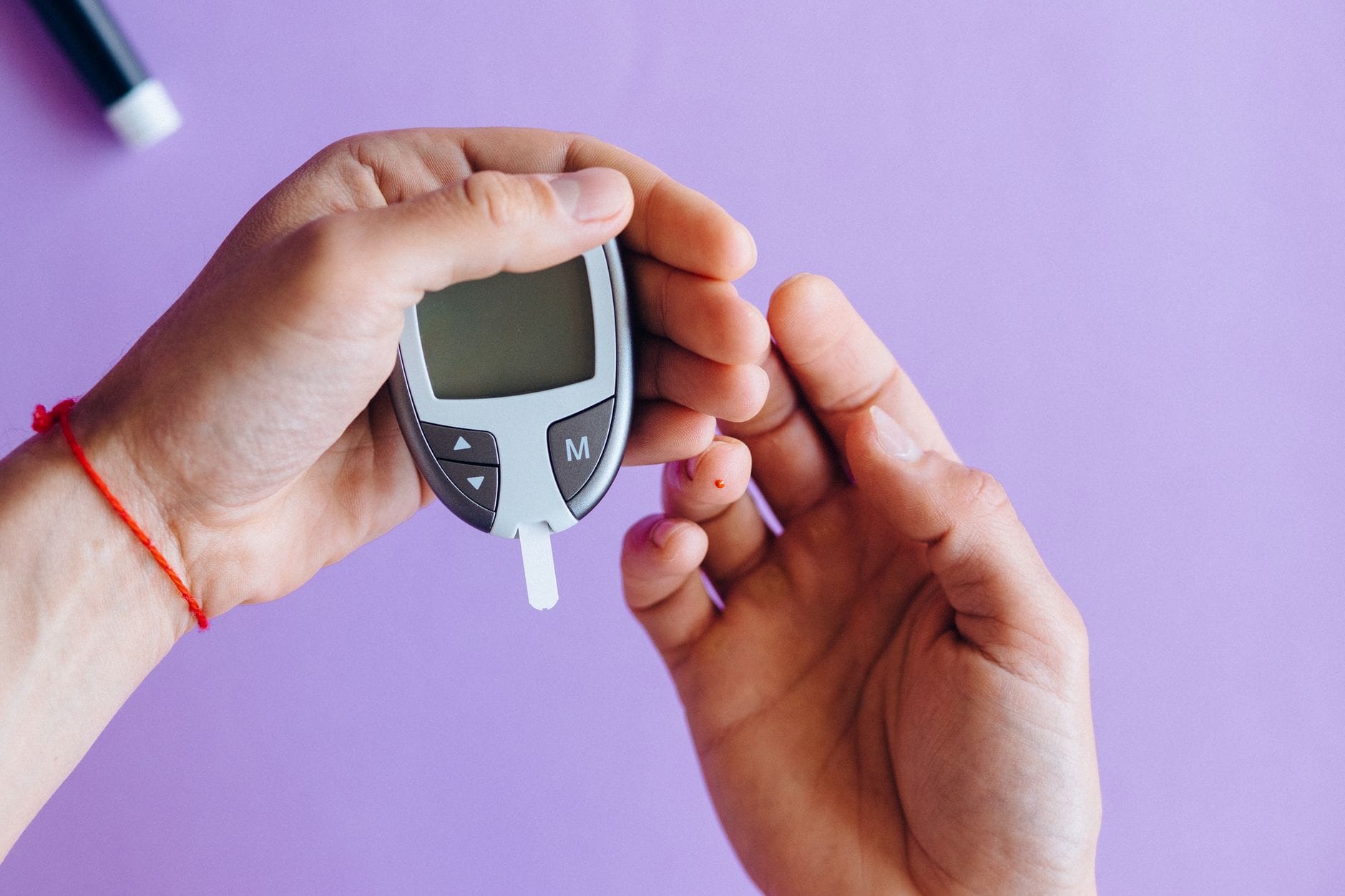
If you have diabetes or prediabetes, blood glucose monitoring may give you more direct feedback. That can be helpful, but it shouldn’t turn every meal into a stress test.
Keep the plan small enough to live with
Try this for two weeks. Build two meals a day around protein and fibre. Walk for 10 minutes after one meal. Go to bed 30 minutes earlier. That’s it.
The body likes clear, repeated signals. It does not need drama.
Track the Markers That Matter and Adjust Gradually
That afternoon crash, the random cravings, the lab results you don’t love, they usually don’t improve because you found a trick. They improve when your days send your body steadier signals.
Better metabolic health is often built with ordinary moves done often: real food, more muscle, more walking, better sleep, and less chronic stress. That may sound unremarkable. It is, and that’s the point. The habits that move the needle are usually the least flashy ones, and they still work.
Symptoms cannot measure metabolic health
A post-meal slump, cravings or a change in waist size does not diagnose insulin resistance. Metabolic problems can also exist without obvious symptoms. Persistent thirst, frequent urination, blurred vision or unexplained weight change deserves assessment rather than an online symptom score.
Use appropriate measurements and clinical interpretation. NIDDK explains diabetes testing: A1C and glucose tests answer different questions, and abnormal results often need confirmation. Bring dated results and medication details to an appointment instead of inferring a diagnosis from body shape.
FAQ
Is metabolic health the same as metabolism?
No. Metabolism is the set of processes that keep your body running. Metabolic health is about how well those processes regulate things like glucose, blood fats, and blood pressure.
Can you be thin and still have poor metabolic health?
Yes. A smaller body does not guarantee good blood sugar, healthy triglycerides, or low visceral fat. That’s why lab work, blood pressure, and waist size can matter more than appearance alone.
What tests usually check metabolic health?
Common checks include fasting glucose, A1c, triglycerides, HDL cholesterol, blood pressure, and waist circumference. Your clinician may also look at LDL cholesterol, liver enzymes, and family history.
How long does it take to improve metabolic health?
Some changes show up fast. Energy, hunger, and post-meal blood sugar can improve within days or weeks. Lab markers such as A1c and triglycerides usually take longer, often a few months of consistent habits.
Do I need to lose weight to improve it?
No. Weight loss can help some people, especially if waist size is high, but it’s not the only path. Better sleep, more activity, improved food quality, and lower blood sugar swings can improve metabolic markers even before major weight changes happen.
Are carbs bad for metabolic health?
Carbs are not the enemy. Type and context matter more. Beans, fruit, oats, yoghurt, and potatoes usually behave differently than soda, candy, or refined snack foods, especially when eaten with protein and fibre.
Is intermittent fasting the best natural strategy?
It can help some people, but “best” is too strong. If it helps you eat more regularly and avoid late-night snacking, it may be useful. If it makes you overeat later or feel lousy, skip it and focus on meal quality first.
Do supplements fix metabolic problems?
Usually not on their own. Some supplements may help in specific cases, but they don’t replace sleep, movement, food quality, or medical care. If a claim sounds easy, it’s usually oversold.
What if I have diabetes, prediabetes, or take medication?
That changes the picture. Fasting, major carb changes, and harder exercise can affect blood sugar in bigger ways. Work with your clinician if you use glucose-lowering medication or have a chronic condition, so your plan fits your health history.