Walking after meals is a modest habit with a useful evidence base. The practical questions are how long to walk after eating, and how much it really does for blood sugar. When your muscles contract, they use glucose for energy, which can reduce the size of the rise that follows a meal. The effect is immediate and does not mean that a short walk “erases” what you ate.
- Walking After Meals: What the Research Shows
- When and how long to walk
- How hard should the walk be?
- Why timing may change the glucose response
- How strong is the evidence, claim by claim
- If the numbers do not seem to move
- Which meal to target first
- When outdoor walking is not practical
- Important caution if you use diabetes medication
- A simple one week trial
- One long walk or several short ones
- What a glucose monitor graph can and cannot show
- A small habit, kept in proportion
- Frequently asked questions
- Sources
Walking After Meals: What the Research Shows
A 2023 systematic review and meta analysis of exercise timing found that walking soon after eating had a greater acute effect on post meal hyperglycaemia than delaying activity. A randomised crossover study in adults with type 2 diabetes also found that three 10 minute post meal walks improved post meal glucose control compared with one 30 minute walk at another time.
These studies support a practical strategy, not a cure. Long term glucose control also depends on medication when prescribed, overall diet, sleep, body composition, stress, illness and total physical activity. Our blood sugar health guide covers the wider picture.
When and how long to walk
A reasonable starting experiment is 10 minutes at an easy to moderate pace, beginning soon after you finish eating. If that feels too long, start with five minutes. If walking immediately causes reflux or discomfort, wait a little and use a gentler pace.
The largest meal or the meal that usually produces your biggest glucose rise may be the easiest place to begin. You do not need to walk after every snack.
How hard should the walk be?
You should be able to speak in sentences. A brisk pace may be appropriate for some people, while an easy stroll is safer for others. The CDC talk test for moderate activity describes a pace at which you can talk but not sing.
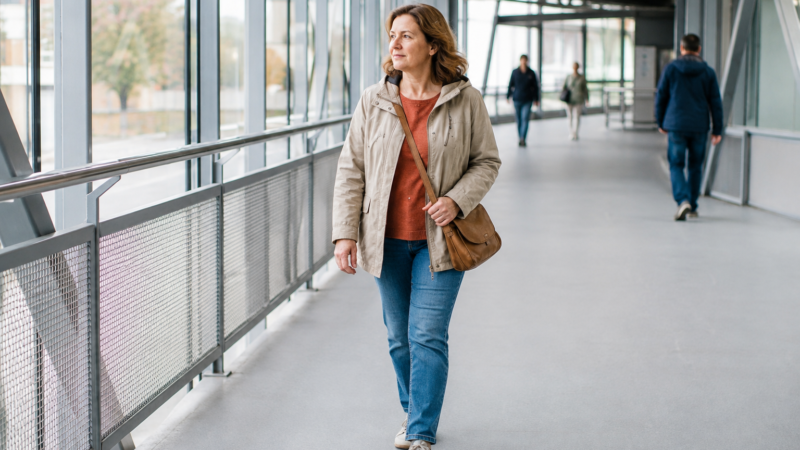
Outdoor hills are optional. Indoor laps, marching gently near a counter or walking through a shopping centre can work when weather, safety or balance is a concern.
Why timing may change the glucose response
Blood glucose commonly rises after carbohydrate containing food is digested and absorbed. Contracting muscles can take up glucose during activity through pathways that do not depend entirely on insulin. Walking during the period when glucose is rising may therefore reduce the height or duration of that immediate rise.
The effect varies with meal size, carbohydrate amount, insulin sensitivity, medication, walking intensity and individual biology. A study result describes an average response, not a promise about a particular reading. This is why a short walk can support a plan without replacing medical treatment or nutrition advice.
How strong is the evidence, claim by claim
Post meal walking gets discussed as though every claim attached to it carries the same weight. It does not. Separating the well supported claims from the popular ones makes it much easier to know what to expect.
| Claim | How well supported | What that means in practice |
|---|---|---|
| Walking soon after eating lowers the immediate glucose rise | Well supported | This is the core finding, and it is reasonable to expect it |
| Several short walks beat one longer walk for the post meal rise specifically | Reasonably supported | Useful for planning, but the difference is modest |
| Ten minutes is long enough to matter | Reasonably supported | A sensible starting dose rather than a magic number |
| Post meal walking alone improves long term control | Not established | Treat it as one contributor among several, not a treatment |
| A walk cancels out a high carbohydrate meal | Not supported | Expect a smaller rise, not an erased one |
| There is an optimal number of steps after eating | Not established | Ignore specific step targets presented as science |
The distinction that matters most in that table is between an immediate effect and a long term one. Almost all of the research people cite for post meal walking measures glucose over the few hours after a single meal. That is a real and useful outcome, and it is the one you can reasonably expect to see.
It is not the same as showing that the habit changes long term markers on its own. Those outcomes depend on total activity across the week, diet, sleep, medication where it is prescribed, body composition and factors nobody controls. A habit can be genuinely worth keeping without being the thing that moves your annual blood test.
This matters because it sets the right expectation. If you take up post meal walking believing it will transform your results, a normal set of readings three months later feels like failure and the habit gets dropped. If you take it up as a small, cheap, low risk addition attached to a reliable daily cue, it survives.
If the numbers do not seem to move
First, check what you are comparing. A walk after a large mixed meal on a stressful, badly slept day will not produce the same curve as a walk after a similar meal on an ordinary one. Comparing like with like across a fortnight tells you more than comparing two days.
Second, remember that an average effect in a study is not a promise about you. Insulin sensitivity, medication, meal composition and timing all shift the size of the response, and some people see very little acute change. That is not a sign you did it wrong.
Third, resist the urge to escalate. Walking further and faster after every meal to force a number down is the point at which a helpful habit turns into something that dominates the day. If readings are consistently outside the range your clinician set, that is a conversation to have with them, not a problem to out walk.
Which meal to target first
Begin with the meal after which you usually remain seated. Dinner is convenient for many people, but lunch may be easier if the neighbourhood is safer in daylight. If you use a glucose monitor under clinical guidance, your existing records may show which meal produces the largest or most consistent rise.
Do not turn the habit into punishment for eating. The walk is simply a movement opportunity attached to a reliable daily cue. A comfortable route and shoes placed near the door can remove friction.
When outdoor walking is not practical
Walk through a corridor, shopping centre or covered public space. At home, make laps through available rooms or march gently near a stable counter. Seated marching may suit someone with limited standing tolerance, although the glucose response may differ from walking.
Safety takes priority over timing. Avoid dark or uneven routes, extreme heat and slippery surfaces. If balance is uncertain, walk with another person or use the mobility aid prescribed for you.
Important caution if you use diabetes medication
Insulin and some glucose lowering medicines can increase the risk of hypoglycaemia, and activity may contribute. Follow the glucose monitoring and treatment plan provided by your diabetes clinician. Carry your prescribed fast acting carbohydrate if advised, and do not use this article to change medication or insulin doses.
Stop and follow your care plan if you develop shaking, sweating, confusion, unusual weakness or other symptoms you recognise as low glucose. Severe symptoms or loss of consciousness require emergency help according to your location.
People with foot ulcers, significant neuropathy or a recent procedure should follow the activity advice they have already been given. Checking footwear and inspecting the feet may already be part of an existing diabetes care plan.
A simple one week trial
- Choose one meal each day.
- Walk for 5 to 10 minutes at a comfortable pace.
- Record duration, effort and any symptoms.
- If you monitor glucose, use the timing recommended by your clinician rather than testing randomly.
- After seven days, decide whether the habit is comfortable enough to continue.
For a broader activity plan, see our explanation of how training supports metabolic health.
One long walk or several short ones
A continuous thirty minute walk can build aerobic fitness and contribute to weekly activity. Short walks placed after meals may be more closely timed to post meal glucose rises. These goals overlap but are not identical. You do not need to choose only one pattern.
A person might take ten minutes after dinner on weekdays and complete a longer recreational walk at the weekend. Another person may prefer three five minute indoor bouts because fatigue or mobility limits longer sessions. The plan should reflect health, capacity and schedule.
What a glucose monitor graph can and cannot show
A monitor can display glucose trends, but the graph does not explain every cause. Sensor lag, meal composition, stress, sleep, illness and medication timing can influence the curve. Repeating similar meals and walks may provide more useful information than comparing unrelated days.
Do not chase a perfectly flat line or exercise repeatedly to correct every rise. Glucose normally changes after eating. Use targets and interpretation supplied by your diabetes team, especially if readings are frequently high or low.
If the habit increases anxiety, guilt or compulsive activity, stop and discuss the pattern with an appropriate professional. Health habits should support daily life rather than dominate it.
A small habit, kept in proportion
A short post meal walk is inexpensive, flexible and easier to repeat than many complicated routines. Use it as one tool alongside appropriate medical care and a sustainable lifestyle, not as a reason to ignore symptoms, monitoring or prescribed treatment.
Frequently asked questions
Is walking after dinner better than walking before dinner?
Walking soon after eating appears particularly useful for the immediate glucose rise. A pre meal walk can still contribute to daily activity and fitness.
Do I need 30 minutes?
No. Research has found benefits from shorter post meal bouts. Start with a duration you can repeat safely.
Can people without diabetes benefit?
Yes, light activity breaks up sitting and can contribute to general fitness, although the size and importance of the glucose effect will differ.
Sources
- 2023 systematic review and meta-analysis: timing of exercise and post-meal glucose
- Reynolds AN et al., Diabetologia (2016): Advice to walk after meals is more effective for lowering postprandial glycaemia in type 2 diabetes
- CDC: Measuring physical activity intensity
Sources checked 19 September 2026.