
Sleep and longevity are tied together in ways that go beyond feeling tired after a bad night, a connection Thomas Roth raised in a 2009 Sleep Medicine commentary on sleep duration, insomnia, and longevity. The bigger issue is what poor sleep does to ageing, disease risk, and day-to-day function over years, not hours, and a 2024 review in Cell Communication and Signalling on the molecular mechanisms of ageing counts sleep among the levers that shape how well the body repairs itself. Most adults do best with 7 to 9 hours a night, but the number isn’t the whole story. Sleep quality and regular timing matter, too. Your body uses sleep to repair damage, reset hormones, and clear waste, and when that process gets cut short, the costs add up.
Sleep is one of the strongest levers you have, and it sits alongside the others in our guide to longevity.
That’s why the link between sleep and longevity is so strong, and why better ageing starts in bed as much as it starts in the kitchen or the gym.
- Sleep and Longevity: How sleep supports longevity at the cellular level
- How much sleep older adults need, and how it affects heart health and metabolism
- Why sleep protects the brain and immune system as you age
- Common sleep disruptors that add up over time
- Simple sleep habits that support healthy ageing
- What changes with age, and why recovery slows
- Sleep Is Basic Maintenance, Not a Luxury
Sleep and Longevity: How sleep supports longevity at the cellular level
Sleep is when the body handles a lot of its basic maintenance. That’s not a wellness slogan. It’s biology.
Repair, recovery, and the body’s overnight maintenance work
During sleep, tissues recover from daily wear. Protein synthesis rises, hormones shift, and the body gets time to fix small problems before they become bigger ones. That includes muscle, immune, and skin repair, but it also includes systems you don’t notice in real time.

Sleep also helps regulate hormones tied to stress, appetite, and growth. When sleep is steady, those signals stay more predictable. When sleep is broken or cut short, recovery gets messier. You may feel that as soreness, brain fog, low patience, or getting sick more often.
A simple way to think about it is this, waking life creates wear and tear, sleep is when the cleanup crew clocks in.
Why short sleep can speed up signs of ageing
You can’t see biological ageing in the mirror after one short night. Over months and years, though, poor sleep is linked with changes that point in the wrong direction. Research has connected short or fragmented sleep with more cellular stress, weaker repair, and shorter telomeres, which are often used as one marker of biological ageing. A 2021 review in Current Opinion in Endocrine and Metabolic Research lays out that pattern, and it’s honest about the limits, most of the studies are snapshots rather than long follow-ups, and the authors note the relationship may run both ways, since ageing itself disrupts sleep.
That last point matters. Sleep doesn’t act alone. Diet, exercise, stress, smoking, alcohol, and genetics all matter too. Still, the sleep longevity connection is hard to ignore because sleep touches so many repair systems at once.
If you keep borrowing from sleep, your body keeps paying interest.
How much sleep older adults need, and how it affects heart health and metabolism
Long life isn’t only about avoiding disease. It’s about keeping your major systems stable for as long as possible. Sleep helps do that.
How poor sleep affects the heart and blood vessels
Bad sleep puts the body in a more stressed state. Heart rate can stay higher. Blood pressure may not dip the way it should at night. Over time, that means more strain on the heart and blood vessels.
That’s one reason chronic short sleep is linked with higher cardiovascular risk. The danger isn’t usually one late night. It’s the pattern of under-sleeping, waking often, or living on an irregular schedule for years.
People often think of sleep as passive. For the cardiovascular system, it’s more like scheduled maintenance.
Sleep, blood sugar control, and metabolic health
Sleep has a direct effect on insulin sensitivity. When sleep drops, the body often gets worse at handling glucose. Even a few rough nights can make blood sugar control less efficient.
Poor sleep also shifts the hormones that influence hunger and fullness. That can mean stronger cravings, bigger portions, and more interest in ultra-processed foods the next day. Anyone who’s wanted chips and sugar after a short night already knows this without reading a study.
That’s why sleep matters for weight, prediabetes risk, and long-term metabolic health. It’s hard to eat well when your brain is asking for fast energy all day.
Inflammation, stress hormones, and long-term sleep loss
Sleep loss can keep stress hormones elevated longer than they should be. It can also push inflammation up. Neither problem causes instant damage on its own, but both are tied to the slow grind of ageing and chronic disease.
This is one reason sleep quality matters as much as sleep quantity. You can spend eight hours in bed and still miss the deeper, more restorative stages. The same basic theme runs through the research, better sleep supports repair, while repeated disruption stacks the deck against it.
Why sleep protects the brain and immune system as you age
If heart health gets most of the attention, the brain may be the stronger argument for taking sleep seriously.
Deep sleep and the brain’s cleanup system
During deep sleep, the brain becomes better at clearing waste products through what’s called the glymphatic system. In plain English, fluid moves through the brain more effectively and helps wash away byproducts that build up during waking hours. NIH Research Matters covered the first direct imaging of that system in living people, which tracked fluid moving along channels beside the brain’s blood vessels and noted the evidence that clearance is most active during sleep.
That matters because the brain is busy all day. It burns energy, forms memories, and produces waste. Sleep gives it a chance to reset. When deep sleep is poor, that cleanup doesn’t happen as well.
Memory depends on sleep too. New information is processed and stabilised overnight. So when sleep falls apart, thinking, attention, and recall often go with it. That’s frustrating at 40 and a bigger deal at 70.
Better sleep, stronger immunity, and steadier recovery
Sleep is one of the main things that keeps the immune system coordinated. During sleep, immune signalling shifts in ways that support defence and recovery. When sleep is short, the body often becomes less efficient at fighting infections.
Studies have also found that shorter sleep around vaccination can reduce antibody response. A 2023 meta-analysis in Current Biology, covering adults aged 18 to 60, found a weaker antibody response in people whose measured sleep ran under six hours in the days around a shot, an effect the authors compared to about two months of normal antibody waning. The signal was clearer in men than in women, and it showed up only when sleep was measured with devices rather than self-reported. That doesn’t mean one bad night ruins immunity. It does mean the immune system works better when sleep is solid.
The same logic applies to everyday recovery. Good sleep helps you bounce back from travel, stress, hard workouts, and minor illness faster. That’s a big part of healthspan, not only lifespan.
Common sleep disruptors that add up over time
Most sleep problems don’t start with a dramatic event. They start with habits that seem harmless until they’re repeated.
Late screens, caffeine, alcohol, and drifting bedtimes
Screens at night can push sleep later in two ways. The light can delay your body clock, and the content keeps your brain switched on. A calm bedtime routine can be wrecked by one more episode or one more scroll.
Caffeine is another common trap. For some people, a 3 p.m. coffee is fine. For others, it still shows up at midnight. Alcohol can make you sleepy at first, but it often leads to lighter, more broken sleep later. The problem is the same in both cases, repeated disturbance leaves less room for repair.
Then there’s schedule drift. Sleeping from 11 to 7 on weekdays and 1 to 10 on weekends can feel harmless, but your body clock notices.
Stress, light exposure, snoring, and sleep disorders
A busy mind at night is its own kind of stimulant. Stress can make it hard to fall asleep, hard to stay asleep, or easy to wake up too early. Bright bedroom light, street noise, and a room that’s too warm can make the same problem worse.
Snoring deserves more attention than it gets. Loud snoring, waking up gasping, morning headaches, or crushing daytime sleepiness can point to sleep apnea. Insomnia is another major issue, especially when trouble falling or staying asleep lasts for weeks.
You don’t need to diagnose yourself. You do need to notice patterns.
Simple sleep habits that support healthy ageing
The goal isn’t a perfect routine. The goal is a stable one you can keep.
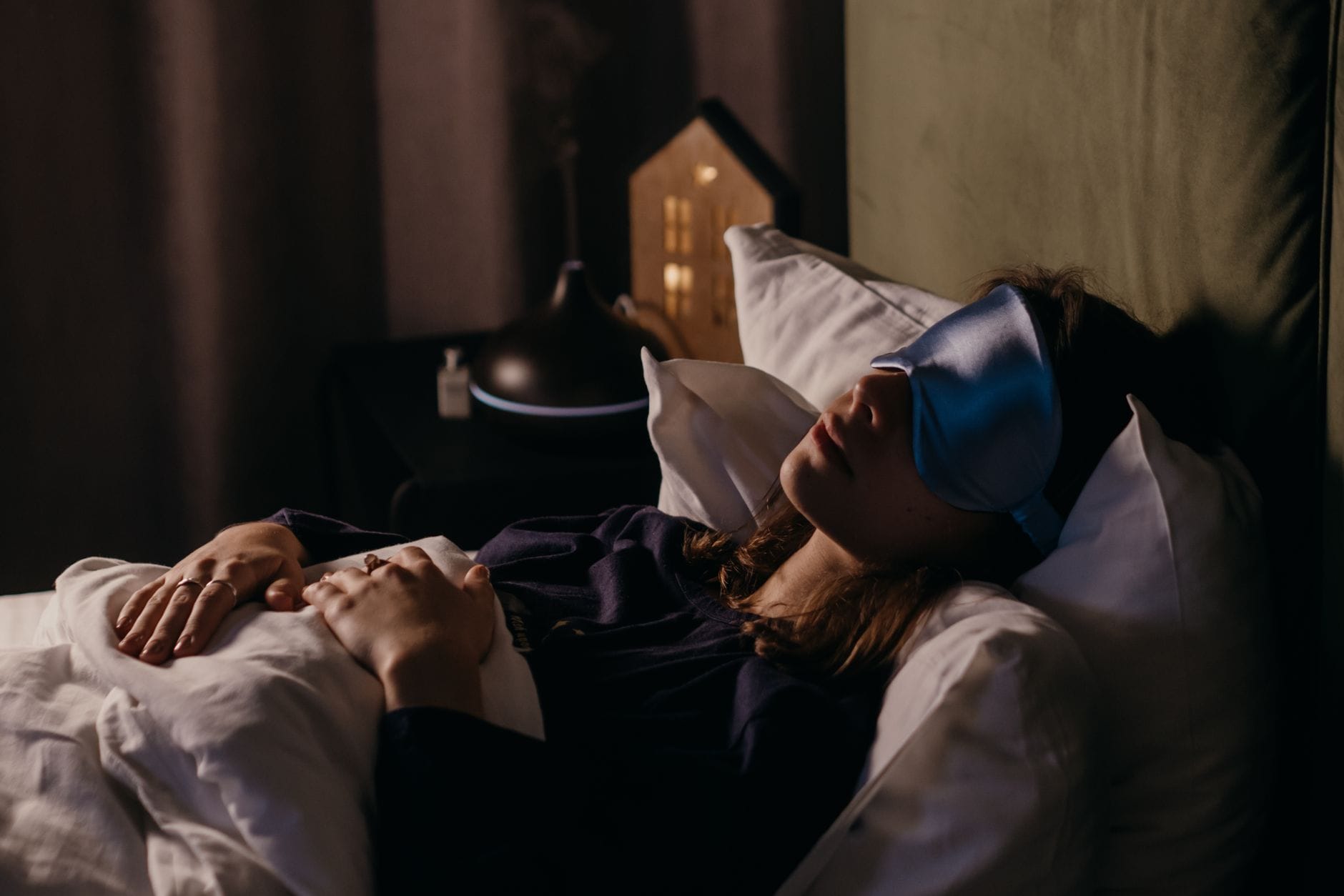
A realistic sleep routine for real life
Start with the anchor habit, a consistent wake time. Your body clock likes rhythm more than ambition. If wake time stays fairly steady, bedtime often gets easier.
A few other habits help without turning sleep into a second job:
- Keep your wake time within about an hour, even on weekends.
- Build a 30 to 60-minute wind-down routine with dimmer light.
- Make the bedroom cool, dark, and quiet.
- Cut caffeine earlier than you think you need to.
- Save alcohol for earlier in the evening, or skip it close to bed.
If you want one question to guide you, use this: “Will this make sleep easier tonight or harder?” That question catches a lot.
When to get help for ongoing sleep problems
Some sleep issues need more than better habits. If you snore loudly, wake up choking or gasping, feel sleepy during the day despite enough time in bed, or can’t fall asleep for weeks, it’s time to talk with a clinician.
The same goes for restless legs, frequent early waking, or relying on alcohol or sleep aids most nights. Getting checked doesn’t mean something is seriously wrong. It means you’re treating sleep like the health issue it is.
What changes with age, and why recovery slows
Sleep and recovery both shift with age. Many older adults get sleepy earlier in the evening, wake earlier in the morning, and spend less time in deep sleep. Waking from noise, pain, or a trip to the bathroom also gets easier. Not all of that means something is wrong, but it does explain why a rough night takes longer to shake off at 70 than it did at 30.
The target hasn’t moved much. Most adults still do best with about seven to nine hours in a day. What changes is that the sleep often arrives in lighter pieces, so recovery can feel patchy even after a long night in bed. Sleep changes over time, and the National Institute on Aging’s page on sleep and older adults is a good place to separate ordinary ageing changes from real sleep trouble. It keeps the target at seven to nine hours, describes shorter and lighter sleep with more night waking as typical, and flags insomnia, sleep apnea, and restless legs as things to raise with a doctor rather than accept as part of getting older.
Common with ageing versus worth a conversation
| Common with ageing | Worth discussing with a clinician |
|---|---|
| Getting sleepy earlier in the evening | Loud snoring, gasping, or choking during sleep |
| Waking once or twice at night | Lying awake for long stretches most nights |
| Sleeping a little lighter | Feeling exhausted or dozing off often during the day |
| Taking longer to recover after a bad night | Frequent waking with leg discomfort, breathlessness, or chest pain |
The takeaway is simple. Lighter sleep can be normal, but constant daytime fatigue is not. Everyday problems chip away at nights too. Arthritis pain, reflux, bladder changes, and medication timing all break sleep into pieces, and caregivers often spot the result first, a parent or partner who is more forgetful, irritable, or unsteady after a bad night.
Daytime habits that make recovery easier
Nighttime often begins in the morning. Get out of bed at about the same hour most days, open the curtains, and get daylight on your face. Movement counts too, whether that is a walk after breakfast, gardening, or errands on foot. If the body stays idle all day, sleep pressure is often too low by bedtime. Yale Medicine’s explainer on how ageing affects sleep points to the same two levers, a steady bed and wake time, and enough daytime activity, since being less active during the day makes a normal sleep-wake cycle harder to hold.
Strength training belongs here as well. Two or three sessions a week help preserve muscle, support balance, and improve how the body recovers overnight. Chair squats, wall push-ups, resistance bands, and step-ups on a low stair are enough. A simple rhythm works for most people:
- Wake at a steady time, even after a poor night.
- Get daylight and some movement early in the day.
- Keep naps short, and not too late in the afternoon.
- Save hard exercise for earlier, if evening workouts leave you wired.
- Resist the urge to rest all day after a bad night, since extra sitting often makes the next night worse.
Protein, fluids, and evening meals
Repair needs raw materials. Older adults do better with steady protein through the day rather than most of it at dinner, so include some at each meal. Eggs, yoghurt, beans, fish, chicken, tofu, cottage cheese, and milk are easy options, and pairing protein with strength work helps the body use sleep for recovery.
Fluid timing matters as much as fluid volume. Too little and you wake with a dry mouth, headache, or cramps. Too much late in the evening and you are up for the bathroom repeatedly. Drink regularly through the day, then ease back in the last couple of hours before bed. Caffeine also lingers longer than it used to, so many older adults sleep better when it stops by early afternoon. The National Council on Ageing’s sleep tips for older adults make the same point about room temperature, suggesting a bedroom around 60 to 70 degrees, room-darkening shades, unplugging from screens about an hour before bed, and keeping caffeine, nicotine, and alcohol away from bedtime. Heavy, greasy, or spicy meals close to bedtime can stir up reflux, so a lighter evening meal with some protein and fibre usually lands better.
Night-time safety and red flags in later life
Keep the room cool and dark, keep the path to the bathroom clear, and use a night-light if you need one. That is a sleep issue and a safety issue, because a groggy trip across a dark room is one reason poor sleep and falls show up together. If you are wide awake, don’t fight the clock. Get up, do something quiet in dim light, then go back when you feel sleepy, so bed stays linked with sleep rather than frustration.
Talk with a doctor or sleep specialist about persistent insomnia, loud snoring, choking or gasping in sleep, restless legs, or excessive daytime fatigue. Morning headaches, dry mouth, and falling asleep in a chair every day point to a sleep problem rather than normal ageing. Family members can help by watching for confusion, more napping, missed meals, or unsteadiness after poor nights. A medication review, a check for sleep apnea, or a plan for pain and bladder symptoms often makes a real difference.
Sleep Is Basic Maintenance, Not a Luxury
Sleep supports repair, brain health, metabolism, immunity, and lower inflammation. That’s why it belongs near the top of any serious healthy-ageing plan.
You don’t need perfect sleep to benefit. You need better patterns, more consistency, and fewer nights spent fighting your own body clock.
A longer life matters. A longer life that still feels good matters more, and better sleep helps build both.