
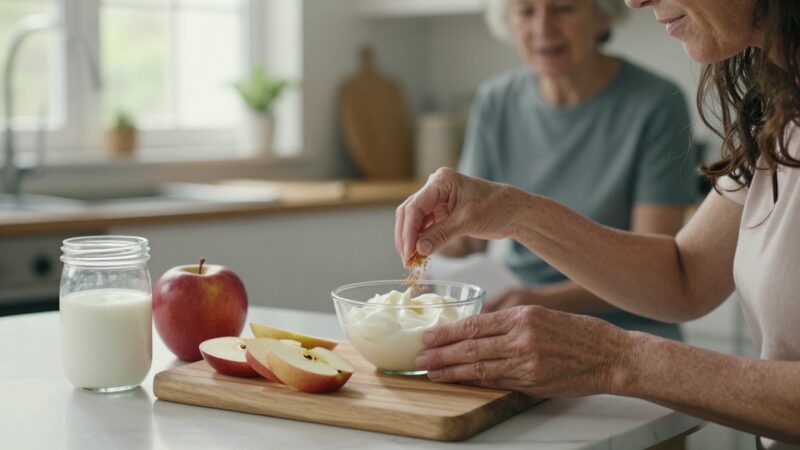
The names sound like twins. They aren’t. If you’ve ever stood in the grocery aisle wondering whether prebiotics and probiotics do the same thing, you’re in good company. One adds live microorganisms to your gut. The other feeds the helpful microbes already there.
That simple split clears up most of the confusion, and it makes food labels, yoghurt cups, and supplement bottles a lot easier to read.
- Prebiotics vs Probiotics: The Difference Behind the Labels
- How prebiotics work once they reach the gut
- What probiotics can do, and where the hype starts
- The easiest foods to add to your routine
- When supplements may help, plus basic safety
- How to read a probiotic label
- If you try one and nothing happens
- Conclusion
Prebiotics vs Probiotics: The Difference Behind the Labels
Your gut is home to trillions of microbes. People often call this community the gut microbiome. You don’t need to know every species to understand the big idea.
As Mayo Clinic explains, probiotics are live microorganisms found in some foods and supplements. Prebiotics are compounds, often certain fibres and resistant starches, that your body doesn’t digest but helpful microbes can use as fuel.
Seen side by side, the difference is much easier to remember.
| Type | What it is | What it does | Common sources |
|---|---|---|---|
| Prebiotics | Non-digestible compounds, often fibres | Feed beneficial microbes already living in the gut | Garlic, onions, beans, oats, bananas, asparagus |
| Probiotics | Live microorganisms | Add live microbes for a period of time | Yoghurt with live cultures, kefir, sauerkraut, kimchi |
That means the question isn’t always “Which one is better?” A better question is, “Do I need to feed the microbes I already have, add live ones, or both?”
The easiest way to remember it is this: probiotics are the live microbes, prebiotics are the food they eat.
They’re not competing products. In real life, they often work best together. A bowl of yoghurt with oats and banana, for example, gives you live cultures plus food for helpful microbes.
How prebiotics work once they reach the gut
Prebiotics don’t get fully broken down in the small intestine. They move farther along, where gut microbes can ferment them. The ISAPP consensus definition of a prebiotic is narrower than most labels suggest: a substrate that host microbes selectively use in a way that confers a health benefit, which means not every fibre qualifies. That fermentation can make compounds called short-chain fatty acids, which the body can use as fuel. Harvard’s Nutrition Source, in its overview of the gut microbiome and dietary fibre, describes the fermentation of indigestible fibres as the step that produces them, and they may play a role in digestive and metabolic health.
You don’t need a supplement to get this effect. Everyday foods do the job. Garlic, onions, leeks, asparagus, beans, lentils, oats, barley, apples, slightly green bananas, and cooked-and-cooled potatoes are all common examples. Not all fibre is prebiotic, but many prebiotic foods are rich in fibre, which is one reason they help with regularity too.
MD Anderson’s plain-language explanation of how prebiotics feed beneficial microbes gets at the key point: you’re feeding the microbes already living in your gut, not dropping in new ones.
There’s one catch. If you jump from a low-fibre diet to a lot of prebiotic foods overnight, your gut may protest. Gas, bloating, and cramping are common when you increase these foods too fast. People with IBS or sensitivity to high-FODMAP foods may notice this even more. Monash University’s explanation of FODMAPs and IBS covers why: garlic, onion, most legumes and several fruits are high in these short-chain carbohydrates, and the gas and water they draw in can stretch the intestinal wall in people with sensitive guts.
Go slow. Add one food at a time, drink enough water, and give your gut a few days to adapt. That’s usually more helpful than chasing a dramatic reset.
A side note that matters more with age: steady habits beat heroic fixes. Regular movement, decent sleep, and a varied, fibre-rich diet support digestion far better than a random powder taken once in a while.
What probiotics can do, and where the hype starts
Probiotics are the live side of the story. They’re usually bacteria, and sometimes yeasts, that may offer a health benefit when taken in the right amount.
The key phrase there is “the right amount,” but that’s only half the issue. Strain matters too. A probiotic studied for antibiotic-associated diarrhoea is not the same as one marketed for bloating, and neither is the same as a general “gut health” blend. Labels often make probiotics sound like one single thing. They aren’t.
This is where marketing gets ahead of the evidence. Some probiotic strains may help reduce antibiotic-associated diarrhoea. Some may help certain people with digestive symptoms such as bloating or IBS. Results vary by strain, dose, product quality, and the person taking it. The NIH Office of Dietary Supplements fact sheet on probiotics states it plainly: because the effects of probiotics can be specific to certain strains, recommendations for their use need to be strain-specific too.
What probiotics can’t do is fix everything. They don’t erase a low-fibre diet. They don’t permanently “rebuild” your microbiome in a weekend. They also don’t affect everyone the same way.
Food sources can still be a smart starting point. Yoghurt with live cultures, kefir, sauerkraut, kimchi, tempeh, and some aged cheeses may contain live microorganisms. But not every fermented food counts. If a food has been pasteurised after fermentation, baked at high heat, or heavily processed, the live microbes may no longer be there.
So yes, probiotics can be useful. They just work better when you treat them like targeted tools, not magic.
The easiest foods to add to your routine
For most healthy adults, food first is the simplest move. It costs less, it adds nutrients beyond gut support, and it turns gut health into a daily habit instead of a special project.
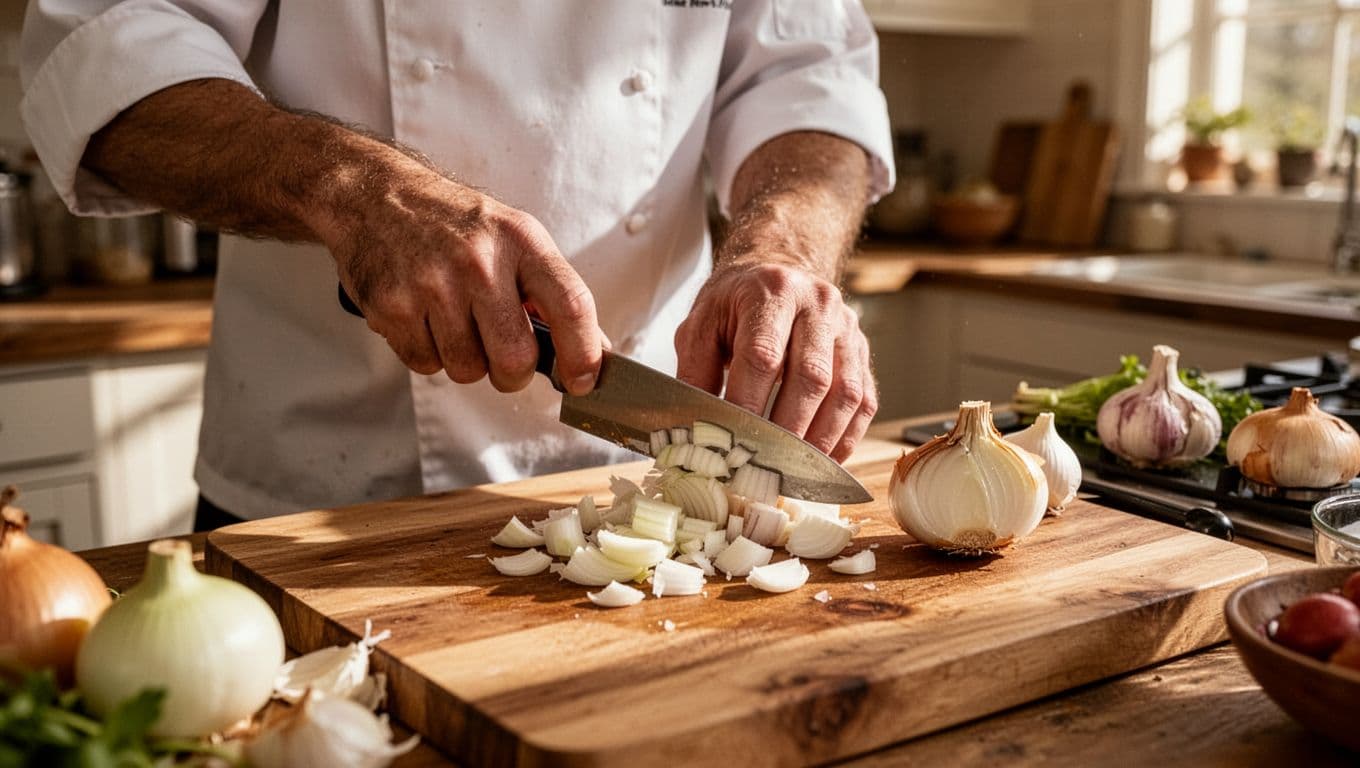
On the prebiotic side, think plant foods with fermentable fibres and resistant starch. Onions, garlic, leeks, asparagus, beans, lentils, oats, barley, apples, and bananas are easy places to start. Cooked-and-cooled rice or potatoes can add resistant starch too. If you want the longer list, this guide to which foods feed your gut microbiome covers more options.
On the probiotic side, look for plain yoghurt with live cultures, kefir, sauerkraut kept refrigerated, kimchi, miso, and tempeh. Keep an eye on added sugar and sodium, because some products pile those on fast.
A few easy pairings make this practical:
A breakfast bowl with yoghurt, oats, and sliced banana works. So does a kefir smoothie with berries and oats. At dinner, a bean and rice bowl with a spoonful of kimchi gives you both categories in one meal. Roasted asparagus next to a yoghurt-based sauce does the same thing with almost no effort.
You don’t need to eat fermented foods at every meal. You also don’t need to force foods you hate. The goal is variety and consistency. That matters for gut health, and it’s one of the simplest healthy-ageing habits too. Small routines, repeated often, beat perfect plans you can’t keep.
When supplements may help, plus basic safety
Supplements can make sense, but they’re not the automatic next step.
A probiotic supplement may be worth considering if a healthcare professional recommends a studied strain for a specific reason, or if you want to try one after antibiotics and you understand the evidence is mixed. A prebiotic supplement can help if your diet is consistently low in fibre and food changes aren’t enough or aren’t realistic right now.
Start low, especially with prebiotic fibres such as inulin or other fibre blends. Too much too soon can leave you bloated and miserable. With probiotics, more isn’t always better either. A giant CFU number on the label doesn’t tell the whole story. A well-studied strain, a reasonable dose, proper storage, and a product that hasn’t expired matter more.
Some products combine both and call themselves synbiotics. That’s fine in theory, but it still helps to know what you’re taking and why.
How to read a probiotic label
Probiotic labels look informative and often aren’t. Three things on the bottle actually tell you something, and one very prominent thing usually doesn’t.
The strain, not just the species. A proper probiotic name has three parts: genus, species, and strain. In Lacticaseibacillus rhamnosus GG, the “GG” is the strain, and it’s the part the research is actually attached to. Two products can both say “L. rhamnosus” and contain strains studied for completely different things, or barely studied at all. If a label gives you only a genus and species, it isn’t telling you what you’re buying.
When the CFU count applies. Live organisms die off in storage, so the number that matters is the count guaranteed through the end of shelf life, not the count at the moment of manufacture. Labels that say “at time of manufacture” are quietly telling you they don’t know what’s in there by the time you swallow it. ISAPP’s guide to decoding a probiotic product label calls a manufacture-date count inadequate if you buy the product near the end of its shelf life, and points to survey findings that roughly 45 percent of supplement products gave no strain designation and a similar share gave no potency through expiration.
Storage and expiry. Some products need refrigeration and some are stabilised for room temperature. Either is fine, but a refrigerated product that sat in a warm delivery van has lost some of what you paid for. Check the date, and check how it was shipped if you ordered online.
What doesn’t tell you much is the headline CFU number on the front. Fifty billion of a strain with no relevant evidence isn’t better than five billion of one that’s been studied for your actual reason for taking it. Bigger numbers are easier to print than better evidence, which is roughly why they’re everywhere.
If you try one and nothing happens
Give it a fair trial, but define what “fair” means before you start. For most digestive complaints, four to six weeks of consistent daily use is enough to form a view. If nothing has changed by then, that’s an answer, and continuing for another six months out of hope is mostly a subscription.
It also helps to write down what you’re actually hoping will change, in plain terms, before the first dose. “Less bloating after dinner” is something you can assess. “Better gut health” is not, and it’s the kind of goal that keeps people buying products indefinitely because it can never quite be met or ruled out.
And if a product does help, remember that the effects generally last only while you keep taking it. Most strains don’t permanently colonize the gut. The NIH Office of Dietary Supplements fact sheet quoted earlier describes probiotics as colonizing the gut mucosa only transiently, in patterns that vary a lot from person to person depending on the microbiota you started with, the strain, and where in the gut you look. That’s not a reason to avoid them, but it does mean a course of probiotics isn’t a repair job with a lasting result, which is closer to how the marketing tends to frame it.
Basic safety matters here. Mild gas, bloating, or a temporary change in bowel habits can happen with either type. People with IBS, IBD, SIBO, unexplained digestive symptoms, or a weakened immune system should talk with a healthcare professional before starting supplements. The same goes for anyone who is seriously ill or has complex medical conditions.

If you do try a supplement, keep it simple. Start one product at a time. Give it a fair trial. Pay attention to symptoms. If it doesn’t help, stop throwing good money at a label.
Conclusion
The real answer to prebiotics vs probiotics is that they do different jobs. Probiotics are live microorganisms, and prebiotics feed beneficial microbes already living in your gut.
For most people, the best first step is food, not a crowded supplement shelf. Eat a wider range of fibre-rich plants, add fermented foods that agree with you, and use supplements when there’s a clear reason, not because the bottle promises a reset.