
A ceramide moisturizer can make a real difference when dryness, tightness, redness, or that annoying sting after washing show up even though you moisturise every day. When the skin barrier gets worn down, the problem is often less about “not enough cream” and more about the wrong kind of support. A ceramide moisturizer helps replace lipids your skin loses over time, after over-cleansing, or after a rough stretch with actives.
That is why this product matters for more than winter skin. It can make a routine feel calmer, easier, and a lot less fussy.
Quick answer: Ceramide moisturizers help support the skin barrier by replacing lipids that keep water in and irritants out, which can make skin feel calmer, softer, and less dry.
Ceramides are natural lipids, or fats, that sit in the outer layer of skin. They help skin cells stay organised and tightly packed, which matters more than most people think. Cleveland Clinic notes that ceramides make up about 50% of the lipids in that outer layer, so they are not a side character. They are part of the structure that helps skin hold onto moisture and keep irritants out.
The skin barrier is your first line of defence. When it works well, water stays in better and outside stress has a harder time getting through. When it gets weak, skin can feel dry, rough, or touchy for no obvious reason.
- How ceramides work with cholesterol and fatty acids
- What happens when ceramide levels drop
- The real benefits of a ceramide moisturizer for dry skin
- Why they can help skin feel less dry and reactive
- Who tends to notice the biggest difference
- How to choose the right ceramide moisturizer for your skin type
- Ingredients that make a ceramide formula work better
- Labels and buzzwords that are worth paying attention to
- The easiest way to use ceramide moisturizers in your routine
- Common mistakes and myths that can get in the way of better results
- A practical way to compare two moisturizers
- How to choose a ceramide moisturiser in the shop
How ceramides work with cholesterol and fatty acids
Ceramides do not work alone. They team up with cholesterol and fatty acids to form the barrier’s lipid matrix. That mix is what keeps the outer layer flexible, sealed, and more comfortable.
These lipids explain why barrier-focused formulas may contain more than ceramides. Seeing all three on a label does not establish an optimal ratio or prove that the product will work better for you.
What happens when ceramide levels drop
Ceramide levels can dip after cold weather, hot showers, over-cleansing, exfoliating too often, or using strong actives too fast. Age can play a role too. When that happens, the skin starts acting like a door with a loose seal.
You may notice tightness after washing, flaking around the nose, rough texture, or skin that stings when you apply products. If that sounds familiar, the next read to keep nearby is Skin Barrier Repair: 11 Ways to Help Damaged Skin Recover.
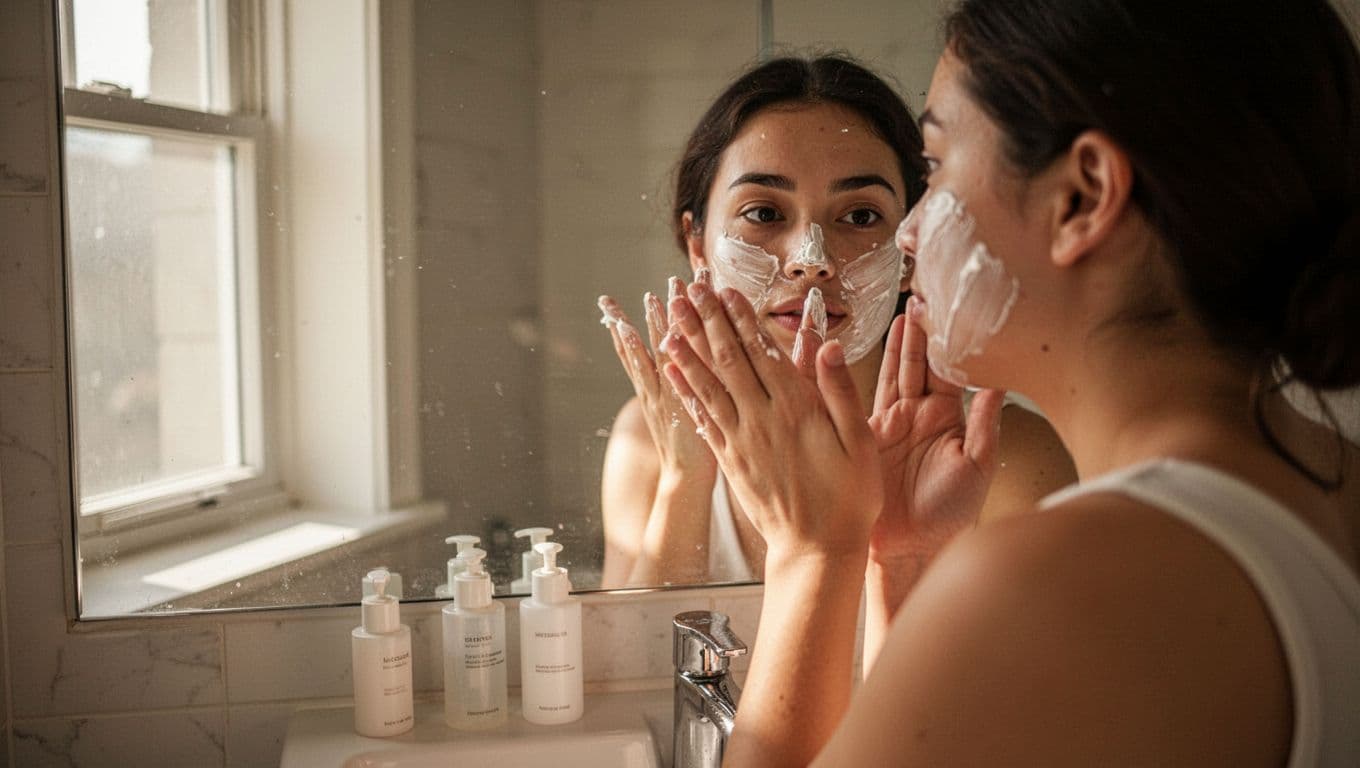
The real benefits of a ceramide moisturizer for dry skin
The big payoff is comfort. A ceramide moisturizer helps the barrier hold water better, so skin does not feel as thirsty by lunch. That can mean less tightness, less roughness, and fewer moments where your face feels irritated for no clear reason.
These formulas are especially useful for dry, sensitive, or easily irritated skin. They can also help when your routine has gotten a little too ambitious. If you use retinoids, exfoliants, or acne products, barrier support matters.
Why they can help skin feel less dry and reactive
When skin loses water too quickly, it starts to feel cranky. A ceramide-rich cream helps slow that loss down. The result is not magic, it is simple physics. Better water retention usually means skin feels softer and less reactive.
A 2023 review of skin-barrier repair and moisturization explains how moisturizers support hydration and the barrier. It does not establish that every ceramide product outperforms every ordinary moisturizer. Glycerin, petrolatum and other ingredients can also contribute; the finished formula and your tolerance matter.
Who tends to notice the biggest difference
People with dry skin often notice it first. Sensitive skin usually does too. Mature skin can also benefit, since the barrier tends to need more support with age. If wrinkles, dryness, and sun damage are more on your mind than barrier repair specifically, our guide to what causes visible skin ageing rounds out the picture.
Acne-prone skin using strong actives is another big one. Even oily skin can feel dehydrated if the barrier is off. A calm, barrier-supportive formula can help that skin type feel less stripped without turning the face greasy. If you are building a simpler routine around that, the Acne Skincare Routine guide fits well too.
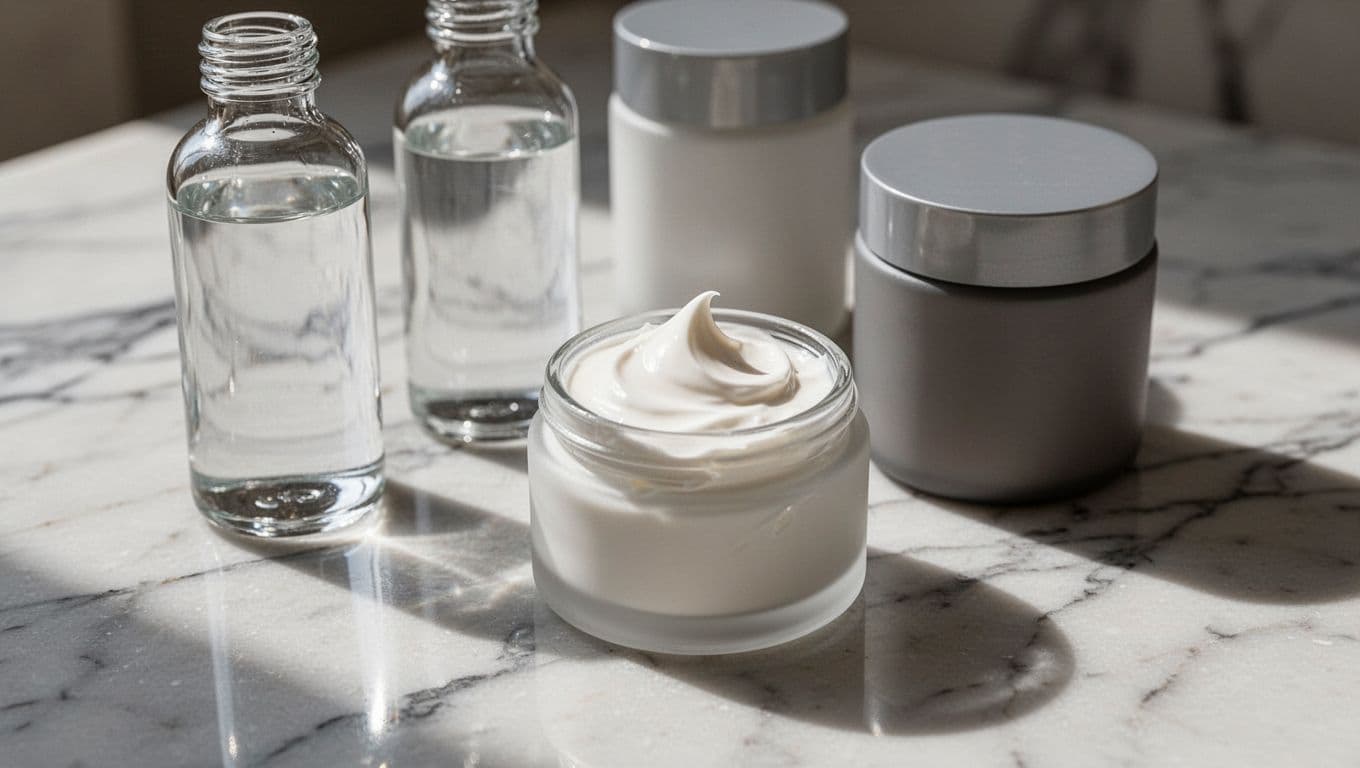
How to choose the right ceramide moisturizer for your skin type
The best formula is the one your skin will actually tolerate every day. Texture matters. So does the rest of the ingredient list. You do not need the heaviest cream on the shelf to get good results.
| Skin type | Best texture | What to look for |
|---|---|---|
| Dry or flaky | Rich cream or balm | Ceramides, cholesterol, glycerin |
| Oily or acne-prone | Lotion or gel-cream | Lightweight feel, fragrance-free formula |
| Sensitive | Simple cream | Few extras, no fragrance, barrier-friendly formula |
| Mature | Cream with humectants | Ceramides, squalane, hyaluronic acid |
A richer cream usually suits dry skin best. A lighter lotion or gel-cream often feels better on oily or acne-prone skin. Sensitive skin usually does well with fragrance-free options and shorter ingredient lists. The takeaway is simple, match the texture to the skin you have, not the skin you wish you had.
Ingredients that make a ceramide formula work better
Ceramides pair well with glycerin, hyaluronic acid, squalane, niacinamide, and cholesterol. Glycerin and hyaluronic acid pull water into skin. Squalane and cholesterol help soften and support the barrier. Niacinamide can also be a strong match.
A good moisturiser usually blends humectants, emollients, and occlusives. That mix gives you hydration, softness, and a little sealing power at once.
Labels and buzzwords that are worth paying attention to
Look for named ceramides on the ingredient list, but do not use their position alone to judge effectiveness. Under US cosmetic labeling rules, ingredients present at 1% or less can be listed without regard to their relative amounts. A ceramide near the end is therefore not proof of an ineffective product, and the list does not reveal the complete formula or its clinical performance. “Fragrance-free” can help when choosing for sensitive skin; “barrier support” is a claim to assess, not a quality guarantee.
A long ingredient list is not automatically better. For reactive skin, simpler can be smarter. For reactive skin, the working rule is simple: fewer active ingredients, no added fragrance, and less friction. Irritation is the thing you are trying to avoid, and most “more is better” routines quietly create it.
The easiest way to use ceramide moisturizers in your routine
The easiest routine is the one you can repeat without thinking. That usually means cleansing gently, applying moisturiser at the right time, and keeping the rest of your routine from fighting itself.
- Morning: Cleanse gently if you need to, then apply your ceramide moisturizer while skin is still slightly damp. Finish with sunscreen.
- Night: Cleanse, apply ceramide moisturizer, and use a richer cream if your skin feels dry or reactive. Night is a good time to give the barrier more support.
- With actives: If you use retinol or acids, let the moisturiser cushion the routine. That can make the process feel less harsh on sensitive days.
Skin that feels raw usually needs fewer steps, not more products.
Morning routine: keep the barrier calm before sunscreen
In the morning, a ceramide moisturizer can create a comfortable base under SPF and makeup. It helps skin feel less tight before the day starts. That matters if your cleanser leaves you a little stripped.
Night routine: repair and seal in moisture while you sleep
Nighttime is the time for a thicker cream if your skin needs it. After retinoids, exfoliants, or a windy day, a ceramide moisturizer can help skin feel less stingy by morning. Applying it on slightly damp skin can help lock in hydration.
Where ceramides fit with retinol, acids, and other active ingredients
Ceramide moisturizers pair well with retinol, AHAs, BHAs, vitamin C, and niacinamide. The trick is timing and tolerance. If your skin gets cranky, use the ceramide cream after the active, or sandwich the active between layers of moisturiser.
Strong ingredients are not the problem. Unchecked irritation is.
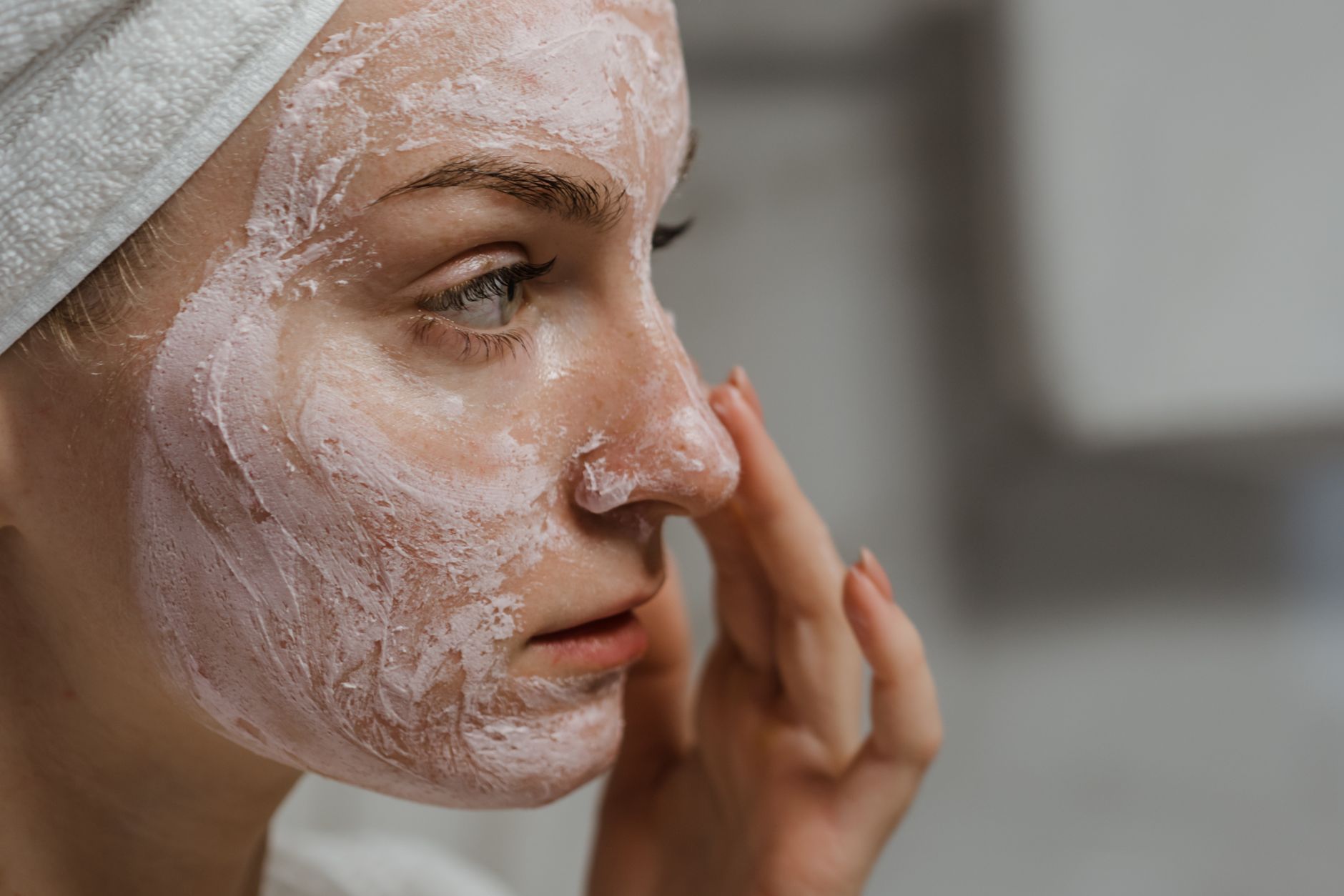
Common mistakes and myths that can get in the way of better results
More product is not always better. A thick layer can feel comforting, but piling on too much can leave skin greasy, hot, or irritated. If your barrier is already stressed, overdoing it can make things worse.
Ceramide moisturizers are not only for dry skin, and they are not only for winter. Barrier damage can happen in July just as easily as January. That is why people with acne-prone skin, sensitive skin, or skin recovering from over-exfoliation can still get a lot out of them.
Why more product or more layers is not always better
Skin does not need to be buried under six products to calm down. If anything, that can make it harder to tell what is helping and what is irritating. A simple routine often gives you better results and fewer flare-ups.
This is where a product like a ceramide moisturizer does its best work. It supports the routine instead of complicating it.
When a product is not the right fit for your skin
If a moisturiser burns every time you use it, that is a clue. If it causes breakouts, feels too heavy, or leaves your skin angry, it may not be the right formula. Fragrance, texture, or a long ingredient list can all be the issue.
Patch testing is smart for sensitive skin. So is switching to a lighter or simpler formula if your face keeps pushing back. The right moisturiser should calm things down, not start a new fight.
A practical way to compare two moisturizers
Use this as a purchasing worksheet, not a product ranking or a clinical test. We have not conducted a head-to-head test of the products you may be considering.
| Check | Write down | What it helps you decide |
|---|---|---|
| Whole formula | Named ceramides, fragrance, and ingredients you already know you react to | Whether it suits your tolerance; ingredient order alone cannot establish benefit |
| Texture | Cream or lotion; whether it feels comfortable under your sunscreen | Whether you will use it consistently |
| Value | Price divided by package size, using the same units for both | Whether a marketing claim is worth paying more for |
| Your experience | Date started, tightness after washing, stinging, and any new rash | Whether to continue, stop, or ask for advice |
Before applying a new product widely, follow the American Academy of Dermatology’s home-testing guidance: test a small area twice daily for seven to ten days. Stop if redness, itching or swelling develops. A home trial cannot diagnose an allergy; persistent irritation needs professional assessment.
After testing, change one product at a time and keep the rest of the routine steady. A short diary can reveal a pattern, but it cannot prove that ceramides caused an improvement or promise a recovery deadline. Persistent painful, cracked or inflamed skin deserves assessment rather than repeated product swapping.
How to choose a ceramide moisturiser in the shop
Turn the jar over and look for three things in the ingredient list: one or more ceramides (often listed as ceramide NP, AP or EOP), supporting lipids such as cholesterol or fatty acids, and a humectant like glycerin or hyaluronic acid. Skip added fragrance if your skin stings easily. Choose a lotion if your skin is oily or you live somewhere humid, and a thicker cream if your skin is dry or the air is cold. Then use it twice a day for at least two weeks before you judge it.