
Want one habit that helps almost every part of aging well? Start with movement. Exercise supports your body, your brain, and your ability to keep doing ordinary things on your own.
If you’re over 50, or caring for someone who is, a healthy aging exercise routine doesn’t need to look intense. It needs to be safe, doable, and steady enough to fit real life.
- Why regular exercise matters as you get older
- The physical health benefits of exercise as you age
- Exercise for brain health, mood, and sharper thinking
- The best types of exercise for older adults
- How exercise helps prevent falls and protect mobility
- Safe ways to start or adapt a routine at any fitness level
- Keep it simple and keep it going
Why regular exercise matters as you get older
Aging changes muscle, balance, stamina, and recovery. That’s normal. What matters is that regular movement can slow some of that decline and help you hold onto the abilities you use every day.
Think about what independence really means. It’s not abstract. It’s walking through a store without feeling wiped out, standing up from the couch without bracing, and getting through the day with a little energy left.
How movement helps you stay independent longer
The body follows a simple rule, use it or lose it. When you stay active, everyday tasks often feel more manageable. Climbing stairs, carrying groceries, getting out of a chair, and walking across a parking lot all depend on strength, coordination, and balance.
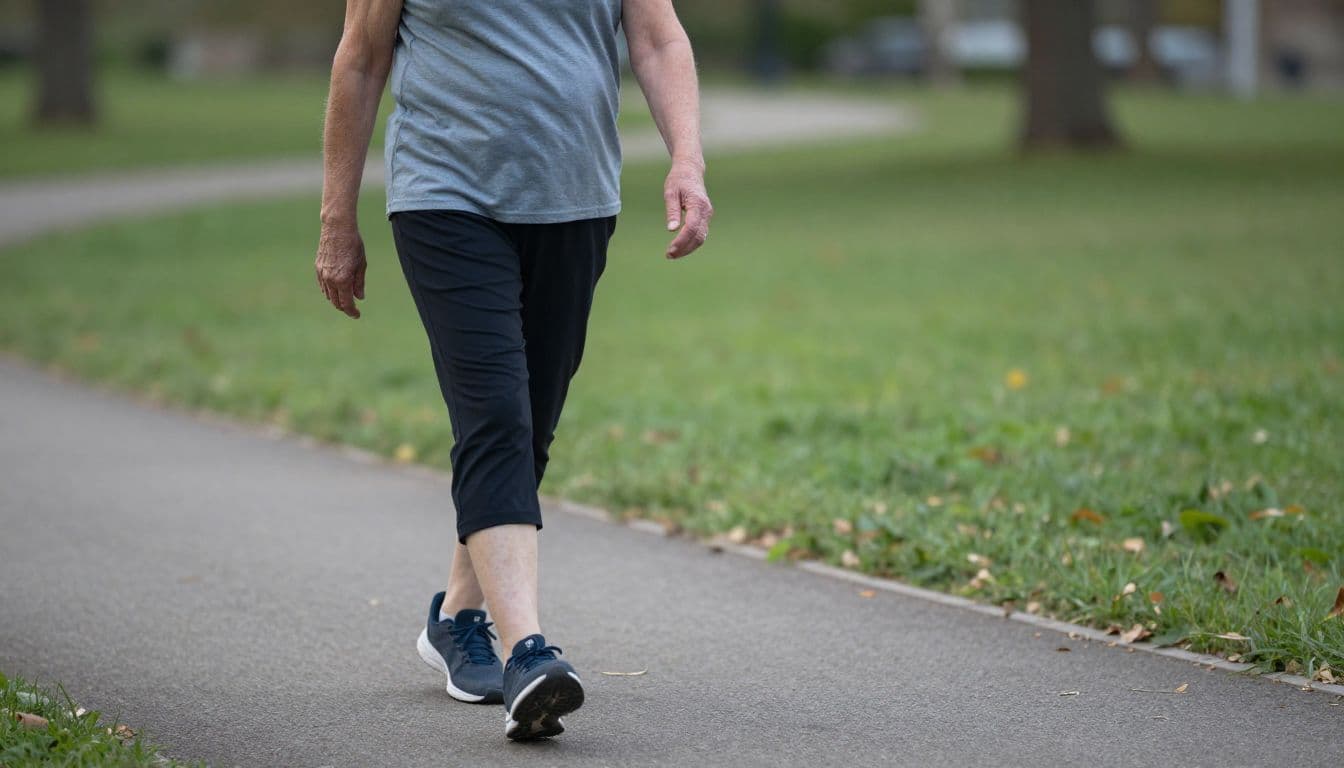
That matters more with age because small losses add up. A little leg weakness here, a little stiffness there, and suddenly routine tasks feel harder than they used to. Exercise helps protect the basics, which can mean less reliance on family, caregivers, or mobility aids later on.
The goal isn’t to train like you did years ago. The goal is to keep doing the things that make life feel like your own.
The link between activity, energy, and overall well-being
Many people expect exercise to drain their energy. Often, the opposite happens. Regular activity can improve stamina, support better sleep, lift mood, and help the body feel less sluggish.
It doesn’t take marathon-level effort. Short walks, light strength work, and gentle stretching done often can make a real difference. The CDC’s guidance for adults 65 and older also points to benefits for sleep, anxiety, blood pressure, and daily function.
The physical health benefits of exercise as you age
Exercise helps far more than one body part at a time. A good routine supports muscles, heart health, joints, posture, and the kind of mobility that keeps you moving through the day without overthinking every step.
Building strength and protecting muscle as you age
Muscle loss becomes more common with age. That’s one reason people may feel weaker, slower, or less steady in their 60s, 70s, and beyond. Strength training helps push back on that.
You don’t need heavy barbells for this to count. Resistance bands, body-weight moves, light dumbbells, and machines all work. Stronger muscles support your joints, help you recover from a misstep, and make daily tasks less tiring. They also make balance training more effective, because steadiness depends on having enough strength to hold yourself up.
Supporting heart health, circulation, and stamina
Aerobic exercise helps your heart and lungs work more efficiently. Over time, that can make walking, yard work, travel, and chores feel less demanding.
Good options include brisk walking, water exercise, cycling, dancing, and swimming. If you can talk but not sing, you’re usually in a moderate range. The Johns Hopkins overview of exercise and aging notes that activity can help lower blood pressure and reduce fall risk, while supporting overall function.
Keeping bones, joints, and posture working well
Bones respond to weight-bearing movement. Joints respond to regular, gentle motion. Posture responds to strength and mobility. Put those together, and exercise becomes one of the best ways to keep the body working with less stiffness and strain.
Walking, standing exercises, light resistance work, stretching, and mobility drills can all help. If you sit a lot, even brief movement breaks matter. The body gets rusty when it stays in one position too long.
Exercise also works better when recovery and meals support it. If you want to build on this foundation, these nutrition strategies for healthy aging are a smart next step.
Exercise for brain health, mood, and sharper thinking
Movement isn’t only for muscles. It also supports how you think, sleep, and feel. That’s one reason exercise is such a strong habit for healthy aging. It reaches into more parts of life than people expect.
How regular activity can support memory and focus
The brain needs good blood flow, quality sleep, and lower stress to work well. Exercise helps all three. It may support memory and attention in part by improving circulation and helping people stick to steadier daily routines.

No single workout is a magic fix for brain aging. Still, staying active is one useful piece of the picture, alongside sleep, social connection, medical care, and mentally engaging activities. A review on physical activity in older adults links movement with better physical function, quality of life, and lower fall risk, all of which affect cognitive health too.
Why movement often helps stress, sleep, and mood
A walk can change the tone of a day. So can a short class, a bike ride, or ten minutes of stretching. Physical activity often eases tension because it gives the nervous system something steady and rhythmic to do.
Sleep can improve too, especially when movement becomes a regular habit. Better sleep helps recovery, energy, patience, and clear thinking. For caregivers, that matters just as much as it does for the older adult you’re helping.
The best types of exercise for older adults
Most people do best with a mix of exercise, not one type alone. A balanced routine usually includes aerobic work, strength training, and some form of flexibility or balance practice.
Aerobic exercise for heart health and endurance
Aerobic exercise is any activity that gets your heart rate up and keeps it there for a bit. Walking is the most common example, but it isn’t the only one.
Water aerobics, dancing, stationary cycling, and low-impact classes can all work well. The best choice is the one you can repeat safely and without dreading it.
Strength training for muscles that support daily life
Strength work helps with the tasks people notice most, standing up, lifting laundry, carrying bags, and getting up from the floor. It also supports posture and joint stability.
Start simple. Sit-to-stands from a chair, wall push-ups, step-ups, resistance-band rows, and light dumbbell presses all train useful patterns. A couple of sessions a week is enough for many beginners.
Flexibility and balance work to move more safely
Stretching and mobility exercises help the body move with less tightness. Balance work helps you control that movement. Both matter.
Yoga, tai chi, calf stretches, hip mobility drills, and ankle work can all help with turning, reaching, and walking on uneven ground. If you’re working on the full picture of healthy aging, movement and food choices go hand in hand, and nutrition for active older adults can help support that effort.
How exercise helps prevent falls and protect mobility
Falls rarely happen for one reason. They usually involve a mix of weaker legs, slower reaction time, poor balance, stiffness, vision changes, or simple loss of confidence. Exercise can improve several of those at once.
Balance exercises that improve steadiness
You don’t need fancy equipment. Standing on one foot near a kitchen counter, walking heel to toe, shifting your weight from side to side, and supported tai chi are all solid starting points.
Support comes first. Progress comes second. Using a chair, counter, or rail is a smart way to build steadiness without taking unnecessary risks.
Building stronger legs and better coordination
Stronger hips, thighs, calves, and core muscles help with stepping up, stepping over, and catching yourself if you trip. Coordination matters too. The body has to know where it is in space and react fast enough to stay upright.
That is why simple drills can matter so much. Marching in place, side steps, mini-squats, and controlled step-ups can improve the kind of movement that protects mobility over time.
Safe ways to start or adapt a routine at any fitness level
The best plan is the one you can keep doing. That may mean starting smaller than you think you should. Good. Small is how consistency begins.
Simple steps to begin without doing too much too soon
Start with ten minutes. Or five. Take a short walk after lunch. Do a few chair rises in the morning. Add one light strength session this week and repeat it next week.
Keep it boring if boring helps you stay with it. A routine beats a burst of motivation every time.
How to adjust exercise for pain, arthritis, or limited mobility
Pain doesn’t always mean stop forever. Often it means adjust. Shorter sessions, slower pace, seated exercise, water-based movement, lighter resistance, and extra support for balance work can all make exercise more comfortable.
With arthritis, gentle motion often helps more than total rest. If walking hurts, try a pool, a recumbent bike, or chair-based strength work. If standing balance feels shaky, hold a counter. Movement can usually be modified, not abandoned.
When to talk with a healthcare professional first
Sometimes it’s wise to get medical guidance before starting or changing your routine. Check in first if you have:
- chest pain, pressure, or shortness of breath that feels new
- dizziness, fainting, or sudden balance changes
- a recent fall or injury
- a major heart, lung, or neurologic condition
- a long break from activity and plans to start something much harder
A physical therapist, doctor, or qualified exercise professional can help tailor movement to your body, your limits, and your goals.
Keep it simple and keep it going
Exercise supports healthy aging because it helps you hold onto what matters, strength, balance, stamina, clearer thinking, and day-to-day independence. It doesn’t need to be perfect to help.
Start with one realistic change and repeat it until it feels normal. Then build from there. If you’re ready for the next piece, these food choices for healthy aging can help support the routine you’re building.
The best routine isn’t the hardest one. It’s the one that fits your life and still feels possible tomorrow.