

A solid brain health routine is built from ordinary habits, repeated often enough that your mind can stop fighting your schedule. No routine can promise perfect memory or prevent disease on its own, but daily patterns can support attention, mood, sleep quality, and long-term cognitive health. If your focus feels scattered, your mood dips by midafternoon, or your sleep keeps falling apart, the answer usually isn’t one magic fix. Your brain doesn’t need a heroic overhaul. It needs a day that works, then another one like it tomorrow.
If you would rather understand the fundamentals before building a routine, start with our guide to brain health.
- A Daily Routine for Brain Health Starts with Sleep and Light
- Eat for steady energy, not brain-food hype
- Move every day, even if it's in short bursts
- Protect attention and keep learning
- Lower stress so your brain can recover
- Make connection part of the plan
- What this actually looks like on a Wednesday
- Common mistakes that break a good routine
- The routine that matters is the one you keep
A Daily Routine for Brain Health Starts with Sleep and Light
Keep your wake time boring
Boring is good here. Waking up around the same time most days helps set your body’s internal clock. That clock shapes alertness, appetite, hormone timing, and sleep pressure later at night.
Sleep is also when the brain does cleanup work and helps lock in learning. If bedtime swings wildly, mornings often feel muddy. Start with the wake time first, even if bedtime isn’t perfect yet.
A realistic beginner move is simple: pick a wake time you can keep within about 30 minutes on weekdays and weekends. Then add one anchor habit right after it, like water, a shower, or opening the curtains.
Get light early and screens out late
Morning light tells your brain, “Day starts now.” Step outside for 5 to 10 minutes soon after waking, even if it’s cloudy. That small move can help alertness during the day and sleep later at night. The National Heart, Lung, and Blood Institute’s explainer on the body clock describes the mechanism: light and darkness are the cues that set a roughly 24-hour circadian rhythm, with cortisol rising around sunrise and melatonin released as it gets dark. It also warns that bright artificial light late in the evening disrupts the same process.
At night, do the opposite. Dim the room, lower the noise, and stop acting like 10:30 p.m. is still 2:00 p.m. The Alzheimer’s Association’s 10 Healthy Habits for Your Brain includes sleeping well for a reason, and suggests avoiding screens before bed and raising sleep problems like apnea with a clinician.
Common mistake: trying to “catch up” with random naps, late caffeine, and a revenge bedtime scroll. Those habits often buy a little relief now and a worse tomorrow.
Eat for steady energy, not brain-food hype
Build meals around familiar basics
Your brain runs best on reliable fuel. That doesn’t mean eating perfectly. It means eating in a way that avoids long stretches of hunger, giant sugar crashes, and the “coffee for breakfast, anything for lunch” pattern.
A practical plate is plain stuff: protein, fibre, healthy fat, and colour. Think eggs and toast with fruit, yoghurt with nuts and berries, lentil soup, salmon with rice and vegetables, or a bean bowl with olive oil and greens. Patterns like these line up with the food advice in Mayo Clinic’s brain health tips.
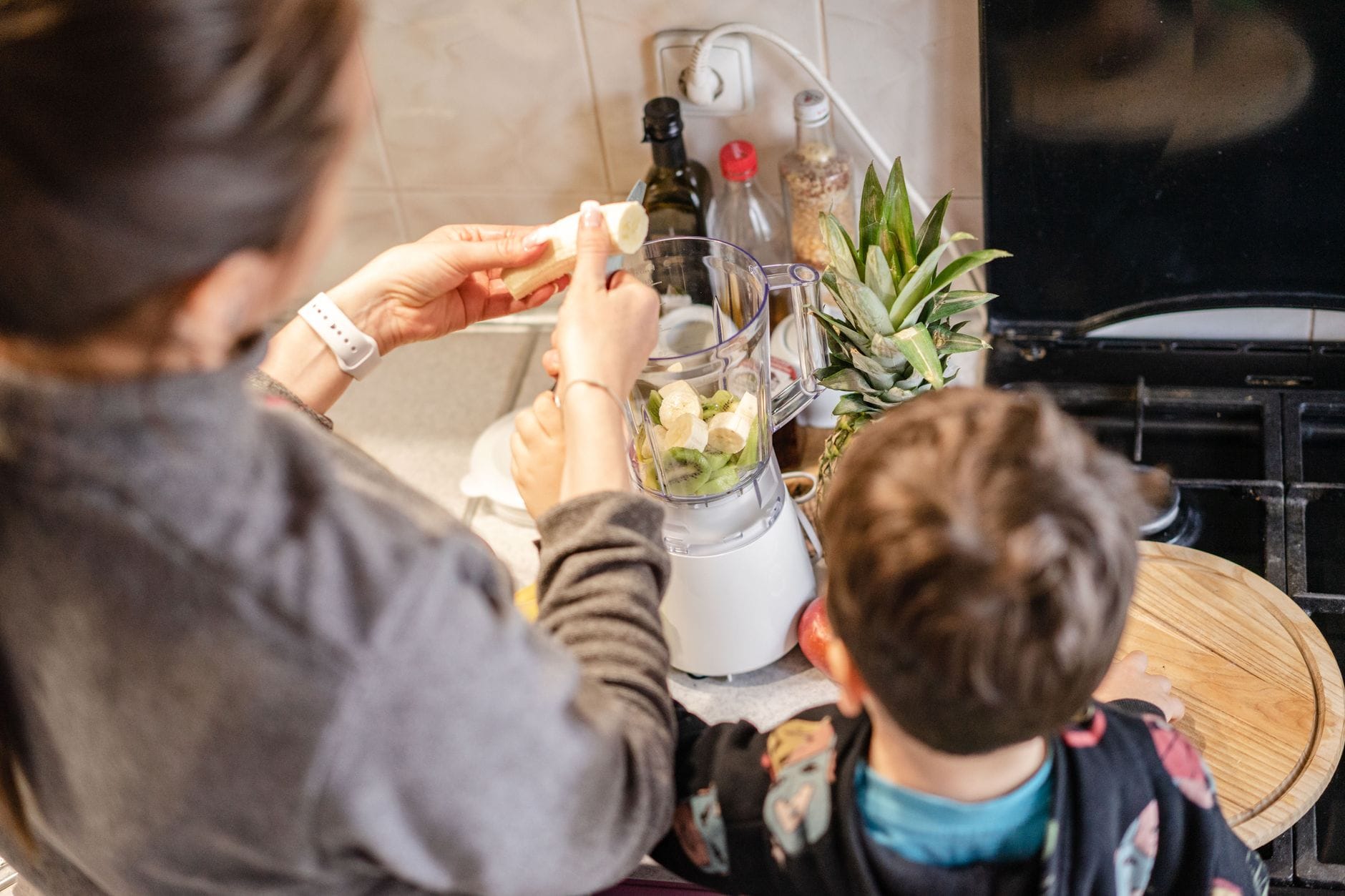
No single “brain food” cancels out chronic sleep loss, stress, or inactivity. Blueberries are fine. So are beans. The pattern matters more than the headline ingredient.
Make the healthy choice the easy one
This is where habit-stacking helps. If you already make coffee every morning, put a bowl, spoon, and oats on the counter the night before. If afternoons are your weak point, keep nuts, fruit, or hummus where you’ll actually see them.
Hydration matters too. Mild dehydration can make concentration feel harder than it needs to. A glass of water with meals is enough to help many people without turning the day into a tracking project.
If alcohol wrecks your sleep or leaves you foggy the next day, count that honestly. Your brain does.
Move every day, even if it’s in short bursts
Aim for consistency, not punishment
Exercise supports brain health in a few ways. It increases blood flow, helps mood, improves sleep, and may support the release of growth factors that help brain cells stay adaptable.
The best routine isn’t the hardest one. It’s the one you repeat. A brisk 20-minute walk most days will beat a brutal workout you do twice and quit. If you’re starting from zero, begin with 10 minutes after lunch.
Stack movement onto things you already do
Don’t wait for a perfect workout window. Attach movement to events that already happen.
Walk during a phone call. Do air squats while the kettle boils. Park a bit farther away. Take a 5-minute lap after dinner. These “movement snacks” sound small because they are small, and that’s the point.
If a habit takes more willpower every day than it gives back, it probably won’t last.
One caution matters here. If you have a medical condition, pain, dizziness, or long gaps in activity, adjust the plan with a clinician. More is not always better.
Protect attention and keep learning
Give your brain a real focus block
A distracted brain gets tired fast. Every ping, tab switch, and half-finished thought has a cost. If you want better focus, stop asking your brain to restart itself 200 times a day.
Try one 25-minute focus block with your phone in another room. Close extra tabs. Pick one task worth your best attention and do that first, before email turns your brain into confetti.
This doesn’t need monk-level discipline. It needs friction in the right place.
Choose a challenge you can enjoy
Brains like use. That doesn’t mean endless puzzles unless you love puzzles. The point is new effort, not fake productivity. The National Institute on Aging’s page on cognitive health and older adults is a good reminder that learning itself matters, while being honest that the evidence for a lasting cognitive benefit from these activities is not definitive.
Good options include learning a language, taking a dance class, playing music, writing by hand, trying a new recipe, or reading something that makes you slow down and think.
Common mistake: treating brain training like a separate hobby while your actual day is all autopilot. Real-world challenge counts too.
Lower stress so your brain can recover
Use short resets that work on normal days
Stress is part of life. Staying wound up all day doesn’t need to be. When stress stays high, sleep gets worse, attention narrows, and memory can feel slippery.
You don’t need an hour-long ritual. You need a few short resets that fit into a Tuesday. Try 10 slow breaths before opening your laptop. Take a 5-minute walk after a tense meeting. Sit outside for a minute before driving home.
Even a brief pause can help shift your nervous system out of constant threat mode.
Watch the habits that steal tomorrow’s energy
Some habits feel like relief and act like debt. Doomscrolling at midnight, skipping meals, overusing caffeine, and working straight through breaks can all make tomorrow harder.
A better question is, “What helps me recover without a rebound cost?” For many people, that’s light stretching, music, journaling, prayer, a quiet shower, or a short talk with someone safe.
If low mood, anxiety, or insomnia keeps sticking around, get help. Brain care includes mental health care.
Make connection part of the plan
Talk to people on purpose
Isolation can make the mind feel smaller. Conversation, laughter, and shared routine give the brain something useful to do. Memory, language, emotional regulation, and attention all show up in ordinary social life.
That doesn’t mean filling every hour. It means building contact into the week on purpose. A walking buddy, family dinner, volunteer shift, book club, or regular call all count.

A simple sample brain-healthy day
Here’s what a realistic day can look like:
| Time | Habit | Why it helps |
|---|---|---|
| Morning | Wake at the same time, drink water, get outside for light | Supports body clock and alertness |
| Breakfast | Eat protein, fibre, and fruit | Gives steadier energy |
| Midday | Take a 10 to 20-minute walk after lunch | Helps mood, blood flow, and focus |
| Afternoon | Do one 25-minute focus block | Protects attention |
| Evening | Eat a balanced dinner, connect with someone, dim screens | Supports recovery and sleep |
Nothing here is fancy. That’s the strength of it.
What this actually looks like on a Wednesday
A table like that reads fine until you hold it up against a day that already has a job in it. So here’s a worked example, made up but deliberately ordinary. Picture someone in their early forties with an office job, a 30-minute drive each way, and two kids who need to be out the door by 8:15. Almost nothing in that day is negotiable. The negotiable part adds up to maybe 45 minutes, and that 45 minutes is the entire budget.
The alarm goes at 6:40, and it goes at 6:40 on Saturday too, which is the part of this he likes least. He takes the first coffee out to the back step instead of drinking it at the counter. That’s it. That’s the whole morning light habit, it costs about six minutes, and it happens because the coffee was going to happen anyway. Breakfast is eggs on toast or plain yoghurt with nuts dumped in, made while the kids find their shoes. It isn’t planned. It’s just the two things he keeps in the house so he doesn’t leave on coffee alone.
At work, the focus block goes at 9:05, before he opens email, phone face down in a drawer. He tried scheduling it for after lunch and it never survived, because by then the day belongs to other people. At 12:40 he walks 15 minutes around the block outside the building. Not a workout, no change of clothes, no step goal. It’s the thing that keeps the 3 p.m. slump from being a crater.
Evenings are where the plan gets beaten up, and that’s normal. Two or three nights a week, practice or a late meeting means dinner is at 8 and nothing else on the list happens. The one rule that holds is that the phone charges in the kitchen, not the bedroom, because willpower at 11 p.m. isn’t a real thing to plan around. Watching something with his wife for 40 minutes counts as connection and recovery. It doesn’t need to be a book club.
Notice what he isn’t doing
There’s no supplement stack, no meditation app, no journal, no cold plunge, and no week where he hits every target. Four things repeat: a fixed wake time, coffee outside, one protected focus block, and one short midday walk. Everything else is optional and often doesn’t happen. That’s roughly 45 minutes of deliberate change in a day he was going to live anyway, and it survives a bad week precisely because there isn’t much of it to collapse. A routine you can execute at 70 percent while exhausted beats a better one you abandon in March.
Common mistakes that break a good routine
Trying to change everything at once
People often build a plan they can only follow on their best day. Then life happens, and the plan disappears.
Start with two anchors, not ten. A steady wake time and a daily walk can carry more weight than a colour-coded schedule nobody keeps.
Treating supplements like a shortcut
Supplements have their place in some cases, especially when a deficiency is involved. Still, they don’t replace sleep, movement, food, stress care, or treatment for health problems.
If you have high blood pressure, diabetes, sleep apnea, hearing loss, or persistent depression, taking care of those is part of a brain health routine too. The National Institute on Aging’s cognitive health guidance makes the same point, and singles out blood pressure in particular, noting that high blood pressure in midlife raises the risk of cognitive decline later on.
The routine that matters is the one you keep
A better brain day usually comes from small, repeatable choices. Sleep a bit more consistently. Eat in a way that gives you steadier energy. Move, focus, recover, connect, repeat.
That’s not flashy. It’s better than flashy. A brain-healthy routine works because it fits a real life, including the messy parts.