

A World Cup trip can be the best sports week of your life, or a blur of lines, missed trains, dead phone batteries, and overpriced airport sandwiches. The difference is rarely luck. It’s planning.
This World Cup fan guide is for the supporter who wants the songs, the color, the goosebumps, and also wants to make kickoff without a meltdown. Start with the boring stuff early, and the fun part gets a lot better.
Plan the trip like a bracket, not a bucket list
The first mistake fans make is trying to do too much. The 2026 World Cup spans the United States, Canada, and Mexico, which means this is not a short-hop tournament. It is a continent-sized trip.
Pick the matches you care about most, then build around them. If you can cluster cities in the same region, do it. If two dream fixtures force you into back-to-back flights and a border crossing, one of them may need to go.
If your whole plan falls apart when one flight is late, the plan is too tight.
Leave a buffer day between major moves when you can. Delays happen. Traffic happens. Stadium areas get crowded. You’ll enjoy the trip more if every transfer doesn’t feel like stoppage time.
Where you stay matters almost as much as where you sit. A hotel near a transit line or in a central area usually beats a cheaper room far out on the edge. That trade-off gets old fast when you’re standing on a platform at midnight.
This quick comparison helps when you’re booking:
| Stay type | Best for | Watch out for |
|---|---|---|
| Near the stadium | Early kickoffs and short post-match trips | Higher prices, less to do on rest days |
| Downtown or near transit | Sightseeing, food, flexible transport | Longer ride on match day |
| Airport area | Early flights and one-night stops | Weak atmosphere, extra travel into the city |
If you’re deciding between stadium access and a better neighborhood, Ticketmaster’s 2026 World Cup travel guide is a useful starting point. Then compare it with official stadium and host city updates before you book anything.
Double-check kickoff times, local time zones, and border rules early. A passport that expires too soon, or a visa you assumed you didn’t need, can wreck the whole trip before it starts.
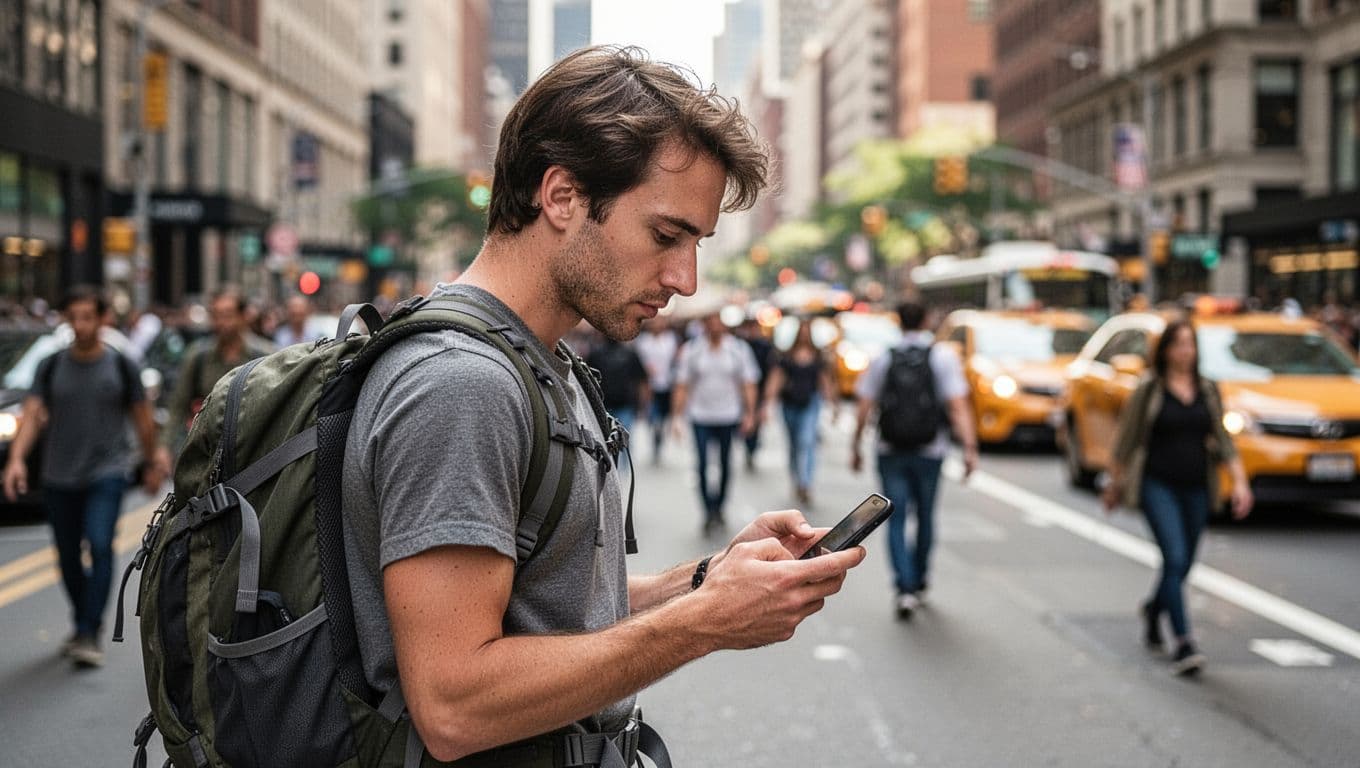
Pack for miles, weather swings, and security lines
Fans love jerseys, flags, scarves, and the whole costume change. Fair enough. But your bag still needs to work in the real world.
You’ll walk a lot. More than you think. Stadium perimeters are huge, transit stops may be crowded, and fan zones can add another few miles before you even reach your seat. Shoes beat style every time.
Pack light enough that moving cities doesn’t become its own event. One carry-on and a small personal bag is the sweet spot for most fans. If you’re checking luggage for a short tournament run, you’re asking baggage claim to mess with your mood.
A smart World Cup packing list looks like this:
- Comfortable walking shoes you’ve already broken in.
- One light rain layer and one extra shirt for hot days.
- A compact power bank and charging cable.
- Passport, ticket details, and backup copies stored separately.
- A card you can tap for transit and daily spending.
- Basic meds, sunscreen, and a refillable bottle if venue rules allow it.
- A small, stadium-compliant bag, not your giant travel backpack.
Bag policy matters. Some stadiums allow only small bags, clear bags, or no bag at all beyond essentials. Check each venue before match day, not while you’re getting dressed.
Don’t assume a screenshot will save you if the official ticket system uses live or rotating entry codes. Keep your phone charged, stay logged in, and know your account password. Old-school backup still helps, though. Store reservation numbers, hotel addresses, and emergency contacts somewhere you can reach offline.
The other packing truth nobody likes hearing is simple: bring fewer clothes. No one remembers your fourth shirt. Everyone remembers whether you made kickoff.
Match day is won before you reach the gate
The match itself lasts about two hours. The rest of the day is logistics, crowds, lines, walking, waiting, and one giant pulse of noise. If you get the routine right, the whole day feels easier.
Start early. Get to the area sooner than feels necessary, especially for big fixtures. Security lines can move fast, or not at all. Public transport can be smooth, or suddenly packed shoulder to shoulder. Early arrival buys you room to breathe.
Know your route in and your route out. Those are two different problems. A train station that felt simple at noon can feel like a maze after full time when thousands of fans head there at once.
Set one meeting point with your group before you enter. Phone service can slow down in dense crowds. If one person gets stuck at the gate, or ends up in the wrong entrance line, you need a fallback that doesn’t depend on messaging.
A few match-day habits pay off every time:
- Eat before the final rush.
- Carry less than you think you need.
- Use the restroom before the line turns absurd.
- Keep your ticket ready before you reach the scanner.
- Check the weather one more time on the way out.
Treat the final whistle like the start of another transit rush, because that’s exactly what it is.
After the match, don’t sprint blindly with the crowd. Step aside, get your bearings, and confirm the right station, pickup point, or walking route. Ten calm minutes can save forty chaotic ones.
If you’re buying tickets, stick to official channels. Fake or invalid tickets are a brutal way to learn a lesson. If the seller is vague, the price is suspicious, or the transfer process sounds messy, walk away.
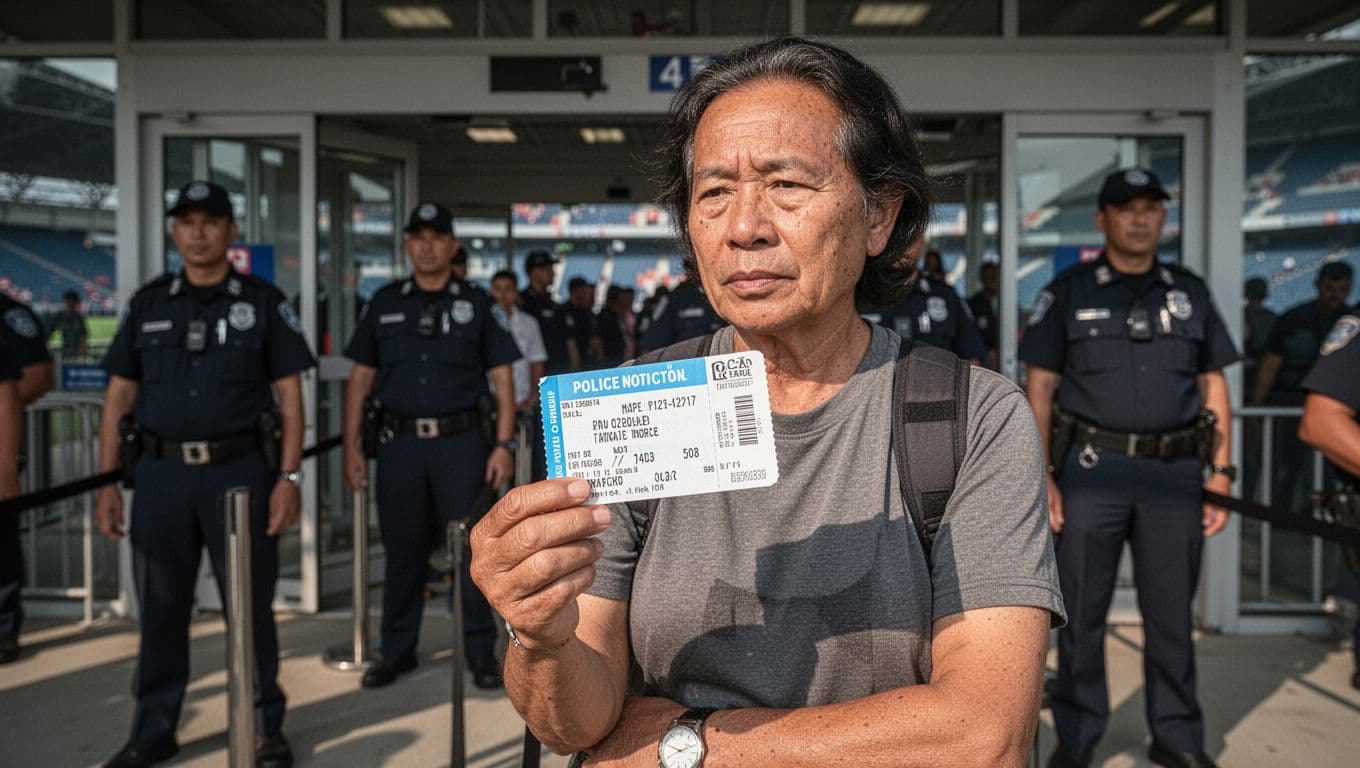
Keep your budget, phone, and passport in one piece
A World Cup drains money in small bites. One surge-priced ride, two stadium beers, a last-minute hotel, and suddenly you’ve spent next month’s grocery budget before the quarterfinals.
Build your spending plan around the big five: flights, hotels, match tickets, city transport, and food. Once those are locked, the daily budget gets easier. Book the expensive pieces early, because prices can jump fast once schedules firm up.
The easiest places to overspend are predictable:
- Airport transfers you could replace with rail or metro.
- Hotels far from transit that force you into taxis.
- Food bought right next to the stadium.
- Souvenirs bought in panic mode on match day.
- Last-minute flights between cities you should have buffered.
Use public transport when it makes sense. In most host cities, it will beat driving near major stadium zones for price and stress. Keep a little local currency if you want it, but cards and mobile payments will do most of the work.
Your phone is your ticket wallet, map, translator, camera, ride planner, and emergency contact. Protect it like a starter in a knockout match. Bring a power bank, download offline maps, and look at eSIM or roaming options before you travel.
Documents need the same treatment. Keep digital and paper copies of your passport, insurance, hotel bookings, and ticket confirmations. Store them separately from the original passport. If you’re traveling for matches in the United States, the GOV.UK World Cup 2026 travel advice for the USA gives a good example of the kind of entry, safety, insurance, and legal information fans should review through official sources.
Travel insurance isn’t glamorous, but missed connections and medical bills are even less glamorous. Buy it.

Make the trip bigger than the 90 minutes
A lot of first-time fans turn the tournament into a race. Airport, hotel, match, sleep, repeat. That’s one way to do it, but it leaves a lot on the table.
Give each city at least one pocket of unplanned time. Wander a neighborhood. Find a cafe away from the main tourist strip. Watch another match in a fan zone or local bar. The World Cup atmosphere often lives as much outside the stadium as inside it.
Rest matters too. If you stack late nights, early trains, beer, heat, and endless walking, your energy falls off a cliff by day four. A slower morning can be a better move than squeezing in one more attraction you’ll barely remember.
Traveling with friends? Sort the basics early. Who books what, who wants nightlife, who wants museums, who is always late, who disappears for photos. The best group trips aren’t the ones with identical plans. They’re the ones where everyone knows the plan can bend.
Take care of your safety without acting scared. Stay aware in crowds, use licensed transport, keep valuables zipped up, and don’t flash passports or cash around like you’re in a movie.
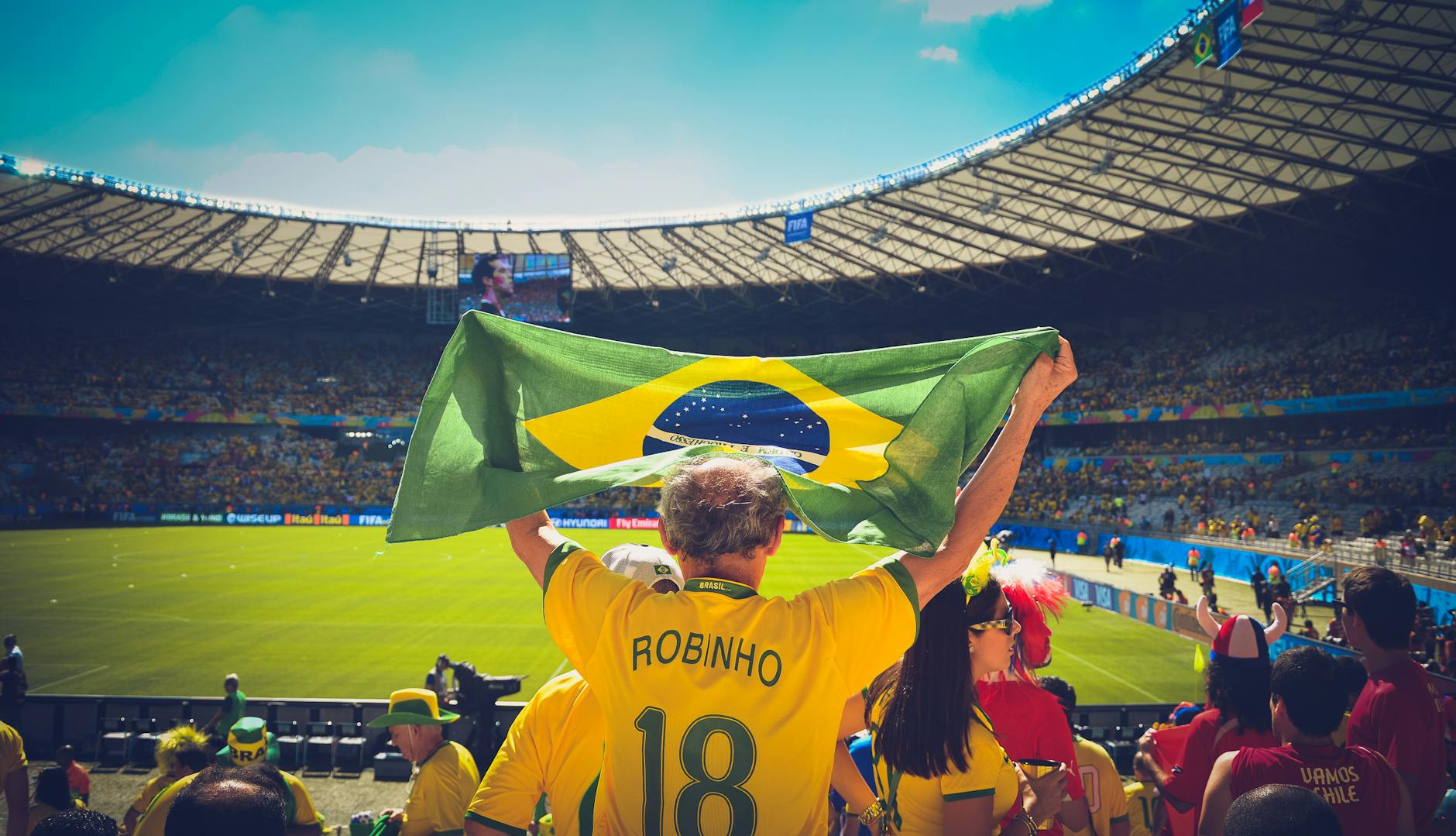
Photo by Caio
The sweet spot is simple: do enough planning that the trip runs smoothly, then leave enough room for the weird, joyful moments you couldn’t schedule anyway. That’s the chant in the street you join by accident, the stranger who helps you find the right train, the meal you still talk about months later.
Final thoughts
The fans who have the best World Cup trips usually aren’t the ones chasing the most cities. They’re the ones with a realistic plan, good shoes, a charged phone, and enough breathing room to enjoy what they came for.
Book early, travel light, leave buffer days, and treat match day like a full-day event. Do that, and you’ll spend less time fixing problems and more time doing the one thing that matters, being there when the stadium lifts.