
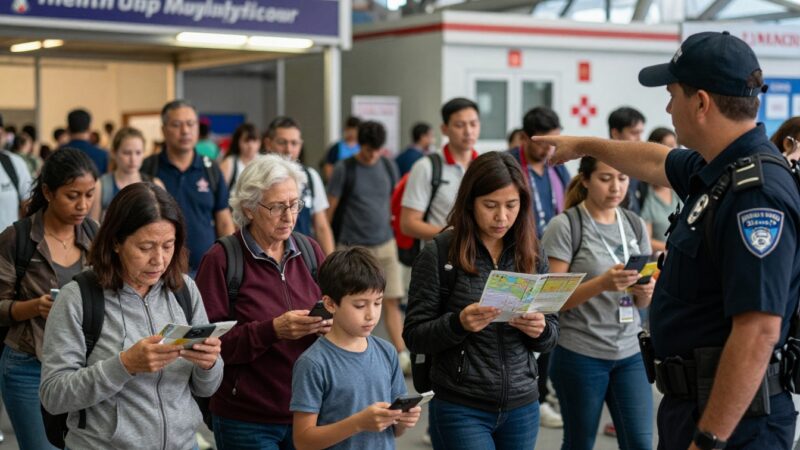
A packed World Cup match can turn in a hurry when crowd safety isn’t built into the plan. One slow gate, one blocked stairwell, one goal celebration, and the crowd stops feeling like people and starts moving like water.
The good news is that most crowd-related injuries are preventable. A little planning, better positioning, and fast decisions can help you avoid crush points, falls, heat trouble, and that awful moment when your group gets split in half.
If you want to enjoy the match without getting swallowed by the rush, start before you even leave for the stadium.
- World Cup crowd safety starts before you leave for the stadium
- How to move safely through entry lines, stairs, and concourses
- Recognize dangerous crowd conditions in the stands and fan zones
- What to do if a crowd surge or crush starts around you
- Leaving the stadium safely without getting caught in the postgame rush
- Simple match-day habits that make a big difference
- Conclusion
World Cup crowd safety starts before you leave for the stadium
The biggest safety choice often happens at home. Know your gate number, your seating section, the nearest exit, and where the medical station is before you arrive. Save a screenshot of the venue map in case your signal drops.
If one gate looks jammed, a backup gate can save you from getting pulled into a slow, tense line. Official venue updates matter here, especially for bag rules, entry timing, and route changes. FIFA’s fan safety updates for 2026 venues are worth checking before match day.
Arriving early helps more than people think. It spreads the crowd, lowers stress at screening points, and keeps you out of that last-minute surge when everyone realizes kickoff is close. You can learn more about stress in Stress Management That Works in Real Life.
Pack light so you can move fast if the crowd shifts
Mobility is safety. A small hands-free bag beats a bulky backpack every time. Keep your phone, ID, ticket, and payment card easy to reach, but zipped up and close to your body.
Loose straps, shopping bags, and jackets tied around your waist can snag on rails and other people. Comfortable, closed-toe shoes matter too. If you need to change direction fast on stairs or ramps, flimsy shoes become a problem.
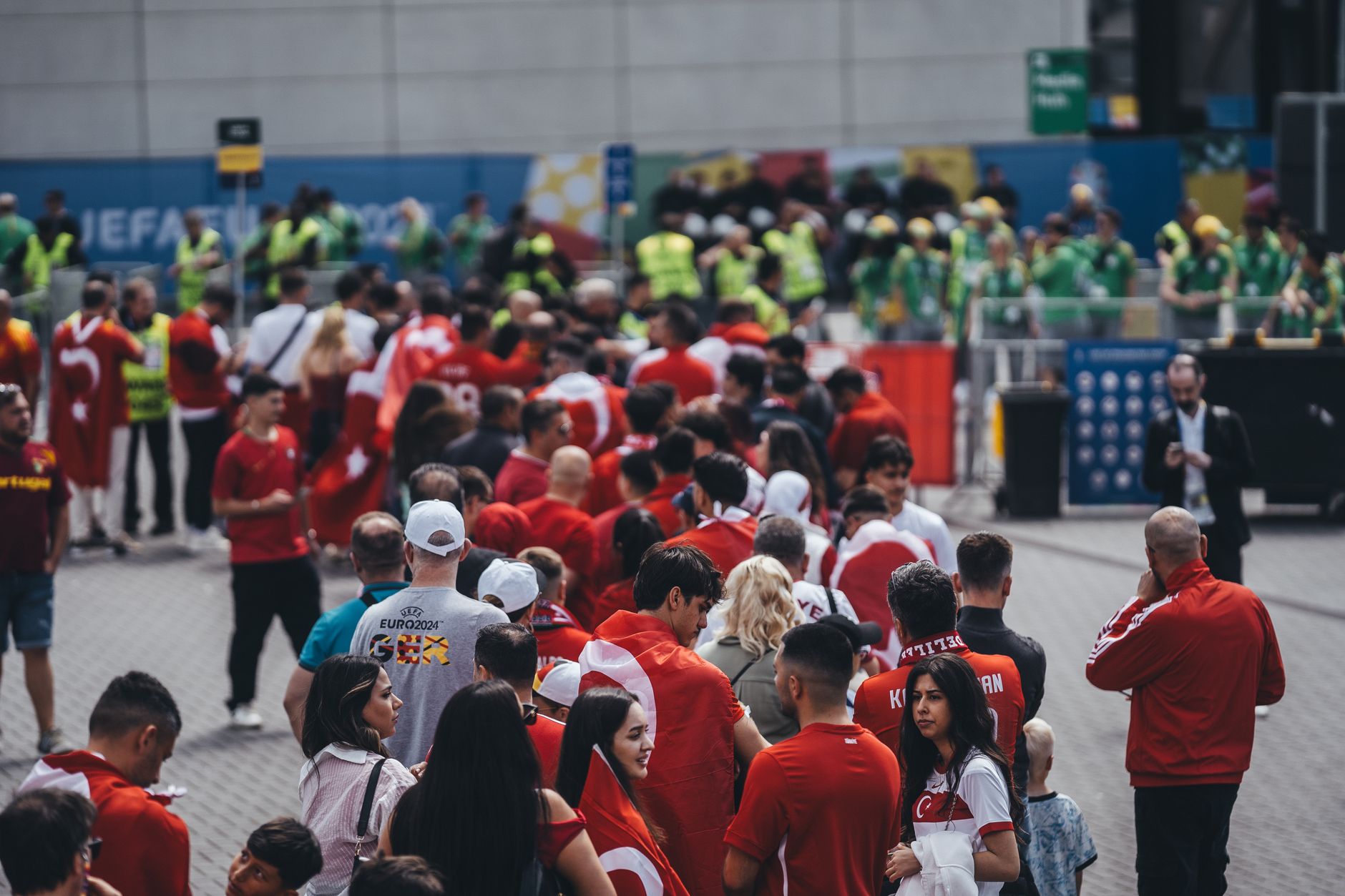
Photo by Omar Ramadan
Set meeting spots for kids and groups before kickoff
Pick two meeting points inside or near the venue, plus one outside. Do it before you enter. Phones can fail in dense crowds, and battery drain gets worse when networks are overloaded.
Children should know your full name, not just “Mom” or “Dad.” They should also know to stop moving and find a uniformed staff member if they get separated. For older relatives or anyone with limited mobility, decide who stays with them at all times. Don’t improvise once the concourse fills up.
How to move safely through entry lines, stairs, and concourses
Watch for bottlenecks at stairs, doors, and turnstiles
Most crowd injuries don’t happen in open space. They happen where space narrows, pace changes, or people stop suddenly. Think turnstiles, stair landings, restroom corridors, and doors that open into a tight hall.
Slow down before the pinch point, not inside it. Leave a little room between you and the person ahead. That small gap gives you time to react if the line jerks or compresses.
Stadium safety guidance for large crowds makes the same basic point, keep your eyes up and know where open space is before you need it.
Stay near the edge of moving crowds when possible
If you have a choice, avoid the center of a dense moving crowd. The outer edge usually gives you more room to steady yourself, step aside, or change direction.
Don’t push against the flow unless you have a clear escape route. In a thick crowd, force travels body to body. That’s why crowd crush injuries happen. It isn’t about one person shoving hard. It’s about pressure building until people lose the space to move their feet or expand their chest.
Help children and older companions stay visible and connected
Dense areas are not the place for everyone to walk side by side. Put one adult in front and one behind if you’re with kids. In the tightest spots, hold hands or keep a hand on a shoulder.
Bright shirts or hats help you spot each other fast. If someone in your group moves slowly, let the crowd pass first when you can. Ten calmer seconds beat getting trapped in the middle of a rushing line.
Recognize dangerous crowd conditions in the stands and fan zones
Learn the early signs of a crowd surge or crush
Trust the signals your body gives you. If people are pressing from the sides, your arms feel pinned, or your chest feels tight, the space is no longer safe.
Another warning sign is losing control of your own steps. If the crowd moves you without your choice, pressure is building. That’s the moment to shift toward an edge, an aisle, or any open lane.
If you can’t comfortably lift your arms or take a full breath, leave the area right away.
Know when to leave a section before it gets too tight
Fans wait too long because they don’t want to miss the big moment. That’s how people end up stuck. If aisles are blocked, tempers rise, or repeated pushing starts, go early.
This matters in fan zones too. In general admission areas, the safest spot is often off-center, with a clear line to the side. In reserved seating, an aisle seat or easy aisle access is often better than the “perfect” central view if you want a faster exit.
Official FIFA safety and security operations guidance stresses crowd flow, clear routes, and quick emergency access. Fans benefit from thinking the same way.
Spot heat, dehydration, and minor injuries before they worsen
Heat makes everything worse. Long lines, direct sun, heavy clothing, alcohol, and excitement can turn mild dehydration into dizziness fast.
Watch for headache, cramps, heavy sweating, confusion, stumbling, or sudden fatigue. A small blister can also become a fall risk on stairs. Drink water before you feel thirsty, use shade when you can, and deal with little problems early, not after the crowd gets thicker.
What to do if a crowd surge or crush starts around you
Protect your chest, keep your balance, and move with the flow
If the crowd suddenly compresses, your first job is to stay upright. Turn slightly sideways if you can. Keep your arms bent in front of your chest. That creates a little breathing room and helps protect your ribs.
Plant your feet as best you can and take short steps with the movement. Fighting the entire crowd usually makes you lose balance. Controlled movement is safer than trying to bulldoze your way out.
If you fall and can’t get up at once, curl on your side, protect your head, and try to rise when the pressure eases enough to move.
Move away from trouble instead of filming it
Don’t stop to record what’s happening. A phone in your face means you miss gaps, railings, steps, and staff directions.
Look for open space, not the shortest route. That might be a side aisle, a less-used stairwell, or simply the edge of the crowd. Crowd safety tips for attending events also warn against putting belongings on the ground or getting distracted when conditions change fast.
Call for help fast if someone falls, faints, or cannot breathe well
Trouble breathing, chest pain, fainting, confusion, or a head strike need quick attention. Alert the nearest steward, security worker, or medic right away. If you’re in the stands, point clearly to the person and keep your directions short.
Help others only if you can do it without getting knocked over yourself. In a packed section, the safest move may be getting staff to the person instead of trying to drag them through the crowd.
Leaving the stadium safely without getting caught in the postgame rush
Pick the calmest route out, not always the fastest one
The match ends, everyone stands at once, and the stadium squeezes toward a few routes. That’s when patience pays off.
If your section is jammed, wait a few minutes if staff allow it. The nearest exit is often the most crowded. A slightly longer route with better spacing is usually safer, especially if you’re with children or older relatives. A guide to stadium crowd control makes the same point, bottlenecks are the real problem, not walking distance.
Stay together until you are clear of the venue
Don’t decide to “meet outside somewhere.” That’s how groups get scattered across stairs, security lines, and transit queues. Regroup before you leave your row or section.
Once you’re outside, move away from the gates before stopping. Standing still near an exit creates another obstacle for the people behind you. If you need rideshare pickup, choose the official pickup zone and expect delays.
Take care after the match if someone feels unwell or injured
Sit down, cool off, and drink water if someone looks pale, shaky, or overheated. Ongoing pain, shortness of breath, vomiting, or a possible head injury should not get brushed off as “just the crowd.”
A rough exit can leave people more rattled than they realize. Check in with everyone before the trip back.
Simple match-day habits that make a big difference
Choose comfort and mobility over heavy gear
Light layers, stable shoes, and one free hand go a long way. You don’t need to carry your whole day on your back. You need to be able to pivot, climb stairs, and keep your balance if the crowd shifts.
That also goes for valuables. Keep them secure, but don’t bury them so deep that you stop in a moving crowd to search for them.
Stay alert to your surroundings, even during the biggest moments
Goals, chants, and celebrations pull everyone’s attention in one direction. That’s exactly when aisles clog and people stop watching their feet.
Do quick scans. Where’s the nearest side exit? Is the aisle still clear? Are people behind you getting pushy? If a spot feels wrong, don’t debate it for five minutes. Move.
Conclusion
Packed stadiums don’t have to feel dangerous. Most problems start with a few predictable things, tight gates, blocked aisles, heat, bad timing, and people waiting too long to react.
The smartest version of World Cup crowd safety is simple. Know your routes, stay out of bottlenecks, keep your group close, and act early when the space starts to feel too tight.
The match should be the memory, not the scramble getting in or out. A calm plan gives you a much better shot at that.