Most people think about food, exercise, and sleep first when they think about ageing well. That’s the usual list. But social connection belongs there too.
Connection is the strand people underestimate most, and our guide to longevity puts it beside the rest.
A growing body of research links strong relationships with longer life and better health. On the other side, loneliness and isolation are tied to worse outcomes, including poorer mental health, more stress, and a higher risk of early death. That doesn’t mean friendship is a magic shield. It does mean your relationships are part of your health picture.
If you want to understand social connections and longevity, it helps to look at both the evidence and the everyday habits behind it. A 2024 Lancet Healthy Longevity editorial, “Supporting social connections across the life course,” argues that connection belongs in public health planning rather than only in personal advice.
The broad pattern is hard to ignore. People with stronger social ties tend to live longer and stay healthier. They also tend to function better as they age. That shows up across many studies, in different countries, and in different age groups.
- Social Connections and Longevity: What Studies Show
- Why scientists are careful about cause and effect
- How relationships may support longevity from the inside out
- Less stress can mean less wear and tear on the body
- Good company often leads to better habits
- Connection can protect mental health and help you bounce back
- Why loneliness and social isolation can shorten health span
- Which social ties seem most protective as we age?
- Simple ways to build stronger social connections at every life stage
- Conclusion
Social Connections and Longevity: What Studies Show
Holt-Lunstad, Smith, and Layton’s 2010 PLoS Medicine meta-analysis of social relationships and mortality risk, which pooled 148 studies and more than 300,000 people, found that those with stronger social relationships had about a 50% higher likelihood of survival than those with weaker ties. That doesn’t mean social life guarantees extra years. It means the association is large enough to matter.
More recent public health summaries point in the same direction. According to the US Surgeon General’s advisory on social connection, weak social connection is linked with higher risk of early death, heart disease, stroke, and dementia. Studies also suggest that older adults who stay socially active often have better physical function and slower decline.
Just as important, the research doesn’t say you need a huge circle. A few dependable relationships and regular contact may be enough to make a difference.
Why scientists are careful about cause and effect
This is where the conversation needs some honesty. Most research on social connection and longevity is observational. That means it can show a strong link, but it can’t prove a simple chain of cause and effect.
Healthier people may find it easier to go out, return calls, join groups, and keep plans. People dealing with pain, disability, grief, or depression may pull back. So the relationship goes both ways. Researchers try to sort this out by looking at long-term studies, large groups, and possible body-level pathways. The result is still persuasive, but it isn’t magic or destiny.

How relationships may support longevity from the inside out
Why would a phone call, a walking buddy, or a weekly lunch matter to your body? Because relationships don’t only affect mood. They can shape stress, habits, recovery, and how supported you feel when life gets hard.
Less stress can mean less wear and tear on the body
Supportive relationships can soften the stress response. When you feel safe with other people, your body may spend less time in fight-or-flight mode. Over time, that can matter for blood pressure, inflammation, sleep, and immune function.
Think of it like this: stress is not only a feeling. It’s a body event. If you face every problem alone, the strain can pile up faster.
Good company often leads to better habits
People help us stay on track in ordinary ways. A spouse notices when you skip meals. A friend gets you out for a walk. A neighbour checks in after a medical appointment. A group class gives your week some structure.
That kind of support can affect movement, eating, sleep, medication use, and follow-up care. It can also lower the odds of using alcohol, junk food, or endless screen time as a coping tool. Social ties don’t need to be dramatic to help. Often, they work through repetition.
Connection can protect mental health and help you bounce back
Feeling supported can lower loneliness and ease symptoms of anxiety or low mood. It can also help during life changes that hit health hard, such as retirement, caregiving, illness, or the loss of a partner.
When people feel that someone would notice if they disappeared, daily life often changes. Motivation improves. Help-seeking gets easier. Recovery can feel less steep. No relationship can remove pain, but feeling less alone can change how heavy it feels.
Why loneliness and social isolation can shorten health span
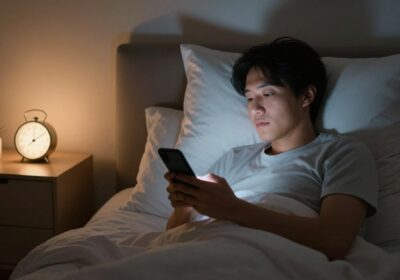
Loneliness and isolation often travel together, but they aren’t the same thing. Both can chip away at health span, meaning the years you live with decent function, independence, and energy.
Loneliness is a feeling, social isolation is a situation
Loneliness is the painful feeling that your social needs aren’t being met. Social isolation is having little contact with other people. You can feel lonely in a crowded room, and you can feel content with a small circle.
That distinction matters. A person may have family nearby and still feel unseen. Someone else may live alone and feel connected through one close friend, a faith group, or a weekly volunteer shift.
The health risks that often build up over time
The risks tend to build slowly. Sleep gets worse. Mood drops. Memory and motivation can slip. Medical issues may go unchecked because no one notices, or because the person feels too drained to act.
The problem is large enough that the World Health Organization’s 2025 report on social connection treated it as a serious public health issue. The same summary highlighted links between connection, lower inflammation, better mental health, and reduced risk of early death.
Older adults are not the only group at risk. Caregivers can become socially cut off. Remote workers may go days without in-person contact. People who move, retire, lose a partner, or manage chronic illness can also see their social world shrink fast.
Which social ties seem most protective as we age?
When it comes to health, quality usually beats quantity. A packed contact list is not the goal. Trust, comfort, and consistency matter more.
Close, dependable relationships often do the most
The most protective ties are often the ones where you can ask for help without shame. That might be a partner, sibling, adult child, best friend, or neighbour who has shown up for years.
These relationships can offer emotional support, practical help, and a sense of safety. They also make it easier to speak honestly about pain, fatigue, money stress, or memory changes. That honesty matters.
Community and group ties add purpose and belonging
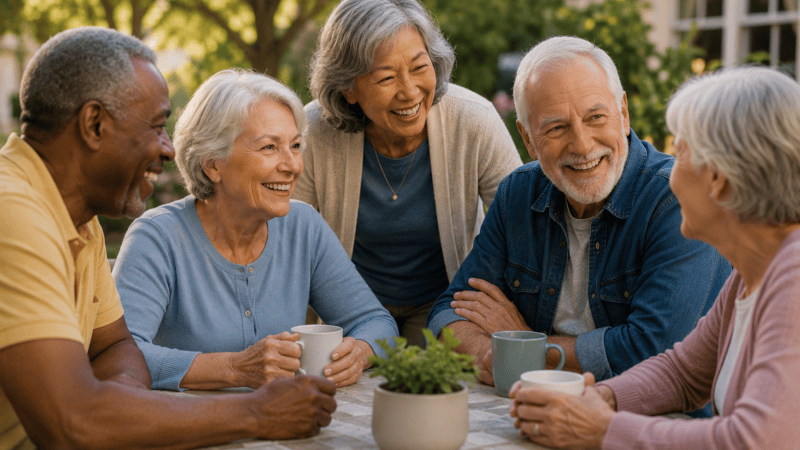
Close relationships are powerful, but they aren’t the whole story. Group ties matter too. Clubs, faith communities, volunteer teams, walking groups, and activity classes can give people routine and a reason to leave the house.
In daily life, community can fill gaps that family and close friends can’t always cover. It brings belonging, shared identity, and small moments of recognition.
Not every relationship is helpful, and that matters too
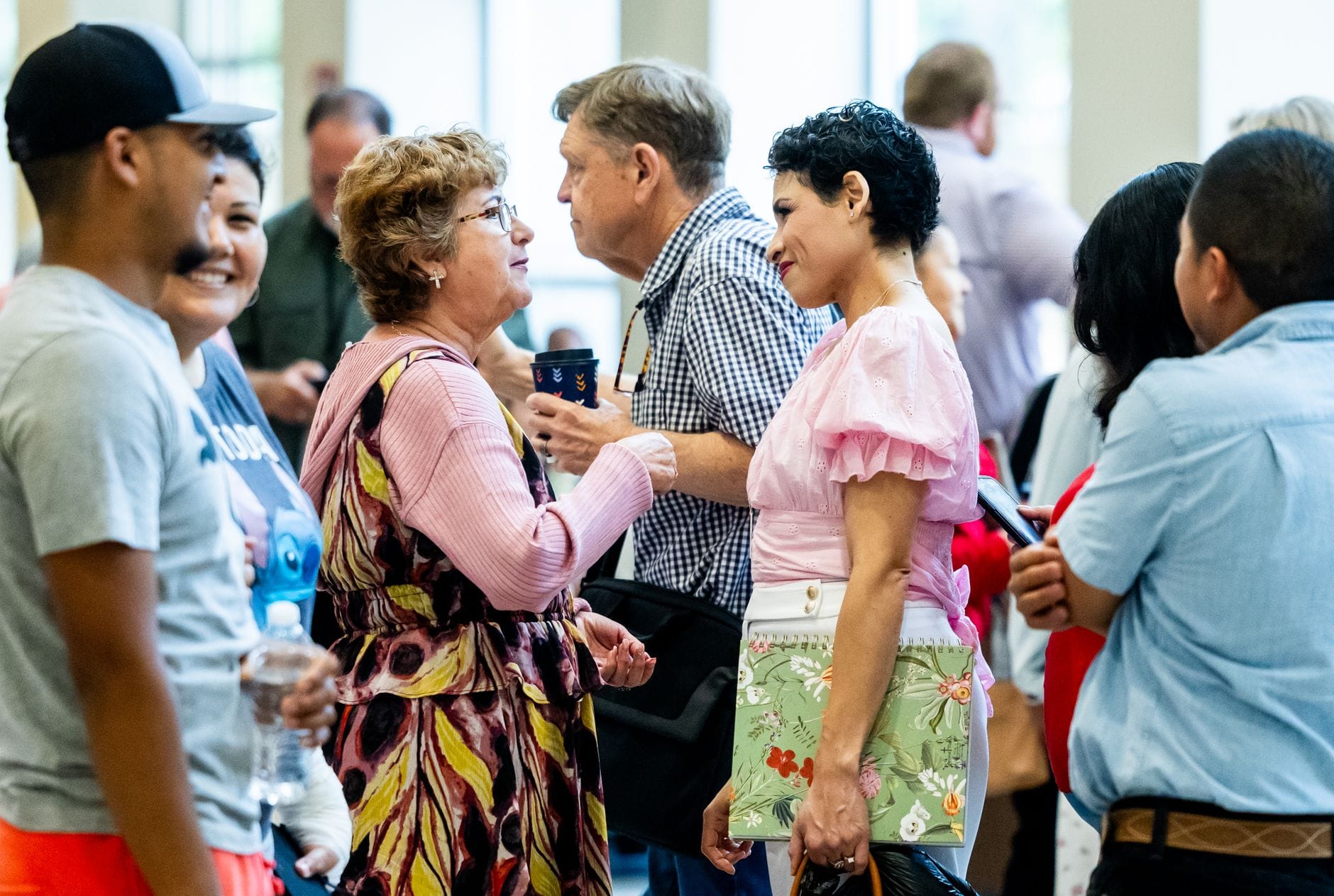
More contact is not always better. Conflict-heavy, draining, or controlling relationships can raise stress instead of easing it. If a relationship leaves you tense, dismissed, or exhausted every time, it may not offer the same health support as a steady, respectful one.
A small circle of healthy ties can do more than a large circle full of friction.
Simple ways to build stronger social connections at every life stage
You don’t need to become the most social person in town. You need a few workable ways to stay in touch, and a little repetition.
Small habits that make staying connected easier
Start with something light. Send one check-in text every morning. Put a standing phone call on the calendar. Share a weekly walk, a coffee break, or a simple meal plan with someone nearby.
Tiny rituals beat vague good intentions. If you’re busy, make connection part of something you’re already doing. Call while you fold laundry. Walk with a neighbour instead of walking alone. Turn one errand into a shared outing.
How to stay socially active when time, energy, or distance is limited
Remote workers can benefit from scheduled co-working sessions, lunch meetups, or local classes that get them out of the house. Caregivers may need short, flexible contact, such as ten-minute calls, text threads, or support groups that understand their schedule.
For older adults or people with limited mobility, distance doesn’t have to end connection. Video chats, phone calls, faith community outreach, library programmes, and local senior centres can all help. The best option is the one you can keep doing without extra strain.
The best next step is consistency, not perfection
Don’t try to rebuild your whole social life in a week. Pick one or two people. Pick one group. Show up again next week.
That is enough to start. Social connection and longevity are linked through steady patterns, not perfect ones. A regular call, a recurring class, or a monthly visit may look small, but small things are often what last.
Conclusion
A longer life is not built on nutrition and exercise alone. Connection matters too. Strong relationships are linked with lower stress, better mental health, healthier habits, and more support when life gets rough.
That doesn’t make social ties a cure-all, and it doesn’t erase the role of money, illness, genetics, or access to care. It does mean relationships belong in any honest conversation about healthy ageing.
One call, one walk, one visit, one group, that’s enough to begin.