
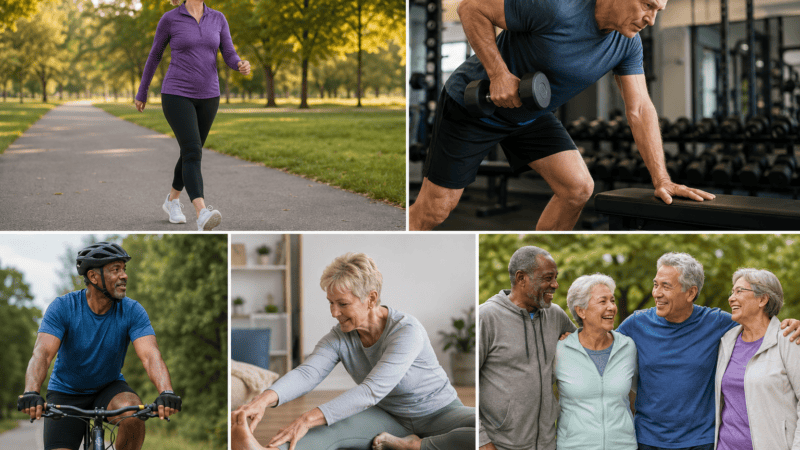
Longevity sounds abstract until it gets personal. It means more years, yes, but also more years where you can walk well, think clearly, lift your own bags, and live on your terms.
Exercise is one of the strongest tools we have for that. Research keeps circling back to the same pillars: walking and other cardio, strength work, plus balance and mobility. The goal is not only a longer life, but a longer healthspan.
- What research really means by longevity and health span
- Walking and other aerobic exercises that support a longer life
- Why strength training is one of the best longevity exercises
- Balance, mobility, and flexibility for staying active as you age
- A practical weekly routine for beginners, older adults, and busy adults
- Conclusion
What research really means by longevity and health span
Lifespan is how long you live. Healthspan is how long you stay functional, independent, and able to do ordinary things without a lot of help.
That difference matters. Most people don’t want extra years that are shaped by frailty, falls, and loss of mobility. They want years that still feel like their own.
The research here comes from a mix of long-term cohort studies, meta-analyses, exercise trials, and public health guidance. No one is locking people into a 40-year randomized trial to test who lives longest, so a lot of the best data is observational. That means it shows strong links, not perfect proof of cause and effect.
Still, the overall picture is hard to ignore. Exercise improves blood pressure, insulin sensitivity, aerobic capacity, muscle strength, bone health, mood, and fall risk in controlled trials. At the same time, large population studies keep finding that active people tend to live longer and stay healthier. A review in PubMed Central on exercise and longevity makes the same point, regular activity helps, and you do not need extreme training to get the payoff. You can learn more about live longer in Longevity Science: What It Means to Live Longer and Better.
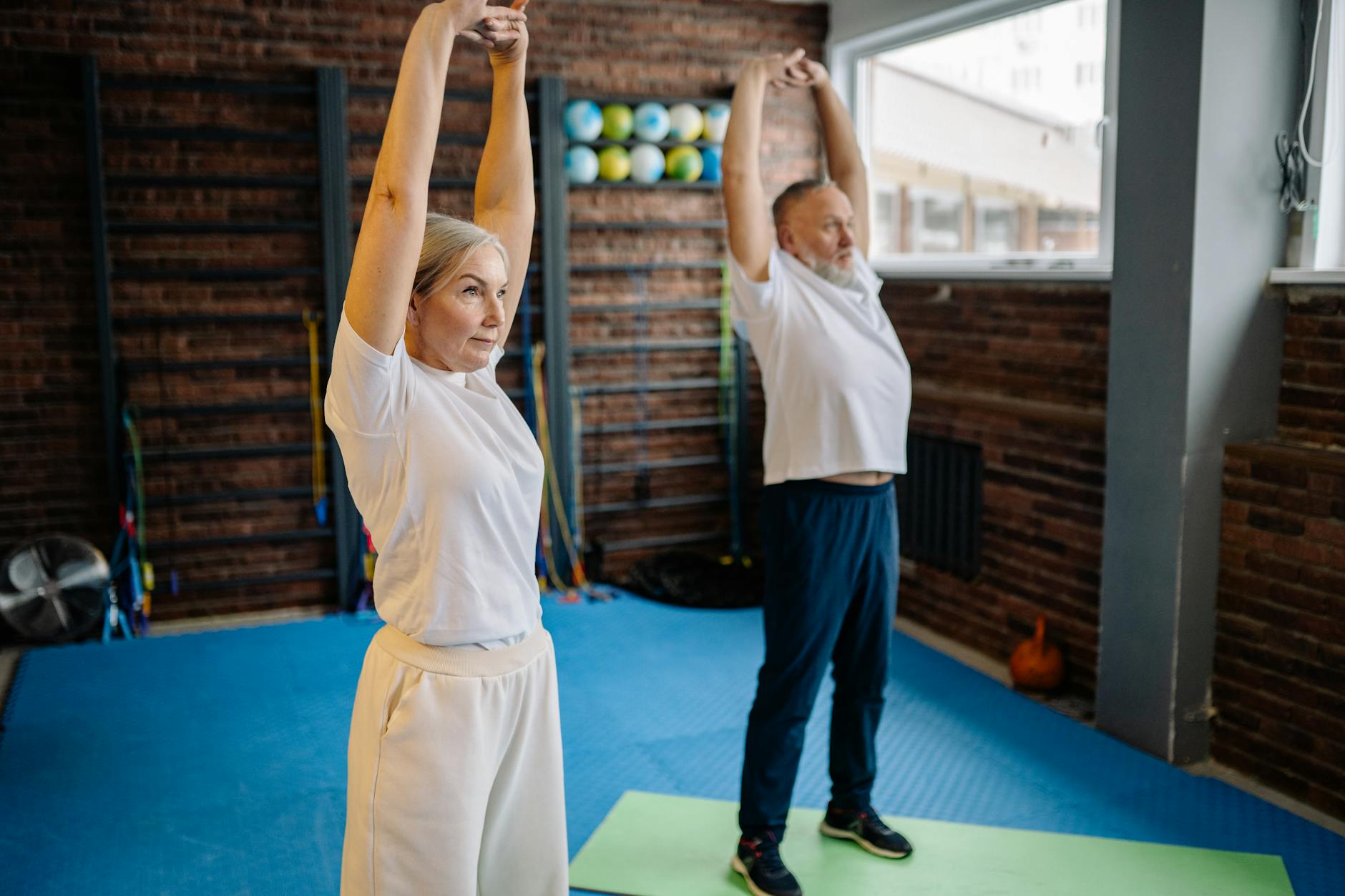
Photo by Yan Krukau
Walking and other aerobic exercises that support a longer life
If one type of exercise keeps showing up in longevity research, it’s aerobic activity. Walking, cycling, swimming, jogging, and similar work are linked with lower mortality risk and better heart and metabolic health. Current guidelines still land in a familiar range, about 150 to 300 minutes a week of moderate activity, or 75 to 150 minutes of vigorous activity.
Cardio matters because cardiorespiratory fitness matters. When your heart, lungs, blood vessels, and muscles handle effort well, daily life gets easier. So do stairs, errands, travel, and recovery from illness.
Why brisk walking is such a strong starting point
Walking is hard to beat because it’s cheap, low-impact, and realistic. You don’t need a gym, special skill, or much recovery time. For beginners, older adults, and people coming back after a long break, that’s a big deal.
Pace matters, though. A slow stroll is fine, but brisk walking tends to do more. A good test is simple, you can talk, but singing would be tough. More daily steps also help, especially when you’re moving from mostly sedentary to moderately active.
Brisk walking supports heart health, blood sugar control, joint function, mood, and recovery between harder sessions. It also fits real life. That’s one reason Blue Zones’ look at movement and long life puts everyday walking so close to the center.
When cardio gets more intense, and why that can help
You do not need hard intervals to live longer. But moderate-to-vigorous exercise can add something useful, faster gains in aerobic fitness.
Running, cycling, swimming, rowing, hill walking, and short interval sessions can all raise VO2 max, which is one of the clearest markers of how well your body handles physical stress. Higher intensity is best treated like seasoning, not the whole meal. One or two harder sessions a week can be plenty if you build slowly and recover well.
If your joints hate running, skip running. Cycling, swimming, or uphill walking can give you a strong training effect with less pounding.
Why strength training is one of the best longevity exercises
A long life is easier to enjoy when you can still stand up easily, climb stairs, carry groceries, and catch yourself before a stumble turns into a fall. That’s where resistance training earns its place among the best longevity exercises.
Strength work helps preserve muscle mass, bone density, posture, insulin sensitivity, and physical confidence. Those are not cosmetic extras. They’re part of staying out of the frailty spiral that can make later years smaller and harder.
The big compound moves to prioritize
You don’t need a bodybuilding split. You need useful movement patterns.
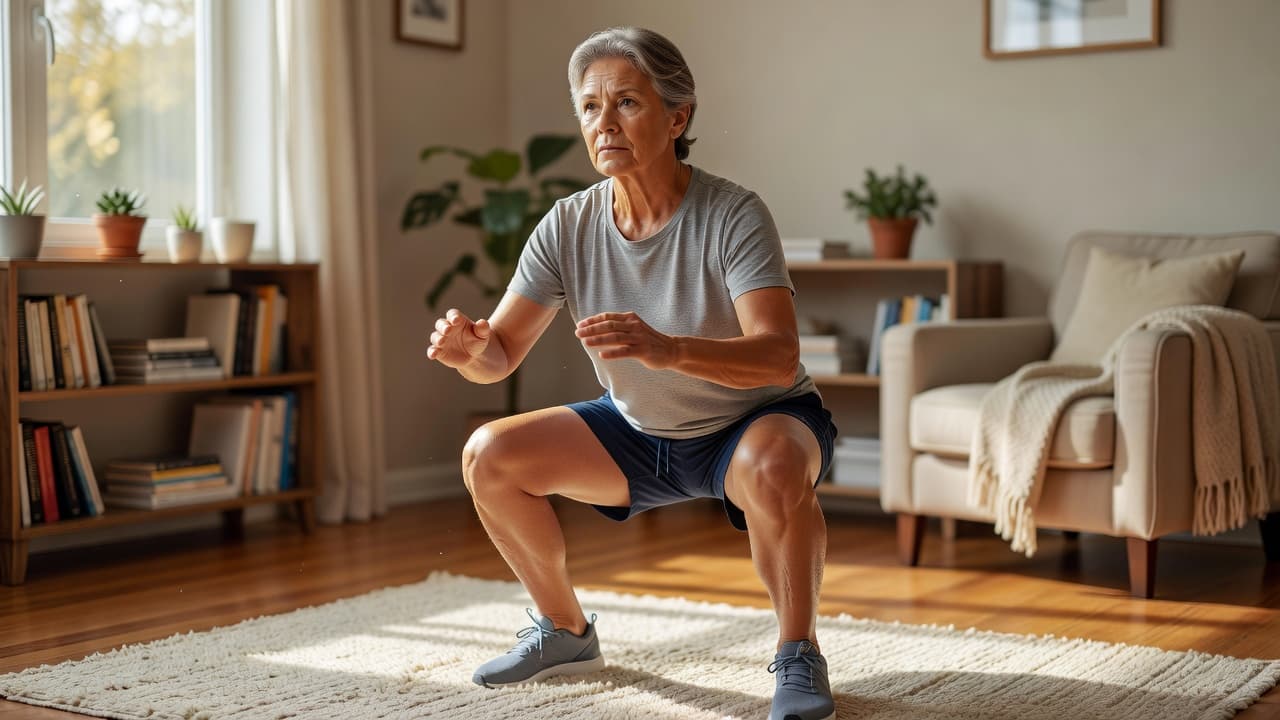
Squats help with getting out of a chair and climbing stairs. Hinges train the motion of picking things up safely. Pushes and pulls help with doors, laundry, and lifting objects overhead. Lunges build leg strength and stability. Carries train grip, trunk strength, and the simple act of moving through the world while holding weight.
These moves map well to daily life, which is why they matter. For older adults, building muscle and bone density after 50 is less about looking athletic and more about keeping independence.
How much strength work most adults need each week
For most adults, two to three strength sessions a week is a solid target. Full-body workouts tend to be the simplest option, especially when time is tight.
Short sessions still count. Twenty to forty minutes done consistently beats the perfect plan that never happens. Beginners can start with bodyweight squats, wall push-ups, bands, light dumbbells, or machines. The key is gradual progress and good form, not chasing exhaustion.
Balance, mobility, and flexibility for staying active as you age
Balance and mobility don’t get the same attention as cardio and weights. They should. These are the quiet supports that help you keep doing the bigger things.
Better balance lowers fall risk and builds confidence. Better mobility makes bending, reaching, turning, and walking feel smoother. Flexibility helps too, as long as you treat it as support for movement, not a contest.
Simple balance drills that build confidence
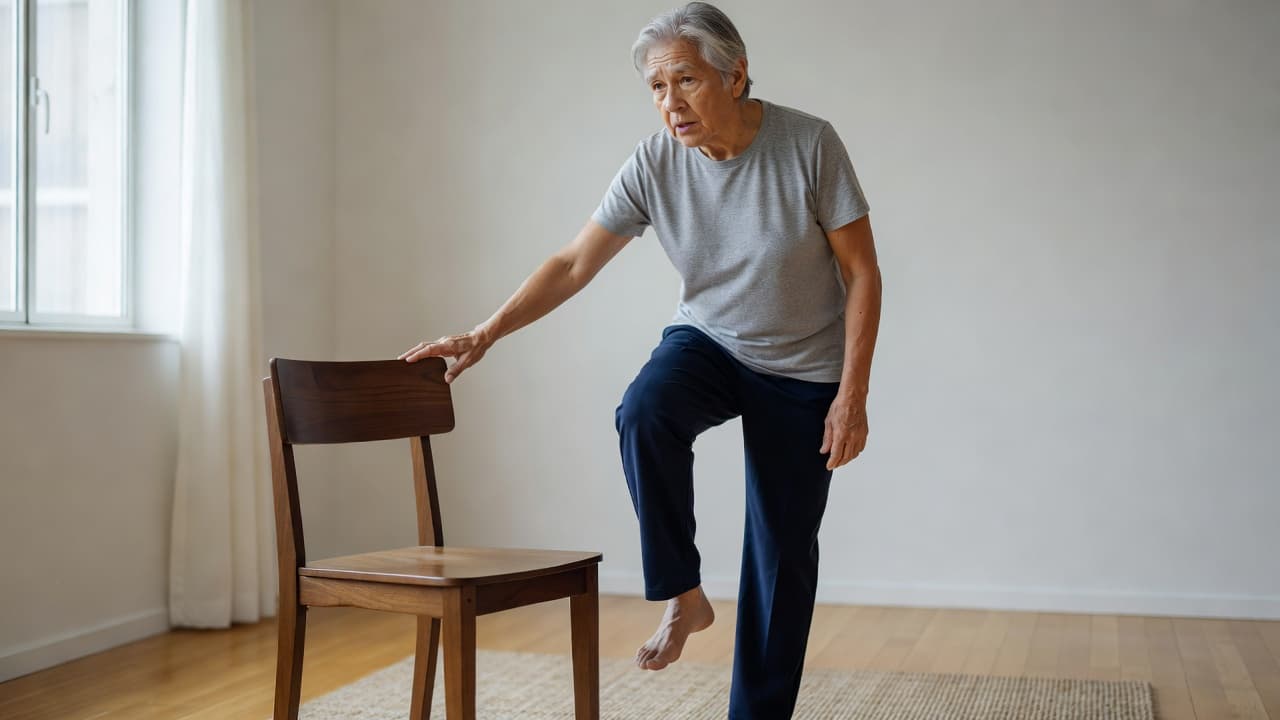
Balance is trainable. Single-leg stands, heel-to-toe walking, controlled step-ups, and standing from a chair without using your hands all help.
Start near a counter, wall, or sturdy chair. A few minutes most days can go a long way, especially for older adults or anyone who feels unsteady. Practices like yoga and tai chi can help here too, which is one reason AARP’s roundup of exercises linked with longer life includes them alongside walking and strength work.
Mobility work that keeps movement easy and pain-free
Mobility is about moving joints through a comfortable range with control. Think joint circles, ankle work, hip openers, thoracic rotation, calf stretching, and gentle hamstring work.
The goal isn’t extreme flexibility. It’s being able to reach a shelf, squat down, turn your head while driving, and walk without stiffness running the show. If lifting feels rusty or walking feels choppy, mobility work often helps the whole system move better.
A practical weekly routine for beginners, older adults, and busy adults
This doesn’t need to look like a pro training plan. It needs to fit your week, your joints, and your energy.
The best routine for longevity is the one you can still picture doing next year.

A simple starter plan you can actually stick with
Here’s a realistic way to organize the week:
| Who it’s for | Simple weekly plan | Main adjustment |
|---|---|---|
| Beginner | Walk 20 to 30 minutes, 4 days; strength train 2 days; 5 minutes of balance or mobility most days | Keep effort easy to moderate |
| Older adult | Walk 15 to 30 minutes most days; strength train 2 days; balance work 4 to 6 days; mobility daily | Use support and joint-friendly options |
| Busy adult | Take 10 to 20 minute brisk walks most days; do 2 full-body strength sessions; add 1 longer weekend cardio session | Stack exercise into your schedule |
If you want one simple default, use three brisk walks, two strength sessions, and five minutes of balance or mobility most days. That’s enough to cover the main bases without turning fitness into a second job. Exercise also works better when it’s part of wider science-backed habits for better health, including sleep, stress control, and decent nutrition.
Safety notes before you increase intensity
Start slower than your ego wants. Warm up for five to ten minutes, use controlled form, and increase duration or load in small steps.
Pain that feels sharp, chest pain, severe dizziness, unusual shortness of breath, or swelling that gets worse are all reasons to stop and get checked. If you’re new to exercise, have heart disease, diabetes, arthritis, osteoporosis, balance problems, or take medications that affect heart rate or coordination, it’s smart to speak with a clinician before pushing intensity.
Conclusion
The research keeps landing on the same answer. The best exercises for longevity are not exotic, they are walking and other cardio, strength training, and enough balance and mobility work to keep your body reliable.
No single workout wins by itself. Consistency wins. Move often, get stronger, stay steady, and protect your healthspan for as many years as you can.