
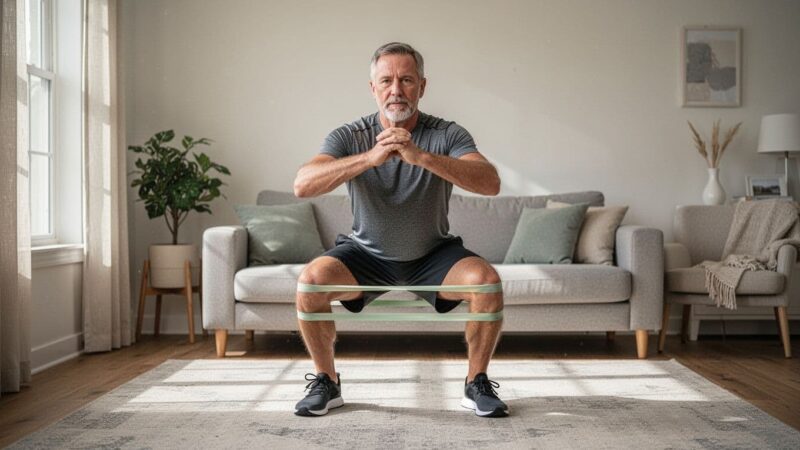
Common issues like cold feet, swollen ankles, or heavy legs after a long day can make daily movement uncomfortable. Sedentary habits, standing for extended periods, smoking, and inactivity can restrict the circulatory system and hinder healthy blood flow. Understanding how your daily environment impacts these functions is essential for maintaining your overall health.
The good news is that regular movement, healthy habits, and early attention to warning signs can support better vascular health. Here is how to improve leg circulation safely, as well as guidance on when you should seek professional advice. Identifying poor circulation symptoms early is the first step toward better health and effective strategies to improve leg circulation.
- Key Takeaways
- Know What Healthy Leg Circulation Feels Like
- Use Movement to Improve Leg Circulation
- Simple Exercises and Low-Impact Exercises for Better Blood Flow
- Break Up Sitting and Standing
- Support Your Blood Vessels With Daily Habits
- When Circulation Symptoms Need Medical Attention
- Frequently Asked Questions
- Conclusion
Key Takeaways
- Short, frequent movement breaks often provide more benefits than a single long workout each week.
- Walking, ankle pumps, calf raises, and seated marches help improve blood flow by activating the muscles that pump blood through the legs.
- A balanced diet, smoking cessation, and healthy blood pressure levels help maintain strong blood vessels.
- Consult a healthcare provider before using compression socks or beginning a new physical activity routine if you have a history of vascular disease, heart failure, diabetes, ulcers, or other serious health concerns.
- Seek urgent medical attention if you experience sudden leg swelling, severe pain, noticeable skin color changes, chest pain, or shortness of breath.
Know What Healthy Leg Circulation Feels Like
The circulatory system is a vital network that relies on healthy blood vessels to deliver oxygen and nutrients from the heart to your legs and feet. Veins then return blood to the heart, with significant help from the calf muscles.
When you walk, your calf muscles gently squeeze nearby veins. Small valves inside those veins help push blood upward instead of allowing it to pool around the ankles. That is why long periods of sitting or standing can leave your legs feeling tight, tired, or swollen.
Occasional heaviness after travel or a busy day is not always serious, but persistent poor circulation symptoms deserve more attention. Possible signs of reduced blood flow include:
- Calf pain or cramping during walking that improves with rest
- Cold feet
- Numbness, tingling, or weakness
- Pale, bluish, or shiny skin
- Slow-healing cuts or sores
- Swelling around the ankles
- A heavy or aching feeling in the legs
Pain that appears with walking and eases after resting can occur with peripheral artery disease, a condition often caused by atherosclerosis and the resulting plaque buildup in the arteries. The National Heart, Lung, and Blood Institute’s PAD information explains why reduced blood flow can affect the legs, especially during activity.
Circulation problems are not always visible. A foot that feels numb or a calf that repeatedly cramps during walks is worth discussing with a clinician.
Get urgent medical help for sudden swelling, warmth, redness, or pain in one leg. These may be signs of blood clots, such as deep vein thrombosis. Chest pain, sudden breathlessness, or coughing blood are emergencies. The CDC’s guide to blood clot symptoms lists warning signs that should not wait.
Use Movement to Improve Leg Circulation
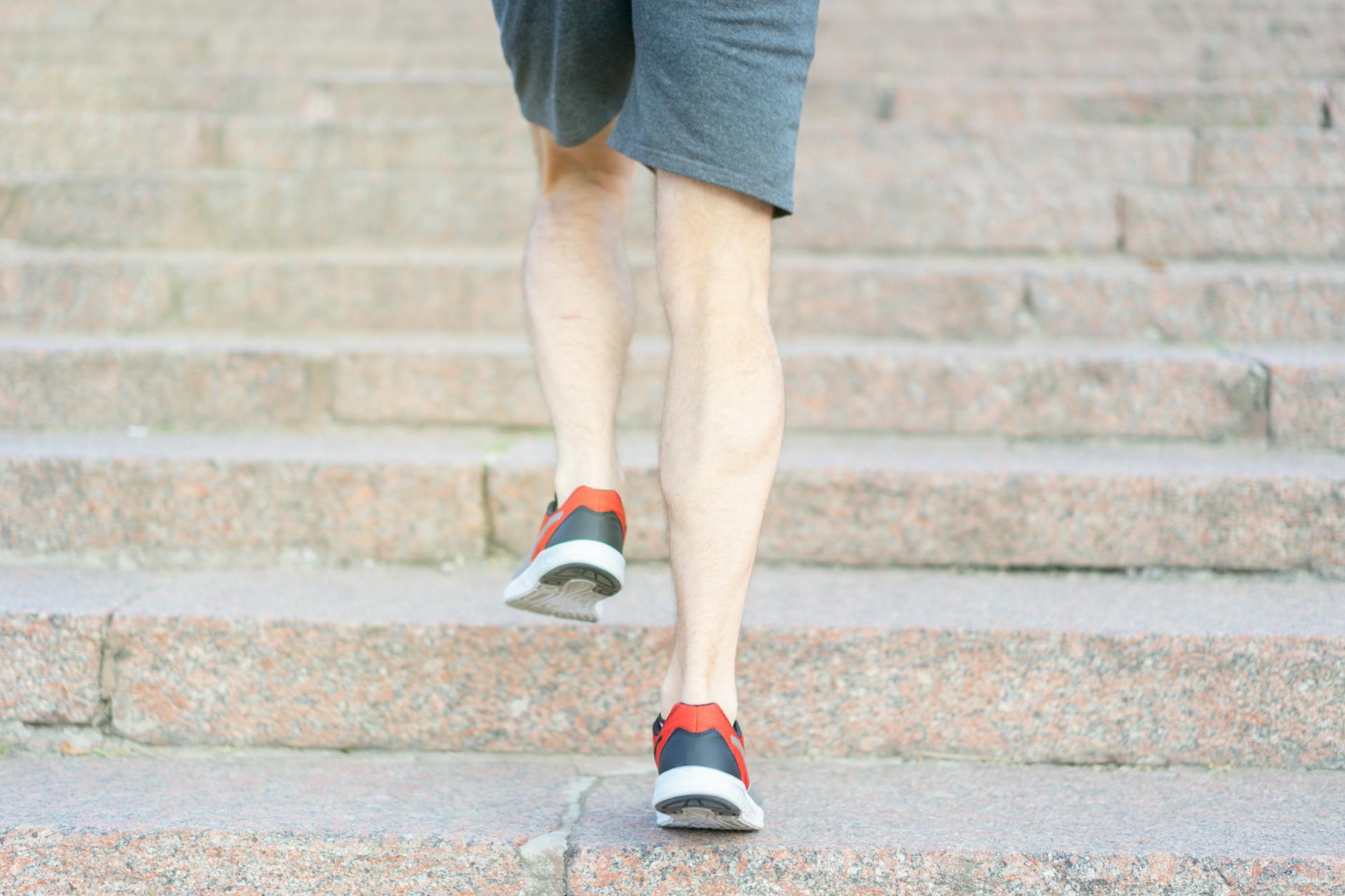
Your legs do not need a complicated workout. They need regular opportunities to contract and relax.
If you sit at a desk, set a reminder to stand every 30 to 60 minutes. Because a sedentary lifestyle can restrict circulation, you should walk to refill your water, take a few laps around the room, or stand during a phone call. Even one or two minutes of movement breaks up the long stretch of inactivity.
People who stand for work can benefit from the same principle. Shift your weight, walk around when possible, and avoid locking your knees for long periods. A short walk during a break may ease the heavy feeling that builds by the end of a shift.
Walking is one of the simplest ways to support healthy blood flow in the lower extremities. Start with a comfortable pace for 5 to 10 minutes. Add a few minutes every several days if your body responds well. Many adults can gradually work toward the American Heart Association’s physical activity recommendations, which include moderate aerobic activity and muscle-strengthening work.
If walking brings on repeated calf pain, do not push through it without advice. Peripheral artery disease sometimes requires a structured walking plan and medical supervision. New or worsening pain should be assessed before you increase your activity.
Photo by Atlantic Ambience
Simple Exercises and Low-Impact Exercises for Better Blood Flow
These movements can fit into a workday or home routine. Hold a stable surface when standing, and move slowly rather than forcing a stretch.
Ankle pumps
Sit or lie comfortably with your legs supported. Point your toes away from you, then pull them toward your shins. Repeat 20 to 30 times with each foot. Incorporating ankle pumps into your daily routine is an effective way to improve blood flow in the lower extremities. These are particularly useful during long periods of sitting, including travel, because they move the ankle joint and activate the lower-leg muscles without placing much stress on the knees.
Seated marches
Sit upright with both feet on the floor. Lift one knee a few inches, lower it, and repeat on the other side. Continue for 30 to 60 seconds. Keep your shoulders relaxed and avoid leaning backward. This exercise helps wake up the hip and thigh muscles after a sedentary period.
Calf raises
Stand behind a chair or near a countertop. Rise onto the balls of your feet, pause briefly, and lower your heels with control. Try 8 to 15 repetitions. Calf raises can help strengthen the muscle group that assists venous return. Stop if you develop sharp pain, marked weakness, dizziness, or symptoms that feel different from normal muscle effort.
Gentle walking
Walk around your home, workplace, or neighborhood for several minutes. Consistent movement helps your circulatory system deliver essential oxygen and nutrients throughout your body. If you are starting from a low activity level, several short walks may feel more manageable than one long session.
People with diagnosed peripheral artery disease, heart disease, balance problems, or significant joint pain should ask a clinician or physical therapist how to progress safely. Anyone with diabetes should inspect their feet after exercise because injuries or irritation may not cause much pain due to potential nerve damage.
Break Up Sitting and Standing
Long stretches in one position can slow the muscle activity that helps blood return from the legs. A small change every hour can make your day more circulation-friendly.
Try alternating between sitting and standing when your work setup allows it. During television, reading, or computer time, keep both feet supported and avoid crossing your legs for hours. Gentle ankle circles or toe movements can keep your lower legs active without interrupting your task.
If you notice swelling, elevate your legs to help manage the discomfort. Place your feet on a stool or pillows for 15 to 20 minutes. Elevation can help fluid move out of the lower legs, but it does not treat an underlying vein, artery, heart, or kidney problem.
Comfortable shoes also matter. Choose footwear with enough room for your toes and stable support. Avoid tight socks or clothing that leaves deep marks around the calf or ankle.
Many people use compression socks to manage symptoms of varicose veins or chronic venous insufficiency. While these can help improve blood flow and reduce swelling, they are not suitable for everyone. A clinician should assess your circulation first if you have peripheral artery disease, heart failure, diabetes, or ulcers. Using the wrong level of compression can worsen certain circulation problems.
Support Your Blood Vessels With Daily Habits
Food choices won’t fix a blocked artery overnight, but your eating pattern significantly affects your blood pressure, cholesterol, blood sugar, and body weight. These factors dictate the long-term health of your blood vessels and how well they function.
Prioritize a healthy diet built around vegetables, fruit, beans, lentils, whole grains, nuts, seeds, and fish. Foods rich in fiber help support cholesterol levels, while limiting excess sodium is a critical step if you struggle with high blood pressure. By reducing intake of heavily processed foods, you can lower your risk of high blood pressure and protect your blood vessels from unnecessary strain.
Smoking remains one of the clearest threats to circulatory health. Nicotine narrows your pathways, while tobacco chemicals damage the delicate artery lining. If you currently smoke, ask a healthcare professional about counseling, nicotine replacement, or prescription medicines to help you quit smoking for good.
It is also important to stay hydrated by drinking water according to your thirst and medical advice. If you have heart failure, kidney disease, or a strict fluid restriction, do not increase your fluid intake without speaking with your care team first.
Supplements, herbal products, and essential oils are not proven replacements for the clinical treatment of peripheral artery disease, blood clots, or chronic swelling. These products can also interact negatively with prescribed medicines. Instead of relying on unproven remedies, focus your efforts on regular movement, medical care, a balanced diet, and smoking cessation to maintain optimal circulation.
When Circulation Symptoms Need Medical Attention
Make an appointment if leg symptoms persist, keep returning, or interfere with your ability to walk and manage daily activities. While a primary care provider can perform initial checks like assessing your pulses, skin condition, sensation, and blood pressure, they may refer you to a vascular surgeon for advanced diagnostic evaluation. A specialist may also perform an ankle-brachial index test to compare blood pressure readings in your ankle and arm.
Seek prompt care for any new sore that does not heal, particularly if you are living with diabetes. Because diabetes can damage both nerves and blood vessels, it makes foot wounds easier to overlook and significantly slower to heal, increasing the risk of complications.
Call emergency services if a leg suddenly becomes cold, pale, severely painful, weak, or numb, as these can be signs of restricted blood flow. You should also seek immediate medical attention if you experience one-sided leg swelling accompanied by chest pain or shortness of breath, as these are potential indicators of dangerous blood clots. Persistent swelling that does not subside with elevation or rest also warrants a professional evaluation.
Before beginning a new exercise routine, speak with a clinician if you have diagnosed vascular disease, heart failure, diabetes, neuropathy, ulcers, severe arthritis, or another significant health condition. A safe physical activity plan should always be tailored to your specific health status, medications, balance, and current fitness level.
Frequently Asked Questions
Can I use compression socks to help my circulation?
Compression socks can help reduce swelling and improve blood flow, but they are not suitable for everyone. You should consult a healthcare provider before using them, especially if you have peripheral artery disease, diabetes, heart failure, or ulcers, as improper use may cause complications.
Why do my legs feel heavy or swollen after sitting all day?
When you remain sedentary, your calf muscles do not contract enough to help pump blood back to your heart, causing fluid to pool around your ankles. Regular movement, such as taking short walking breaks or performing ankle pumps, can help activate your muscles and encourage better blood flow.
Is walking safe if I have poor circulation?
For many people, walking is an excellent way to support vascular health, but you should start slowly and monitor how your body responds. If you experience repeated calf pain or have a history of vascular disease, you should seek guidance from a clinician before starting a new exercise routine.
Which lifestyle habits have the biggest impact on leg circulation?
Staying active, maintaining a balanced diet, and quitting smoking are the most effective ways to support long-term vascular health. These habits help manage blood pressure and cholesterol levels, which protects your blood vessels from unnecessary strain and promotes efficient circulation.
Conclusion
You can improve leg circulation naturally by moving more often, walking at a manageable pace, exercising the calf and ankle muscles, and avoiding long periods in one position. Making healthy food choices and quitting smoking gives your blood vessels more support over time, helping you maintain long-term vascular health.
Symptoms like cold feet, swelling, numbness, or walking pain should not be dismissed if they keep returning. Small daily habits help, but persistent or sudden circulation issues need professional evaluation to ensure your long-term well-being.