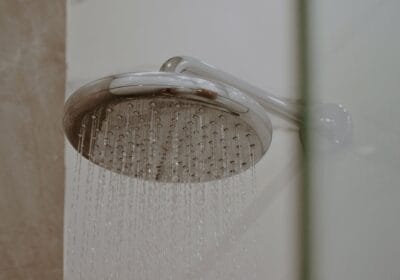
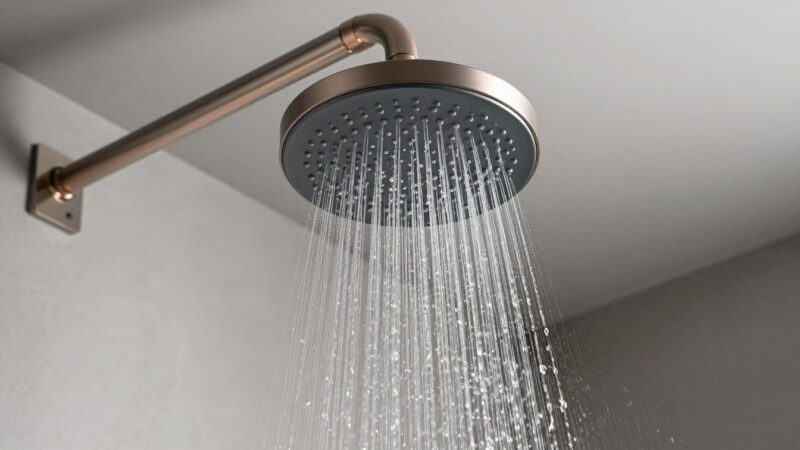
A shower can create the fine mist that carries Legionella bacteria into the lungs. The main route is breathing in contaminated aerosols from plumbing fixtures, cooling towers, hot tubs, and similar equipment.
Legionella water systems can be controlled, but the work requires more than one temperature check or a one-time disinfection. Building owners and facility managers need a practical water management programme that accounts for plumbing design, water movement, equipment maintenance, testing, and the people who use the building.
- What Legionella Is and How People Are Exposed
- How Legionella Moves Through Building Water Systems
- Conditions That Let Legionella Grow
- Building a Legionella Water Management Program
- Controls That Reduce Legionella Risk
- Testing, Healthcare Buildings, and Suspected Cases
- Frequently Asked Questions About Legionella Water Systems
- A Water-Management Program Is the Core Control
What Legionella Is and How People Are Exposed
Legionella is a group of bacteria found naturally in freshwater environments. In lakes and streams, the concentration is usually low. Inside a building’s plumbing system, however, conditions can allow the bacteria to multiply.
The bacteria can grow within a protective layer called biofilm. Biofilm is a slimy community of microorganisms that sticks to the inside of pipes, tanks, faucets, showerheads, and other wet surfaces. Sediment and scale can provide additional shelter.
Legionella infection can cause two main illnesses. See our guide to Legionnaires’ disease causes and symptoms for more on the illness. Legionnaires‘ disease is a serious form of pneumonia. Pontiac fever is usually milder and doesn’t cause pneumonia. According to the CDC’s overview of Legionella, older adults, current or former smokers, and people with chronic lung disease or weakened immune systems face a higher risk of severe illness.
The bacteria don’t usually spread through ordinary contact with another person. A person typically becomes infected after inhaling a mist or tiny droplets containing Legionella. Water can also enter the lungs during drinking or swallowing, a process called aspiration. This route matters more for people who have difficulty swallowing or who have certain neurological conditions.
The distinction matters for facility teams. A sink may look harmless, but a high-pressure spray can produce droplets. A showerhead may contain biofilm and release an aerosol directly around a person’s face. A cooling tower can disperse contaminated water through its exhaust plume.
The main exposure question is not only, “Is the water contaminated?” It is also, “Can this water become a mist that someone can breathe?”
How Legionella Moves Through Building Water Systems
Legionella doesn’t travel through a building in one predictable pattern. Its spread depends on the water source, plumbing layout, flow patterns, temperature, disinfectant levels, and equipment condition.
Large buildings often have long pipe runs and multiple water heaters, storage tanks, pumps, mixing valves, and recirculation loops. Every additional component creates another place where water can cool, stagnate, or collect sediment.
Common sources of exposure include:
| Water source | How exposure can occur |
|---|---|
| Showers and sink faucets | Spray creates droplets that can be inhaled |
| Cooling towers | Fans release contaminated drift into outdoor air |
| Whirlpool spas and hot tubs | Jets and bubbles create fine aerosols |
| Decorative fountains | Splashing and aeration release droplets |
| Respiratory therapy equipment | Contaminated water may reach a patient’s airway |
| Humidifiers and misting devices | Fine water particles can remain suspended in air |
A dead leg is a section of pipe with little or no regular water flow. It may connect to a removed fixture, an abandoned branch line, or an oversized plumbing section. Water in that section can remain warm and stagnant for long periods.
Low-use rooms create a similar problem. A vacant patient room, rarely used restroom, seasonal facility, or closed wing may have faucets and showers that aren’t flushed regularly. The water may sit in the pipes while disinfectant levels decline.
Water can also move between system areas through recirculation. A hot-water loop that isn’t balanced may leave distant fixtures cooler than intended. A storage tank with poor turnover may develop temperature layers. Plumbing modifications can create cross-connections or isolated sections that weren’t part of the original design.
The EPA’s guidance on Legionella in building water systems describes why building conditions matter even when the incoming municipal water meets drinking-water standards. Water quality can change after water enters the property. The building’s pipes, tanks, fixtures, and equipment become part of the risk picture.
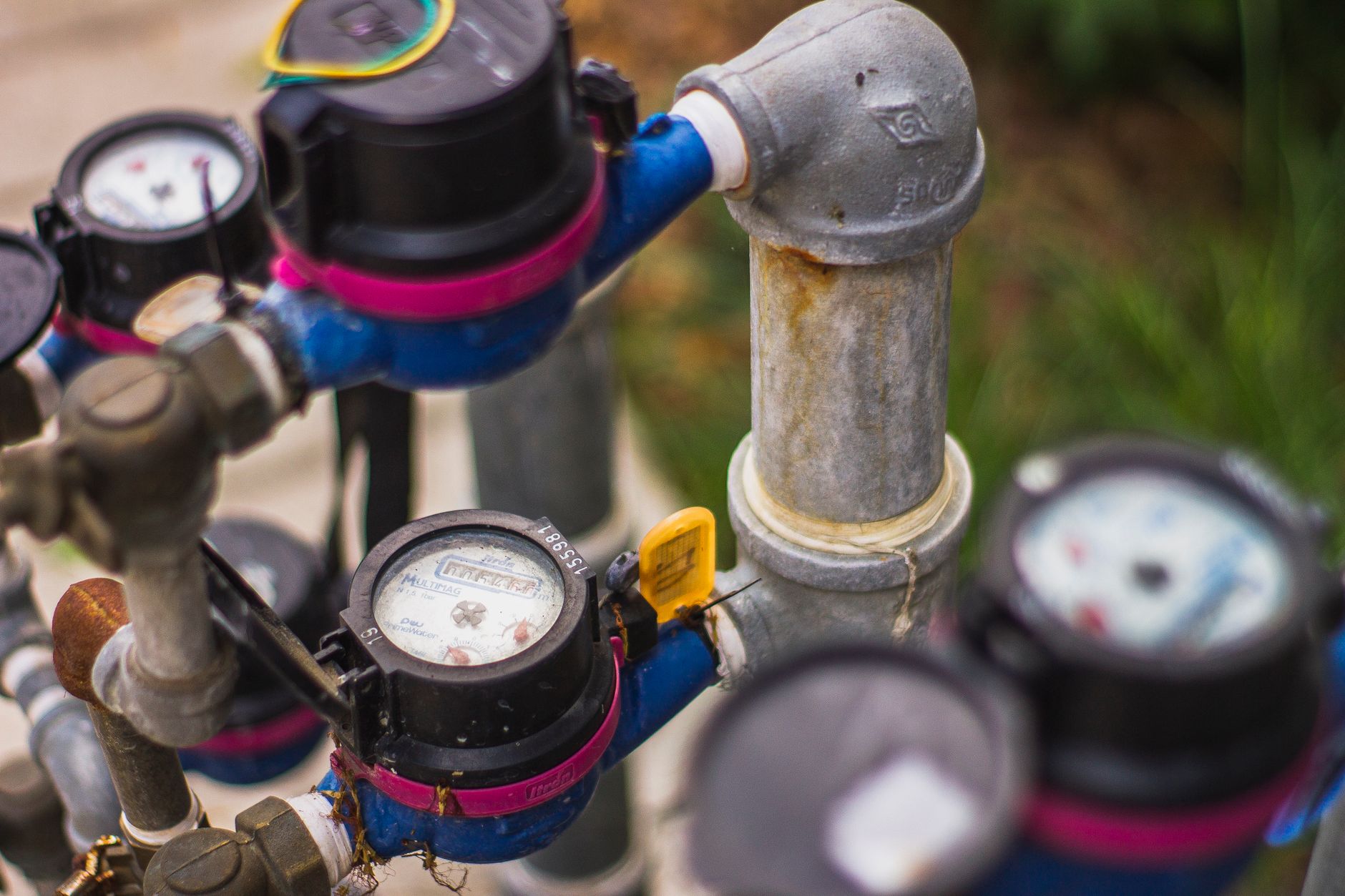
Conditions That Let Legionella Grow
Legionella grows best in warm water. The CDC’s module on controlling Legionella in potable water systems gives the most favourable range as 77 to 113 degrees Fahrenheit (25 to 45 degrees Celsius), and notes the bacteria may still grow at temperatures as low as 68 degrees Fahrenheit (20 degrees Celsius). That range can occur in hot-water systems, mixing valves, storage tanks, spas, and sections of pipe that warm without enough flow.
Temperature is only one part of the problem. A building can have acceptable temperature readings at a few fixtures while still having other risk points. The location and timing of each measurement matter.
Several conditions commonly support bacterial growth:
- Stagnation: Water remains still in unused branches, tanks, fixtures, or equipment.
- Low disinfectant levels: Chlorine or other disinfectants may decline as water travels through a complex system.
- Biofilm: Microorganisms attach to internal surfaces and provide protection.
- Sediment and scale: Deposits can shelter bacteria and consume disinfectant.
- Warm ambient conditions: Mechanical rooms, ceiling spaces, and poorly insulated pipes can heat water.
- Poor system balance: Hot-water loops may fail to deliver consistent temperatures.
- Infrequent maintenance: Filters, strainers, cooling towers, spas, and storage tanks may collect organic material.
Temperature control requires care because the settings that limit bacterial growth can also create scald hazards. Raising hot-water temperatures without considering thermostatic mixing valves, outlet temperatures, and resident safety can injure occupants. For background, see a 2024 review of Legionella transmission risk in built environments.
A water management team should look at the entire system rather than chase a single measurement. Ask where water enters, where it is stored, how it moves, which areas use the least water, and where aerosol-producing devices are located.
Building a Legionella Water Management Program
A water management programme is a written, site-specific plan for controlling conditions that allow Legionella to grow and spread. It isn’t a generic cleaning schedule. It connects the building’s plumbing design to daily operations and emergency procedures.
The CDC recommends water management programmes for buildings where Legionella growth and transmission are possible. The CDC toolkit for developing a water management programme follows a practical structure that facility teams can adapt to their buildings.
A strong programme usually includes these steps:
- Form a responsible team. Include facilities staff, engineering, infection prevention, environmental health and safety, clinical leadership where relevant, and building ownership. Assign clear responsibilities.
- Describe the water system. Use plumbing drawings, equipment records, walkthroughs, and interviews with maintenance staff. Include potable water, cooling towers, spas, fountains, humidifiers, and other aerosol-producing devices.
- Identify hazardous conditions. Look for warm water, stagnation, low disinfectant, sediment, scale, dead legs, poor flow, and equipment that creates aerosols.
- Set control measures. Define acceptable operating ranges for temperature, disinfectant, flow, cleaning, flushing, and equipment maintenance.
- Monitor performance. Record who checks each measure, how often checks occur, what tools are used, and where results are stored.
- Create corrective actions. Decide what happens when a temperature, disinfectant level, flow condition, or maintenance task falls outside the site’s limits.
- Review and update the plan. Reassess the system after renovations, equipment changes, extended shutdowns, water interruptions, outbreaks, or changes in the building population.
The American Society of Heating, Refrigerating and Air-Conditioning Engineers provides Standard 188-2021 for Legionellosis risk management. It provides a framework for determining when a building needs a formal programme and what that programme should address.
Plans must reflect the building’s actual design. A hospital, hotel, apartment complex, university, and manufacturing site may have different hazards. Copying another property’s plan can leave important equipment or vulnerable occupants out.
Controls That Reduce Legionella Risk
Control measures work best when they are routine, measurable, and tied to specific parts of the water system. No single action removes every risk.
Control temperature without creating scald injuries
Hot-water storage and distribution temperatures should be managed under a site-specific plan. Many facilities store hot water at temperatures that limit Legionella growth, then use mixing valves to reduce delivery temperatures. The exact approach depends on plumbing design, local requirements, resident needs, and clinical risk.
Cold-water lines also need attention. Pipes exposed to heat can allow cold water to warm into a growth-supporting range. Insulation, separation from hot pipes, and proper mechanical-room design can help.
Temperature readings should be taken at defined locations and intervals. A single reading at the water heater doesn’t prove that distant fixtures receive the same conditions.
Remove stagnation and improve flow
Regular use helps move fresh water through fixtures and lowers the time available for bacteria to multiply. Low-use outlets may need a documented flushing schedule, especially after vacations, construction, seasonal closures, or extended shutdowns.
Flushing can create aerosols. Staff should use appropriate personal protective equipment and follow the facility’s safety procedures. The plan should also identify fixtures that should be removed, capped, or permanently taken out of service.
Dead legs deserve a plumbing review. The best control may be removing an unused branch rather than flushing it forever.
Maintain disinfectant and water quality
Chlorine and other disinfectants can decline as water moves through pipes or reacts with biofilm and sediment. Facilities that monitor disinfectant should use calibrated equipment, defined sampling locations, and a response process for low readings.
A municipal supplier’s disinfectant level may not match the level at a distant fixture. Long pipe runs, storage tanks, warm temperatures, and high demand can change conditions inside the property.
Clean equipment that creates aerosols
Cooling towers need a written maintenance programme that covers water treatment, inspection, cleaning, disinfection, drift control, and records. The CDC’s Legionella control resources cover water management programmes and equipment controls.
Hot tubs, spas, fountains, humidifiers, and decorative water features also need maintenance based on their design and use. If you use spas, pools, or locker rooms away from home, the same habits that help you avoid picking up illness in shared and crowded spaces are worth carrying with you. A fountain that looks clean can still contain biofilm inside its basin, pump, tubing, or filter housing.
Consider supplemental treatment carefully
Some facilities use copper-silver ionisation, chlorine dioxide, monochloramine, ultraviolet treatment, filtration, or other systems. These technologies can help in the right setting, but they don’t replace plumbing maintenance or a water management programme.
Each option has operating requirements, possible water-quality effects, equipment costs, and regulatory considerations. A treatment system that isn’t monitored can fail without anyone noticing. Chemical changes can also affect pipes, fixtures, workers, and building occupants.
Major disinfection actions, such as hyperchlorination or thermal treatment, should follow engineering guidance and local public-health direction. They can be useful during certain events, but they may not remove the underlying source of growth.
Testing, Healthcare Buildings, and Suspected Cases
Environmental testing can provide useful information, but testing alone cannot control Legionella. A negative result is a snapshot, not proof that every pipe, tank, fixture, or device is free of bacteria. Sampling plans need defined goals, validated methods, trained personnel, and laboratories that can handle the required analysis.
Routine testing isn’t the same for every building. A healthcare facility, nursing home, hotel, or building with a known history of Legionella may need a different approach from a small office. Local public-health agencies may recommend testing during an outbreak, after a suspected case, or when a high-risk system has failed its controls.
Healthcare facilities need extra planning because patients may have weakened immune systems, chronic illness, or difficulty swallowing. Hospitals should coordinate facilities, infection prevention, clinical teams, laboratory services, and public health. CDC healthcare water management guidance addresses the added responsibilities of these settings.
If a case of Legionnaires’ disease may be linked to a building, don’t wait for informal testing before seeking help. Notify the appropriate local or state health department, review recent maintenance and water-use records, identify aerosol-producing equipment, and follow public-health instructions.
Temporary measures may include restricting showers, removing decorative fountains from service, installing point-of-use filters, adjusting patient accommodations, or closing an affected area. The correct response depends on the building, the suspected source, the number of cases, and the health department’s assessment.
Facility teams should also prepare for water interruptions and reopening. A building that sits empty for weeks can develop extensive stagnation. Before normal occupancy resumes, the water management team should review flushing, disinfection, equipment operation, fixture use, and documentation.
Frequently Asked Questions About Legionella Water Systems
Can Legionella spread through drinking water?
Drinking contaminated water isn’t usually the main route of infection. The greater concern is inhaling contaminated droplets or aspirating water into the lungs. People with swallowing difficulties face a higher aspiration risk. Everyday kitchen routines involve a different set of germs, which is where basic steps for washing fruits and vegetables safely at home come in.
Does Legionella spread from person to person?
Person-to-person transmission is rare. Most infections are linked to exposure to contaminated water or soil. A suspected case still needs public-health evaluation because the source may be a shared building system.
What temperature kills Legionella?
Heat can control Legionella, but there isn’t one safe temperature setting for every building. Hot-water storage, recirculation, outlet temperatures, mixing valves, and scald protection must be considered together. Facility teams should follow a qualified water management plan and local requirements.
Should every building test its water for Legionella?
Not necessarily. Testing decisions depend on building type, occupant risk, system complexity, previous cases, public-health guidance, and the goals of the sampling. Testing should support a water management programme, not replace it.
Can a building manager create a plan without outside help?
Some routine tasks can be handled by trained facility staff. Complex plumbing systems, healthcare buildings, major disinfection events, suspected outbreaks, and treatment changes often require qualified water professionals, engineers, laboratories, and public-health agencies.
A Water-Management Program Is the Core Control
Legionella water systems become risky when warm, stagnant, poorly maintained water allows bacteria to grow and aerosol-producing equipment sends droplets into the air. The usual exposure is inhalation; aspiration of contaminated water is another possible route, while person-to-person spread is uncommon.
A reliable programme maps the building, controls temperature and flow, maintains equipment, monitors defined conditions, and responds quickly when something changes. Legionella prevention is a system-maintenance responsibility, not a one-time test or disinfection job.