

A sore foot can shrink your whole world. Walking the dog, climbing stairs, or standing at the sink can start to feel like work. The tricky part is that foot pain has many causes. A tight shoe, an irritated tendon, arthritis, a stress injury, or a skin problem can all feel similar at first. This guide can help you spot common patterns, try safe self-care, and know when to get checked, but it isn’t a diagnosis.
How foot pain often shows up
The first clue is often where it hurts. Heel pain with your first few steps in the morning points in one direction. Burning in the ball of the foot points in another. Pain on the top of the foot after a sudden jump in activity raises different questions.
Pay attention to timing, too. Does it flare after long walks, late in the day, or when you get out of bed? Does it hurt at rest, or only when you put weight on it? Those details matter.
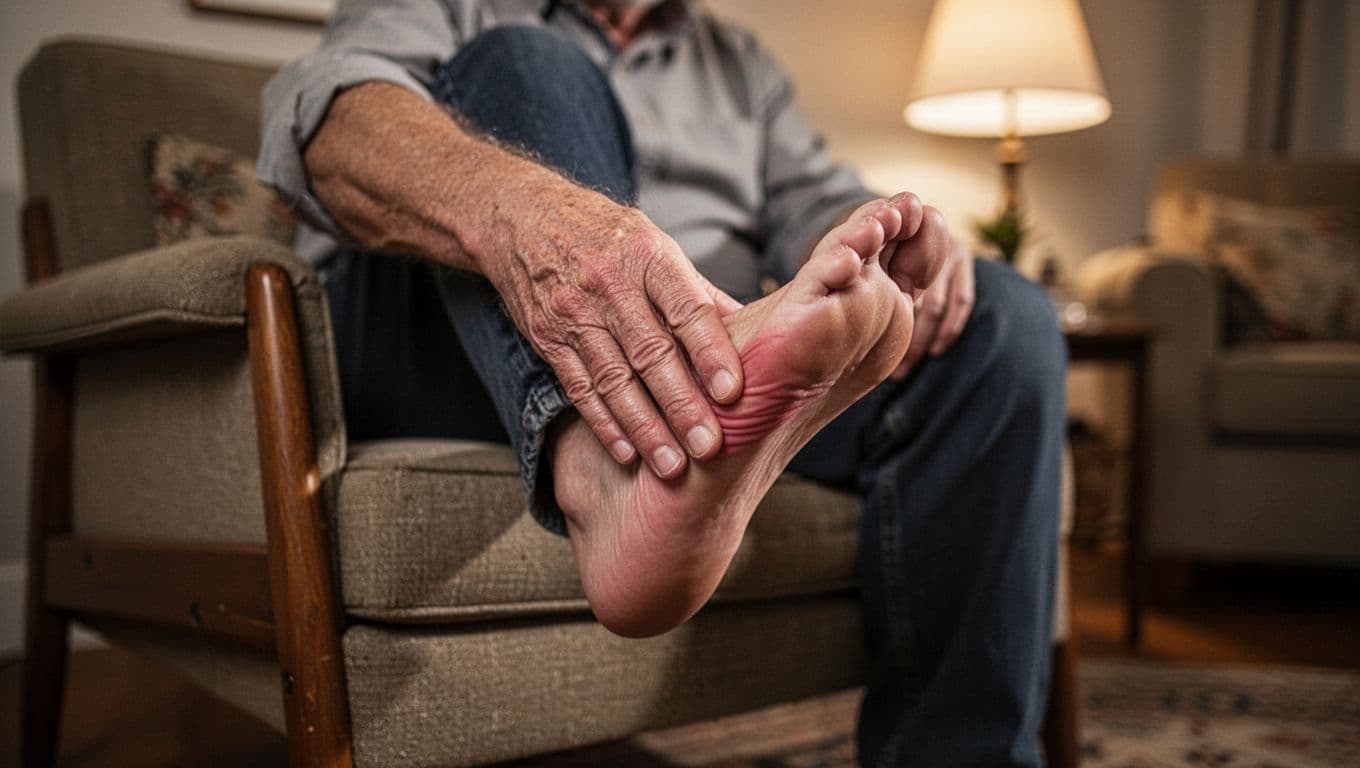
Other symptoms help fill in the picture. You might notice swelling, stiffness, redness, warmth, bruising, numbness, tingling, or a feeling that you’re stepping on a pebble. Some people feel a sharp stab. Others get a dull ache that slowly builds.
As Harvard Health’s overview of why feet hurt explains, overuse and poor footwear are common triggers. Still, not every sore foot comes from exercise. Joint disease, nerve problems, skin changes, and injuries can also be part of the story.
Age can change the picture. Feet often lose some natural cushioning over time, and joints may stiffen. Skin can get thinner and drier, which makes cracks, pressure spots, and rubbing more likely. Pain that alters how you walk also matters more as you get older, because it can chip away at balance and confidence.
If foot pain changes the way you walk, don’t shrug it off. A limp can shift strain to your ankle, knee, hip, and balance.
Common causes of pain in the foot
A few problems show up again and again. One is plantar fasciitis, irritation of the thick band under the foot. It often causes heel or arch pain, especially with the first steps after rest. Another is simple overuse. Long days standing, a new walking routine, or high-impact exercise can overload tissues that weren’t ready for the extra work.
Shoes are frequent troublemakers. Tight toe boxes can crowd the front of the foot. Thin soles can make hard surfaces feel harsher. Worn-out shoes may stop supporting your stride well. The NHS guide to pain in the bottom of the foot also points to exercise strain and tight footwear as common reasons the underside of the foot starts to hurt.
Joint problems are another big category. Bunions can make the base of the big toe sore and swollen. Arthritis may cause stiffness, aching, and swelling, often worse after inactivity. Gout can trigger sudden, intense pain, often in the big toe joint, with redness and warmth.
Here is a quick way to think about location and pattern:
| Pain pattern | Common possibilities |
|---|---|
| Heel pain with first steps | Plantar fasciitis |
| Ball of foot pain | Pressure from shoes, overuse, nerve irritation |
| Big toe joint pain | Bunion, arthritis, gout |
| Top of foot pain | Tendon strain, stress injury |
| Burning or tingling | Nerve irritation |
This table isn’t a diagnosis, but it can help you describe what you’re feeling more clearly.
Risk factors also matter. Flat feet, high arches, extra body weight, diabetes, inflammatory arthritis, standing jobs, and a quick jump in activity can all raise the odds of trouble. Older adults may also notice more pain from everyday walking because the foot’s soft tissues and shock absorption change with age.
What you can try at home first
If the pain is mild and you can still walk, start simple. Cut back on the activity that set it off. That doesn’t always mean total bed rest. It means giving the sore area a break from pounding, long standing, or repeated strain for a few days.
Ice can help after a flare, especially when swelling is present. Wrap an ice pack in a thin towel and use it for 15 to 20 minutes at a time. Elevating the foot can also ease swelling after a long day.
Gentle stretching often helps, especially for heel and arch pain. A calf stretch against the wall, done slowly, can reduce tension through the back of the leg and into the foot. Some people also get relief from rolling the arch over a cold water bottle or a small ball for a few minutes. Stop if the pain gets sharper.

Over-the-counter pain medicine may help, but it isn’t right for everyone. Anti-inflammatory drugs can irritate the stomach and may not mix well with some conditions or medicines. If you have kidney disease, stomach ulcers, take blood thinners, or aren’t sure what’s safe, ask a clinician or pharmacist first.
Daily care matters more than people think. Check your feet for blisters, cracks, calluses, and nail problems. Wash and dry them well, especially between the toes. If your skin is dry, use moisturizer on the tops and bottoms of the feet, but not between the toes. That small habit matters more with age, because thinner, drier skin is easier to irritate.
Don’t try to “walk it off” if the pain is sharp, sudden, or changing your gait. Pain is information, not a character test.
Shoes can help, or make things worse
A good shoe doesn’t need to be fancy. It needs to fit. That means enough room in the toe box, a stable sole, and support that matches your foot and activity.
Shop later in the day if you can. Feet often swell a little by afternoon, so you’ll get a more realistic fit. Wear the socks you’d normally use. If one foot is slightly larger, fit the shoe to that foot.
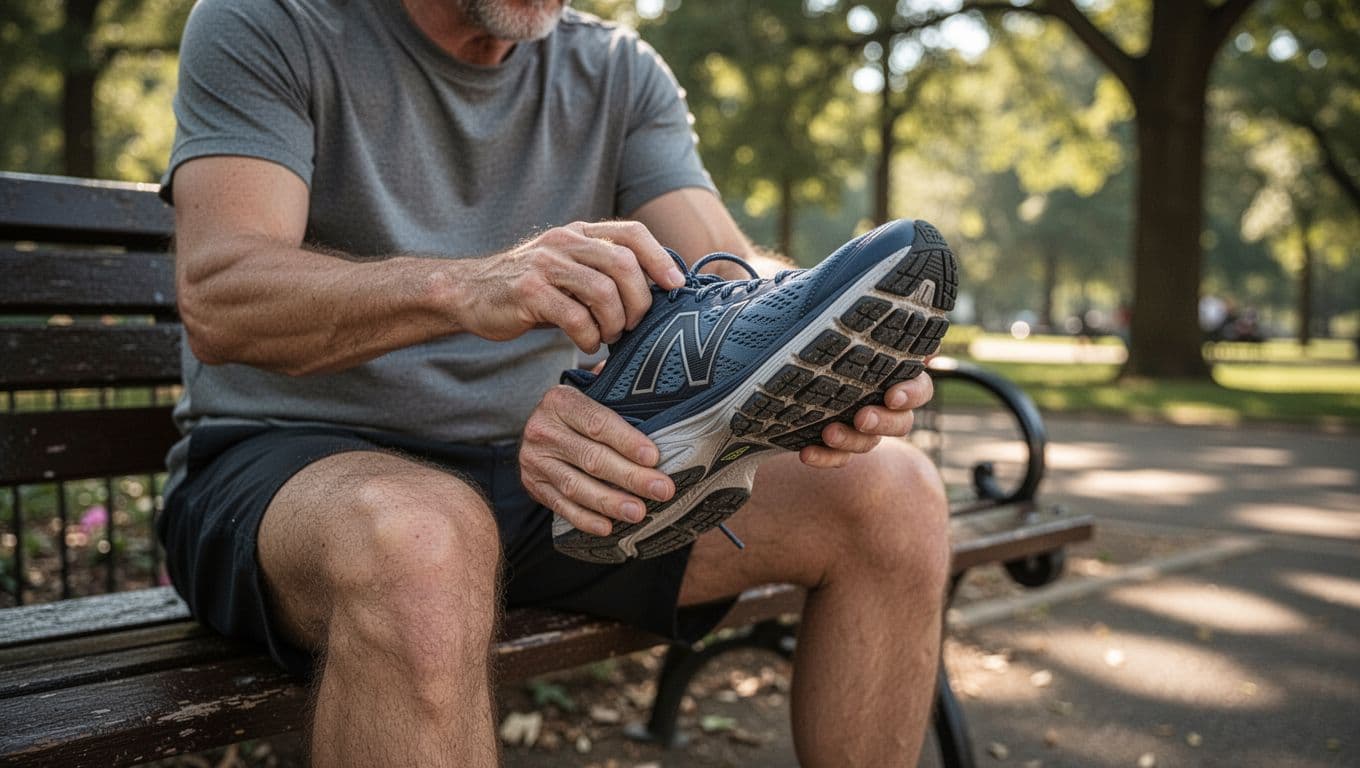
Some footwear choices cause the same problems over and over. Narrow dress shoes can crowd the toes. Flat, unsupportive shoes can irritate the arch and heel. Old sneakers may look fine on top while the midsole support has already broken down.
A few practical rules help:
- Choose shoes with a wide enough toe box that your toes aren’t squeezed.
- Look for a low, stable heel rather than a steep one.
- Replace walking or running shoes when they are clearly worn down.
- Use activity-specific shoes when possible, instead of one pair for everything.
Simple cushioned inserts can help some people, especially with mild arch or heel strain. They aren’t magic, and custom devices aren’t needed for every sore foot. If shoes keep feeling wrong no matter what you try, that is a good reason to get evaluated.
When to seek urgent care, and when to book a routine visit
Some symptoms shouldn’t wait. Get urgent care if you can’t bear weight after an injury, if the foot looks deformed, or if swelling and bruising come on fast. The same goes for a hot, red, painful foot with fever, or a foot that turns pale, blue, cold, or numb.
If you have diabetes, poor circulation, or nerve loss, be quicker to seek care for a wound, blister, or signs of infection. Small skin problems can become big problems faster in those settings.
Routine medical evaluation makes sense when pain lasts more than a week or two, keeps returning, or steadily worsens. Book a visit if you notice numbness, tingling, morning stiffness that doesn’t ease, or pain that keeps you from normal walking. Pain that wakes you at night also deserves attention. This overview of nighttime foot pain causes explains why rest pain can point to inflammation, nerve issues, or other problems that need a closer look.
You may also need care sooner if your foot pain is changing how you move. Less walking can lead to deconditioning, and that matters even more in later life. Protecting mobility early is often easier than rebuilding it after weeks of limping.
Sharp pain, sudden swelling, or new trouble bearing weight is not a “wait and see” symptom.
Conclusion
A sore foot isn’t always serious, but it isn’t random either. The pattern, the location, your shoes, and your recent activity usually offer useful clues.
The smartest first step is simple: ease the strain, look at your footwear, and watch for warning signs. If foot pain sticks around, wakes you up, or changes the way you walk, get it checked before a small problem starts running your day.