

The problem is rarely that men don’t know what to do. Most could recite the list without help: move more, eat better, sleep enough, drink less, go to the doctor. The problem is that the list usually arrives as a total life overhaul, gets attempted properly for about eleven days, and then collapses in a way that feels like personal failure rather than what it actually is, which is a badly designed plan.
The good news is that healthy habits every man should practice are not complicated. Moving more, eating better, sleeping enough, managing stress, and keeping up with checkups can all help with energy, mood, strength, heart health, and long-term health. You don’t need a perfect routine, you need the basics done often enough to matter.
This isn’t a strict plan or a set of rules you have to follow all at once. It’s a practical guide to the habits that pay off in everyday life, the ones that help you feel better now and stay healthier later. Start here, and the rest gets easier.
Men’s Health Habits: Where to Start
Everything below this point is worth doing. But they are not worth doing equally, and they are certainly not worth doing all at once. Ranked by how much they return for how little they cost you:
- Book the checkup. Highest payoff, lowest effort, and the only item on this list that can find something you cannot feel. One appointment tells you whether you are managing a real problem or a hypothetical one. Everything else is guesswork until you have the numbers.
- Fix the sleep window before the diet. Going to bed thirty minutes earlier costs nothing and makes every other habit easier to keep. Trying to eat well on five hours of sleep is fighting your own appetite hormones, and you will lose.
- Walk after one meal a day. Ten minutes. Not a workout, not a plan, no kit required. It is the single easiest thing on this list to actually do every day, which is the whole reason it beats a gym membership you use twice.
- Add protein to breakfast. Not a diet, one meal. It changes hunger for the rest of the day more than most people expect, and it requires no calorie tracking or food rules.
- Two strength sessions a week. Higher effort, and worth it, but it belongs here rather than at the top. Muscle protects independence later in life, and that argument only lands once the four items above are steady.
- Then look at alcohol and tobacco. Listed last for sequencing, not importance. If you smoke, quitting outranks everything above it. But it is the hardest change here, and stacking it on top of four other new habits is how people end up doing none of them.
Pick item one. Add the next only when the previous one has stopped requiring willpower. Six months of that beats six weeks of everything.
Build a daily routine that keeps your body strong
A strong body does not come from one hard workout now and then. It comes from the little things you repeat most days. If you want more energy, better control over your weight, a healthier heart, and a steadier mood, movement has to be part of the routine, not an afterthought.
The good news is that you do not need to live in the gym. A mix of walking, strength work, and fewer long stretches of sitting can do a lot of heavy lifting for your health. The CDC’s adult activity guidelines still point to about 150 minutes of moderate activity a week, which sounds like a lot until you break it into normal life. That can be 30 minutes a day, five days a week, or shorter chunks that add up.
Move most days, not just once in a while
Regular movement helps your body burn energy, manage blood sugar, and keep your heart working well. It also helps with sleep and stress, which matters more than most men think. When your body sits still all day and then suddenly gets pushed hard once a week, that is not much of a routine. It is a sprint.
Keep it simple and realistic. A brisk walk after dinner, a bike ride, yard work, or a 20-minute workout at home all count. If you can talk but not sing, you are probably in the right zone for moderate activity.
Weekend workouts help, but consistency wins. A little movement most days is easier to stick with and easier on your body.
For men with packed schedules, the best plan is the one that fits real life. You do not need perfect. You need repeatable.
Add strength training to protect muscle and metabolism
Muscle starts to slip with age if you do nothing about it. Strength training slows that down. It helps protect muscle, supports bone health, and makes everyday tasks feel easier, whether that is carrying groceries, climbing stairs, or keeping up with your kids.
You do not need complicated equipment to start. Resistance bands, dumbbells, push-ups, squats, and rows are enough. Two strength sessions a week is a solid place to begin, and that small habit can make a real difference over time.

Keep the workouts short if that helps you stay consistent. Twenty to 30 minutes is plenty when you focus on good form and basic moves. Strength work is not about chasing exhaustion, it is about building a body that still works well years from now.
Break up long sitting time during the day
Sitting for hours at a time is rough on the body, even if you exercise later. Long stretches of sitting can hurt circulation, stiffen your back and hips, and leave you feeling sluggish. If you work at a desk or drive for a living, that adds up fast.
The fix is small and doable. Stand up every 30 minutes, stretch your shoulders, walk during calls, or take the stairs when you can. These short resets act like a pressure release valve for your body.
If your day is mostly seated, use reminders. A quick walk to refill water or a few minutes of movement between tasks is enough to break the pattern. The goal is not to be perfect, it is to stop your body from staying parked all day.
Eat in a way that supports energy and heart health
Food should help you feel steady, not heavy and wiped out an hour later. For most men, that means building meals around simple, real foods that keep you full and support the heart at the same time. You do not need a strict diet. You need a pattern you can live with on busy days, workdays, and weekends.
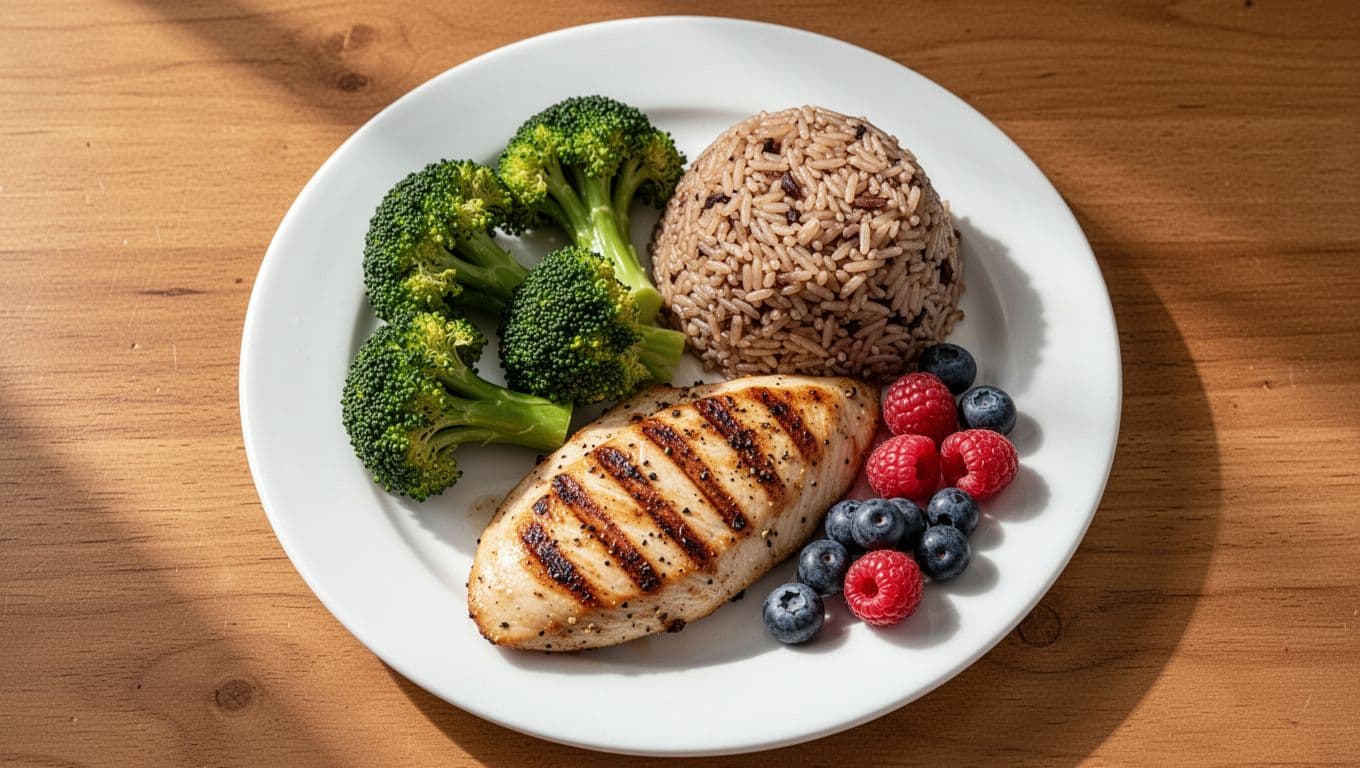
Build meals around whole foods
A good meal usually starts with foods that still look like food. Vegetables, fruit, whole grains, lean proteins, nuts, and beans give you more nutrients and more staying power than a meal built around chips, fries, or something from a wrapper.
Try this simple structure: half your plate vegetables, one quarter protein, and one quarter whole grains or another high-fibre carb. That could be salmon with rice and broccoli, chicken with roasted potatoes and salad, or beans with brown rice, peppers, and avocado. The CDC’s healthy eating tips point in the same direction, keep the base of your meals nutrient-dense and simple.
Whole foods also help with energy. They digest more steadily, so you are less likely to crash mid-afternoon or reach for snacks an hour after lunch.
Get enough protein and fibre without overthinking it
Protein helps keep muscle on your frame, especially if you exercise or are trying to stay strong as you get older. If you want an actual number to aim at, this breaks down how much protein to aim for after 50. Fibre helps your digestion, keeps you full, and supports heart health. When both show up in a meal, you usually eat better without trying too hard.
Easy wins are everywhere:
- Protein: eggs, chicken, Greek yoghurt, beans, fish, and tofu
- Fibre: oats, berries, vegetables, beans, lentils, and whole grains
A breakfast like oats with berries and Greek yoghurt works. So does a lunch of chicken, beans, and vegetables. Fibre does double duty here, since it also feeds the bacteria in your digestive system, which is covered in our guide to gut health.
Cut back on the foods that work against your goals
A few habits can quietly chip away at energy and heart health. Highly processed foods, too much sugar, excess salt, and frequent fast food can add up fast, especially when they show up day after day.
That does not mean you have to ban your favourite foods. It means you should stop letting them run the show. If you want a better default, swap soda for water, fries for a baked potato or side salad, and processed snacks for fruit, nuts, or yoghurt. Small changes like that are easier to keep, and they still move you in the right direction.
If you eat out often, look for meals with a clear protein, a vegetable, and a whole grain. That one habit makes it easier to stay full, steady, and on track without turning every meal into a project.
Protect your sleep, stress, and mental health
Getting stronger is only part of the picture. If your sleep is off, your stress is piling up, or your mind feels overloaded, the rest gets harder fast. Recovery is not lazy time, it’s part of staying healthy.

Aim for 7 to 9 hours of sleep when you can
Good sleep helps you feel sharper, steadier, and more in control. It supports energy, focus, mood, workout recovery, and appetite control, which is why a rough night can throw off your whole day. When sleep falls apart, you may feel more tired, hungrier, and less patient than usual.
A few simple habits make a real difference:
- Keep a steady bedtime and wake-up time.
- Cut back on screens late at night.
- Give yourself a short wind-down routine before bed.
- Keep the room cool, dark, and quiet.
Think of sleep like a recharge cable for your body and brain. If you only plug in for a few minutes, you don’t get much back. Sleep and metabolic health are closely tied, and that shows up in how you think, train, and eat the next day.
Use simple stress relief before it piles up
Stress is normal. Letting it build without an outlet is where it starts to wear you down. The goal is not to erase stress, it’s to stop it from running the show.
Low-cost habits can help you reset without making a big production out of it. Go for a walk, take a few slow breaths, pray, sit still for a few minutes, write things down, or talk to someone who gets it. The CDC’s guidance on managing stress keeps the advice practical, and that’s the point.
If you need a quick release, try one small thing first:
- A 10-minute walk outside
- Five slow breaths before checking your phone
- Journaling what actually bothered you
- A short call with a friend or family member
Stay connected instead of handling everything alone
A lot of men try to carry everything in silence. That usually makes stress heavier, not lighter. Time with friends, family, or a support group can take the edge off and remind you that you’re not stuck solving every problem by yourself.
Connection matters more than people admit. Research on social ties consistently links them to better mood, lower stress, and better long-term health, and isolation carries a cost that many men underestimate. Staying in touch is not a soft extra, it is part of the maintenance.
Check in with other people before things get bad. Ask how they’re doing, answer the text, make the call, show up when you can. And if you need help, say it plainly. Most of the time, that first honest conversation is the one that opens the door.
Avoid the habits that quietly damage men’s health
Some habits do damage in plain sight. Smoking, vaping, and heavy drinking may feel routine, but they chip away at stamina, recovery, heart health, and focus over time. If you want your healthier habits to stick, these are the ones to cut first.
Do not smoke or vape
Tobacco use raises the risk of lung disease, heart disease, stroke, and several cancers. It also makes exercise feel harder and slows recovery, which means your workouts, sleep, and energy all take a hit. Vaping is not a safe backup plan, either. Nicotine still raises heart rate and blood pressure, and it can keep you hooked just like cigarettes.
If you smoke or vape, quitting helps at any age. That matters because your body starts getting some of the benefits soon after you stop. The CDC’s benefits of quitting smoking show that the payoff starts quickly and keeps building over time.
There is no healthy version of nicotine addiction. The sooner you stop, the less damage it can do.
A better approach is simple:
- Pick a quit date and tell someone.
- Remove triggers like cigarettes, pods, and lighters.
- Use support if you need it, including counselling or nicotine replacement.
Keep alcohol in a modest range
Less alcohol is usually better for sleep, weight, and long-term health. Even if you do not drink heavily, regular alcohol can still mess with rest and recovery, and that can show up as low energy the next day. The CDC advises drinking less or not drinking at all to lower alcohol-related health risks. If you do not drink, there is no health reason to start.
A drink is smaller than many people think, about 12 ounces of beer, 5 ounces of wine, or 1.5 ounces of liquor. The CDC’s moderate alcohol use guidance keeps it clear, and the takeaway is simple, the less you drink, the easier it is on your body.
If drinking is part of your routine, set a limit before the night starts. Keep some alcohol-free days in the week, swap in water or sparkling water, and pay attention to the pattern, not just the amount. Small cuts here can make sleep better, waistlines smaller, and health risks lower.
Make checkups and prevention part of the plan
Healthy habits work better when you back them up with preventive care. You can eat well, move often, and sleep enough, but regular checkups help catch problems before they turn into bigger ones. That matters, because a lot of men feel fine right up until a number is off or a test shows a risk they never saw coming.

Do not wait for a problem before seeing a doctor
If you only go to the doctor when something hurts, you can miss the early warning signs. High blood pressure, rising cholesterol, and blood sugar problems often show up without symptoms at first. A routine visit gives you a chance to catch those issues early, while they are still easier to manage.
That does not mean every appointment needs to be a big deal. A yearly checkup, or the schedule your doctor recommends, can help you stay on top of the basics, ask questions, and keep track of changes over time. For men who tend to put health on the back burner, that one habit can make a real difference. For more detail, read Healthy Ageing Explained: What Actually Changes Over Time?.
A checkup is not a sign that something is wrong. It is a way to stay ahead of what might be coming.
Watch the numbers that matter most
Some screenings tell you a lot about your future health. Blood pressure shows how hard your heart is working. Cholesterol helps reveal heart disease risk. Blood sugar can point to prediabetes or diabetes before you feel any warning signs.
These tests are simple, but they matter. A quick screening can reveal hidden trouble long before symptoms start, and that gives you more time to make changes that actually help. Taken together, these numbers are really a picture of your metabolic health, and they respond to the same habits covered above.
A good preventive plan usually keeps an eye on:
- Blood pressure
- Cholesterol
- Blood sugar
- Age-appropriate cancer screenings
When you track the numbers that count, healthy habits stop being guesswork and start becoming a plan.
Conclusion
Healthy habits every man should practice do not have to be complicated. The biggest payoff comes from doing the basics often enough to matter, not from chasing a perfect routine you cannot keep.
Move more, eat better, sleep enough, and make stress easier to handle before it piles up. Cut out tobacco, keep alcohol in check, and stay on top of checkups so small problems do not turn into bigger ones.
That is the real goal here, a repeatable routine that fits your life and holds up over time. Small steps add up faster than most men think, and the best time to start is now.