

Blood sugar doesn’t only matter if you have diabetes. It can shape how steady your energy feels, how hungry you get, how well you sleep, and what your heart and brain deal with over time.
That doesn’t mean you need to fear every carb. Good blood sugar health is usually about fewer sharp swings, not perfection. Once you see how glucose, insulin, food, stress, and sleep all connect, daily choices start to make a lot more sense.
Steady blood sugar isn’t about eating “perfectly.” It’s about reducing the hard ups and downs that wear you out.
What blood sugar is, and why it matters
Blood sugar means glucose circulating in your bloodstream. Your body gets it mostly from carbohydrates, though the liver can also make glucose when needed. Every cell uses it, and your brain depends on it heavily.
So glucose itself isn’t bad. The issue is balance. Too little, and you can feel shaky or foggy. Too much, too often, and your body takes a hit.
Insulin keeps the traffic moving
Insulin is the hormone that helps move glucose out of the blood and into cells. Think of it like a traffic cop. When the signal works, fuel gets where it needs to go. When the system is overwhelmed or your body becomes less responsive to insulin, sugar stays in the blood longer.
That can happen gradually. Prediabetes often builds with no obvious warning signs. A high intake of added sugar and highly processed food can be part of that picture, especially when it comes with weight gain, poor sleep, and inactivity. A review on high-sugar diets and health impacts links that pattern with metabolic and cardiovascular problems.
What swings can feel like in daily life
Ever eat a pastry and sweet coffee, feel great for an hour, then crash? That’s a common blood sugar story. Fast-digesting carbs can push glucose up quickly. Your body answers with insulin, and the rebound can leave you sleepy, hungry, and reaching for more food.
That cycle doesn’t only affect appetite. Some people notice headaches, brain fog, or feeling “off” after big swings. A meal with fiber, protein, and some fat usually lands more gently.
Dips can feel shaky, foggy, or irritable
Low blood sugar is more common in people taking diabetes medication, but milder dips can happen after long gaps without food, hard exercise, or a high-sugar meal followed by a crash. You might feel shaky, sweaty, lightheaded, anxious, or snappy.
Mood changes matter here. Your brain likes a steady fuel supply. When glucose drops fast, patience and concentration often go with it. That’s one reason blood sugar and health are tied to more than lab numbers. They show up in your afternoon meeting, your drive home, and your ability to think clearly.
Why high blood sugar affects the whole body
Chronically high blood sugar can damage the lining of blood vessels. That makes it easier for inflammation and plaque to build. Over time, the risk of heart disease and stroke goes up.
Added sugar doesn’t act alone, but it often travels with other problems. Harvard Health’s overview of sugar risks points to higher blood pressure, inflammation, weight gain, fatty liver disease, and diabetes as part of the same web.
Your kidneys, eyes, nerves, and brain do too
Small blood vessels are especially vulnerable. That’s why poorly controlled blood sugar can affect the kidneys and eyes. Nerve damage can show up as tingling, numbness, pain, or changes in digestion.
The brain isn’t separate from this. Blood sugar swings can hurt focus in the short term, and long-term metabolic problems are linked with cognitive decline. Dartmouth Health’s article on what sugar does to the body also notes links between excess added sugar, chronic inflammation, and cardiovascular risk. This isn’t a scare tactic. It’s a reminder that the body keeps score quietly, then all at once.
Food and movement that support steadier levels
Build meals that slow the rush
A blood-sugar-friendly meal doesn’t have to be fancy. It usually has fiber, protein, and some healthy fat. That mix slows digestion and helps glucose enter the bloodstream at a steadier pace.
A few simple upgrades work well:
- Swap juice for whole fruit.
- Add eggs, Greek yogurt, tofu, beans, fish, or chicken to meals.
- Choose oats, lentils, brown rice, or potatoes with the skin instead of ultra-refined carbs.
- Put vegetables on the plate first, not as an afterthought.
A common mistake is focusing only on sweets. White bread, sugary drinks, oversized cereal bowls, and “healthy” snack bars can spike blood sugar too.
Muscle acts like a glucose sponge
Movement helps right away. When muscles contract, they use glucose for energy. Regular exercise also makes your body more sensitive to insulin, which means it doesn’t need to work as hard.
You don’t need marathon training. A 10 to 15-minute walk after meals can help. Resistance training matters too because muscle tissue improves glucose handling. The sweet spot for most adults is simple: walk more, sit less, and do some strength work during the week.
Sleep and stress can push numbers around
Poor sleep changes hormones
One rough night can leave you hungrier the next day. That’s not weak willpower. Sleep loss changes hormones that affect appetite, stress, and insulin sensitivity.
People who sleep poorly often crave quick energy, which usually means more sugar and refined carbs. Then the cycle keeps going. If you’re trying to improve blood sugar, a consistent sleep schedule is not optional background stuff. It’s part of the work.
Stress raises blood sugar, even without food
Stress hormones tell the body to release more glucose. That’s useful in a real emergency. It’s less useful during a week of deadlines, bad sleep, and constant phone alerts.
Try the boring basics because they work: regular meals, short walks, slower evenings, and a few minutes of breathing, stretching, or quiet time. These habits won’t erase chronic stress, but they can lower the physiological pileup that pushes blood sugar in the wrong direction.
When it’s time to talk to a healthcare professional
Symptoms you shouldn’t brush off
See a clinician if you have unusual thirst, frequent urination, blurry vision, repeated infections, slow-healing cuts, unexplained weight loss, or fatigue that doesn’t make sense. Numbness or burning in the feet also deserves attention.
These symptoms can have more than one cause. Still, they shouldn’t be self-diagnosed away.
Useful tests and next steps
A healthcare professional may check fasting glucose, A1C, or other labs based on your risk factors and symptoms. If you have a family history of diabetes, had gestational diabetes, carry extra abdominal weight, or have high blood pressure, screening matters even more.
This kind of article can help you notice patterns. It can’t tell you what your numbers are.
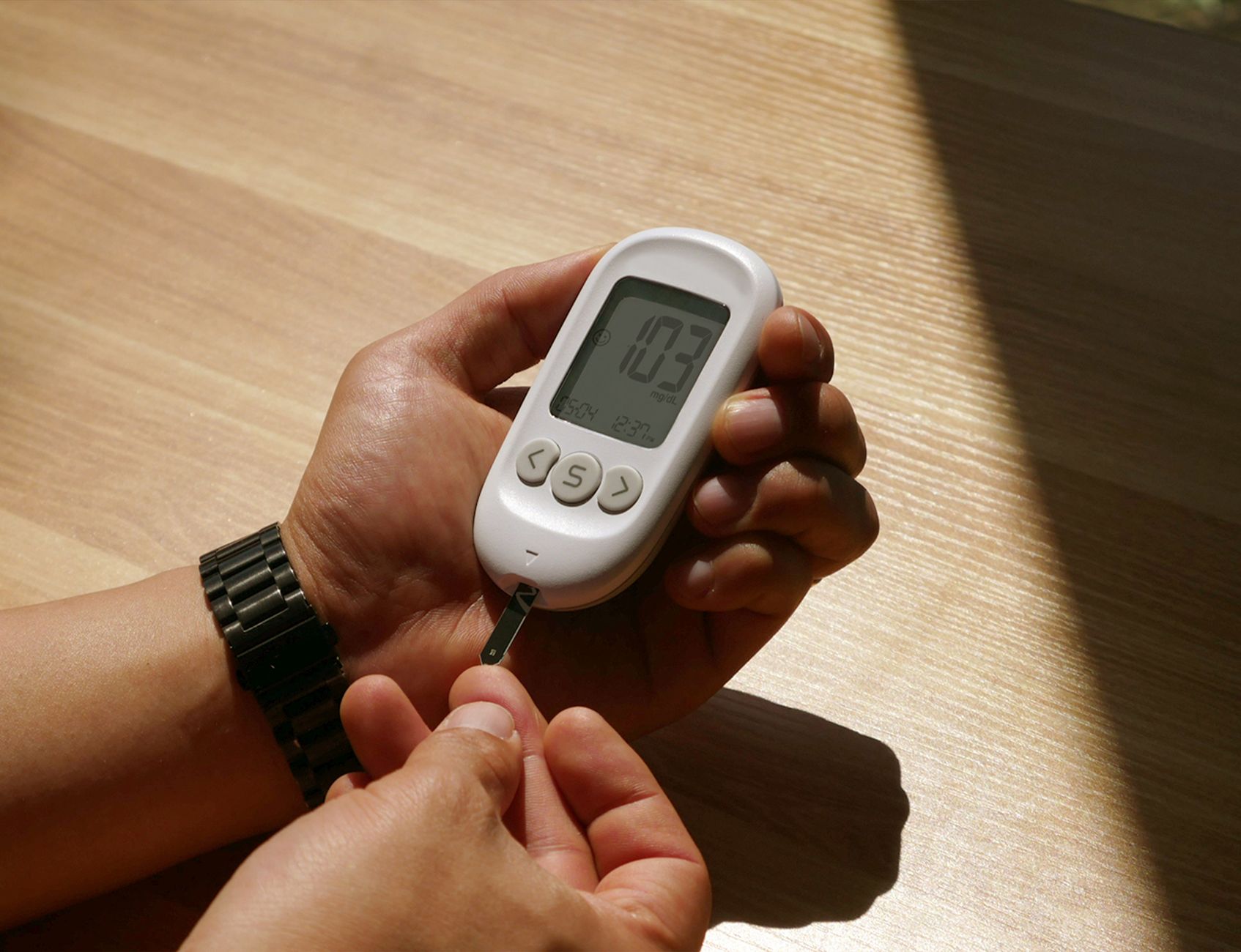
Photo by i-SENS, USA
FAQ
Can people without diabetes have blood sugar problems?
Yes. Prediabetes is common and often silent. Some people without diabetes also notice energy crashes, intense hunger, or shakiness after long gaps between meals or high-sugar foods.
Are fruit and carbs bad for blood sugar?
No. Whole fruit contains fiber, water, and nutrients. Carbs are not the enemy either. Portion size, food quality, and what you pair them with matter more than blanket rules.
Does walking after meals really help?
Often, yes. Even a short walk can help muscles use glucose and reduce a big post-meal rise. It isn’t magic, but it’s one of the simplest habits that pays off.
What’s a normal fasting blood sugar?
Lab ranges can vary, and context matters. That’s why it’s best to review your numbers with a clinician instead of guessing from the internet.
Can stress alone raise blood sugar?
It can. Stress hormones push stored glucose into the bloodstream. If stress is chronic, sleep is poor, and meals are irregular, the effect can be stronger.
Conclusion
Blood sugar touches more of daily life than most people realize. It’s tied to your energy, mood, appetite, sleep, and long-term risk, all at once.
The good news is that steadying it usually starts with ordinary things: balanced meals, more walking, better sleep, less liquid sugar, and paying attention to patterns. Better blood sugar health is rarely about one dramatic fix. It’s usually the result of small choices that stop the roller coaster.