

You can look fine on the outside, feel mostly okay, and still have early signs that your body isn’t handling fuel well. That’s what makes metabolic health easy to miss.
It also gets confused with “having a fast metabolism.” They aren’t the same thing. Metabolic health is about how well your body manages blood sugar, blood fats, blood pressure, and energy over time.
Get this part straight, and a lot of health advice starts to make more sense.
A “fast metabolism” might sound good, but good metabolic health is the real goal.
What metabolic health actually means
Your metabolism is the set of chemical processes that keep you alive. It turns food into energy, builds and repairs tissue, and helps regulate hormones. Metabolic health asks a different question: How well is that system working?
A simple overview of metabolism and metabolic health separates these ideas well. You can burn calories at a normal rate and still have problems with insulin sensitivity, blood pressure, or blood fats.
The main markers tell the story
Doctors usually look at a handful of markers together. These include fasting blood sugar or A1c, triglycerides, HDL cholesterol, blood pressure, and waist size. Some also look at LDL cholesterol, liver enzymes, and family history to fill in the picture.
A review of metabolic health and homeostasis describes this as your body’s ability to keep internal systems in balance. No single number gives the full answer. Trends matter more than one isolated lab result.
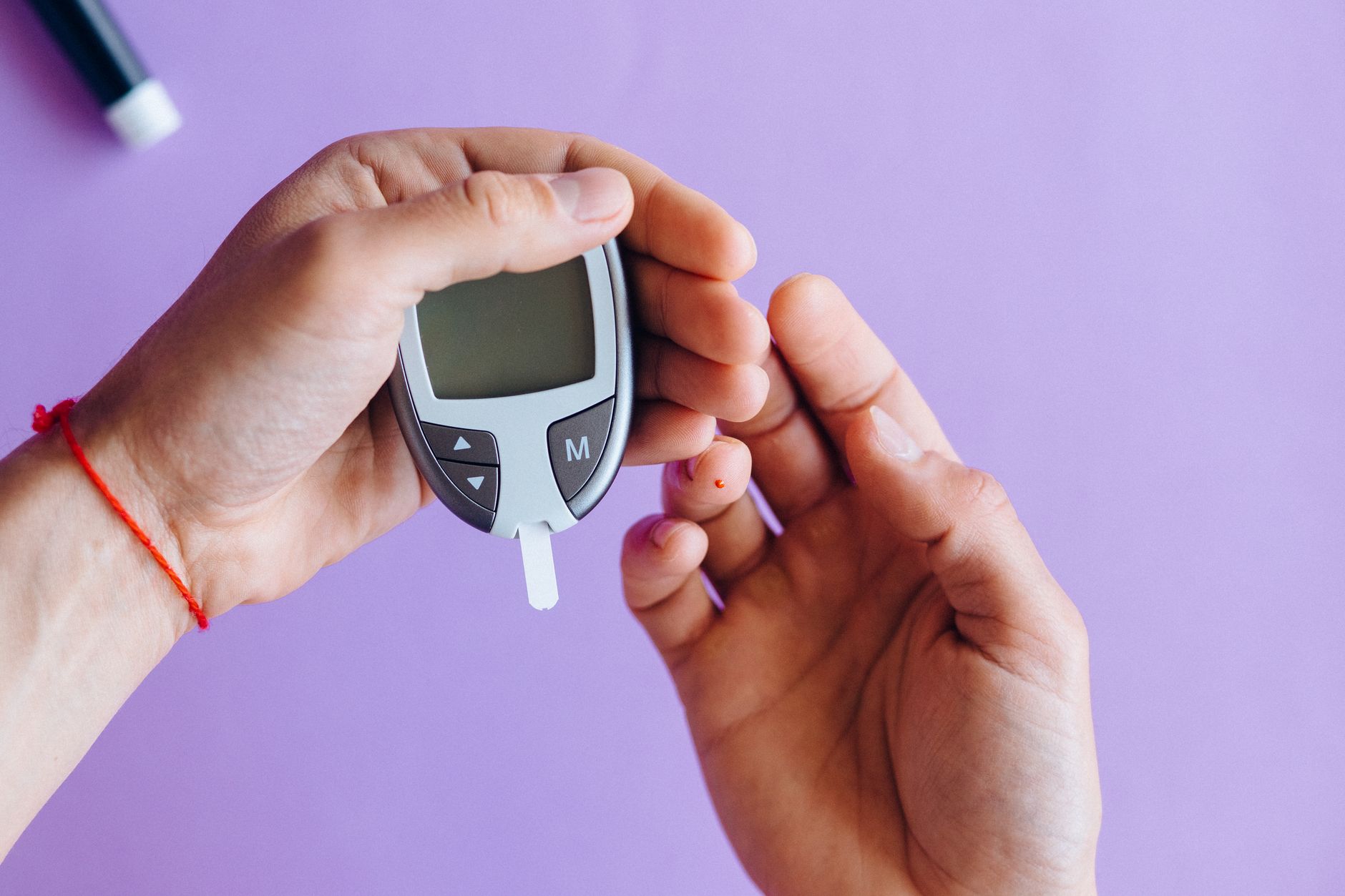
Photo by Nataliya Vaitkevich
Why it matters beyond the scale
You feel it in everyday life
When your body handles glucose well, energy tends to feel steadier. Hunger is easier to read. Cravings don’t hit as hard, and that mid-afternoon crash often softens.
When blood sugar swings more than it should, the opposite can happen. You may feel sleepy after meals, hungry again too soon, foggy, or irritable. None of those signs prove poor metabolic health on their own, but they can be part of the pattern.
The long game matters too
Over time, poor metabolic health can raise the risk of type 2 diabetes, heart disease, stroke, and fatty liver disease. It can also affect kidney health and increase inflammation.
That doesn’t mean one high reading equals disaster. Risk builds over years, and it usually changes in response to habits, sleep, stress, age, medications, hormones, and genetics. The point isn’t panic. The point is paying attention while the problem is still manageable.
Body size tells only part of the story
Smaller bodies can still carry risk
Plenty of people assume thin means healthy. It doesn’t. Someone can have a smaller body and still have high blood sugar, high triglycerides, low HDL, or excess visceral fat, which is fat stored around the organs.
This is one reason scale weight is a weak shortcut. If you focus only on appearance, you can miss meaningful risk.
Larger bodies aren’t one story either
The reverse is true too. People in larger bodies can have better metabolic markers than people who weigh less. Activity level, muscle mass, sleep quality, diet pattern, stress, genetics, menopause, PCOS, and medications all shape risk.
Weight still matters in some cases, since excess abdominal fat can worsen insulin resistance. But it isn’t the whole report card. A better question is, “What do the markers show, and what are my habits like right now?”
The habits that help most
You don’t need a perfect diet or a trendy reset. Most people do better with boring, steady basics: more fiber, enough protein, more minimally processed foods, and fewer meals built around sugar and refined starch alone.
A meal with beans, vegetables, olive oil, fish, yogurt, eggs, nuts, or whole grains usually lands differently than a meal of soda and pastries. Pairing carbs with protein, fat, or fiber can also slow how fast glucose rises after eating.
A practical place to start is simple. Build one or two meals you can repeat during busy weeks. Common mistakes include skipping meals all day, overeating late at night, or chasing supplements while ignoring the actual food.
Muscle and movement change the math
Your muscles act like a major storage site for glucose. When you walk, carry groceries, climb stairs, or lift weights, muscle cells pull more glucose out of the bloodstream. That helps insulin do its job with less strain.
Aim for regular movement most days, and include some strength work each week. You don’t need heroic workouts. A brisk 10-minute walk after meals, two short resistance sessions, and less sitting can make a real difference.
Sleep, stress, and checkups matter more than people think
Bad sleep can throw off blood sugar
One rough night won’t wreck anything. A steady pattern of short or poor sleep is different. Sleep loss can make your body less sensitive to insulin, raise hunger hormones, and make high-sugar foods feel harder to resist.
That’s why people sometimes “eat well” and still feel stuck. The missing piece may be recovery. A regular sleep schedule, less late-night screen time, and a cooler, darker bedroom often help more than people expect.
Stress and routine medical care both count
Stress isn’t only a mood issue. When stress stays high, cortisol can push blood sugar up and make appetite less predictable. Some people skip meals and then overeat later. Others snack through the day without noticing. Both patterns can work against better metabolic health.
Routine checkups help because guessing has limits. A primary care visit can check blood pressure, A1c, fasting glucose, lipids, and other markers that fit your history. If you want a quick reference, these markers of metabolic health are a solid starting point. It’s not personalized medical advice, but it gives you a clearer map than the bathroom scale ever will.
Metabolic health isn’t some niche wellness term. It’s the day-to-day reality of how well your body handles fuel, stress, sleep, and movement.
The useful part is this: many of its biggest drivers are modifiable. Better meals, more muscle, steadier sleep, lower stress, and routine lab work can shift the picture.
If you want one thought to keep, make it this: how you feel matters, but numbers matter too. When both start moving in a better direction, long-term health usually gets easier to protect.
FAQ
Can you be thin and still have poor metabolic health?
Yes. A smaller body does not guarantee good blood sugar, healthy triglycerides, or low visceral fat. That’s why lab work, blood pressure, and waist size can matter more than appearance alone.
Is metabolic health the same as metabolism?
No. Metabolism is the set of processes that keep your body running. Metabolic health is about how well those processes regulate things like glucose, blood fats, and blood pressure.
What tests usually check metabolic health?
Common checks include fasting glucose, A1c, triglycerides, HDL cholesterol, blood pressure, and waist circumference. Your clinician may also look at LDL cholesterol, liver enzymes, and family history.
How long does it take to improve?
It varies. Some people notice steadier energy and appetite within weeks. Lab changes often take longer, and they depend on the habit, the starting point, sleep, stress, medications, and health history.
Do supplements fix metabolic problems?
Usually not on their own. Some supplements may help in specific cases, but they don’t replace sleep, movement, food quality, or medical care. If a claim sounds easy, it’s usually oversold.