
Healthy aging habits rarely come from one big decision. They usually come from small choices you repeat until they feel normal. That’s good news, because the best habits don’t need fancy gear, expensive programs, or a total life overhaul. They need a place to start, and a version that fits your body right now.
Move Your Body on Your Own Terms
If you want one habit that pays off almost everywhere, start here. Regular movement helps with strength, balance, mood, sleep, blood sugar, and day-to-day independence.
The National Institute on Aging’s overview of healthy aging points to the same pattern seen again and again: people who stay active tend to keep more function as they get older.
You don’t need to train like an athlete. A good target is about 150 minutes a week of moderate activity, plus strength work twice a week. That sounds like a lot until you break it up. Ten minutes after meals. A short walk while the coffee brews. Sit-to-stands during a TV break.
The best exercise plan isn’t the hardest one. It’s the one you’ll still be doing next month.
Strength matters more than many people realize. Muscle naturally declines with age, and that can make stairs, carrying groceries, and getting up from a chair harder than they used to be. Bodyweight squats to a chair, wall pushups, light dumbbells, and resistance bands all count.
If you’re not sure where to begin, keep it plain:
- Start with 5 to 10 minutes of walking if you’re mostly sedentary.
- Try chair exercises or water exercise if your joints are cranky.
- Add heel raises, single-leg stands near a counter, or tai chi if balance feels shaky.

Also, sit less. Long stretches in a chair can turn the whole day sluggish. Stand up during phone calls. Walk the hallway once an hour. Small bursts matter more than people think.
Eat for Strength, Energy, and Bone Health
Food doesn’t need to be perfect to help you age better. It needs to be steady, simple, and built around real ingredients more often than not.
A strong default plate looks boring in the best way: vegetables, fruit, beans, whole grains, nuts, and a source of protein such as fish, eggs, yogurt, tofu, chicken, or lentils. That’s the kind of pattern described in science-based healthy aging tips from MedlinePlus Magazine.
One thing deserves extra attention in midlife and later years: protein. Your body gets less efficient at building and repairing muscle over time. That means a skimpy lunch of crackers and coffee won’t do you many favors. Think eggs and fruit, Greek yogurt with nuts, bean soup, tuna on whole-grain toast, or chicken with roasted vegetables.
Hydration matters too. Thirst can get less reliable with age, and even mild dehydration can leave you tired, foggy, or headachy. Keep water where you can see it. Sip through the day, not only when you remember.
This doesn’t need to be expensive. Frozen vegetables are fine. Canned beans are fine. Oatmeal is fine. Rotisserie chicken plus a bagged salad is fine. A lot of healthy aging habits work because they’re repeatable, not because they’re fancy.
What helps less? Ultra-processed foods that crowd out better ones, excess salt, a steady stream of sugary drinks, and more alcohol than your body handles well. Less is usually better, especially for sleep, blood pressure, and fall risk.
Protect Sleep and Give Your Body Time to Recover
People often treat sleep like it’s optional. Then they wonder why everything feels harder.
Sleep is where your brain sorts information, your body repairs tissue, and your mood gets a fighting chance. Most adults do best with 7 to 9 hours a night. That doesn’t mean you have to sleep perfectly. It means sleep deserves the same respect as food and movement.
Start with routine. Get up around the same time most days. Dim the lights at night. Keep your bedroom cool and quiet. If screens pull you in, charge the phone outside the room or at least out of reach. If caffeine messes with you after lunch, believe your body and cut it earlier.
Recovery isn’t only about nighttime. It also means pacing yourself. If you overdo activity one day and pay for it three days later, the habit won’t last. A shorter walk you can repeat beats a heroic walk that leaves you sidelined.
Stress plays into this more than people expect. A mind that never settles can make good sleep feel impossible. Try a wind-down ritual that doesn’t ask much: a warm shower, a few slow breaths, gentle stretching, prayer, reading, or quiet music. Nothing fancy. Just a signal that the day is ending.
If you snore loudly, wake gasping, feel sleepy all day, or your legs won’t stay still at night, bring it up at a checkup. Poor sleep is common, but it isn’t something you have to shrug off forever.
Keep Your Brain Busy and Your Relationships Active
A sharp mind doesn’t come from crossword puzzles alone, though puzzles are fine. It comes from a mix of movement, sleep, social contact, and mental challenge.
That broader picture lines up with Mayo Clinic’s brain health tips, which tie brain function to everyday habits, not one magic supplement or memory trick.
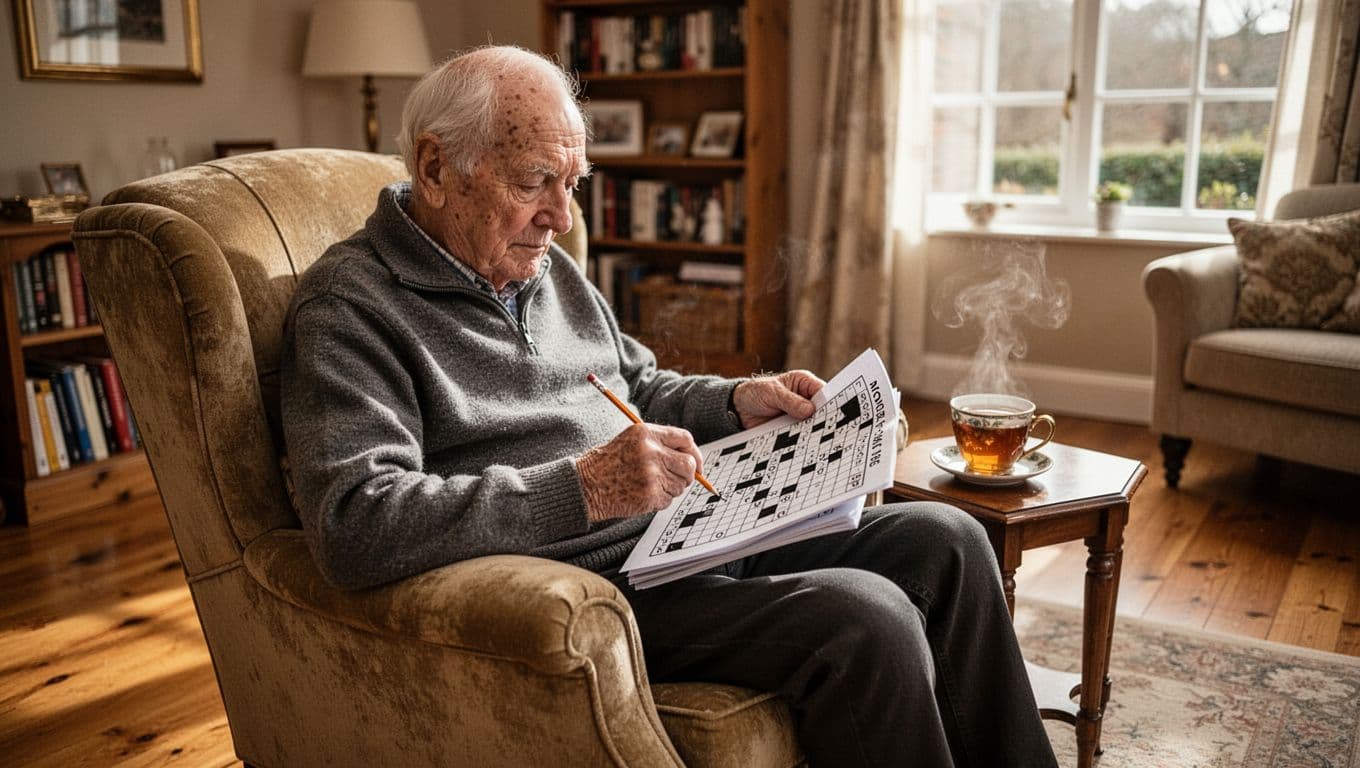
Curiosity helps. Read about something you don’t already know. Learn a few words in another language. Take a community class. Try a new recipe without staring at the card every ten seconds. Brains like novelty, practice, and repetition.
So do people. Loneliness isn’t only sad, it can chip away at motivation, energy, and routine. Regular contact matters, even when life gets smaller after retirement, illness, or loss. A weekly walk with a neighbor counts. So does calling your sister every Sunday, joining a book club, sitting at a senior center lunch, or showing up at church, temple, or a volunteer shift.
If you’re caring for a parent or partner, this matters for you too. Caregivers often let their own social life collapse first. Try not to. Even one standing plan each week can keep the walls from closing in.
And no, this doesn’t need to look cheerful all the time. Some days it means texting one friend. Some days it means sitting on the porch with someone and saying little. Connection still counts.
Don’t Ignore the Boring Habits
The boring habits are often the ones that keep life running smoothly.
Keep up with routine medical care. Screenings, vaccines, dental visits, eye exams, hearing checks, and medication reviews can catch problems early or make daily life easier. A medication that causes dizziness, for example, may matter as much as your exercise plan if you’re trying to prevent a fall.
Your home matters too. Good lighting, clear walkways, handrails, shoes with grip, and fewer loose rugs can lower the odds of injury. Balance and strength work help, but your environment needs to stop working against you.
Skin care belongs on this list. Aging skin gets thinner, drier, and easier to irritate. A gentle cleanser, daily moisturizer, sunscreen, and protective clothing go a long way. Pay attention to slow-healing sores, new spots, or places that itch or bleed. Those deserve a closer look.
This section is also where the old advice still holds up because it’s true. If you smoke or vape, quitting helps at any age. If you drink, keep it modest. If you’re overwhelmed, ask for help sooner, not later.
None of this is glamorous. That’s the point. The daily stuff keeps you steadier than the dramatic stuff.
Start Smaller Than You Think
Aging well isn’t about winning a contest against time. It’s about keeping more of what makes life feel like yours, your strength, your balance, your energy, your independence.
Pick one or two healthy aging habits you can start today. A 10-minute walk. A real breakfast. A regular bedtime. A call to a friend. Small choices stack up, and they usually matter more than the perfect plan you never begin.