

Losing some muscle as you get older is common. The medical term is sarcopenia, which means age-related loss of muscle mass, strength, and physical function.
That doesn’t mean every change is harmless. If weakness starts to affect stairs, grocery bags, walking speed, or getting out of a chair, it may be more than “normal ageing.”
The upside is simple: muscle loss with ageing is not something you have to shrug off. The first step is understanding why it happens.
How to Maintain Muscle: Understand Age-Related Muscle Loss
Muscle follows a pretty blunt rule, use it or lose it. With age, your body becomes a little less efficient at building and repairing muscle, especially after long periods of sitting, illness, or too little protein.
Ageing is only part of the story. Lower activity levels, hormone changes, chronic inflammation, illness, poor appetite, and recovery after injury can all push muscle down faster. Some people also become less responsive to protein over time, which means the same meal that once helped maintain muscle may not do as much later on.
Normal age-related changes versus muscle loss that matters
A mild change in strength is common. You might notice you tire out sooner after yard work, need a hand on the armrest to stand up now and then, or feel less steady carrying heavy laundry.
Sarcopenia becomes more concerning when weakness changes what you can do day to day. Walking gets slower. Climbing stairs feels like a project. Getting up from a low chair takes more effort. Carrying groceries, opening jars, or getting off the floor becomes hard enough that you start avoiding those tasks.
That difference matters. Muscle loss is not only about body size. It’s about function, safety, and independence. For a plain-language medical overview, Cleveland Clinic’s sarcopenia guide explains the condition and how it affects strength and movement.
Common risk factors that speed up muscle loss
The biggest driver is inactivity. Long stretches of sitting, bed rest after surgery, or a slow recovery after illness can cut into strength faster than many people expect.
Poor nutrition matters too. If you’re not eating enough protein, or not eating enough overall, your body has less raw material to maintain muscle. Unplanned weight loss is a major warning sign because it often means muscle is being lost along with body fat.
Other factors can pile on. Chronic diseases such as diabetes, heart failure, lung disease, arthritis, and kidney disease can affect energy, appetite, and movement. Smoking hurts muscle health. Some medicines can lower appetite, increase fatigue, or make exercise harder to keep up with.
Signs of muscle loss you shouldn’t ignore
Muscle loss often starts quietly, then shows up in ordinary moments. A weaker grip may be the first clue. Maybe you use both hands to lift a pan you once carried easily. Maybe you pause before stairs or look for a railing more often.
Everyday clues that strength is fading
If rising from a chair without pushing hard through your arms has started to feel difficult, that is worth mentioning at your next checkup rather than treating as a self-diagnosis. Slower walking is another. If your pace has changed a lot, or friends keep waiting for you, take that seriously.
Fatigue can show up earlier too. Not the usual “I had a busy day” kind, but the kind that makes simple tasks feel heavy. Balance problems matter here as well. Repeated stumbles, near-falls, or a new habit of avoiding uneven ground can be early signs that leg strength and power are slipping.
If weakness is changing how you move through a normal day, don’t write it off as “just getting older.”
When to talk with a doctor or physical therapist
A checkup makes sense if you’ve noticed a clear drop in strength, trouble with stairs, more than one fall, or a big change in what you can do on your own. Rapid weakness deserves faster attention. So does unexplained weight loss.
A physical therapist can help spot weak muscle groups, balance problems, and movement habits that raise fall risk. A doctor can look for causes that need treatment. If weakness is happening along with memory or focus changes, our guide to brain health, is a useful companion read.
How doctors diagnose sarcopenia
Diagnosis is not based on looks alone. Someone can have a normal body weight and still have low muscle strength.
At an appointment, a clinician will usually ask about falls, walking, fatigue, weight change, appetite, illness, medicines, and how daily tasks feel now compared with a year ago.
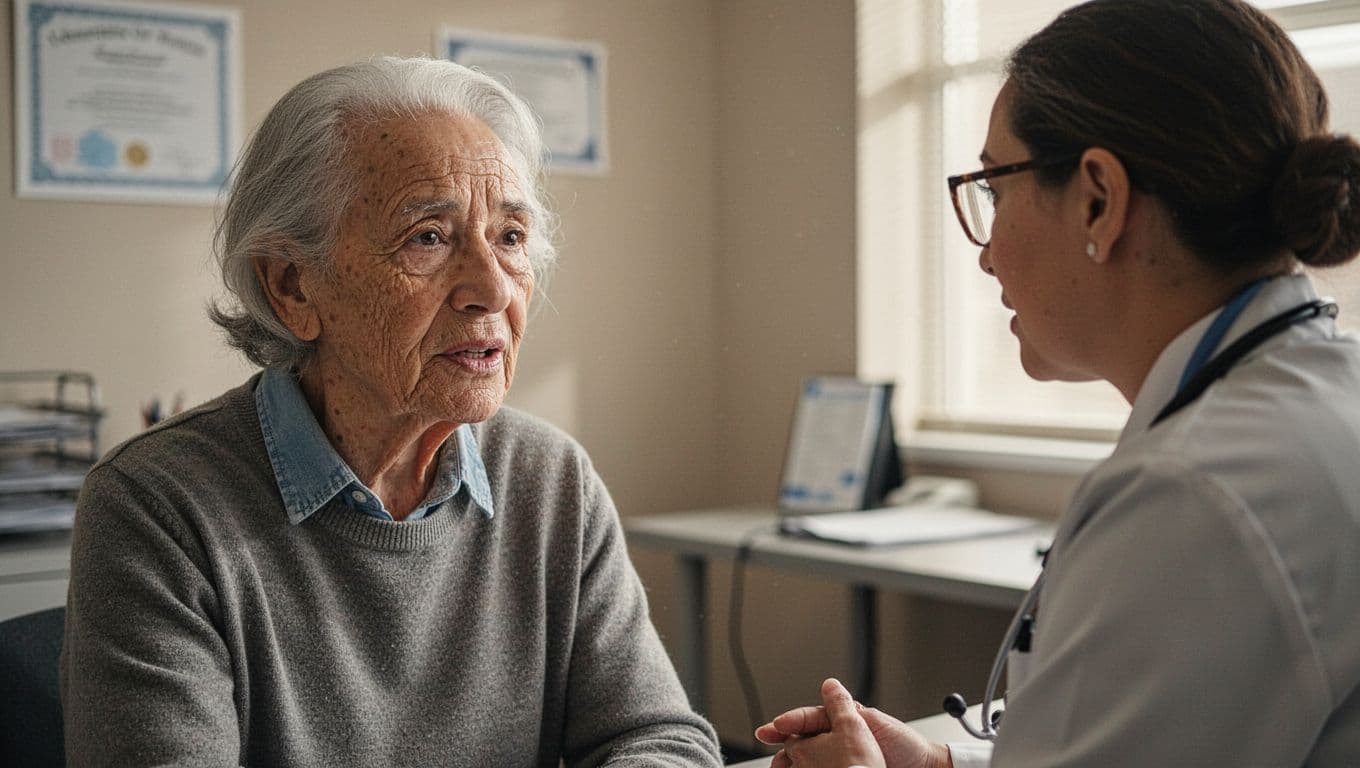
Simple tests doctors may use to check strength and function
Many clinicians start with handgrip strength because it is quick and useful. They may also watch how fast you walk, time how long it takes you to stand up from a chair several times, or ask whether you can climb stairs, shop, carry bags, and get dressed without help.
If low strength shows up, muscle mass may be checked with body composition testing such as DXA or bioelectrical impedance analysis. Walking speed and chair rise tests can also help show how severe the problem is.
Why diagnosis matters before starting treatment
This step matters because sarcopenia can look like other problems. Low vitamin D or B12, thyroid disease, nerve disorders, depression, medication side effects, and heart or lung disease can all cause weakness or fatigue.
Getting the right diagnosis helps build the right plan. Current guidance leans toward early screening in at-risk older adults, confirmation with strength and muscle testing, then treatment built around exercise and nutrition. It also helps rule out medical issues that need separate care.
What helps slow muscle loss with ageing
There’s no single pill that fixes age-related muscle loss. The strongest first-line treatment is still resistance training, supported by enough protein and steady daily movement.

Strength training that helps rebuild muscle
Progressive resistance training sounds technical, but the idea is simple. For a ready-made place to start, our safe at-home strength routine lays out six beginner-friendly moves and how to progress them. Muscles need work that gets a little harder over time. That could mean more repetitions, slightly more weight, a stronger resistance band, or better control through the full movement.
Good options include chair squats or sit-to-stands, step-ups, resistance-band rows, wall or counter push-ups, and carrying light weights with good posture. If stiff hips make squats or step-ups feel awkward, working through some mobility exercises for stiff hips first usually restores enough range to train those patterns properly. Many guidelines support training about two to three times per week. If you’re new to exercise, have pain, or have fallen recently, getting started with a physical therapist or qualified trainer is a smart move.
The key is consistency. One hard workout won’t change much. A few manageable sessions every week often do.
Protein, daily movement, and recovery all support results
Exercise gives muscles a reason to adapt. Protein gives them material to rebuild. Protein needs are higher for older adults who are losing muscle, but the right daily target is individual, and kidney disease changes it substantially. A doctor or registered dietitian can set a figure that fits your situation.
It helps to spread protein across meals instead of saving most of it for dinner. Eggs, yoghurt, fish, beans, tofu, poultry, milk, and protein-rich snacks can all help. Muscle also depends on overall nutrition, not protein alone.
Daily movement fills in the gaps between workouts. Short walks, standing up more often, taking the stairs when safe, and breaking up long sitting periods all help. Sleep and recovery matter too, because muscles rebuild during rest, not only during exercise.
A checklist by decade
The principles above stay the same at every age, but the emphasis shifts. Find your decade below and work from there. If you are between two, read both and lean toward the older one.
In your 40s: build the habit while it is easy
- Lift something heavy twice a week. This is the cheapest decade to start, because recovery is still quick and nothing hurts yet.
- Cover the big movements: squat or sit-to-stand, a push, a pull, and a carry.
- Get a protein source into every meal rather than loading it all into dinner. Breakfast is usually the weak spot.
- Treat the muscle you build now as savings. What you carry into your 60s largely depends on the peak you reach here.
In your 50s: protect it through the busy years
- Keep training two to three times a week, and keep making it slightly harder over time. Repeating the same weights forever stops producing results.
- Warm up properly now. Joints tolerate a cold start less well than they did.
- Nudge protein upward, especially if you are dieting. Weight loss without resistance training takes muscle with it.
- Watch out for the layoff. A busy stretch at work or a few weeks of illness costs more strength than it used to.
In your 60s: train for power, not just strength
- If your balance is steady, a little speed can help. Standing up briskly from a chair, or pressing a light weight quickly, trains the fast fibres that catch you when you trip. Check with a physiotherapist first if you have had falls or joint pain.
- Add balance work: standing on one leg while brushing your teeth is a perfectly good start.
- Aim toward the higher protein range described above, spread across the day, since the body responds less strongly to each individual meal now.
- Do not skip legs. Leg strength is what stairs, curbs, and getting off the floor depend on.
In your 70s and beyond: guard function and recover deliberately
- Keep training. Muscle still responds at this age, which is one of the more encouraging findings in this whole field.
- Make protein a priority at breakfast and lunch, because appetite often fades as the day goes on.
- Track function, not appearance: chair rises, walking pace, stair confidence, grip on a jar.
- Plan for illness. After any hospital stay or week in bed, rebuilding should start as soon as a clinician says it is safe, because losses at this age come fast and go slowly.
Habits that protect strength for the long run
Long-term muscle health is built from plain habits. Eat balanced meals. Drink enough fluids. Keep chronic conditions under the best control you can. Review medicines if appetite, energy, or balance has changed.
Perfection is not the goal. Regular movement beats occasional bursts of ambition every time. A person who does short strength sessions, walks most days, sleeps well, and keeps protein intake steady will usually do better than someone who tries to “make up for it” once in a while.
It also helps to watch simple markers. Can you rise from a chair more easily now? Is your walking pace better? Are stairs less intimidating? Those everyday wins matter more than chasing a perfect number.
Conclusion
Muscle loss with ageing is common, but it isn’t something you have to accept without a response. Protecting strength protects independence, balance, and confidence in daily life.
The big levers are clear: resistance training, enough protein, more movement across the day, and proper recovery. If weakness is coming on fast, falls are happening, or weight is dropping without a reason, get medical help instead of guessing.
Pick one small step today, a short strength session, a protein-rich breakfast, or a call to your doctor or physical therapist. And if you’re looking at the bigger picture of healthy ageing, our brain health guide is a natural next topic to read.