
Longevity sounds great until you ask the harder question: what will those extra years feel like? Healthy aging is less about chasing a miracle and more about protecting your strength, memory, sleep, and independence. The encouraging part is that the habits with the best track record are not exotic. They’re familiar, repeatable, and still the ones that matter in 2026. You can learn more about healthy aging in Healthy Aging Habits You Can Start Today and Keep for Years.
Healthy aging starts with healthspan
A good longevity plan begins with a simple shift in focus. Stop thinking only about lifespan, and start thinking about healthspan, the years when you can still think clearly, move well, recover from illness, and do ordinary life without much help.
That changes the goal. You’re not trying to win some abstract anti-aging contest. You’re trying to make it easier to get up from the floor, carry groceries, keep your blood sugar steady, and stay sharp enough to enjoy the people around you.
The same point shows up in Stanford’s recent look at aging habits. Genetics matter, but a lot of the risk you carry into older age still comes from day-to-day habits you can influence.
The food pattern that keeps showing up
No single food slows aging. Patterns do.
The eating style with the strongest support is still Mediterranean-leaning and plant-forward. Think vegetables, fruit, beans, lentils, whole grains, nuts, seeds, olive oil, fish, yogurt, eggs, and other minimally processed foods. This way of eating tends to help heart health, blood pressure, blood sugar, and brain health all at once. That’s a big reason it keeps showing up in research.
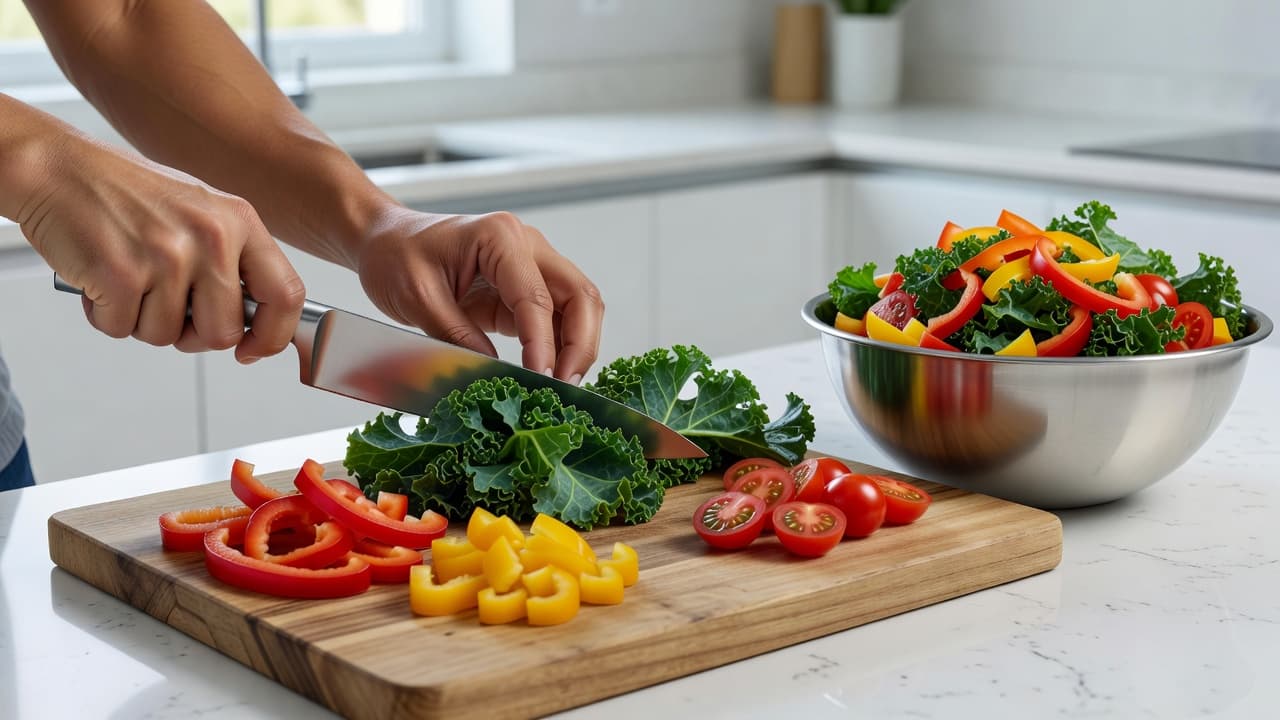
That doesn’t mean every meal needs to look like a lifestyle ad. It means your default meals do most of the work. A bowl of Greek yogurt with berries and nuts. A salad with beans, olive oil, and grilled salmon. Soup, roasted vegetables, and whole-grain toast. Normal food, eaten often enough to matter.
Ultra-processed foods deserve a plain warning. They’re easy to overeat, easy to build a routine around, and often bad at keeping you full. You don’t need a purity streak. You do need to notice what happens when packaged snacks, sugary drinks, and fast food become the backbone of your week.
Why protein matters more as you age
After midlife, muscle gets easier to lose and harder to rebuild. That matters because muscle is tied to balance, glucose control, bone protection, and recovery after illness or surgery. In other words, it is not only about looking toned. It is about staying capable.
Many healthy older adults do well with roughly 1.0 to 1.3 grams of protein per kilogram of body weight per day, spread across meals. For a 70-kilogram person, that lands around 70 to 90 grams a day. You don’t need to count forever, but it helps to learn what enough looks like.
A common miss is breakfast. Coffee and toast won’t do much for muscle. Eggs, cottage cheese, yogurt, tofu, milk, or a protein-rich smoothie can. Lunch and dinner usually get easier once you start paying attention, especially if you build meals around fish, beans, lentils, chicken, tofu, tempeh, or yogurt.
There are exceptions. If you have kidney disease, advanced liver disease, trouble swallowing, or other medical issues, don’t guess. Talk with your clinician or a registered dietitian before making a big change.
A plate you can repeat on busy days
When life gets messy, simplicity wins. One easy template is half the plate from fruits and vegetables, a quarter from protein, and a quarter from whole grains or starchy vegetables. Add a healthy fat, usually olive oil, nuts, seeds, or avocado.
That pattern covers a lot. Fiber helps cholesterol, satiety, and bowel regularity. Protein helps protect muscle. Produce supports heart and brain health. Healthy fats help meals feel satisfying enough to repeat.
Hydration matters more than many people think. Thirst cues can weaken with age, and some medications increase fluid loss. Water is still the main drink to bet on. Alcohol is worth a sober look, too. Even moderate intake can worsen sleep, raise blood pressure, and add risk in ways many people underestimate.
Bone health belongs here as well. Calcium and vitamin D still matter, especially if dairy intake is low, sun exposure is limited, or bone density is already a concern. If you’re not sure what you need, ask. Guessing with supplements is not a plan.
The best eating plan for longevity is the one you can still follow on a tired Wednesday.
Train for the decade ahead
If food is your raw material, movement is your maintenance plan. And here is the blunt truth: strength, stamina, and balance don’t stick around because you meant well in your 40s.
The goal isn’t to punish yourself in the gym. The goal is to keep your body useful. Can you climb stairs without getting winded? Get off the couch without pushing off your knees? Catch yourself if you trip? Those are longevity questions.
Cardio that helps more than your heart
The standard target still holds up, about 150 minutes of moderate activity a week, plus muscle-strengthening work at least two days a week. Moderate means you can talk, but singing would be a stretch. Brisk walking counts. So do cycling, swimming, dancing, hiking, and a lot of yard work.
Daily movement matters too. Around 7,000 steps a day is linked with meaningful health benefits for many adults. You don’t need to worship your watch, but it helps to know whether your day has movement built into it or whether you mostly live from chair to car to chair.
A useful weekly target looks like this:
| Habit | Simple target |
|---|---|
| Aerobic activity | 150 minutes most weeks |
| Strength training | 2 to 3 sessions |
| Balance practice | A few minutes most days |
| Daily movement | Roughly 7,000 steps |
This is not a pass-fail chart. It is a floor plan. Miss a day, then restart the next day.
Strength keeps ordinary life easy
Strength training is the part many people avoid, and it is the part older adults often need most. Muscle loss with age is common, and it speeds up when people diet aggressively, stop moving, or recover from illness in bed.
You do not need fancy equipment. Squats or chair stands, hip hinges, rows, wall or counter push-ups, step-ups, calf raises, and loaded carries cover a lot of ground. Resistance bands work. Dumbbells work. Machines work. Your body weight works if the exercise is hard enough to feel like effort.
The last few reps should feel challenging, but clean. That is the sweet spot for most people. Start with one set if that’s what you can manage. Build to two or three sets over time.
If consistency is the weak link, outside structure can help. Coaching, small-group classes, or walking with a friend can make boring habits stick. That’s one reason structured lifestyle programs for older adults keep getting attention. Support improves follow-through.
Pain changes the story. Sharp pain, chest symptoms, major dizziness, severe shortness of breath, or recent injury are reasons to pause and get medical advice. If you have osteoporosis, arthritis, joint replacements, or a heart condition, a clinician or physical therapist can help you adjust the plan without giving up on it.
Balance and mobility are daily insurance
Balance work is easy to ignore until you need it. By then, the stakes are higher. A fall can change everything.
The good news is that balance responds to practice. Standing on one leg while you hold a counter, heel-to-toe walking, slow step-overs, tai chi, and controlled stair work can all help. Five minutes most days is a useful place to start.
Mobility matters too, but not as a circus act. You don’t need extreme flexibility. You need enough range of motion to reach overhead, turn your head, squat to a chair, and walk with a normal stride. If your hips, ankles, or thoracic spine are stiff, even simple exercises can make strength work feel better.
Think of movement as retirement savings for your independence. The deposits are not glamorous. They count anyway.

Photo by Yan Krukau
Recovery, connection, and prevention keep the plan working
A lot of healthy aging advice falls apart because it treats sleep, stress, social life, and routine medical care like side notes. They’re not. They’re part of the engine.
You can’t outwalk bad sleep forever. You can’t eat well enough to cancel chronic isolation. You can’t meditate your way past screenings you keep postponing. A real longevity blueprint includes recovery and maintenance, not only effort.
Sleep is repair time
Most adults do best with around 7 to 9 hours of sleep a night, though the exact number varies. Sleep is where memory gets sorted, hormones reset, appetite gets steadier, and tissues recover from training and normal wear. When sleep slips, everything gets harder. Hunger rises. Patience shrinks. Workouts feel heavier. Blood pressure often nudges up.
The basics still work. Keep a regular sleep and wake time. Get outside light in the morning. Keep the room dark, cool, and quiet. Cut late caffeine if you’re sensitive. Watch alcohol, which often makes people sleepy at first and then wrecks the second half of the night.
Snoring, gasping, morning headaches, and heavy daytime sleepiness are worth taking seriously. Sleep apnea gets missed all the time, and it can affect heart health, mood, and energy. If that sounds familiar, talk to a qualified healthcare professional instead of pushing through it.
Stress needs an off-ramp
Stress is part of life. Chronic stress without recovery is the problem.
When your system stays switched on, sleep gets lighter, cravings get louder, blood pressure can rise, and small problems feel huge. You do not need a perfect zen routine. You need reliable off-ramps. That might be a daily walk without your phone, breathing exercises, prayer, journaling, therapy, gardening, or ten quiet minutes before bed.
Pick something small enough that you will still do it when life is busy. That is the test.
Other people and purpose matter
Long life gets bleak fast if it is disconnected. Social ties and a sense of purpose are not soft extras. They shape mood, cognition, daily activity, and whether people stick with healthy routines in the first place.
That doesn’t require a giant friend group. One walking buddy, a standing lunch, volunteering, a class, a faith community, or helping with grandchildren can anchor a week. The common thread is simple: you feel connected, needed, or both.
That idea shows up in habits that support health, independence, and joy, which puts purpose and connection next to exercise, food, sleep, and disease prevention, not beneath them.
Medical care is part of the blueprint
Good habits do more when they’re paired with plain, boring medical upkeep.
That means keeping up with blood pressure checks, cholesterol and glucose testing when appropriate, vaccines, cancer screenings that fit your age and risk, hearing and vision checks, dental care, and bone health conversations. If you take several medications, ask for a periodic review. Side effects, drug interactions, dizziness, and fall risk often hide in plain sight.
The broad frame from CDC’s healthy aging overview is useful, but your personal plan should come from your own history. Age, sex, family history, smoking, menopause timing, chronic disease, and past test results all change what “appropriate screening” means.
A few changes deserve a quicker conversation with a clinician: unexplained weight loss, new shortness of breath, chest pressure, repeated falls, worsening fatigue, major sleep problems, new memory issues, or exercise intolerance that is getting worse. Healthy aging is not about ignoring symptoms and hoping discipline fixes everything.
It is also worth saying out loud that quitting smoking still has one of the biggest payoffs at any age. The same goes for cutting back on heavy drinking. These changes may not feel glamorous, but their impact is hard to beat.
Conclusion
Longevity is not built by piling on extreme tricks. It is built by repeating a short list of habits until they become ordinary.
Eat in a way that helps you keep muscle and metabolic health. Train for strength, balance, and stamina. Protect sleep, stay connected to other people, and treat preventive care like part of the job.
More years matter. More good years matter more.