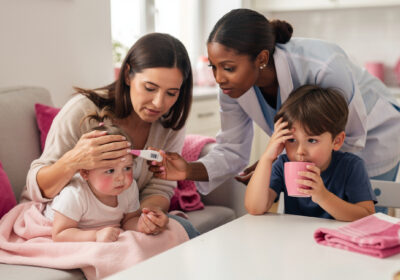

A fever is a common medical sign that your immune system is hard at work responding to an infectious disease. While a fever can feel unsettling, especially at night or when you are caring for a child, it is usually a sign that your body is fighting off an infection rather than an indication that something is going wrong on its own.
The key to managing a fever is to look at the whole picture, including your temperature, your specific symptoms, your age, and your overall level of functioning. Evaluating these factors makes it easier to decide when home care is sufficient and when it is time to call a clinician for professional guidance.
Note for Searchers: If you are looking for the Indiana Fever or WNBA championship news at Gainbridge Fieldhouse, please note this article covers medical health topics.
Key Takeaways
- A fever of 100.4 F (38 C) or higher is typically a sign that your immune system is working to fight an infection, not an indication that something is wrong on its own.
- Home care should prioritize hydration, rest, and comfort, using antipyretics like acetaminophen or ibuprofen as needed to manage aches and improve sleep.
- Digital thermometers used consistently are the best way to track temperature; rectal readings remain the gold standard for accuracy in infants.
- While most fevers resolve with time, you must monitor for “red-flag” symptoms like breathing difficulty, confusion, or severe dehydration that require immediate medical attention.
- Age matters significantly in decision-making, as infants under 3 months require immediate care for any fever, and older adults may need earlier intervention even with lower temperatures if they appear unusually weak or confused.
What counts as a fever and how to measure it
Most clinicians define fever as a body temperature of 100.4 F (38 C) or higher. While this threshold falls outside the normal range for most people, it is important to remember that body temperature naturally fluctuates throughout the day, rises following physical activity, and varies depending on the age of the individual or the method of measurement.
Biologically, a fever occurs when the immune system releases chemicals called cytokines. These signals tell the hypothalamus, which acts as the body’s internal thermostat, to raise the internal set point. This physiological state is medically known as pyrexia. It is helpful to distinguish this from hyperthermia, which is an uncontrolled rise in heat that occurs without a change in the body’s set point.
A reading also needs context. A child with 102 F who is drinking, alert, and improving may require less concern than an older adult with 100.1 F accompanied by confusion or weakness. For a broad overview of symptoms and causes, Mayo Clinic’s fever overview is a solid reference.
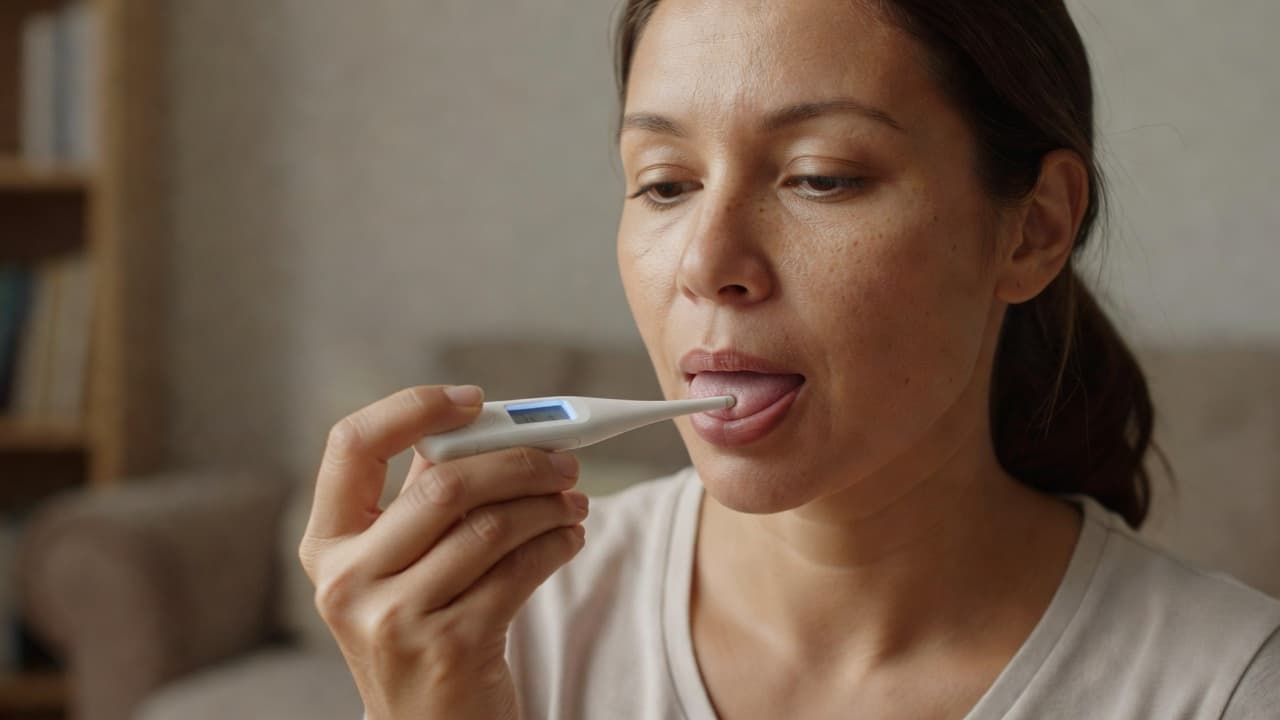
Digital thermometers are the best choice for home use. They are quick, affordable, and far safer than older glass mercury devices. Oral readings work well for most adults and older children. Because they provide the most accurate core body temperature, rectal temperature readings remain the gold standard for infants. Ear and forehead thermometers can be useful, but technique matters. Armpit readings are easy, yet they are less precise and often need confirmation.
The following table helps sort out the common methods for tracking body temperature.
| Method | Best for | What to know |
|---|---|---|
| Oral | Adults and older children | Wait 15 minutes after hot or cold drinks |
| Rectal | Infants, when accuracy matters most | Most accurate for core temperature |
| Ear | Older infants, children, adults | Placement matters, wax can affect results |
| Forehead | Quick screening | Follow device directions closely |
| Armpit | Backup option | Less accurate, confirm a high reading |
The main takeaway is simple: use the same method each time when you can, and watch the trend.
Common causes of fever include viral infections, such as colds, flu, or COVID-19, bacterial infections, stomach bugs, and some vaccine reactions. Heat-related illness can also raise body temperature, although that is different from an infection-driven fever. Less often, inflammatory conditions and certain medicines can play a role. If the cause is not obvious or symptoms are worsening, a temperature log can help your clinician spot patterns.
How to care for fever at home
Home care focuses on comfort, fluids, and rest. The goal is not always to force the temperature back to normal. In many cases, the bigger question is whether the person feels miserable, is getting dehydrated, or is too uncomfortable to sleep.
Start with fluids. Fever can increase water loss through sweating and faster breathing. Water is fine, and broth, ice pops, oral rehydration drinks, or diluted juice can also help, especially if vomiting or diarrhea is part of the illness. Urine that stays light yellow is a good sign.
Dress lightly and keep the room comfortably cool. Heavy blankets can trap heat and make you feel worse. Rest matters, but you do not need strict bed rest if you are up to moving around the house. Eat if you are hungry, but do not force food.
Antipyretics, a class of fever-reducing medicine, can help with aches, chills, and poor sleep while your immune system fights off the underlying illness. Acetaminophen is a common option for adults and children, and ibuprofen may also help if age and health history allow it. As the body adjusts its internal thermostat, you may experience chills, which occur as the body tries to reach its new higher temperature. When using acetaminophen or ibuprofen, follow the label and use the correct dose for weight in children. If you have liver disease, kidney disease, a stomach ulcer, are pregnant, or take blood thinners, check with a clinician or pharmacist before using over-the-counter medicine. Children and teens should not take aspirin for a fever because of the risk of Reye syndrome.
Skip alcohol rubs and ice baths. They can make someone experience shivering, which may raise discomfort. A lukewarm washcloth on the forehead or a lukewarm bath is fine if it feels soothing, but comfort matters more than the method.
For a plain-language summary of temperature cutoffs, OSF HealthCare’s guide to what’s considered a fever can be helpful.

One more point matters: this kind of guidance helps with common situations, but it does not replace advice from your own doctor, especially if you have a chronic illness, a weak immune system, or recent surgery.
When fever means you should call a doctor
The temperature number matters, but symptoms matter more. In adults, a fever is more concerning when it climbs high, lasts longer than expected, or comes with red-flag symptoms. Harvard Health’s guide to fever in adults notes that an adult with a fever of 104 F (40 C) or higher should seek prompt medical advice.
Call a doctor for an adult if the fever reaches 103 F (39.4 C) or higher, lasts more than three days, or returns after seeming to improve. Because fevers can be triggered by various viral infections or more serious bacterial infections, a professional medical diagnosis is necessary if you are unsure about the cause or if symptoms remain ambiguous. You should also call sooner if the person is pregnant, has cancer, takes immune-suppressing drugs, or has trouble managing fluids and medicines at home.
Adults and children don’t follow the same rules
Age changes the plan. Babies and young children can get sick fast, and older adults may show fewer classic signs even when the illness is serious.
A baby younger than 3 months with a rectal temperature of 100.4 F (38 C) or higher needs prompt medical care.
For children older than 3 months, call a clinician sooner if the fever is paired with unusual sleepiness, poor drinking, repeated vomiting, ear pain, breathing trouble, or signs of dehydration. If your child experiences a febrile seizure, which is often a frightening but usually harmless reaction to a rapid spike in temperature, you should still contact a healthcare provider to ensure everything is okay. Many clinicians also want a call for a child younger than 2 with fever lasting more than 24 hours, or any older child with fever lasting more than 72 hours. Any child with a temperature of 104 F (40 C) needs prompt medical advice.
Older adults need special attention too. Their baseline temperature may run lower, and serious infection may not cause a dramatic fever. If an older person seems newly confused, weak, short of breath, or stops eating and drinking well, don’t wait for a high number on the thermometer.

Seek urgent care now if these warning signs show up
Get urgent care, or call emergency services, if fever comes with any of these symptoms:
- Trouble breathing, chest pain, or blue lips
- A seizure, fainting, confusion, or a hard time waking up
- A stiff neck, severe headache, or light sensitivity
- A rash that spreads quickly or doesn’t fade when pressed
- Severe dehydration, no urine for many hours, or inability to keep fluids down
- Severe abdominal pain, repeated vomiting, or signs of heat stroke, which is a form of non-fever hyperthermia that requires immediate medical intervention
These symptoms can point to a condition that needs fast treatment. In children, trust your instinct if something feels off. A child who is limp, inconsolable, or not making eye contact needs prompt evaluation, even if the temperature is not extremely high.

Frequently Asked Questions
Should I always try to bring a fever down to normal?
Not necessarily. The goal of treating a fever is to improve comfort, hydration, and sleep quality rather than forcing the temperature to a specific number. If you are resting comfortably and staying hydrated, your body may be better served by letting the immune system continue its work.
Can I use a cool bath or alcohol rub to reduce a fever?
Avoid alcohol rubs and ice baths, as these can cause shivering, which often makes you feel more uncomfortable and can actually raise your body temperature. A lukewarm washcloth on the forehead or a lukewarm bath is acceptable if it helps the person feel more relaxed, but comfort should always be the priority.
Why is a fever in a newborn different than one in an adult?
Infants, particularly those under 3 months old, can become seriously ill very quickly, and their bodies may not show the same protective signs as older children or adults. A rectal temperature of 100.4 F (38 C) in a newborn is considered a medical emergency that requires immediate professional evaluation.
What should I do if my fever doesn’t go away?
If an adult’s fever persists for more than three days or returns after seeming to improve, you should contact a clinician. Persistent fevers can indicate an underlying issue that requires a professional diagnosis, especially if you have chronic health conditions or a weakened immune system.
A steady, calm response is usually the right one
Most cases of fever improve with time, fluids, rest, and close attention to symptoms. The best response is steady rather than fearful. It is helpful to take an accurate temperature, look at the whole person, and monitor how your body temperature trends over the next day or two, rather than fixating on a single reading.
When the fever is high, lasts too long, or comes with warning signs, medical care matters. If you are caring for a baby, a frail older adult, or someone with a weak immune system, it is smart to call a professional sooner rather than later. While dealing with a fever can be stressful, remember that it is often a vital medical sign that the body is working hard to heal itself.