
Whole-body soreness and muscle pain can make an ordinary day feel heavy. Body aches (also known as myalgia) are common, but they are a symptom, not a diagnosis.
They often come with a viral illness, hard exercise, poor sleep, dehydration, stress, or a medicine side effect. This guide explains what those body aches may mean, what home care often helps, and when it is time to get medical help. It is for education only and is not a substitute for personal medical advice.

Key Takeaways
- Body aches are a symptom, not a diagnosis: They are often caused by immune system activity during viral infections, physical overexertion, stress, or lifestyle factors like poor sleep and dehydration.
- Context matters: Pay attention to accompanying symptoms, such as fever, cough, or localized pain, as these provide critical clues about whether the cause is a transient bug or a specific injury.
- Simple home remedies often suffice: Mild discomfort can typically be managed with rest, proper hydration, gentle stretching, and heat or cold therapy, though over-the-counter medications should be used cautiously.
- Know when to seek help: While most aches pass within a few days, you should consult a doctor if pain persists for more than two weeks, returns frequently, or is accompanied by warning signs like confusion, difficulty breathing, or severe joint swelling.
When body aches show up, look at the pattern
Body aches occur when your immune system is active, muscles are overworked, or you experience muscle stiffness due to physical strain. Because of this, the same symptom can appear whether you have a bug, finished intense yard work, or suffered through a night of poor sleep.
The pattern provides useful clues. Pain spread throughout your muscles often points to illness, fatigue, or tension. In contrast, pain that stays in one spot is more likely to come from a muscle strain, a specific injury, or joint pain.
If you notice body aches alongside fever and chills, a cough, or a sore throat, a viral infection is a likely cause. UCLA Health provides a clear overview of how the immune system triggers muscle pain when you are sick.
This quick guide can help you sort through common situations:
| Situation | Common clues | What often helps |
|---|---|---|
| Common cold, influenza, or COVID-19 | Fever and chills, fatigue, cough | Fluids, rest, fever control, time |
| Hard workout or heavy lifting | Soreness with movement, tender muscles | Rest, gentle motion, heat or ice |
| Dehydration or lack of sleep | Headache, fatigue, brain fog | Water, food, sleep, lighter activity |
| Stress and anxiety | Tight neck, shoulders, back | Heat, stretching, relaxation |
| Medicine side effect or chronic condition | Persistent or repeated pain | Review with a clinician |
Some causes are easy to miss. For example, dehydration can leave your muscles feeling heavy, while a lack of sleep prevents your body from recovering properly. Stress and anxiety also have a physical effect, as tension in the neck, shoulders, and back can make your entire frame feel worn down.
A few medicines can trigger aching muscles in some people. Statins are one example, as are certain antivirals. If the pain started after beginning a new medication, call your prescriber before stopping it on your own.
Body aches tell you that something is going on. The timing, location, and other symptoms usually matter more than the aches alone.
If pain keeps returning, lasts more than a week or two, or comes with swelling, rash, numbness, or weakness, it deserves a closer look. Ongoing discomfort can be linked to autoimmune conditions, such as rheumatoid arthritis or lupus. Other possibilities include fibromyalgia, chronic fatigue syndrome, or thyroid disorders. If you experience these persistent symptoms, consult a professional to get a proper evaluation.

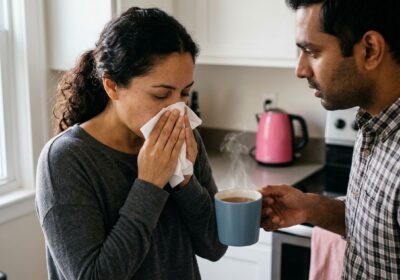
Photo by Kindel Media
Practical ways to ease body aches at home with effective home remedies
Most mild body aches improve with simple care. The goal is to reduce strain, stay hydrated, and give your body space to recover through effective home remedies.
Start with the basics:
- Drink water often, and add broth, tea, or an electrolyte drink if you have fever and chills, sweating, or poor appetite.
- Rest, but do not stay still all day. Short walks and gentle stretching can keep muscle stiffness at bay.
- Use heat for tight, aching muscles. Use ice for a fresh strain or a spot that feels swollen to help manage localized inflammation.
- Try acetaminophen or a nonsteroidal anti-inflammatory drug, such as ibuprofen or naproxen, if it is safe for you and you follow the label.
- Protect sleep. A cool, dark room and an earlier bedtime can help your body recover faster.
If your body aches came with a virus, warmth and fluids often make a real difference. A warm shower, heating pad, or hot tea can relax tight muscles and help you feel less chilled. Baylor Scott and White’s tips for easing body aches and chills line up with that approach and also note that over-the-counter medications may help when they are appropriate for your specific health needs.
Pain medicine is not right for everyone. NSAIDs like ibuprofen and naproxen can irritate the stomach and may not be safe if you have kidney disease, ulcers, heart failure, or take blood thinners. Acetaminophen can be a better option for some people, but it is not safe to exceed the label dose, and it needs extra caution if you have liver disease or drink heavily. When in doubt, ask a pharmacist or clinician.
Some people ask about supplements to manage muscle pain. That can sound appealing, but evidence is mixed, and natural does not always mean safe. UT Southwestern’s review of supplements for muscle and joint pain explains that some products may help some people, but they can also interact with medicines. Talk with a clinician before adding a supplement if you take prescriptions, are pregnant, or have a chronic condition.
A few habits make recovery smoother. Eat something light but nourishing, even if your appetite is low. Keep alcohol low because it can worsen dehydration and sleep. If you have fever, chills, or active flu-like symptoms, skip strenuous exercise until you feel clearly better.

When to call a doctor, and when to get urgent medical attention
Sometimes aches are part of a short-lived illness or sore muscles. Other times, they show up with warning signs that need quick attention. The difference often comes from the symptoms surrounding the pain.
Get urgent medical attention if body aches come with any of these
- Shortness of breath, chest pain, or blue lips
- New confusion, fainting, or a hard time staying awake
- Fever and chills, especially when accompanied by a stiff neck, severe headache, or confusion
- Severe weakness, one-sided numbness, or trouble walking
- A hot, red, very swollen joint, which may indicate significant joint pain or underlying inflammation
- Very dark urine, marked swelling, or severe muscle pain after intense exercise
- Repeated vomiting, signs of dehydration, or inability to keep fluids down
These symptoms can point to problems that need same-day care or emergency intervention. Dark urine after extreme exertion, for example, can happen with serious muscle breakdown. A hot, swollen joint requires immediate evaluation to rule out a localized infection.
You should also book a routine medical visit if body aches last longer than one to two weeks, keep coming back, or interfere with sleep, work, or daily movement. Call sooner if you also have joint swelling, morning stiffness, rash, unexplained weight loss, numbness, or new fatigue that does not improve. People who are pregnant, older and frail, getting cancer treatment, or living with a weakened immune system should seek guidance earlier.
What a medical visit may involve
A clinician will usually start by taking your health history. They may ask when the pain started, whether it is widespread or local, what other symptoms you have, what medicines you take, and whether you recently exercised hard, traveled, or had a sick contact. This helps determine if the cause is a common viral infection or something else entirely. Then, they may check your temperature, joints, strength, hydration, and breathing.
You may not need tests at all if the cause looks clear and mild. If the picture is less clear, a clinician may order blood work, a urine test, or imaging based on the exam. That step is helpful because the same body aches can come from different problems, and treatment must match the root cause.

Frequently Asked Questions
How can I tell if my body aches are from the flu or just a hard workout?
If your aches are from a workout, the pain is usually localized to the muscles you used and improves with gentle movement or rest. Conversely, flu-related aches typically feel widespread and are accompanied by systemic symptoms like fever, chills, fatigue, and congestion.
Can stress really cause full-body aches?
Yes, chronic stress and anxiety can lead to significant muscle tension, particularly in the neck, shoulders, and back. Over time, this constant bracing can make your entire body feel sore, heavy, and physically exhausted.
When should I stop using home remedies and see a doctor?
You should seek medical attention if your body aches last longer than one or two weeks or interfere with your daily life. Additionally, seek urgent care if you experience “red flag” symptoms such as high fever with a stiff neck, shortness of breath, sudden confusion, or severe swelling in a specific joint.
Are over-the-counter pain relievers always safe for body aches?
Not necessarily, as medications like NSAIDs can cause stomach irritation and may be unsafe for individuals with kidney disease, heart failure, or those taking blood thinners. Always check with a pharmacist or your doctor to ensure the medication is appropriate for your specific health history before taking it.
Conclusion
Body aches are common, and they usually make more sense when you look at the full picture. Factors such as your activity level, hydration, medications, and a lack of sleep all help explain what may be going on. When you experience symptoms like fever and chills alongside generalized discomfort, your body is often signaling that your immune system is working hard to fight off an underlying issue.
Many mild cases of muscle soreness and body aches improve with rest, fluids, warmth, gentle movement, and time. Managing systemic inflammation is often a key part of this recovery process. Still, persistent pain or red-flag symptoms should not be brushed off.
If your physical condition feels off in a way that is new, intense, or hard to explain, trust that signal and seek professional medical advice.