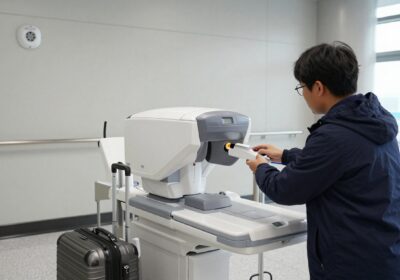
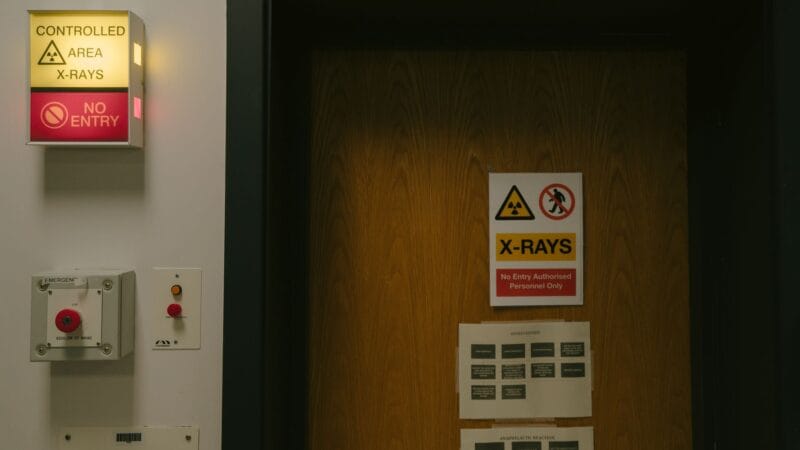
You’re exposed to radiation right now, from the ground beneath your home, the food in your kitchen, sunlight, air travel, technology, and medical care. This everyday radiation exposure sounds alarming until you separate the word from the dose and the type. If you want the numbers side by side, our guide to safe radiation limits puts a banana, a dental X-ray, a CT scan and a worker’s legal limit on one ladder.
Radiation is energy moving through space, and different forms behave very differently in the body. The calm, useful approach is to focus on measurable risks you can reduce, such as radon and ultraviolet exposure, while keeping ordinary low-level exposures in perspective.
The Two Types of Radiation, and Why Dose Changes the Risk
Radiation is simply energy travelling as waves or particles. The important split is between ionising and non-ionising radiation.
Ionising radiation carries enough energy to remove electrons from atoms. At sufficiently high doses, that process can injure cells and damage DNA. X-rays, gamma rays, and radiation released by radioactive materials fall into this category. Radon is a radioactive gas that produces ionising radiation as it breaks down.
Non-ionising radiation has less energy. Radio waves, microwaves, visible light, and the signals used by cell phones and WiFi are examples. These forms don’t have enough energy to damage DNA through ionisation.
Ultraviolet light needs a small qualification. UV is non-ionising, but it can still cause chemical damage in skin cells. Repeated exposure contributes to sunburn, premature skin ageing, eye injury, and skin cancer. That makes UV important even though it belongs outside the usual X-ray and radon conversation.
Radiation dose is measured in sieverts. Everyday amounts are usually described in millisieverts (mSv) or microsieverts. The average person receives roughly 2 to 3 mSv of natural background radiation each year, although the amount varies by location, altitude, geology, and building materials.
| Exposure | Approximate dose | Useful comparison |
|---|---|---|
| Dental X-ray | 0.005 mSv | About one day of background exposure |
| Chest X-ray | 0.1 mSv | About 10 days of background exposure |
| Round-trip New York to London flight | 0.1 mSv | About 10 days of background exposure |
| Mammogram | 0.28 mSv | About 34 days of background exposure |
| CT scan | 2 to 10 mSv | About one to several years of background exposure |
Chest X-ray and other single-exam figures here follow published dose comparisons from RadiologyInfo.org.
These figures are estimates, not personal risk scores. Equipment, body part, scan settings, and patient size all affect dose. Medical decisions also weigh the radiation risk against the benefit of finding a broken bone, infection, cancer, bleeding, or another serious problem.
Where Everyday Ionising Radiation Exposure Comes From
Most radiation exposure comes from natural sources rather than technology. The amount is usually low, but a few sources deserve more attention than others.
Radon in the home
Radon is a radioactive gas formed when uranium in soil and rock breaks down. It can enter buildings through cracks, construction joints, sump pits, and other openings. Basements and lower levels often have higher concentrations, but radon can occur in any home.
The EPA identifies radon as a leading cause of lung cancer among people who don’t smoke. It is also one of the most practical radiation risks to address because testing is inexpensive and high levels can often be reduced with a mitigation system.
The EPA’s radon guidance explains testing, action levels, and ways to reduce indoor radon. If you haven’t tested your home, that is a more useful step than buying products marketed as protection from phones or WiFi.
Sunlight and ultraviolet radiation
Sunlight is the radiation source most people encounter intentionally. UV exposure builds over time, even when you don’t burn. Outdoor work, driving, walking, sports, and time near reflective surfaces all add to the total.
Use shade when possible, cover exposed skin with clothing, wear sunglasses that block UVA and UVB, and apply broad-spectrum sunscreen to uncovered areas. As Australian Prescriber’s 2025 practical guide to sun protection puts it, sun protection isn’t about avoiding daylight. It is about limiting unnecessary UV dose.
Food, soil, and building materials
Bananas, potatoes, Brazil nuts, and many other foods contain naturally occurring potassium or other radioactive elements. Granite and some soils also contain small amounts of radioactive material.
These trace exposures are part of normal life and are not a reason to avoid nutritious foods. Your body maintains potassium levels through ordinary biological processes, and the doses from individual foods are tiny.
Cosmic radiation during flights
The atmosphere shields us from much of the radiation arriving from space. At cruising altitude, that protection is thinner, so a long flight produces a small increase in exposure.
For occasional travellers, the dose is generally trivial. Aircrew and frequent long-distance flyers receive more exposure over time, which is why occupational monitoring and safety standards apply to aviation workers.
Medical imaging
Medical imaging is the largest man-made source of ionising radiation for many people. CT scans use more radiation than ordinary X-rays because they create detailed cross-sectional images. The dose varies widely by the type of CT and the body area examined.
That doesn’t make CT scans unsafe by default. A scan that detects internal bleeding, a stroke, a serious infection, or cancer can provide a benefit far greater than the small potential radiation risk. The FDA‘s medical imaging information explains why appropriate imaging is used and how facilities work to limit unnecessary exposure. A 2025 Brazilian Oral Research review of the ALARA radiation protection principles reaches a similar conclusion: when an X-ray exam is justified, the benefits tend to outweigh the risks attributed to it.
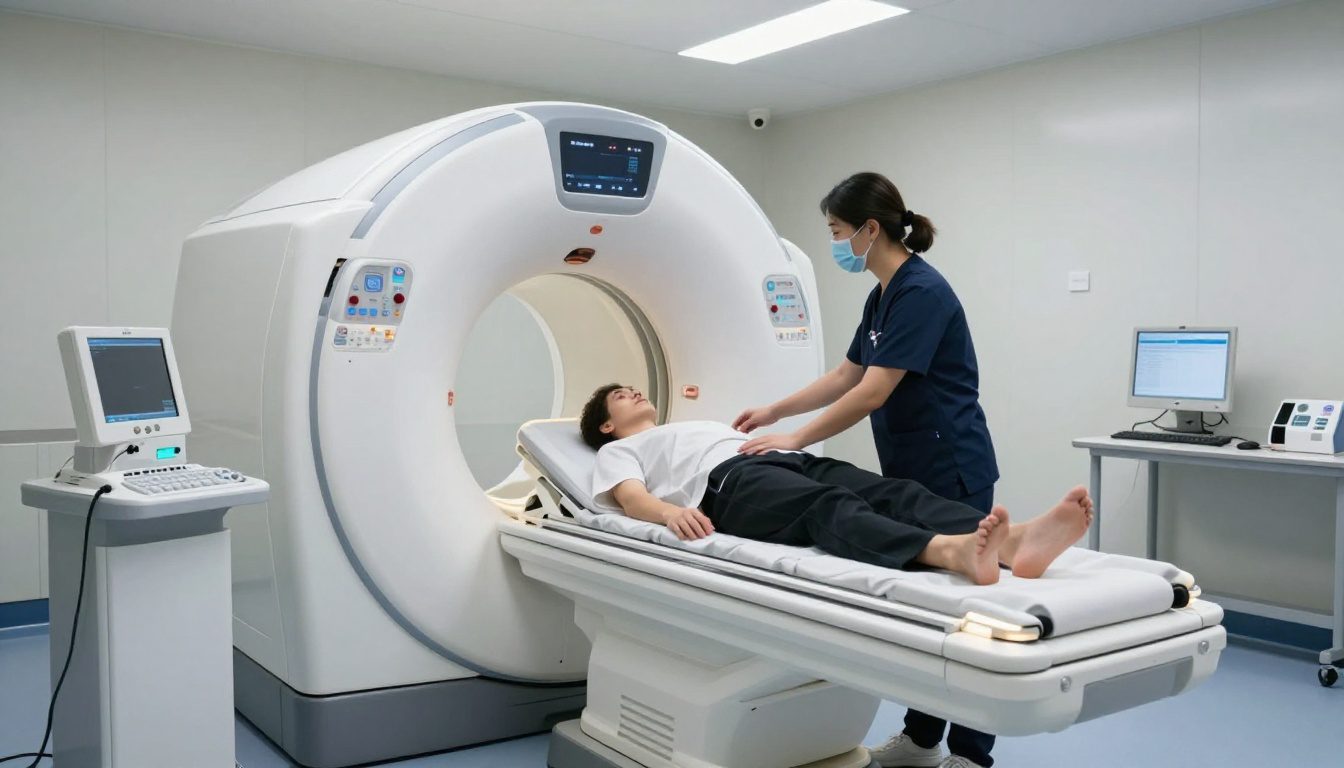
Medical imaging uses controlled doses of radiation when clinically appropriate.
Don’t delay an urgent or recommended scan because of a frightening number on the internet. Ask your clinician about the reason for the test, the expected benefit, and whether another option would answer the same question.
What Phones, WiFi, 5G, and Microwaves Mean
Cell phones, WiFi routers, Bluetooth devices, 5G networks, and microwave ovens use radiofrequency or microwave energy. These are non-ionising forms of radiation, so they don’t have enough photon energy to damage DNA through ionisation in the way X-rays can.
The FDA and WHO have not established that normal exposure to phones, WiFi, or 5G causes cancer. Research continues, and that isn’t the same as saying every possible question has been settled. It does mean that everyday use shouldn’t be treated like exposure to radon or repeated high-dose medical imaging. The WHO’s 2020 questions and answers on 5G and health provides background on radiofrequency exposure.
Microwave ovens are designed with shielding that keeps the energy inside the appliance. Follow the manufacturer’s instructions, don’t use a damaged oven, and don’t bypass the door or safety mechanisms.
For a separate look at how device use relates to sleep, mood, and attention, see our guide to screen time and mental health. Sensible habits are enough. Follow device instructions, keep damaged equipment out of use, and don’t spend money on unproven radiation shields, stickers, pendants, or phone cases that promise to block exposure.
UV is the exception that deserves separate attention. It is non-ionising, but it can still injure skin and eyes through photochemical reactions. Sun protection has a stronger evidence base than gadgets marketed for household radiation protection.
A Practical Safety Plan for Everyday Radiation Exposure
You don’t need to redesign your home or avoid modern technology. A short list of sensible actions covers the exposures that matter most.
- Test your home for radon. Use a short-term or long-term test kit, especially if you live in an area with uranium-rich soil or spend time in a basement. If results are elevated, use a qualified radon professional to discuss mitigation.
- Protect your skin from UV. Seek shade during strong sunlight, wear a hat and protective clothing, use sunglasses, and apply broad-spectrum sunscreen. Reapply it as directed, particularly after swimming or sweating.
- Keep medical imaging in context. Tell your clinician about recent scans when it is relevant. Ask, “How will this test change my care?” before elective imaging, but don’t refuse a recommended test without discussing the decision with the ordering clinician.
- Don’t chase a magic yearly limit. There isn’t one number that defines safety for every person. Public exposure limits are set conservatively, while medical exposures are handled through justification, optimised technique, and the lowest dose needed for a useful image.
Some people need more individualized advice. Pregnancy requires a specific discussion because a developing fetus can be more sensitive to ionising radiation, although medically necessary imaging can still be appropriate. Tell the imaging team if you’re pregnant or might be pregnant.
Infants and children are more sensitive than adults, and their smaller bodies may require adjusted scan settings. That doesn’t mean a child should miss an important scan. It means the facility should use paediatric imaging protocols.
Frequent travellers, radiation workers, and patients who have had many scans can ask about their cumulative history. There is no universal lifetime dose counter that predicts an individual’s future, but previous imaging can help clinicians avoid duplicate tests and choose the most useful study.
The IAEA’s guidance on appropriate imaging emphasises justification: use imaging when it will help answer a clinical question. The goal isn’t zero radiation. It is the right test, for the right reason, at the lowest dose that answers the medical question.
If you have a condition that requires repeated imaging, talk with your care team rather than skipping appointments. The risk of missing a serious change can be greater than the radiation risk from a properly performed scan.
Why a public dose limit is not a scan allowance
Regulatory limits apply to specified exposures and jurisdictions. For example, the U.S. NRC public limit for its licensees is 1 mSv per year, with exclusions including natural background and a patient’s medical exposure. It is not a universal boundary between harmless and harmful radiation and is not a yearly allowance for CT scans.
For radiofrequency exposure, the NCI review of cell phones and cancer explains the human evidence and the IARC “possibly carcinogenic” classification. A hazard classification is not an estimate of a person’s risk from ordinary phone use. Non-ionising photon energy explains one mechanism; it does not replace study of health outcomes. Turning a router off at night is not an established cancer-prevention measure.
Conclusion
Everyday radiation exposure is mostly low level, but not every source deserves equal attention. Radon testing, UV protection, and thoughtful medical imaging decisions are the three actions with the clearest practical value.
Ordinary foods, occasional flights, and normal WiFi or phone use generally aren’t reasons for alarm. Informed questions and practical prevention are more useful than chasing zero exposure, because radiation is part of daily life and risk depends on the type, dose, and duration.