France has confirmed its first new Ebola strain case, and the patient is a doctor who recently returned from a humanitarian trip in the Democratic Republic of Congo. That news is getting global attention because the outbreak in the DRC is moving fast, and the World Health Organization says it is spreading at a pace not seen in Africa before.
For people in France, the key detail is this: health officials say the risk to the public is very low. The doctor was isolated quickly, transferred to a specialist hospital, and placed under strict precautions, while teams trace anyone who may have been in contact with him.
The case matters because it connects a major outbreak in central Africa to a new imported infection in Europe, but it does not point to local spread in France. Here’s what happened, what health teams are doing, and what you should know without the panic.
- What happened in France and how the New Ebola Strain was found
- Why the Ebola outbreak in the DRC is raising global concern
- How French health officials are limiting the chance of spread
- What makes this Ebola strain different and harder to control
- What travelers, aid workers, and the public should know now
- Conclusion
What happened in France and how the New Ebola Strain was found
France moved fast on this case, and that matters. The patient is a humanitarian doctor who had recently returned from the Democratic Republic of Congo, where the current Ebola outbreak is spreading quickly.
The case was spotted after the doctor arrived back in France
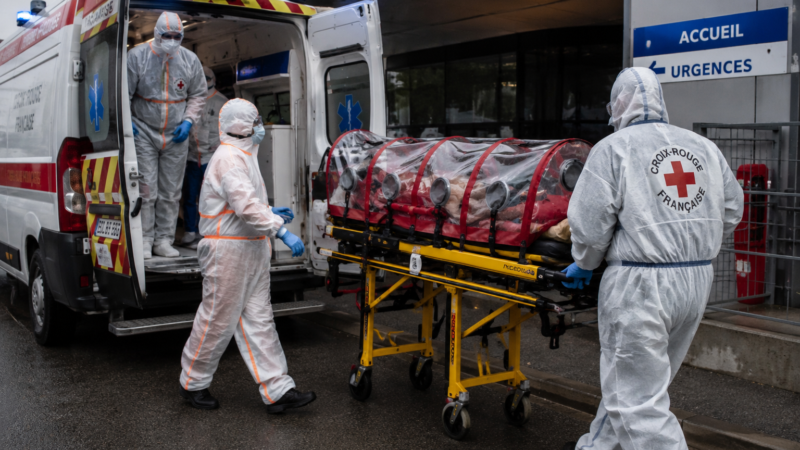
According to French health officials, the infection was identified quickly after the doctor returned home. Once the patient came back from the DRC, health teams moved fast, isolated him, and sent him to a specialist hospital for care.
That sequence matters because imported Ebola cases depend on speed. If a patient is found early, the risk of spread drops sharply. If not, the virus has more room to move through contacts, hospitals, and households.
Strict hospital precautions were used right away
French authorities said the doctor was transferred under secure conditions and placed in a designated facility with strict biosafety controls. That includes a negative-pressure room, dedicated equipment, and protocols designed for highly transmissible infections.
In plain English, this is the kind of setup that keeps dangerous germs from escaping into hallways or other wards. It is the medical equivalent of sealing a leak before water spreads across the floor.
Health officials also said there is no sign of local spread in France.
Contact tracing started immediately
After the diagnosis, teams began tracing anyone who may have been in contact with the patient. Regional health officials will contact those people and monitor them closely for 21 days, which is the standard observation window used for Ebola exposure.
That approach is routine in countries with strong public health systems: isolate fast, test fast, trace contacts, and watch closely. Reuters reported that the patient had recently returned from a humanitarian mission, which fits the pattern health agencies are now working through carefully.
For readers, the key takeaway is simple. The case was found after return travel, contained quickly, and handled in a controlled hospital setting rather than a general emergency room.
Why the Ebola outbreak in the DRC is raising global concern
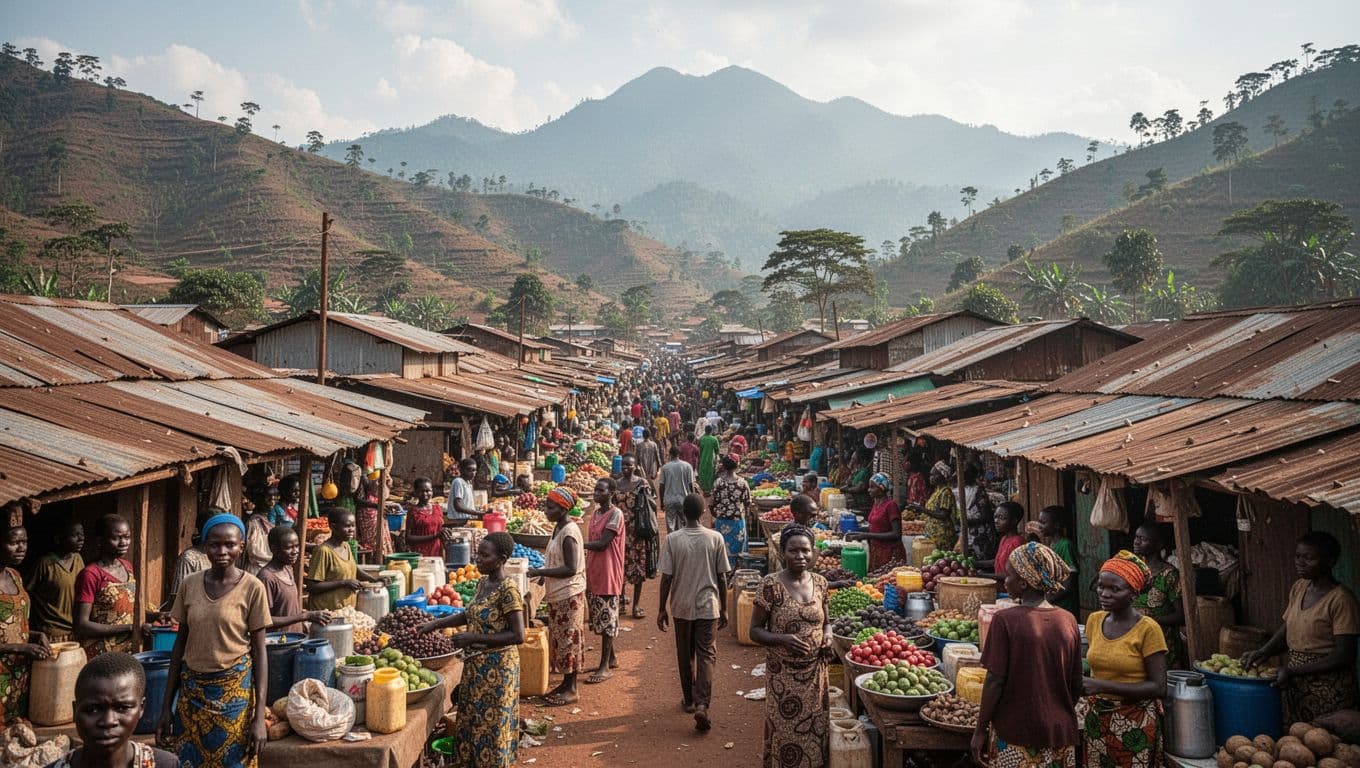
The outbreak in eastern Democratic Republic of the Congo is getting attention far beyond the region because it is moving too fast to treat like a routine flare-up. By the time health teams were counting the crisis in weeks, not months, it had already hit numbers that stand out in Ebola history.
The case numbers are rising at an alarming pace
As of the latest reports, the outbreak had reached 1,048 confirmed cases and 267 deaths in just the first month. That is not a normal climb. It is the fastest first-month spread ever recorded for Ebola in Africa, and it crossed a major red flag far sooner than past outbreaks did.
The pace matters because Ebola is easier to contain when cases are found early. Once infections rise fast, contact tracing gets harder, treatment centers fill up, and every delay gives the virus more room to move. The WHO has also said the outbreak reached 267 deaths in 37 days, compared with 78 days during the 2014 and 2016 West Africa outbreaks and 130 days during the 2018 to 2019 DRC outbreak.
When an outbreak grows this quickly, public health systems do not just chase cases, they chase time.
Health officials worry it may have been spreading before it was detected
A CDC analysis suggested the first human infection may have happened as early as mid-February, which means the virus could have been circulating unnoticed for weeks, maybe longer. That kind of hidden spread is exactly what makes Ebola dangerous. By the time it shows up in official counts, it may already have a wider trail of exposure.
The outbreak is also happening in a tough setting. Eastern DRC has insecurity, displacement, and regular cross-border movement, all of which can speed up transmission. The WHO has called it a Public Health Emergency of International Concern, which is a clear sign that the risk is no longer local.
Why this matters outside the DRC
Fast-growing Ebola outbreaks do not stay neat and tidy inside one border. Travelers, aid workers, and people moving through trade routes can carry the virus into new places before anyone realizes what is happening. That is why nearby countries are on alert, and why France’s imported case got such quick attention.
The bigger concern is simple: when a virus is moving this fast, every day counts. Early detection, strong isolation, and honest community messaging are not extras here, they are the whole playbook.
How French health officials are limiting the chance of spread
France is treating this case like a containment exercise, not a public scare. The goal is simple: find anyone who may have been exposed, keep them away from others for the incubation window, and watch for the first sign of symptoms.
Contacts are being identified fast
Once the patient was confirmed, health teams started mapping every possible exposure. That includes close contacts, healthcare workers, and anyone who had meaningful at-risk interaction before isolation began.
People who fit that profile are not being left to guess. They are being contacted quickly by regional health authorities, then placed under close follow-up for 21 days, which is the standard Ebola monitoring period. If symptoms show up, the response changes immediately.
This kind of tracing is a bit like locking every door after a break-in. You do not wait and hope nothing else happens, you check every room and keep watch.
The CDC’s guidance for returning travelers from Ebola-affected areas echoes the same approach, with prompt assessment and rapid transfer if a person may be sick with Ebola. France is following that playbook closely, and the CDC’s traveler guidance shows how that process works in practice.
Home isolation and daily monitoring are the backbone
French officials said exposed contacts will stay in home isolation while being monitored throughout the full 21 days. That gives health teams time to catch fever or other early signs before the virus has a chance to spread further.
For higher-risk contacts, monitoring is more hands-on. Lower-risk contacts are still watched closely, but with less intensive follow-up. Either way, the point is the same, if symptoms appear, they are picked up fast.
Ebola control is built on speed, separation, and constant follow-up.
That is why these measures matter more than headlines. A case like this does not become a cluster just because it exists. It becomes a bigger problem only if contacts are missed or symptoms are ignored.
France has the right hospital setup for this
Officials also say there is no sign of local spread in France. That matters, because it means the case is being handled inside a controlled system rather than moving through the general population.
France also has specialized treatment facilities for highly infectious diseases. Patients are cared for in designated units with strict biosafety protocols, dedicated equipment, and trained staff who know how to manage dangerous pathogens safely.
That setup gives health officials room to act without improvising. In a situation like Ebola, that matters as much as the diagnosis itself. Keep the patient isolated, watch the contacts, and keep the public informed with facts, not panic.
What makes this Ebola strain different and harder to control
This outbreak is harder to box in because it is not the same Ebola strain most people have heard about before. The virus linked to the current DRC outbreak is Bundibugyo Ebola, and that changes the playbook. Health teams cannot rely on the same vaccine tools used in some other Ebola outbreaks, so the response leans even more on fast isolation, tracing, and community cooperation.
There is no licensed vaccine for this strain
That is the big difference. According to the WHO outbreak update on Bundibugyo Ebola, there is no licensed vaccine and no specific treatment approved for this strain. The Ebola vaccine most people know about is for the Zaire strain, not Bundibugyo.
So what happens when a case appears? Health workers depend on supportive care, close monitoring, and quick isolation. That means treating fever, dehydration, and other symptoms while stopping the virus from moving to the next person.
It spreads through direct contact, not casual air exposure
Ebola does not spread like the flu. You do not catch it from walking past someone, sharing a room, or breathing the same air in normal settings. It spreads through direct contact with bodily fluids, like blood, vomit, diarrhea, saliva, urine, or contaminated surfaces and equipment.
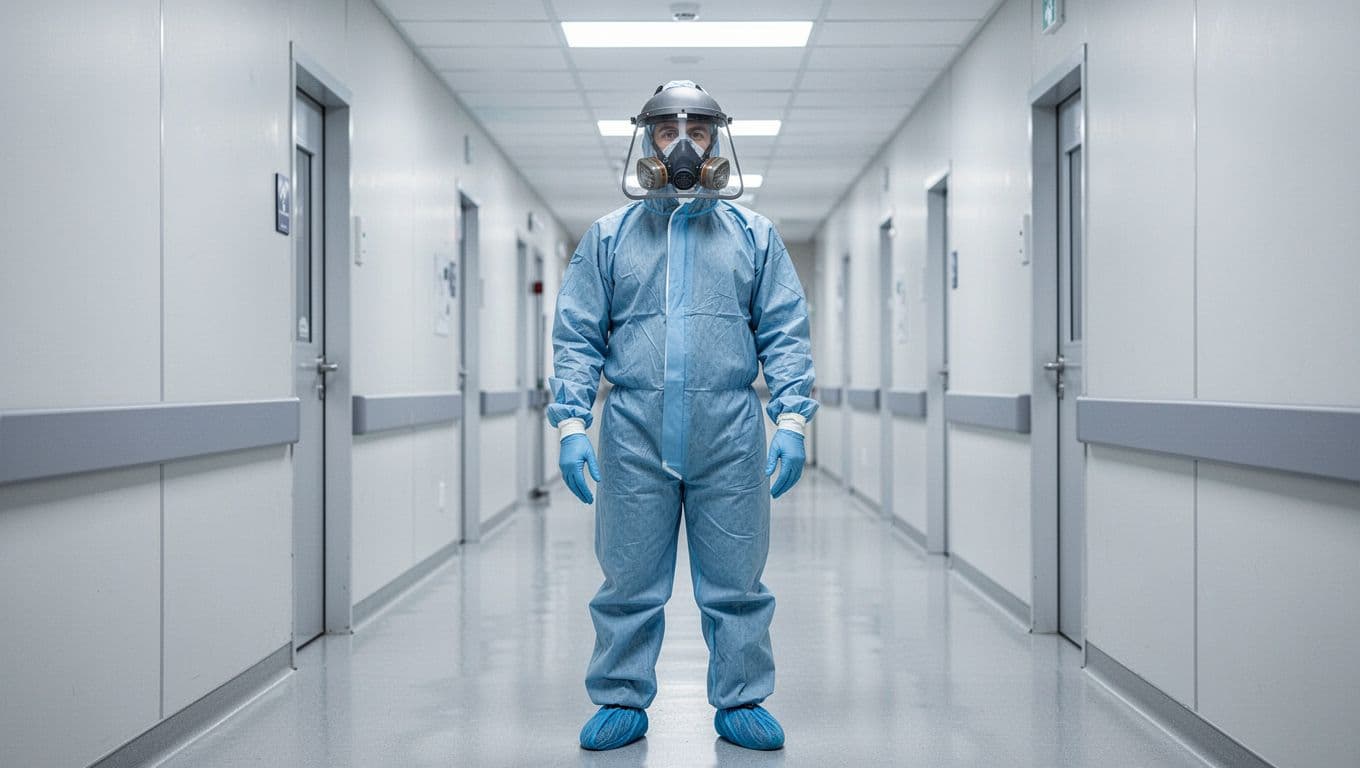
That is why hospital teams use gloves, gowns, face shields, and respirators. It is also why negative pressure rooms matter. They help keep infectious particles contained and protect staff during care. When the virus is this dangerous, a small mistake can become a big one.
Symptoms can start out looking ordinary
Early Ebola symptoms can be easy to miss. They often begin with:
- Fever
- Weakness
- Headache
- Muscle pain
- Vomiting or diarrhea
Those signs can look like many other illnesses at first. The problem is timing. Early treatment gives patients a better chance, and early isolation gives everyone else a better chance too.
With Bundibugyo Ebola, speed is everything. Find it late, and the chain of infection gets harder to stop.
Why control is so difficult on the ground
This strain is only part of the problem. Conflict, displacement, and mistrust make it harder to reach patients and trace contacts. In a place where people are moving and health workers cannot always move safely, the virus gets more room to hide.
What travelers, aid workers, and the public should know now
The practical message is simple: most people are not at high risk, but people with recent exposure in affected areas need to pay attention. Ebola spreads through direct contact with bodily fluids, not casual conversation, shared air, or passing someone in a hallway. That is why the risk to the general public in Europe remains very low, even after an imported case.

Who should be more cautious
The people who need to take this seriously are travelers, aid workers, healthcare staff, and anyone who had close contact with a sick person in an outbreak area. If you have been in Ituri or nearby affected regions, or you cared for someone with fever, vomiting, diarrhea, or bleeding, you should follow local health guidance and monitor yourself for 21 days after travel.
The CDC advises avoiding non-essential travel to affected parts of the DRC and using extra caution if travel is necessary. Its current Ebola travel guidance lays out the basic precautions clearly.
When to seek medical care
Get medical help right away if you develop fever, headache, weakness, muscle pain, vomiting, diarrhea, or unusual bleeding, especially after travel to an affected area. Tell the clinic or hospital about your travel history before you arrive, so staff can isolate you quickly if needed.
If symptoms appear after exposure, do not wait for them to pass.
Why trust matters
Fear travels faster than facts, and misinformation can make outbreaks harder to control. Rumors can push people away from testing, hide contacts, and slow care. Health teams need cooperation from communities to find cases early, trace contacts, and stop spread before it grows legs.
Conclusion
France’s first Ebola case was handled fast, and that is the story that matters most here. The patient was isolated, moved to a specialist hospital, and placed under close monitoring, which kept the risk of local spread very low.
The bigger concern is still the outbreak in the DRC, where cases are rising fast and the response is under pressure. When Ebola moves this quickly, the basics matter most: strong public health systems, rapid contact tracing, enough treatment capacity, and clear information people can trust.
That is the takeaway as this story keeps unfolding. France has shown that an imported case can be contained when health teams move quickly, but the outbreak in Congo is still the main threat, and it will take discipline, speed, and accurate reporting to keep it that way.