The military has made flu shots mandatory again for recruits, even though the vaccine is now optional for most other service members. That shift comes as Joint Base San Antonio-Lackland, where the Air Force trains new recruits, deals with a flu outbreak that has already sickened hundreds.
For recruits, this isn’t a small policy tweak, it’s a direct answer to a health problem inside one of the military’s busiest training pipelines. The bigger questions are simple: why did this happen now, who does it affect, and what does it mean for readiness when illness starts cutting into basic training?
Here’s what changed, what the outbreak at Lackland tells us, and why the military flu vaccine fight is back in the spotlight.
What changed with the military flu vaccine rule
The short version: the Pentagon loosened the flu shot rule for most service members, then carved out exceptions for recruits. So while active-duty troops can now decline the vaccine in most cases, new trainees are back under a stricter rule because boot camp is exactly where flu spreads fastest.
That split is the key thing to understand. The policy is no longer one-size-fits-all, and the military is treating basic training like a separate risk zone. That matters at Lackland, where recruits live, train, eat, and sleep in tight quarters.
Why recruits are treated differently from other troops
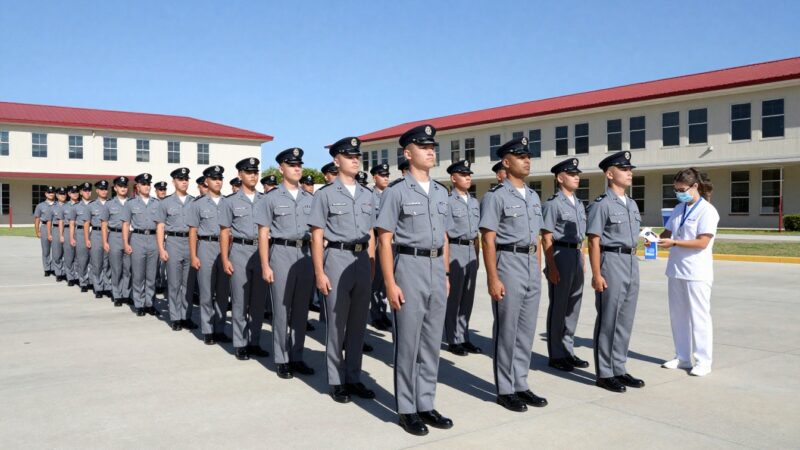
Basic training is built for speed, not distance. Recruits share barracks, bathrooms, dining areas, and training spaces, which gives a virus a clean path from one person to the next. If one trainee gets sick, the whole line can start coughing before anyone has time to react.
That is why the military can justify a separate rule for recruits. They are more likely to catch the flu, pass it along, and lose training days at the same time. In a setting like boot camp, one case can turn into a mess fast.
In basic training, crowded living conditions make flu control a lot harder than it is for troops in normal duty assignments.
For that reason, the services have a strong argument for treating recruits as a higher-risk group. It is less about punishment and more about keeping an outbreak from chewing up the training pipeline. The military services’ recruit flu shot move follows that logic.
How the exemption process worked across the services
The change did not happen as a local decision at one base. After the flu shot became voluntary for active-duty personnel in late April, the Army, Navy, Air Force, and Marine Corps all moved to get targeted exceptions approved for certain groups. Recruits were the biggest focus, but the exemptions also covered some other people with higher exposure risk.
That is the important distinction. Most troops stayed under the new voluntary rule, while the Pentagon approved narrow carveouts for training pipelines and other vulnerable personnel. In plain English, the rule changed for most service members, then tightened back up where the risk was highest.
The result is a split policy: optional for most active-duty personnel, required for recruits in training. That is the new line the military is drawing, and it explains why Lackland got swept back into the flu fight so quickly.
The Lackland Air Force Base outbreak that forced action
The flu policy changed at the Pentagon level, but the pressure point was Lackland. Once the outbreak at Joint Base San Antonio-Lackland started growing, the debate stopped being theoretical. This was no longer about general vaccine policy, it was about a training base where sick recruits can spread illness fast and stall the pipeline.
What happened at the Air Force’s basic training hub
Lackland is the Air Force’s basic military training center, which makes it one of the most sensitive places in the service. About 36,000 recruits pass through there each year, and they do it in close quarters. That means shared barracks, packed schedules, and constant contact, which is exactly how the flu likes to move.
When the outbreak hit, early reports said only about 40% of new trainees had been vaccinated. That kind of gap matters. In a setting like basic training, low coverage can turn a single case into a larger mess before anyone has time to react.
The outbreak at Lackland also mattered because it hit the place where the Air Force starts building its next class of troops. If the base slows down, the service feels it almost immediately. For a clearer look at the policy change that followed, see ABC News’ report on recruit flu shots.
When recruits live and train together, the flu doesn’t need much time or space to spread.
How the base is responding to stop the spread
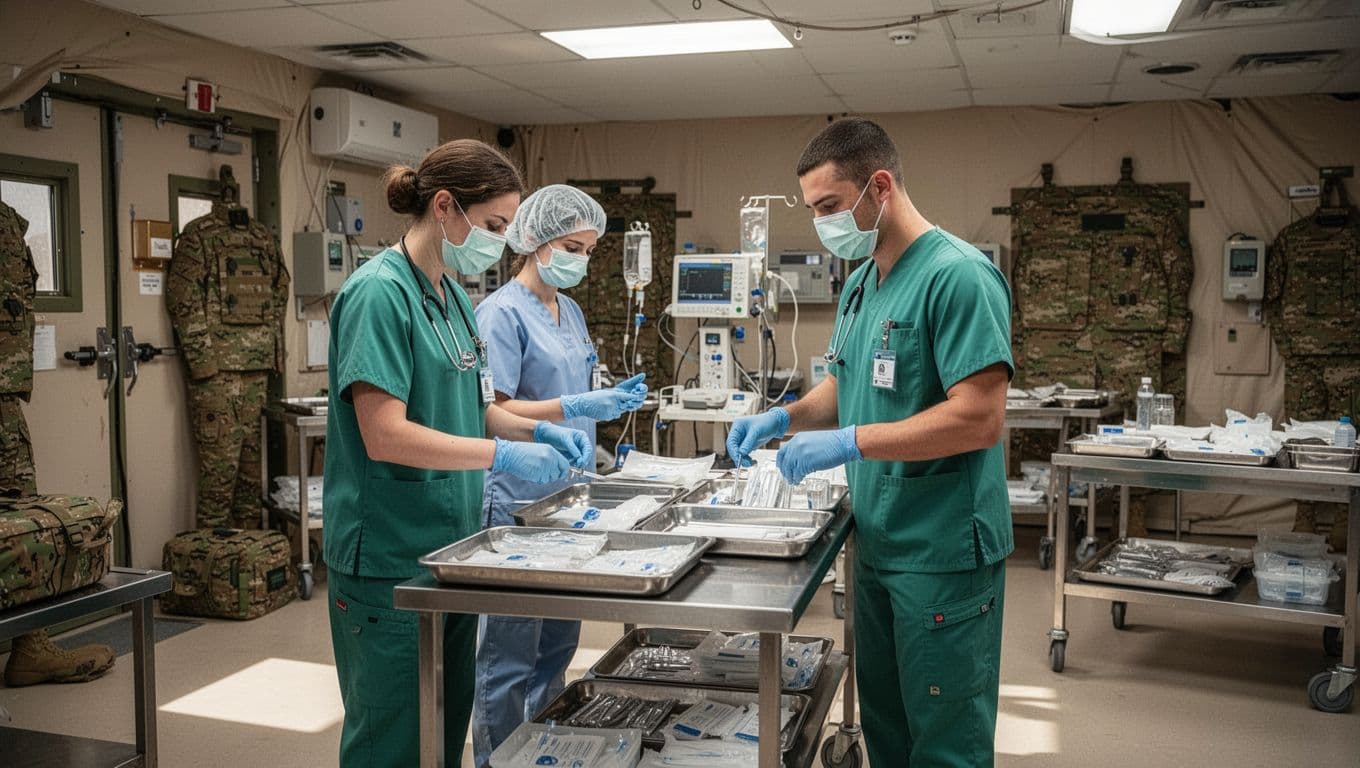
The response has been straightforward and aggressive. Medical teams are monitoring trainees who may have been exposed, sick recruits are being isolated, and those with symptoms are getting antiviral treatment such as Tamiflu. The goal is simple, slow the spread without stopping training any longer than necessary.
That balance matters. The base still has to keep recruits moving through the pipeline, but it also has to protect people who are packed into the same buildings and training spaces. At a place like Lackland, public health and training discipline are tied together.
The base has also stepped up mitigation measures as the case count climbed past 275 infections. That includes closer observation of exposed trainees and faster treatment for anyone showing signs of illness. It is the kind of response you expect when an outbreak stops being a small problem and starts affecting the whole formation.
Why the outbreak became a readiness problem, not just a health problem
In the military, an outbreak is never just about individual health. It can delay classes, slow graduation dates, and push new troops off schedule. When enough recruits get sick at once, the entire training cycle feels the strain.
That is why the flu outbreak at Lackland pushed the military to act quickly even after the broader vaccine policy had changed. Recruits are there to train together, and the military cannot afford a situation where a preventable illness keeps knocking them out of line. Readiness depends on keeping people healthy enough to train, not just healthy enough to recover.
The lesson is plain. If flu starts spreading in basic training, the problem does not stay at the clinic door. It cuts into manpower, timing, and the Army’s broader mission of getting trained troops into the force on schedule.
Why the flu Vaccine matters so much in basic training
Basic training is not a normal work environment. It is a pressure cooker, with new people arriving from all over the country, then living and training side by side all day. That setup makes the flu shot more than a routine vaccine, it becomes a simple way to keep a whole training class from getting knocked out by one contagious illness.
The military has treated vaccines this way for a long time. Influenza shots were first required in 1945, paused briefly, then brought back in the early 1950s after it became clear the virus changes and the threat does not go away. That history matters here, because the current recruit rule is not a strange one-off. It fits a pattern the military has relied on for decades.
Crowded training settings make outbreaks spread fast
Basic training gives the flu everything it wants. Recruits sleep in shared quarters, eat in common dining areas, drill in close formation, and spend most of the day in constant contact. If one trainee brings the virus in, it does not have to travel far to find the next host.
That is the real problem at a place like Lackland. New trainees come from different states, different schools, different jobs, and different health backgrounds, then get packed into the same routine. In that kind of environment, flu spreads like sparks in dry grass.
The vaccine is used as a preventive tool because it lowers the odds that an outbreak gets a foothold in the first place. When hundreds or thousands of recruits are moving through the same system, even a small outbreak can turn into missed drills, missed classes, and a lot of sick call lines.
What the military says vaccines protect
The military’s view is practical. Vaccines protect the individual recruit, but they also protect the unit, the instructors, and the larger training pipeline. That is why immunization is tied to readiness, not just personal health.
A flu shot can help reduce hospitalizations, cut down on lost training time, and keep preventable outbreaks from tearing through a barracks. In basic training, that matters because one sick platoon can slow down everyone behind it.
The Pentagon’s long vaccine history backs that up. Military vaccination programs go back to the Revolutionary War era, and flu shots became part of that broader approach once the services saw how badly influenza could disrupt the force. The History of Vaccines overview of U.S. military vaccine policy lays out that long-running pattern clearly, and the PMC review of military vaccine mandates shows how the flu requirement changed over time before coming back again.
In basic training, the flu shot is less about choice and more about keeping the whole machine running.
That is why the recruit rule makes sense in the bigger picture. The goal is fewer sick trainees, fewer interrupted schedules, and a stronger force coming out of basic training.
What this means for recruits, families, and the public
This policy shift is about more than a flu shot. For recruits, it changes what they need to have ready before basic training. For families, it affects timing, travel plans, and the worry that comes with a delayed start date. For the public, it shows how fast the military will tighten health rules when an outbreak starts to threaten training.

What incoming recruits should expect now
If you’re heading into basic training, plan on getting the flu vaccine before you report. The military is treating this like part of the entry process again, the same way it handles other medical checks that have to be complete before training begins.
That means the shot is not just a recommendation tucked into a packet somewhere. It can be one of the items reviewed when you go through processing, along with other health paperwork and screening steps. If you are signing up for service, this is one more box you need to have checked before you step onto the bus, plane, or shuttle to training.
Families should also expect some practical questions to come up early. Was the recruit vaccinated already? If not, is there enough time before departure? These are the kinds of details that can affect the start date, especially if a training site is dealing with an outbreak and wants every new arrival protected as quickly as possible.
For recruits, the safest move is simple, get the shot early and keep the paperwork handy.
That advice may sound small, but it saves trouble later. Recruits are often moving fast through medical screening, travel prep, and last-minute instructions, so a missing vaccine record can turn into another delay nobody needs. For a straightforward look at the recruit policy change, ABC News reported on the restored flu shot requirement.
How this fits into the military’s broader vaccine policy
The flu shot is only one piece of the military’s vaccine system. Service members have long been required to get protection against other diseases, including measles, mumps, rubella, and hepatitis B, because the military knows how fast illness can spread in close quarters.
That bigger picture matters. The military does not treat vaccines as a side issue, it treats them like a basic part of force protection. Recruits get a batch of shots because they are about to live, train, and work in shared spaces where one sick person can set off a chain reaction. Active-duty troops may have more flexibility with the flu vaccine right now, but the military still uses vaccine rules whenever it thinks the health risk is high enough.
The public is hearing about this now because the policy and the outbreak collided at the same time. A change at the Pentagon made the flu shot optional for most service members, then the Lackland outbreak forced exceptions back into place for recruits. That kind of back-and-forth gets attention because it shows the military is still willing to tighten the rules when training readiness is on the line. The Marines’ 2025-2026 influenza guidance also shows how seriously the services treat seasonal flu when units and training commands are at risk.
For families and future recruits, the takeaway is plain. This is not a one-off reaction to a single base, and it is not just about influenza. It is part of a long-running military habit, use vaccines to keep new troops healthy enough to finish training and get to the force on time.
Conclusion
The military pulled the flu shot rule back for recruits for a simple reason, basic training is one of the easiest places for the virus to spread, and Lackland proved it. Making the vaccine optional for most troops is one thing, but crowded barracks and low coverage among trainees are a different problem.
That is why the Pentagon carved out an exception for new recruits. The goal is plain, protect health, keep training on track, and avoid losing readiness to a preventable outbreak.