Cold and flu season does not wait for a convenient week. By the time the first cough starts moving through the office, school pickup line, or kitchen, your habits are already doing the work, or not.
No food, supplement, or routine can promise you will not get sick. What you can do is support normal immune function and lower your odds of getting hit hard when viruses start circulating.
If you want to boost your immune system before cold and flu season 2026, start now. The smartest prep is steady, boring, and repeatable.
- What your immune system actually needs most
- Eat in a way that covers the basics
- Sleep is the overnight repair crew
- Move every day, but keep it reasonable
- Hydration, stress, and indoor air matter more than people think
- Vaccines and hygiene are still your best backup
- Supplements: when they help, when to skip them
- Conclusion
What your immune system actually needs most
Your immune system does not need a detox, a cleanse, or a mystery powder with a loud label. It needs enough protein, enough calories, enough sleep, steady movement, and a decent supply of vitamins and minerals.
Harvard Health’s immune system overview puts the message plainly, diet, activity, sleep, and stress all matter together. There is no single trick that fixes the whole picture.
Think of your immune system like a team. If one player is weak, the whole team has to work harder. If several players are off, the game gets messy fast.
That is why the basics matter so much before cold and flu season. A week of skipped meals or short sleep will not ruin you. A season built on those habits can make it harder for your body to keep up.
The good news is that the basics are not fancy. They are available now, in June, while schedules are still easier to shape.
Eat in a way that covers the basics
Food will not act like armor, but it does supply the raw materials your body uses every day. If meals are patchy, your body has to do more with less.
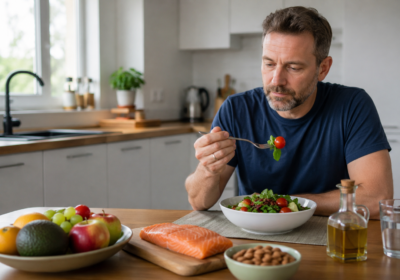
A recent NIH review of immune-supporting foods keeps pointing to the same pattern, fruits, vegetables, herbs, fermented foods, nuts, and protein-rich staples. The list is not glamorous. It is useful.
A simple plate does a lot of work here:
- Colorful produce, like oranges, berries, bell peppers, broccoli, and spinach, gives you vitamin C, antioxidants, and fiber.
- Protein, like eggs, yogurt, chicken, fish, beans, lentils, or tofu, helps your body make the cells it uses for repair and defense.
- Healthy fats, like olive oil, nuts, seeds, and salmon, help round out meals and support normal inflammation control.
- Fermented foods, like yogurt, kefir, kimchi, or sauerkraut, can support gut health, which matters more than most people realize.
You do not need all of that in one sitting. You need a pattern.
Breakfast might be Greek yogurt with berries and oats. Lunch might be a bean bowl with greens, avocado, and chicken. Dinner might be salmon, rice, and broccoli. Snacks can be fruit, nuts, hummus, or cheese.
The trick is consistency. A season built on random pastries, skip meals, and takeout has a way of leaving nutrient gaps wide open.
If your diet has been off track, start with one meal a day. Make that one meal boring in the best way, balanced, filling, and easy to repeat.
Sleep is the overnight repair crew
If there is one habit worth protecting, it is sleep. Not because sleep is magic, but because your body uses it to repair and reset.
Most adults do best with 7 to 9 hours a night. Kids and teens usually need more. If sleep is always short, your immune support gets squeezed before cold season even starts.
A steady bedtime helps more than a heroic catch-up sleep on the weekend. Your body likes rhythm. It handles a regular schedule far better than a life of late nights and early alarms.
Keep the bedroom cool, dark, and quiet if you can. Put the phone away before bed, or at least stop the endless scroll that turns “five minutes” into half an hour. A book, low light, and a simple wind-down routine usually work better than another screen.
Caffeine late in the day can make sleep lighter, even when you do fall asleep. Alcohol can do the same. Both can leave you feeling less rested than you thought you would.
Families feel this one fast. When kids are overtired, mornings go sideways. When adults are overtired, meals get worse, patience gets thinner, and bedtime gets later. The whole house feels it.
Pick a bedtime you can repeat. Keep it boring. Repeat it again.
Move every day, but keep it reasonable
Movement helps circulation, keeps routines from going stale, and supports the rest of your plan. You do not need a brutal workout to get the benefit.
The CDC’s guide to healthy habits for enhancing immunity puts regular physical activity right alongside food and sleep. That is not an accident.
A brisk walk counts. So does cycling, swimming, strength training, yard work, a hike, or a few active chores around the house. If you are already active, keep going. If you have been sitting too much, start smaller than you think you need to.
About 150 minutes of moderate activity a week is a solid target for many adults. That can be broken up into 20 or 30 minutes at a time. It does not need to happen all at once.
The sweet spot is movement that leaves you better, not wiped out. If you are already sleep-deprived or run down, a long punishing workout may leave you flatter for the rest of the day. A walk may be the smarter choice.
Think of movement as a thermostat. Too little and everything gets sluggish. Too much without recovery and the system runs hot.
Try a walk after dinner, a stretch break between meetings, or a family loop around the block. Kids copy what they see. A parent who moves daily teaches that more clearly than any lecture.
Hydration, stress, and indoor air matter more than people think
Water does not cure colds, but dehydration can make everything feel harder. Fatigue, headaches, and dry air all pile on when you are not drinking enough.
People often drink less in fall and winter because they are not sweating as much or feeling as thirsty. That is exactly when indoor heat, coffee, and salty snacks can leave you behind. Keep a water bottle where you can see it. Sip with meals. Use soup, fruit, and vegetables with high water content to help.
Stress works the same way. You do not need a perfect calm life. You need short breaks before stress turns into a long grind that wears you down.
Small resets help more than most people expect. A ten-minute walk. A real lunch away from your screen. Five slow breaths before school pickup. Saying no to one extra thing when the week is already full.
Indoor air deserves attention too. Once windows stay shut, stale air becomes part of the season. Crack a window when weather allows. Run a fan. If you use a portable HEPA filter in the room where people spend the most time, that can help cut down on particles in the air.
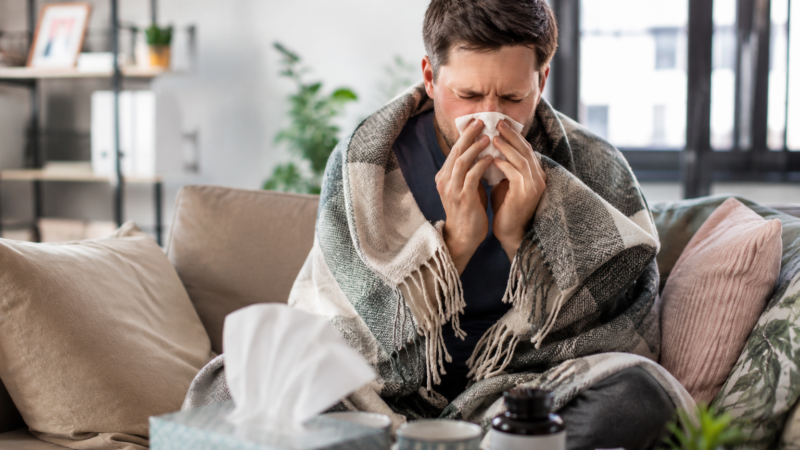
If someone at home is sick, spread out when you can. Keep tissues nearby. Wash bedding and towels on a normal schedule. Little things matter when germs are moving through a house.
Small routines beat heroic fixes. A glass of water, a 10-minute walk, and a decent bedtime are not glamorous, but they travel well through the season.
Vaccines and hygiene are still your best backup
Vaccines belong in an immune-support plan. They are not a bonus item. They are part of the base layer.
Before cold and flu season 2026, check where you stand on the annual flu shot and the current COVID vaccine guidance. If you or anyone in your family is due for another recommended vaccine, ask your clinician or pharmacist now, not when the waiting room is full.
Handwashing still works. Use soap and water for 20 seconds after being in public, before eating, after blowing your nose, and after cleaning up coughs or sneezes. That simple habit does a lot of quiet work.
Try not to touch your face while you are out. Keep hand sanitizer in the car or bag for the times when soap is not nearby, but do not treat it as a replacement for washing your hands well.
At home, make sick-day plans before someone gets sick. Who stays home? Who handles dinner? Where are the tissues, thermometer, and fever medicine? If your clinician has already told you what is safe for your family, keep those basics stocked.
Families do better when the plan is plain. No guessing. No scrambling. No “we’ll figure it out later” once everyone is already coughing.
Supplements: when they help, when to skip them
Supplements can fill a gap. They cannot build a routine for you.
If your diet is decent, the payoff from extra pills is often small. If you have a known deficiency, a clinician may recommend something targeted, like vitamin D, iron, B12, or another nutrient based on your history and lab work. That is different from buying a bottle because winter is near.
Zinc, vitamin C, probiotics, elderberry, and “immune blends” are common cold-season buys. Some people may find them useful. They are not harmless just because they are sold over the counter.
If you are pregnant, breastfeeding, have kidney disease, liver disease, autoimmune disease, or take prescription medicine, check before starting anything new. That includes herbs. It also includes products labeled “natural” or “clean,” because labels do not tell the whole story.
Some supplements can upset the stomach. Others can interfere with antibiotics, thyroid medicine, blood thinners, or other daily prescriptions. A pharmacist can usually flag problems fast.
Ask three simple questions before you buy a bottle. Do I need this? Could it clash with anything I already take? Do I know the right dose for me?
If the answer is fuzzy, pause.
Supplements are the backup singers. Sleep, food, movement, vaccines, and hygiene are the band.
Conclusion
The best way to boost your immune system before cold and flu season 2026 is not to chase one miracle habit. It is to stack a few ordinary ones and keep them going when the weather changes.
Real food, enough sleep, daily movement, clean hands, current vaccines, and careful supplement use give your body a better shot at staying steady. None of it guarantees you will skip every bug. All of it helps you handle the season with less strain.
Start small this week. A better bedtime tonight, a real breakfast tomorrow, and a check on your vaccine and supplement plan will do more than any last-minute scramble in October.