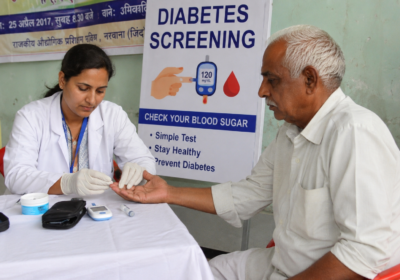

A routine blood test can look simple when it’s ordered, then wildly confusing when the results show up. A page full of letters, numbers, and flags is enough to make anyone stare at the screen twice.
The good news is that most results are clues, not verdicts. Doctors read them next to your symptoms, your medications, your history, and the pattern over time, not as one lonely number floating in space.
- What doctors usually order in a routine blood test
- The complete blood count tells a story about your blood cells
- The metabolic panel checks sugar, kidneys, liver, and salts
- Other common add-ons, like cholesterol and thyroid tests
- How to read lab results without jumping to the worst conclusion
- When to call your doctor about an abnormal result
- Conclusion
What doctors usually order in a routine blood test
A standard blood panel is not one fixed thing. It changes based on your age, your health history, and whether the test is for screening or follow-up. The Cleveland Clinic has a helpful overview of how blood tests are used in care, from checking overall health to looking for a specific problem.
Here’s the short version of what shows up most often.
| Test group | What it checks | What doctors look for |
|---|---|---|
| Complete blood count (CBC) | Red cells, white cells, platelets | Anemia, infection, inflammation, clotting issues |
| Basic or comprehensive metabolic panel | Sugar, kidneys, electrolytes, liver markers | Diabetes clues, dehydration, kidney strain, liver irritation |
| Lipid panel | Cholesterol and triglycerides | Heart and stroke risk over time |
| Hemoglobin A1C | Average blood sugar over about 2 to 3 months | Prediabetes, diabetes, or blood sugar control |
| Thyroid test | Thyroid hormone activity | Underactive or overactive thyroid |
A screening test is not the same as a diagnostic test. Screening looks for quiet problems before you feel sick. Follow-up testing is more targeted. If one number is off, your doctor may repeat it, add a more specific test, or simply watch the trend.
The complete blood count tells a story about your blood cells
The CBC is one of the most common routine blood tests because it gives a fast look at the cells moving through your bloodstream. It checks red blood cells, white blood cells, and platelets. That sounds technical, but the idea is simple. Your blood is carrying oxygen, fighting infection, and helping you clot, and the CBC checks all three jobs.
Red blood cells, hemoglobin, and hematocrit
Red blood cells carry oxygen. Hemoglobin is the protein inside those cells that does the hauling, and hematocrit is the share of your blood made up of red cells.
Low hemoglobin or hematocrit often points to anemia, which can happen after blood loss, with iron deficiency, with low vitamin B12, or with some long-term illnesses. Fatigue is a common clue, but not the only one.
High red cell numbers can happen with dehydration, since the blood gets more concentrated. Smoking, sleep apnea, and living at higher altitude can also push the numbers up. A high result does not automatically mean something serious is going on.
White blood cells and the differential
White blood cells help your body respond to infection and inflammation. If the count is high, your doctor may think about an infection, a recent injury, stress on the body, or steroid use. If it’s low, the reason might be a recent virus, a medicine effect, or a problem with the bone marrow.
Some CBCs also include a differential, which breaks white blood cells into types such as neutrophils and lymphocytes. That breakdown can help narrow the picture. A higher neutrophil count may fit a bacterial infection. A higher lymphocyte count may fit a viral illness. It still takes context. The number alone never tells the whole story.
Platelets and clotting
Platelets help stop bleeding. Low platelets can make bruising or bleeding more likely. High platelets can show up after inflammation, iron deficiency, or surgery.
Again, the result on the page is only part of the story. A person with a slightly low platelet count and no symptoms may need nothing more than a repeat test. Someone with bruising, nosebleeds, or bleeding gums needs a closer look.
The metabolic panel checks sugar, kidneys, liver, and salts
The metabolic panel gives a different kind of snapshot. It looks at chemistry, not cell counts. Depending on what your doctor orders, you may get a BMP or a CMP. A BMP is the smaller version. A CMP includes the BMP items plus extra liver-related measures.
This section often causes the most confusion because a lot of different body systems show up in one report. But the pattern is straightforward. The test asks, are your kidneys filtering well, are your electrolytes balanced, and is your blood sugar where it should be?
Glucose and A1C are not the same
Glucose is your blood sugar at that moment. If you ate recently, it may be higher. If the test was fasting, the number is easier to compare with standard cutoffs.
A1C is different. It reflects your average blood sugar over the last couple of months. That means one high glucose reading after a meal does not mean diabetes. It may just mean lunch happened.
For fasting glucose, doctors often use these rough guideposts:
- Below 100 mg/dL, usually normal
- 100 to 125 mg/dL, often in the prediabetes range
- 126 mg/dL or higher on repeat testing, may suggest diabetes
For A1C, common ranges are:
- Below 5.7%, usually normal
- 5.7% to 6.4%, often prediabetes
- 6.5% or higher, may suggest diabetes
Those numbers still need context. A diagnosis depends on the full picture, sometimes with repeat testing.
Kidney markers, BUN and creatinine
BUN and creatinine help show how well the kidneys are filtering waste. If they’re high, the reason could be kidney strain, but it could also be something much less dramatic, like dehydration or a high-protein diet before the test.
Low numbers do not automatically mean trouble either. Doctors look at the whole pattern, including urine tests, blood pressure, medicines, and any symptoms you have.
Electrolytes and hydration
The electrolytes on a routine blood test usually include sodium, potassium, chloride, and bicarbonate. These help control fluid balance, nerve signaling, and muscle function.
Dehydration, vomiting, diarrhea, and some medicines can shift these values. Diuretics, for example, can affect sodium and potassium. If you’ve had a stomach bug or you didn’t drink much water before the draw, that matters. So does whether you exercised hard the day before.
Small changes are common. Big changes deserve attention, especially if they match symptoms like weakness, confusion, cramps, or heart palpitations.
Liver markers and bilirubin
A CMP may also include AST, ALT, alkaline phosphatase, bilirubin, and albumin. These help paint a picture of liver function and, in some cases, bile flow or overall protein status.
A mild bump in liver enzymes does not always mean liver disease. Medicine use, alcohol, recent illness, muscle strain, and fatty liver can all shift the numbers. Your doctor usually wants to know whether the rise is tiny, mild, or clearly out of range, and whether it is new or long-standing.
Other common add-ons, like cholesterol and thyroid tests
Many routine blood tests include a few extras, depending on age, risk factors, and symptoms. These are common because they help catch problems early, before they turn into bigger ones.
Lipid panel
A lipid panel looks at total cholesterol, LDL, HDL, and triglycerides.
LDL is often called “bad” cholesterol, but that’s shorthand. High LDL is the real concern because it can raise the risk of heart disease over time. HDL is often called “good” cholesterol because it helps move cholesterol out of the bloodstream. Triglycerides are another type of fat, and they can go up with weight gain, alcohol, diabetes, and some genetic patterns.
A cholesterol result is not a one-number judgment. Doctors care about the full pattern, plus your age, blood pressure, family history, smoking status, and any other risk factors. A mildly high number in one person may matter less than the same number in someone with several other risks.
Thyroid tests
A thyroid check often starts with TSH, sometimes followed by free T4 or other tests. The thyroid affects energy, weight, heart rate, temperature, and mood, so a small shift can have a wide reach.
A high TSH often points toward an underactive thyroid. A low TSH can point toward an overactive thyroid. Still, the result has to match the situation. Some medicines, illness, and even supplements can nudge thyroid labs.
Vitamins and iron studies
Vitamin B12, vitamin D, and iron studies are not always part of a routine blood test. They’re often ordered when the doctor is looking for fatigue, anemia, nerve symptoms, bone issues, or a known deficiency. Think of them as follow-up clues, not default screening for everyone.
How to read lab results without jumping to the worst conclusion
If your report looks baffling, you’re not alone. MedlinePlus has a plain-English guide to understanding your lab results, and that’s a good place to get your bearings before your appointment.
The first thing to check is the reference range. That’s the lab’s normal band for that test. It’s not a moral score, and it’s not a guarantee of disease. Reference ranges are statistical, which means a small number of healthy people will still land outside them. A review in PMC explains that these ranges are built from group data, so “abnormal” can simply mean “outside this lab’s chosen line,” not “sick.”
That matters more than most people think. One result can be slightly high because you were dehydrated, had a hard workout, missed a meal, were getting over a cold, or took a medicine that affects the test. Fasting, recent alcohol use, steroids, diuretics, and supplements can all change the picture too.
A flagged result is a clue, not a diagnosis.
What doctors look for next is the pattern. Is it a small bump that has been there for years? Is it new? Are several numbers moving in the same direction? Does it fit your symptoms? That is where the meaning comes from.
Also, don’t ignore the difference between a one-off and a trend. A single result can be noise. Two or three results over time start to tell a story.
When to call your doctor about an abnormal result
If your doctor already told you a value needs follow-up, that’s the place to start. Some results are mild and can wait for the next visit. Others need a repeat test, a medication review, or a faster conversation.
Call sooner if the result came with symptoms that worry you, or if the lab marked the value as critical. That can include severe weakness, chest pain, trouble breathing, fainting, black stools, or yellowing skin. Those symptoms deserve prompt medical attention.
For a less urgent abnormal result, these questions help:
- “Do I need to repeat this test, and should I fast first?”
- “Could my medicines, supplements, dehydration, or exercise have changed this?”
- “Is this a one-time change, or are you watching a trend?”
- “Do I need another test, or just a recheck later?”
- “What symptoms would make this more urgent?”
Those questions keep the conversation focused. They also help you understand whether you’re dealing with screening, follow-up, or a real diagnostic workup.
Conclusion
A routine blood test is a snapshot, not a final answer. It gives your doctor a map of your cells, chemistry, and risk factors, but the map only makes sense in context.
The most useful habit is simple. Look at the number, the reference range, and the trend, then ask what it means in your situation. That’s how one strange result becomes information instead of a panic button.