

Your metabolism usually isn’t the problem. The pattern is. A light breakfast, a long stretch without food, then a big dinner and a sweet snack can leave you tired, hungry, and frustrated, even if you’re trying to “eat healthy.”
Good nutrition for metabolic health is less about restriction and more about steadier fuel. When meals have the right mix of protein, fiber, and minimally processed carbs, blood sugar tends to rise more gently, energy lasts longer, and appetite gets easier to manage.
Key Takeaways
The habits that matter most
Build meals around a real protein source, add fiber-rich foods often, and keep a loose meal rhythm most days. These simple habits support steadier blood sugar, more consistent energy, and fewer cravings later.
What tends to backfire
Extreme rules, skipped meals, and foods that are mostly refined starch or sugar can make the day harder. You don’t need a perfect plan. You need one you can repeat on a busy Tuesday.
What metabolic health looks like on your plate
It’s about fuel handling, not moral virtue
Metabolic health is about how well your body handles and stores energy. That includes blood sugar, blood fats, blood pressure, and body composition. It’s not a character test, and it isn’t defined by one meal.
An afternoon crash doesn’t diagnose anything. Still, it can be a clue. If meals leave you sleepy, ravenous, or hunting for sugar an hour later, your food pattern may need work.
Food can smooth the highs and lows
Meals that digest fast can push blood sugar up quickly, then drop it fast too. Meals with protein, fiber, and some healthy fat tend to slow that curve. You feel fuller, longer.
The same basics show up in Grand River’s metabolic health guidance: whole foods, regular meals, and less added sugar. Nothing flashy. That’s the point.
Build meals that stay with you
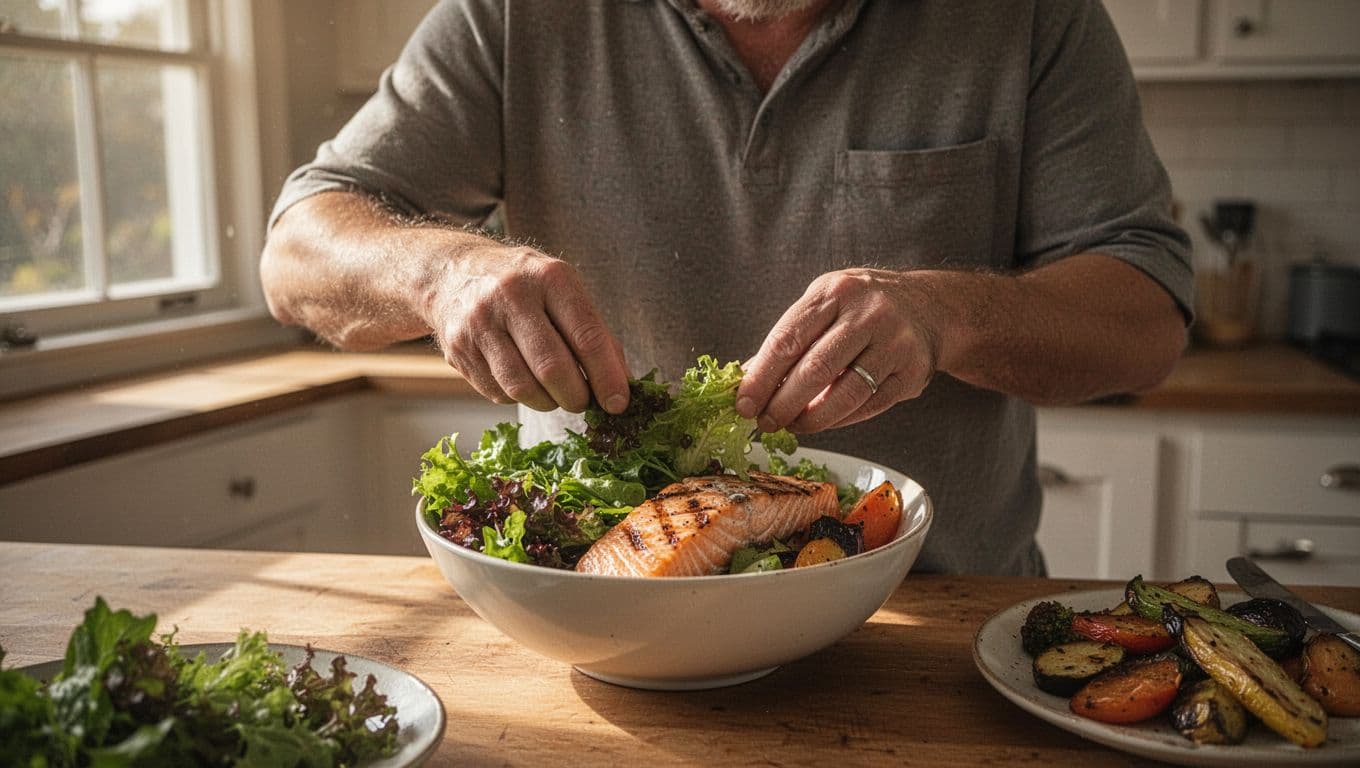
Start with a clear protein source
Protein helps meals last. It slows digestion, supports muscle, and usually makes a plate more satisfying. That matters for metabolic health because less rebound hunger often means less mindless snacking later.
Think eggs at breakfast, Greek yogurt with berries, chicken in a salad, tofu in a stir-fry, or lentils in soup. A meal without a clear protein source often looks healthy but doesn’t hold up.
Finish the plate with fiber and fat
Fiber adds bulk and slows carbohydrate absorption. Healthy fats help with fullness and make meals taste like actual food, not a punishment.
A simple template works well: half the plate non-starchy vegetables, a quarter protein, a quarter higher-fiber carbs, plus a little olive oil, avocado, nuts, or seeds. A salmon bowl with greens and quinoa works. So does chili with beans and a side salad. Even toast can fit, if you pair it with eggs and fruit instead of eating it alone.
Choose carbs with a slower burn
Not all carbs act the same
Carbs aren’t the villain. Your body uses them for energy. The bigger question is what package they come in.
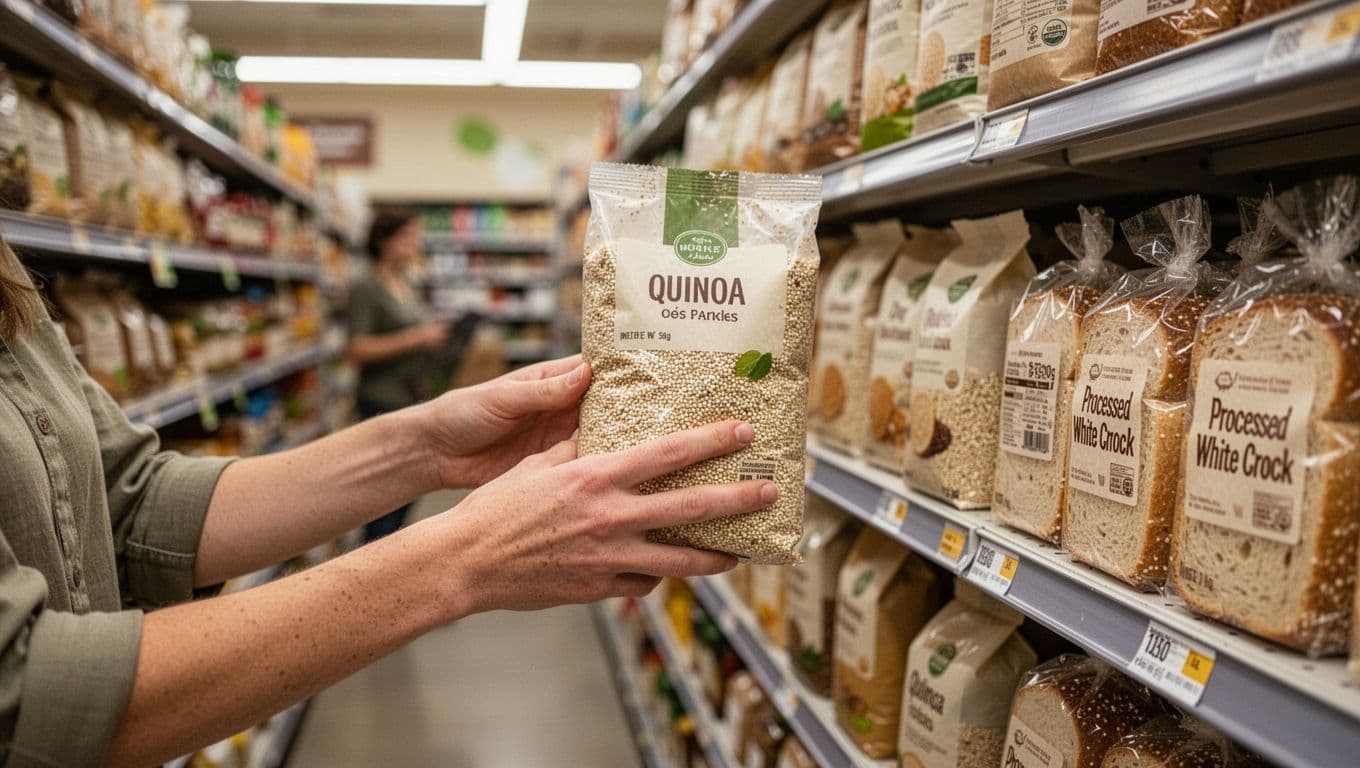
Beans, oats, fruit, potatoes, and intact whole grains bring fiber, water, and nutrients. Sugary cereal, pastries, soda, and white bread on its own hit faster and usually don’t satisfy for long. That’s why one breakfast can carry you to lunch, while another has you raiding the office snacks by 10:30.
Easy upgrades that don’t feel like dieting
Swap, don’t ban. Choose plain oats over sweetened cereal. Pick brown rice or quinoa more often than white rice. Use berries, apples, oranges, and pears when you want something sweet but still filling.
The goal isn’t to fear bread or avoid rice forever. It’s to stop making refined carbs the center of every meal. When carbs share the plate with protein and fiber, they tend to work much better.
A steady eating rhythm beats all-or-nothing
Why skipping meals can rebound
Some people do fine with longer gaps between meals. Many don’t. If skipping breakfast leads to shaky hunger, poor concentration, and overeating at night, the pattern is not helping.
Long stretches without food can also make ultra-processed snacks look irresistible. That’s not weak willpower. That’s biology meeting convenience.
A simple pattern for normal weeks
A steady rhythm often works better than a strict schedule. Three balanced meals is enough for many people. Others do well with one planned snack between lunch and dinner.
Regular meals beat “being good” all day and overdoing it at night.
Breakfast doesn’t need to be elaborate. Yogurt with nuts and fruit counts. So does eggs and whole-grain toast. The win is consistency, not perfection.
Smarter snacks, better drinks, easier food swaps
Snacks that actually hold you
A good snack has staying power. That usually means protein, fiber, or both. Fruit alone is fine sometimes, but fruit with peanut butter lasts longer. Crackers alone disappear fast. Crackers with hummus or cheese land differently.
Try cottage cheese with tomatoes, an apple with almonds, edamame, or carrots with hummus. These are ordinary foods. That’s why they work.
Liquid sugar is easy to miss
Drinks can move a lot of sugar fast because there’s little chewing and often no fiber. Sweet coffee drinks, soda, juice blends, and energy drinks can turn a decent day of eating into a roller coaster.
These swaps make the change easier:
| Instead of | Try |
|---|---|
| Sugary cereal | Plain oats with nuts and berries |
| Soda | Sparkling water with citrus |
| Pastry snack | Greek yogurt with fruit |
| White toast alone | Whole-grain toast with eggs |
Small swaps beat dramatic overhauls because you’ll still do them next month.
Mindful eating helps your body catch up
Slow down so fullness can register
Eating fast, distracted, or standing over the sink makes it harder to notice hunger and fullness. Your body has signals. They just don’t yell.
Try sitting down, putting the phone away, and giving the first five minutes of a meal your full attention. Chew. Pause halfway through. Ask one plain question: “Am I still hungry, or am I still eating?”
Personal needs change the details
This is where rigid food rules fall apart. Two people can eat the same lunch and feel different afterward. Sleep, stress, activity, medications, and health conditions all matter. If you’re curious about those differences, Levels’ overview of food responses is a useful example of why one-size-fits-all advice doesn’t always land.
If you have diabetes, PCOS, fatty liver disease, or take glucose-lowering medication, get personalized advice from a qualified healthcare professional or registered dietitian. Individual needs vary, and your plan should match your body.

A steadier way to eat
Better metabolic health rarely comes from one heroic food or a short burst of discipline. It comes from repeatable meals, steadier timing, and fewer blood sugar whiplash moments.
Start smaller than you think. Add protein to breakfast. Upgrade one snack. Swap one sweet drink. Those habits sound modest, but they’re the ones that tend to stick.
FAQ
Can I still eat carbs if I want better metabolic health?
Yes. Most people don’t need to cut carbs completely. The bigger issue is type and context. Higher-fiber carbs, eaten with protein and healthy fat, usually work better than refined carbs eaten alone.
Is breakfast necessary for everyone?
No. Some people feel fine without it. But if skipping breakfast leaves you drained, extra hungry, or overeating later, a balanced morning meal is worth trying.
What are the best snacks for stable energy?
Snacks with protein or fiber usually last longer. Good options include Greek yogurt, fruit with nuts, hummus with vegetables, cottage cheese, or edamame. A snack should buy you time, not trigger a second snack an hour later.
Do I need to avoid all sugar?
No. The goal is not perfection. It’s lowering the amount of sugar that shows up in daily habits, especially in drinks and ultra-processed snacks. A dessert you enjoy sometimes is different from liquid sugar showing up three times a day.
How long does it take to notice a difference?
Some people notice steadier energy and fewer cravings within days. Weight, lab values, and waist changes usually take longer. The useful marker early on is simple: are you less hungry, more even, and less snack-driven than before?