If your blood sugar keeps bouncing after meals, you do not need a perfect diet. You need a few foods that slow the rise.
The most useful choices usually have fiber, protein, or healthy fats. Those foods do not cure diabetes, and they do not work the same way for everyone, but they can make meals easier on your blood sugar. If you take diabetes medication, keep an eye on your numbers and talk with your clinician before making major changes.
What makes a food better for blood sugar?
The best foods for blood sugar control do one simple thing, they slow digestion. That gives your body more time to handle glucose instead of getting hit with a fast rush. The American Diabetes Association keeps a similar list of support foods in its diabetes superstar foods guide.
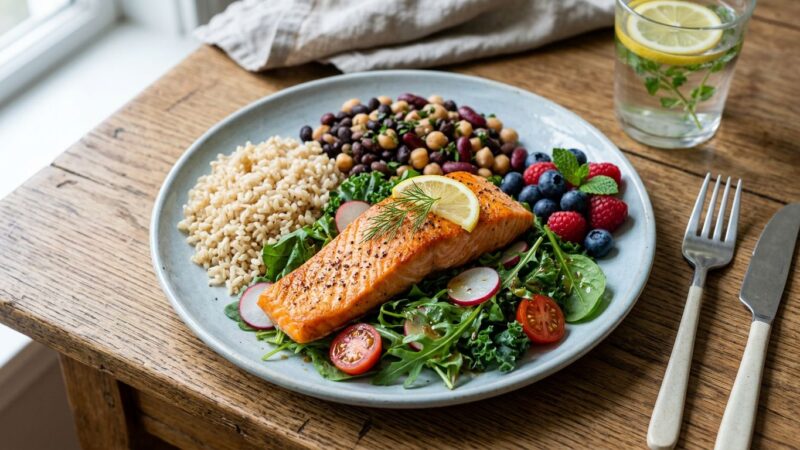
A lower-glycemic meal is not about cutting out every carb. It is about pairing carbs with foods that blunt the spike. Beans with rice. Berries with yogurt. Salmon with greens. That kind of plate tends to work better than a bowl of quick carbs on its own.
The goal is not a magic food. The goal is a meal that rises slower.
Portion size still matters. Berries help more than berry pie. Oats help more than sweetened instant packets. The food matters, but the form of the food matters too.
1. Beans and lentils
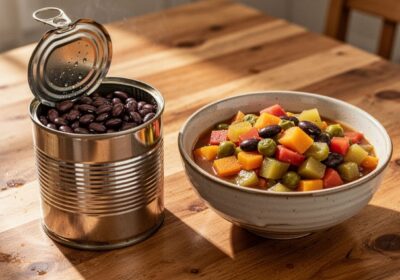
Beans and lentils are one of the strongest places to start. They give you fiber, protein, and resistant starch, which all slow how fast carbs hit the bloodstream. A plant-focused review in A plant-based diet for the prevention and treatment of type 2 diabetes points to legumes as a core part of eating for better blood sugar control.
The nice part is that they fit almost anywhere. Black beans work in tacos. Lentils fit into soups and curries. Chickpeas can sit on a salad and make it a meal.
Shopping is easy here. Buy no-salt-added canned beans when you want speed, then rinse them well. Keep dry lentils on hand for nights when you need something cheap, fast, and filling. If you eat rice, try mixing in half lentils and half rice. It is a small shift, but it changes the whole meal.
2. Leafy greens and broccoli
Spinach, kale, arugula, and broccoli bring a lot of volume for very few carbs. They are low on the glycemic index and high in fiber. They also bring magnesium, a mineral linked to better glucose control.
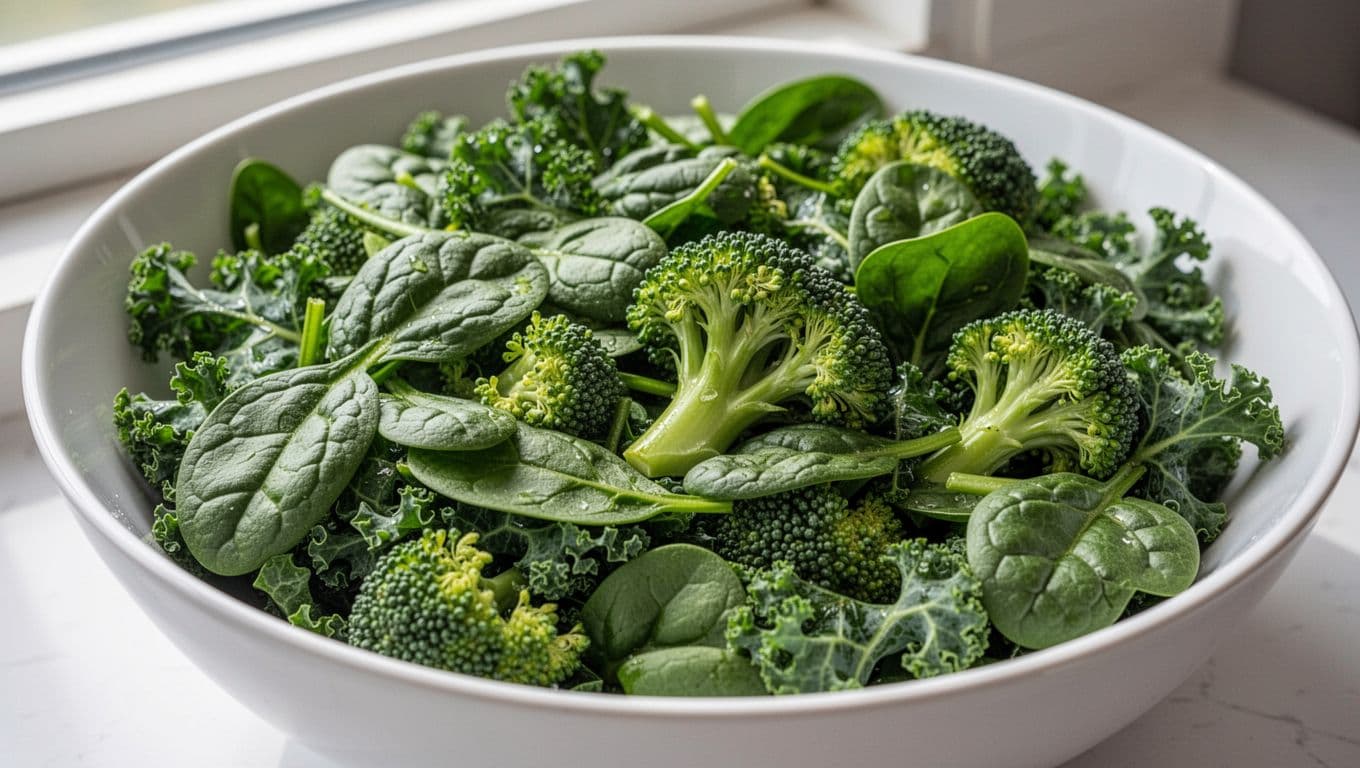
These foods are not flashy, but they are reliable. Add spinach to scrambled eggs. Toss kale into soup. Roast broccoli until the edges crisp. Even one handful can change the balance of a meal.
Frozen greens are worth buying. They are often cheaper, and they are picked at peak ripeness. If fresh vegetables go bad in your fridge too often, frozen broccoli and spinach may be the better move. A bag in the freezer beats a beautiful bunch you never use.
3. Nuts and seeds
Almonds, walnuts, pistachios, chia, and flax add healthy fats and protein, which helps keep hunger and blood sugar steadier. Nuts are easy to overeat, though, so the serving matters. A small handful, about 1 ounce, is enough for most people.
This is one of the easiest swaps in the whole list. If you usually snack on crackers, cookies, or chips, try nuts instead. If breakfast is your weak spot, add walnuts or chia to oats. If yogurt is your thing, stir in ground flax for more fiber.
Buy unsalted nuts when you can. You get the same blood sugar-friendly pattern without the extra sodium. Raw or dry roasted versions are both fine. Skip the candied mixes and honey-coated snacks. They turn a useful food into a dessert with a marketing problem.
4. Fatty fish
Salmon, sardines, trout, and tuna bring protein and, in some cases, omega-3 fats. Protein helps slow digestion. Fat helps a meal feel more balanced. Together, they can make it easier to avoid the sharp after-meal rise that refined carbs often cause.
Fish also tends to be satisfying. That matters more than people think. When a meal keeps you full, you are less likely to reach for something sweet an hour later. Canned salmon and sardines count here too, which makes this category more affordable than it sounds.
A simple dinner works well: baked salmon, broccoli, and a small scoop of quinoa or brown rice. Or try tuna over a pile of greens with beans on the side. If you usually buy breaded fish sticks, this is a clean swap with a better blood sugar profile.
5. Berries and other low-glycemic fruit
Blueberries, strawberries, raspberries, and blackberries give you fiber with a lower sugar load than juice or dried fruit. They are one of the easiest sweet foods to fit into a blood sugar-friendly plan. One study found that daily blueberries improved blood sugar markers in men with type 2 diabetes.
Fresh or frozen both work. Frozen berries are often cheaper, and they are handy when fresh fruit goes soft too fast. They also make breakfast easier. A handful on top of plain yogurt or oats gives you sweetness without a big glucose spike.
Keep the serving sensible. A bowl of berries is useful. A giant smoothie with juice and banana is a different story. If you want dessert after dinner, berries with a spoonful of Greek yogurt or a few nuts can scratch the itch without sending you hunting for something else.
6. Oats and other whole grains
Oats have beta-glucan, a soluble fiber that helps slow carb absorption. That is one reason old-fashioned oats or steel-cut oats usually work better than sugary breakfast cereal. Whole grains like brown rice, quinoa, barley, and whole-grain bread also digest more slowly than refined grains.
This is not about banning carbs. It is about choosing smarter ones. Diabetes UK’s type 2 eating guidance makes the same point, carbs can stay on the plate, but the quality matters.
Look for labels that list whole grains first. Choose plain oats instead of flavored packets. Swap white toast for whole-grain toast. Swap white rice for barley or quinoa. If you want blood sugar support without making breakfast feel like a chore, oatmeal with berries and nuts is hard to beat.
7. Okra
Okra does not get enough credit. It is low in carbs, and it has soluble fiber that may help blunt post-meal blood sugar rises. The evidence is smaller than it is for beans or oats, but okra still belongs on a practical list.
Roasting is the easiest way to win people over. The edges get crisp, and the texture softens just enough. You can also slice okra into gumbo, tomato stews, or skillet meals. If fresh okra is hard to find, frozen okra works too.
The best part is how easy it is to pair. Serve it next to fish, beans, or a grain bowl. You get more fiber on the plate without needing a separate recipe. If okra is new to you, start with a small pan and keep the seasoning simple.
How to put these foods together
The easiest blood sugar meals are the ones you can repeat. Start with a protein, add a vegetable, then choose a slower carb if you want one. Keep the basics in your kitchen so a busy week does not push you back to quick fixes.
A few simple combinations work almost every time:
- Breakfast, oats topped with berries and walnuts.
- Lunch, lentil soup with a big serving of greens.
- Dinner, salmon with broccoli and quinoa.
- Snack, almonds with a small bowl of berries.
Stock your pantry with canned beans, plain oats, nuts, and canned fish. Keep frozen broccoli and berries in the freezer. Buy whole grains before the week gets hectic. These small habits make better choices easier, which matters more than perfection.
If you use insulin or a sulfonylurea, a big shift in carb intake can change your blood sugar fast. Monitor your numbers and check in with your clinician or dietitian before making major changes.
Conclusion
The foods that help lower blood sugar naturally are not fancy, and they are not magic. They work because they slow digestion, bring more fiber to the plate, and make meals less likely to spike you hard.
Beans, greens, nuts, fish, berries, oats, and okra all fit that pattern. The next meal does not need a total overhaul. It just needs a better balance.