Medically Reviewed by: Dr. Sarah Matheson, MD
Fact Checked by: Editorial Team
Last Updated: June 3, 2026
Reading Time: 13 min read
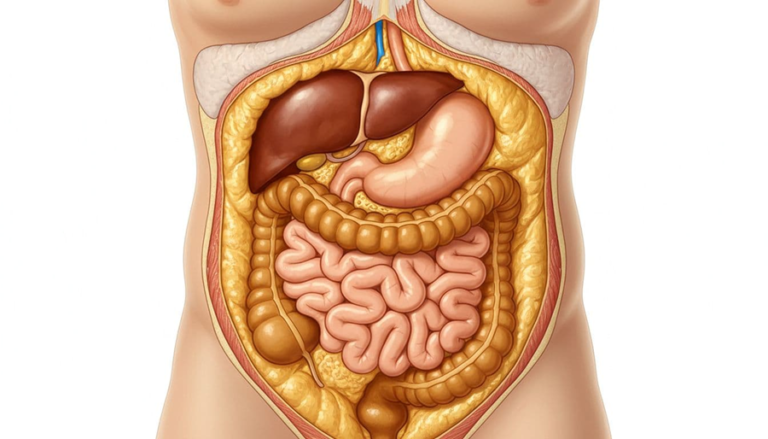
Digestive health is how well your stomach and intestines break down food, absorb nutrients, and clear waste. When it’s off, you may feel it in your energy, mood, and comfort throughout the day.
Bloating, gas, constipation, diarrhea, and stomach pain are common signs that your digestion needs attention. These problems don’t always point to something serious, but they can make meals less enjoyable and daily life harder.
The good news is that small habits can make a real difference. This guide shares simple, practical steps you can start using right away to support digestive health and feel better after meals.
What healthy digestion actually looks and feels like
Healthy digestion is usually steady, comfortable, and easy to ignore. Food breaks down, nutrients move into your body, and waste leaves on a fairly regular schedule without much drama.
That doesn’t look the same for everyone, but the pattern is similar. Your stomach should not feel like a fight after most meals, and your bathroom habits should feel manageable, not unpredictable.
The signs your digestive system is working well
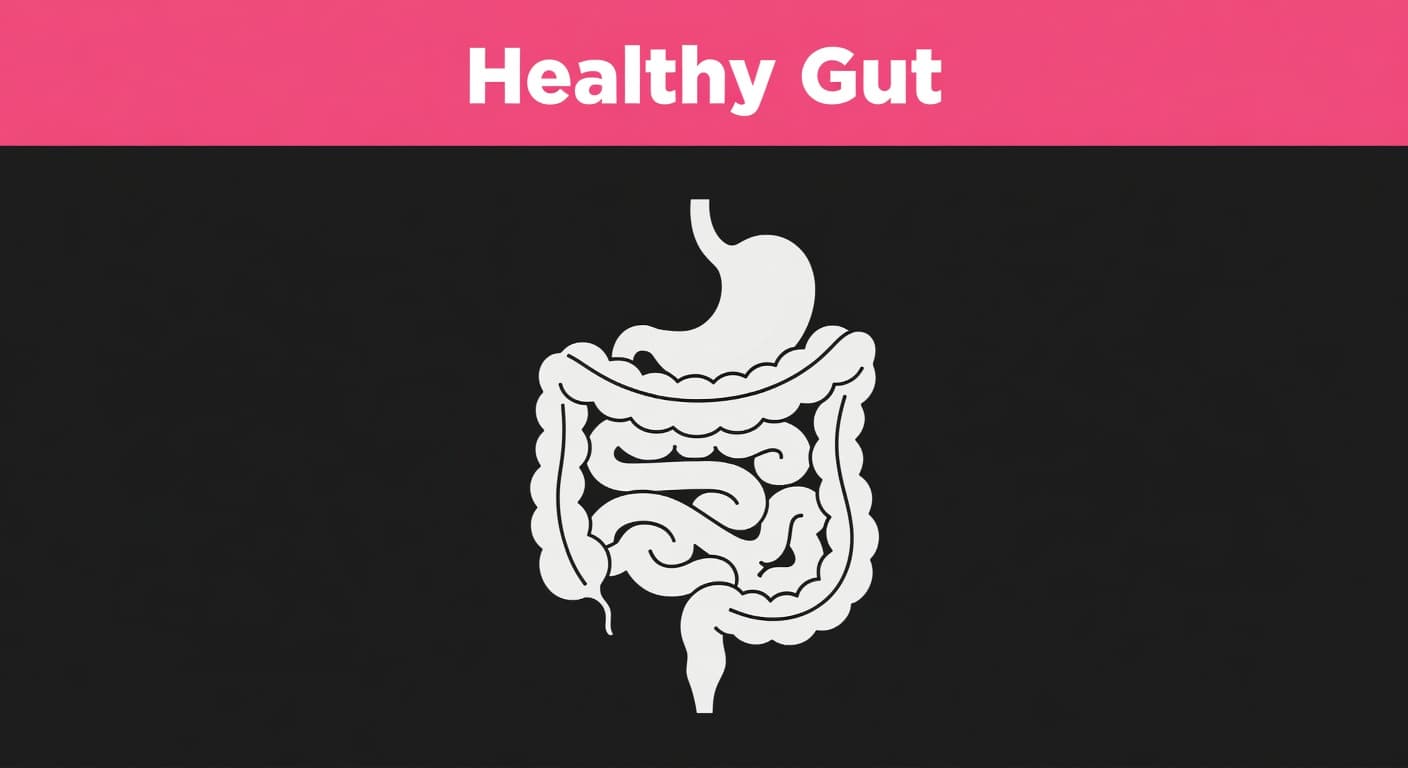
A healthy gut often gives you simple, consistent clues. You may notice regular bowel movements, stools that are soft and easy to pass, and little to no straining. Normal can mean different things for different people, but a predictable rhythm matters more than a perfect schedule.
You also tend to feel fine after eating. Mild fullness is normal, yet frequent bloating, reflux, or cramping is not part of a happy pattern. For a quick reference on healthy-gut signs, Everlywell’s overview of healthy digestion lines up well with these everyday markers.
Other signs include:
- Steady appetite: You feel hungry at regular times and can eat without strong nausea.
- Low discomfort after meals: Your stomach settles soon after eating.
- Fewer gas problems: Some gas is normal, but it should not cause pain or constant pressure.
- Regular bathroom habits: You go often enough to stay comfortable, without long gaps or urgency.
Healthy digestion feels ordinary most of the time. You don’t have to think about it much because it isn’t causing trouble.
Common symptoms that suggest something is off
Repeated digestive symptoms usually mean your system needs attention. Occasional heartburn, loose stools, or constipation can happen to anyone, especially after a rich meal or during stress. When those problems keep coming back, they deserve a closer look.
Watch for frequent heartburn, hard stools, loose stools, cramping, nausea, or sudden changes in bowel habits. Bloating that shows up often, or a belly that feels tight after many meals, is another common sign that something is off.
A few patterns matter most:
- Constipation: Stools are hard, dry, or hard to pass.
- Diarrhea: Bowel movements are loose, watery, or urgent.
- Pain or cramping: Your belly hurts often, not just once in a while.
- Nausea or reflux: Meals leave you feeling sick, burned, or backed up.
Healthy digestion should feel regular and manageable. If symptoms keep repeating, your body is telling you the pattern has changed.
The everyday habits that support a healthier gut
Daily gut comfort comes from small choices repeated often. Food, fluids, movement, sleep, and stress all affect how smoothly digestion works, so the best routine is simple and steady. You do not need a perfect diet. You need habits that help your body do its job without extra strain.
Why fiber is one of the best things for digestion
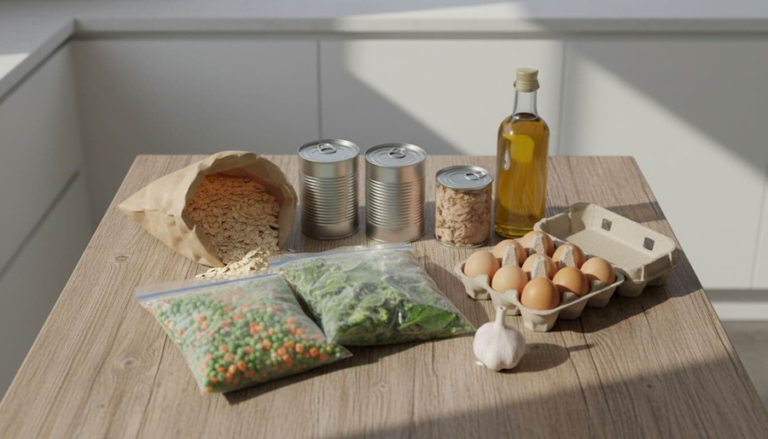
Fiber supports digestion in two important ways. First, it adds bulk and softness to stool, which helps bowel movements stay regular. Second, it feeds the good bacteria in your gut, which use fiber as fuel and help keep your microbiome balanced. The Mayo Clinic explains that fiber helps prevent constipation by making stool easier to pass, while research also shows that gut bacteria ferment fiber into helpful compounds.

The best sources are familiar foods you can eat every day:
- Fruits like berries, apples, pears, and oranges
- Vegetables such as broccoli, carrots, spinach, and sweet potatoes
- Beans and lentils for a strong mix of fiber and plant protein
- Oats and whole grains like brown rice, quinoa, and whole-wheat bread
- Nuts and seeds including almonds, chia seeds, and flaxseed
Fiber works best when you add it gradually. A sudden jump can bring gas, bloating, and cramping.
Start with one or two higher-fiber foods each day, then build from there. That slower pace gives your gut time to adjust.
How water helps food move through the digestive tract
Fiber needs fluid to work well. Without enough water, fiber can dry out stool and make constipation worse. With enough fluids, it moves more easily through the digestive tract and helps keep things softer and more comfortable.
Hydration habits do not need to be complicated. Drink water throughout the day, not only when you feel thirsty. A glass with meals, another between meals, and extra fluids after exercise can help keep things on track. If your urine is dark yellow, that is often a sign you need more fluids.
Dehydration can slow digestion and make stools harder to pass. For a closer look at the link between fluids and constipation, the NIH review on moisture intake and constipation is a useful reference, and Mayo Clinic’s fiber guide gives a clear overview of how fiber and fluids work together.
The role of fermented foods and gut-friendly bacteria
Fermented foods can add helpful bacteria to your diet. Simple options include yogurt with live cultures, kefir, kimchi, sauerkraut, miso, and some pickled vegetables. These foods are not magic, but they can support a more balanced gut when you eat them regularly.
Probiotics are the live bacteria in some fermented foods. Prebiotics are the fibers that feed those bacteria, which is why both matter. You get a better result when you pair fermented foods with fiber-rich meals instead of relying on supplements alone.
A few easy ways to use them:
- Add yogurt or kefir to breakfast
- Serve sauerkraut or kimchi with eggs, rice, or grain bowls
- Stir beans, oats, and vegetables into weekly meals
- Choose fermented foods you actually enjoy, so you keep eating them
Research on fermented foods and the gut microbiome shows they can support microbial diversity when used as part of a regular diet. The key is consistency, not huge amounts.
Why movement, sleep, and stress all affect digestion
Your brain and gut talk to each other all day long. When stress rises, digestion can slow down, speed up, or feel more sensitive. When sleep is short, appetite, bowel habits, and stomach comfort often get thrown off too.
Movement helps keep digestion active. A short walk after meals is one of the easiest habits to keep. Even 10 to 15 minutes can help your body process food more smoothly. Light exercise, stretching, and simple movement breaks during the day all count.
Sleep matters just as much. Aim for a steady bedtime, fewer late-night meals, and less screen time before bed. Then use stress control that fits real life, such as slow breathing, a quiet pause before meals, or a few minutes of stretching. If your days are packed, start small. One walk, one better bedtime, and one calmer meal can make a real difference.
Foods and habits that can make digestion worse
Some foods and routines leave your gut doing extra work. That can show up as bloating, reflux, loose stools, or a heavy, uncomfortable feeling after meals.
The good news is that triggers are personal. What bothers one person may be fine for another, so it helps to watch patterns instead of treating every food as off-limits.
Ultra-processed foods and why they can be hard on the gut
Ultra-processed foods often pack a lot into a small package, but they usually give your digestive system less to work with. They tend to be low in fiber and higher in sugar, salt, and additives, which can leave you feeling off after eating them often.
Think packaged snacks, fast food, frozen meals, sweet cereals, and sugary drinks. These foods can fit into a normal diet, but they should not crowd out whole foods that help digestion stay steady.
A diet heavy in ultra-processed foods can also make it harder to meet your fiber needs. Less fiber often means less regular bowel movement comfort, especially if most meals come from boxes, bags, or drive-thrus. Harvard’s guide to processed foods offers a clear look at how these foods fit into everyday eating.
For gut comfort, try this simple check:
- Choose whole foods most of the time.
- Use packaged foods as backups, not the base of every meal.
- Add fruit, vegetables, beans, or whole grains when you can.
A meal does not need to be perfect to be easier on your gut. Small swaps often matter more than strict rules.
Eating too fast, skipping meals, and overeating
Rushed meals can leave your stomach struggling to keep up. When you eat too fast, you may swallow extra air, miss fullness cues, and end up with bloating or pressure soon after eating.
Skipping meals can cause its own problems. You may arrive at the next meal overly hungry, then eat quickly and in larger amounts than your body wants. That pattern can lead to discomfort, poor digestion, and a rough afternoon.
Overeating often stretches the stomach and slows the emptying process. Heavier portions, especially late in the day, can make reflux and bloating more likely.
A few simple habits help:
- Eat slowly and put your fork down between bites.
- Start with a smaller portion, then go back if you still feel hungry.
- Keep meal timing steady when you can.
- Stop when you feel comfortably full, not stuffed.

Alcohol, caffeine, and common trigger foods
Alcohol, coffee, spicy foods, and rich meals do not affect everyone the same way, but they can bother some people. They may trigger reflux, loose stools, or stomach irritation, especially when you have more than usual or eat them on an empty stomach.
Common triggers include:
- Alcohol, which can irritate the stomach and worsen reflux
- Caffeine, found in coffee, tea, cola, and some chocolate
- Spicy foods, which may trigger heartburn or indigestion
- Fried or fatty foods, which can feel heavy and harder to digest
- Carbonated drinks, which often add gas and bloating
- Acidic foods, such as tomatoes and citrus, for people prone to heartburn
Food tolerance changes from person to person, and it can change over time too. If a certain food keeps causing trouble, notice the pattern, cut back, or adjust the portion size before you give it up completely.
When digestive symptoms need more attention
Most digestive issues improve with simple habits, but some symptoms need a doctor’s review. The key is to notice what is persistent, severe, or different from your usual pattern.
If a symptom keeps returning or starts to change your daily life, pay attention. Your gut can handle occasional upset, but lasting symptoms deserve a closer look.
Red flags you should not ignore
Some digestive symptoms need medical review right away. Blood in the stool, unexplained weight loss, severe pain, ongoing vomiting, trouble swallowing, and lasting changes in bowel habits are not signs to watch at home for long.
Black, tarry stools are also a concern, along with vomiting blood. If pain gets worse fast, or if diarrhea lasts for weeks, you should not wait it out. The same goes for fever, dehydration, or a sudden loss of appetite.

These warning signs can point to an infection, inflammation, bleeding, or another condition that needs treatment. For a clear medical checklist of digestive warning signs, Integris Health’s gut health red flags guide covers common symptoms that should prompt care.
If you have a red flag symptom, don’t keep trying to manage it on your own.
How to track patterns before your appointment
A short symptom log can make a doctor’s job easier. Write down what you feel, when it happens, and what you ate before it started. Include meal timing, stress, and bathroom habits too.
A useful note can look like this:
- Symptoms: bloating, pain, nausea, diarrhea, constipation, or reflux
- Meals and drinks: what you ate, plus coffee, alcohol, or spicy foods
- Timing: when symptoms began and how long they lasted
- Stress and sleep: poor sleep, busy days, or major stress
- Bathroom habits: stool changes, frequency, urgency, or straining
Keep the notes simple. A few clear details are often enough to show a pattern, and that pattern can help a doctor find the cause faster. If symptoms are persistent or severe, bring the notes to your appointment and ask what to watch next.
A simple digestive health routine you can start this week
A better gut routine does not need a full reset. It works best when it feels ordinary, repeatable, and easy to keep on busy days. A few steady habits can support digestion more than a perfect plan that falls apart by Thursday.
Start with the basics, then repeat them often. When meals, fluids, movement, and evenings follow a calm rhythm, your stomach has less to fight against.
A sample day of gut-friendly habits
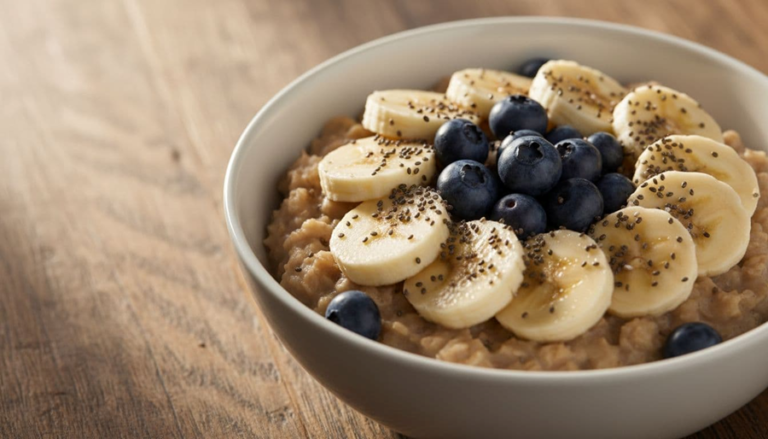
A simple day often starts with breakfast that includes fiber, such as oats, fruit, or whole-grain toast. That gives your digestive system a gentle first step and helps you avoid the mid-morning crash that leads to rushed snacking.
Keep water nearby and sip it through the morning. At lunch, choose a balanced plate with protein, vegetables, and a whole-grain or bean-based side. That mix gives you energy without leaving your stomach too heavy.

After meals, take a short walk if you can. Even 10 to 15 minutes can help food move along and may ease bloating. The NHS also recommends simple daily habits, like eating well and staying active, as part of better digestive comfort, and their healthy tummy tips are a useful reference.
By evening, keep things lighter. Eat a smaller dinner if possible, slow down at the table, and give yourself time before bed. A calm end to the day can make mornings easier too.
A few habits fit well into this flow:
- Fiber-rich breakfast to start digestion smoothly
- Water throughout the day to support stool softness and regularity
- Balanced lunch with protein, fiber, and color
- Short post-meal walk to help digestion and reduce fullness
- Lighter evening routine to limit late-night discomfort
How to make changes without upsetting your stomach
Go slowly. If you change everything at once, it becomes hard to tell what helps and what bothers you. Pick one habit, use it for several days, then add the next.
That pace matters with fiber, too. A sudden jump can bring gas or cramping, so increase it little by little and drink enough water. The same goes for walks, meal timing, and smaller dinners. Small steps are easier on your body and easier to keep.
Pay attention to how you feel after each change. If one habit helps, keep it. If something causes trouble, adjust the amount, timing, or food choice.
Consistency matters more than perfection. A routine you follow most days is far better than a strict plan you abandon after a week.
Conclusion
Better digestive health usually comes from small habits done often. Fiber, water, movement, fermented foods, and stress control all support a gut that works with less effort and less discomfort.
The biggest gains come from consistency. A steady routine gives your body what it needs to break down food, keep bowel habits regular, and avoid the bloating and strain that can disrupt the day.
Start with one change, then build from there. Small steps can lead to better comfort, steadier energy, and a gut that feels easier to live with over time.
Author Information
Senior Health Writer
Michael Wells specializes in evidence-based wellness, nutrition, healthy aging, and preventive health education. His work focuses on translating complex health information into clear, practical guidance that helps readers make informed health decisions.
Medical Reviewer
Clinical Nutrition Specialist
Clinical Nutrition Specialist and Medical Reviewer at Health Beyond Years. All medically reviewed content is evaluated for accuracy and alignment with current evidence-based health guidelines.
Medical Disclaimer
This article is intended for informational purposes only and does not constitute medical advice, diagnosis, or treatment. Always consult a qualified healthcare professional regarding medical concerns or before making decisions related to your health.