

A late period can happen for plenty of reasons besides pregnancy, and most of them are tied to normal shifts in your body. Stress, hormone changes, illness, lifestyle changes, and certain medical conditions can all throw off your cycle.
If your period’s running late, that doesn’t automatically mean something is wrong. Why is my period late? The answer is often one of the 8 common causes below, but there are also signs that point to a bigger issue.
- How late is a period, really?
- Stress can delay ovulation and push your period back
- Weight changes, eating too little, or intense exercise can affect hormones
- Hormonal birth control can make periods lighter, later, or disappear
- PCOS, thyroid problems, and other hormone issues can throw off your cycle
- Illness, medication changes, and other health conditions can also play a role
- Perimenopause can make periods come at odd times
- When a late period needs medical attention
- Conclusion
How late is a period, really?
A late period sounds simple, but the answer depends on your usual cycle. If your body runs like clockwork, a delay feels obvious. If your cycle shifts a little each month, it can be harder to pin down.
The basic rule is this, your period is late when it doesn’t show up around the time you expect it to based on your own pattern. That doesn’t always mean trouble. Cycles can move around from month to month, and a single off month is often just a blip.
What a normal cycle range can look like
Many menstrual cycles fall somewhere between 21 and 35 days, counted from the first day of one period to the first day of the next. Some people stay close to the same number every month, while others have cycles that shift a few days here and there.
That kind of variation is usually normal. Your body isn’t a metronome, and it doesn’t need to be. A period that’s a little earlier or later than last month can still fit inside a healthy range.
A simple way to keep track is to mark the first day of each period on a calendar or phone app. After a few months, patterns start to show up, and that’s more useful than judging one cycle in isolation.
One late period doesn’t define your cycle. Patterns do.
When a delay becomes worth paying attention to
If your period is more than a week late, and you’ve had sex since your last period, take a pregnancy test. That’s the clearest first step, especially if your cycles are usually predictable. For more on timing and missed periods, the NHS has a straightforward guide on missed or late periods.
Repeated late periods or missed periods are different. If your cycle keeps drifting, or you skip periods more than once, it’s smart to bring it up with a healthcare provider. A one-off delay can happen for many ordinary reasons, but a pattern can point to something that needs attention.
A good question to ask yourself is simple: is this new for me, or is it how my cycle usually behaves? If it keeps happening, don’t brush it off. Track it, note the dates, and pay attention to what your body is doing over time.
Stress can delay ovulation and push your period back
Stress can throw your cycle off faster than most people expect. When your body is under pressure, it can delay ovulation, and that pushes your period back too. A late period after a hard week, a big move, or a stretch of poor sleep is often your hormones reacting to the load.
Your cycle runs on a hormone conversation between the brain and ovaries. Stress can interrupt that conversation, so ovulation happens later than usual, or not at all. When that happens, the whole cycle stretches out. The Cleveland Clinic’s overview on stress and skipped periods explains the same basic pattern: stress can delay ovulation, and a delayed ovulation means a delayed period.
This can happen with emotional stress, but also with the kind that sneaks up on you. Work pressure, grief, travel, a big schedule change, caregiving, or even several bad nights of sleep can all play a part. Sometimes the stress feels obvious. Other times it just looks like your body is running on empty.
If stress is the cause, your cycle often settles once the stress level drops.
Signs stress may be affecting your cycle
A stress-related late period usually comes with other clues. You might notice trouble sleeping, racing thoughts, headaches, appetite changes, or that stuck, overwhelmed feeling that makes everything feel harder than it should.
These signs often show up together. Maybe you are sleeping poorly, skipping meals, and feeling wired all at once. That combo can be enough to nudge ovulation off schedule and make your period arrive later than expected.
Common clues include:
- Trouble falling asleep or staying asleep
- Racing thoughts that won’t shut off
- Headaches or tight, tense muscles
- Eating much less or much more than usual
- Feeling overwhelmed, anxious, or emotionally flat
If stress is the reason, the delay may improve once life calms down. It may take one cycle, or a little longer, but the pattern often resets when your body gets a break.
Simple ways to support your body during stressful times
Keep things basic. Eat regular meals, drink enough water, and try to get to bed at a decent hour. Gentle movement, like a walk or light stretching, can help without adding more strain.
A few steady habits go a long way:
- Rest when you can
- Stick to simple, regular meals
- Keep moving, but don’t overdo it
- Prioritize sleep, even if your schedule is messy
- Cut back on all-or-nothing thinking about your cycle
If your period keeps running late, or stress is piling up with other symptoms, it makes sense to check in with a healthcare provider.
Weight changes, eating too little, or intense exercise can affect hormones
Your cycle needs energy to stay on schedule. When your body doesn’t have enough fuel, or when your weight changes quickly, it may slow down reproduction to save resources. That can delay ovulation, which pushes your period back.
This can happen with weight loss, weight gain, restrictive eating, or hard training. The pattern isn’t about willpower or discipline. It’s your body responding to stress, low energy, or rapid changes in fat stores.

How under-eating and eating disorders can interrupt a cycle
When you don’t eat enough, the body can act like it’s in survival mode. It may delay ovulation or pause periods altogether because it doesn’t have enough energy to support a regular cycle. This can happen with strict dieting, skipped meals, or an eating disorder.
Restrictive eating can lower estrogen and disrupt the hormones that tell the ovaries to release an egg. Over time, that can lead to lighter periods, missed periods, or no period at all. The Cleveland Clinic has a clear overview of hypothalamic amenorrhea, which is one way this can show up.
If food has become a source of stress, that matters too. A late period can be one of the body’s first signs that it isn’t getting what it needs.
Why overtraining can matter even if you feel healthy
Very intense exercise can also throw hormones off balance, especially if you’re not eating enough to match it. Hard training can delay ovulation, which means your period comes later than expected or doesn’t come at all.
This can happen even when you feel strong and look healthy on the outside. The body still keeps score. If workouts are intense, recovery is short, and calories are too low, the menstrual cycle often takes the hit.
A few signs this may be part of the picture:
- Periods that are late, lighter, or skipped
- A big jump in workout volume or intensity
- Weight loss without trying
- Feeling tired, cold, or run down
- Poor recovery after exercise
The combination matters most. Hard exercise plus not eating enough is more likely to affect your cycle than exercise alone.
Hormonal birth control can make periods lighter, later, or disappear
If your period changed after starting or switching birth control, that may be the reason. Hormonal methods change the way your ovaries and uterine lining behave, so bleeding can shift in a few different directions. For some people, periods get lighter. For others, they show up later than expected, or stop altogether.
What changes are normal after starting or switching birth control
It’s common to have spotting, skipped periods, or late periods while your body adjusts. That’s especially true in the first few months after starting a new pill, shot, implant, or hormonal IUD. The timing can vary by method, too, so one person may have regular bleeding while another barely bleeds at all.
Combined pills, the patch, and the ring often make bleeding lighter because they keep the uterine lining thinner. Many people also get withdrawal bleeding during the placebo or hormone-free week, which is not the same as a natural period.
Other methods can be even more unpredictable at first. Progestin-only pills, the shot, implants, and hormonal IUDs often cause irregular bleeding before things settle down. Over time, some users have very light periods, and some stop bleeding completely. The Mayo Clinic has a helpful breakdown of how hormonal birth control can delay periods.
A quick way to think about it: your cycle is adjusting to a new rhythm, and the beat may be off for a while. That does not always mean something is wrong.
When to check in with a clinician about birth control and bleeding changes
Talk to a clinician if the bleeding pattern changes suddenly after it had been stable, or if you have severe pain, very heavy bleeding, or other symptoms that feel off. It’s also smart to ask about pregnancy if you’ve missed pills, had late injections, or have symptoms that don’t fit your usual pattern.
A few moments call for extra attention:
- Bleeding becomes much heavier than your normal
- Spotting lasts longer than expected
- You have new pelvic pain or pain during sex
- You think you could be pregnant
- You stop bleeding and that change is sudden for you
Hormonal birth control can change periods in very normal ways, but you should not have to guess forever. If the pattern is new, uncomfortable, or confusing, it’s worth a quick check-in.
PCOS, thyroid problems, and other hormone issues can throw off your cycle
Not every late period comes down to stress or timing. Sometimes the issue is a hormone problem that changes ovulation itself. When ovulation shifts, your period usually follows behind it.
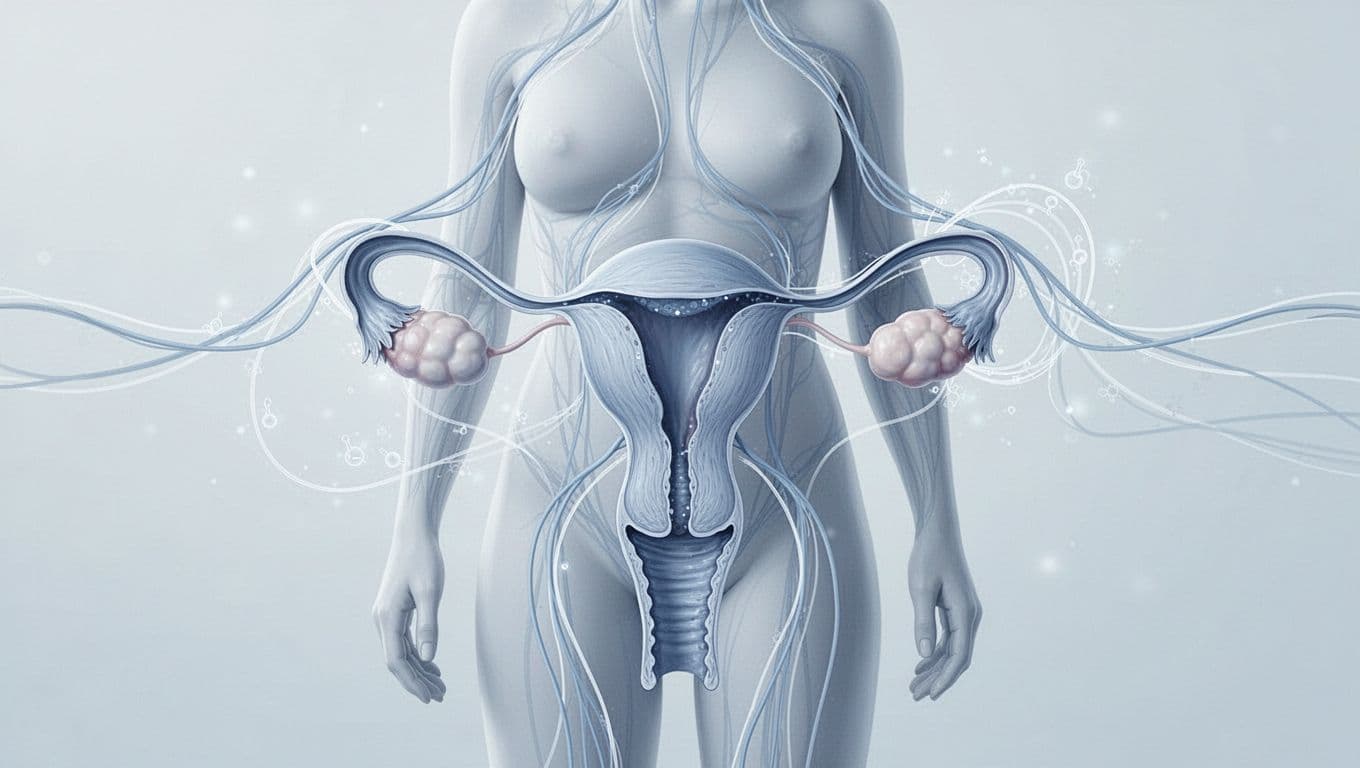
If your periods are late over and over, or they seem to have a pattern of their own, hormones are one of the first things to look at. PCOS and thyroid problems are two of the most common examples, but they are not the only ones.
PCOS symptoms that often show up with late periods
PCOS, or polycystic ovary syndrome, can make ovulation irregular or stop it from happening some months. When that happens, your period may come late, skip a month, or feel hard to predict. The Cleveland Clinic overview of PCOS notes that irregular periods, acne, excess hair growth, and weight gain often travel together.
You don’t need every symptom to have PCOS. Sometimes the clue is the cycle itself. Other times, the pattern shows up in your skin, hair, or weight before it shows up on the calendar.
Common signs can include:
- Irregular cycles that keep shifting month to month
- Acne that sticks around or gets worse
- Unwanted hair growth on the face, chest, or stomach
- Weight changes that happen without a clear reason
- Skipped periods or very infrequent bleeding
A late period plus acne or new hair growth is a pattern worth noticing.
PCOS can look different from person to person, which is why it often gets missed at first. If your cycle has been unpredictable for a while, or you notice several of these signs together, it makes sense to ask about PCOS testing.
How thyroid problems can affect your cycle
Your thyroid helps control a lot more than metabolism. It also plays a part in reproductive hormones, so when the thyroid is underactive or overactive, your period can change too. Low thyroid function is often linked with heavier or less frequent periods, while an overactive thyroid can lead to lighter, shorter, or missed periods.
Thyroid problems can also come with other signs that feel unrelated at first. You might feel wiped out, notice weight changes, or feel too hot or too cold. Those clues matter because they help connect the dots when your cycle starts acting differently.
A few common signs include:
- Fatigue that doesn’t match your routine
- Weight changes without a clear reason
- Feeling cold all the time with possible low thyroid
- Feeling too hot or sweaty with possible high thyroid
- Periods that become irregular, heavier, lighter, or skipped
If your late periods come with these symptoms, it is worth getting your thyroid checked. Thyroid issues are common, and they can often be found with a simple blood test. The Office on Women’s Health has a clear overview of how thyroid disease can affect menstrual cycles.
Other hormone problems can also disrupt ovulation, including high prolactin levels and some conditions tied to the brain’s hormone signals. The details vary, but the pattern is the same, when the hormones that trigger ovulation get out of sync, your period often does too.
If your cycle keeps going missing, or the changes come with acne, hair growth, weight shifts, fatigue, or temperature changes, don’t write it off as random. That combo is often your body’s way of saying the hormone system needs a closer look.
Illness, medication changes, and other health conditions can also play a role
Sometimes a late period has nothing to do with pregnancy, stress, or your usual cycle habits. Being sick, recovering from an illness, or living with a chronic health condition can throw your hormones off for a while. Your body treats illness like a stress test, and ovulation may get pushed back until things settle down.
How recent illness or recovery can shift your cycle
A fever, infection, stomach bug, or rough recovery period can delay ovulation. When ovulation happens later than usual, your period follows later too. Even if the illness is over, your cycle may need a little time to get back on track.
This also applies when your body is still rebuilding after being sick. Eating less, sleeping poorly, or just feeling run down can keep your cycle off schedule for a bit. One late period after an illness is usually not a mystery. It’s often your body catching its breath.
When an ongoing health condition should be checked
If your cycle keeps changing month after month, it’s time to look past timing and look at the bigger picture. Ongoing conditions like diabetes and celiac disease can affect periods, especially when they are not well controlled or when the body is under extra strain. Thyroid problems can do the same thing, which is why repeated changes deserve attention.
You should also call a doctor if cycle changes come with other symptoms, like:
- Unexplained weight changes
- Ongoing fatigue
- Digestive problems
- Heavy bleeding
- Pelvic pain
- Missed periods that keep happening
Some medicines can also change how regular your cycle is. New birth control is a common one, but other medicines can matter too. The Cleveland Clinic notes that irregular periods can be linked to several health conditions and medications, so if your period changed after starting something new, that timing matters. Blood thinners, antidepressants, and some anti-seizure medicines can all affect bleeding patterns, and most antibiotics do not, with a few exceptions.
If the change is new, repeated, or paired with other symptoms, don’t chalk it up to bad luck. That pattern is worth a closer look.
Perimenopause can make periods come at odd times
If you are in your 40s and your cycle starts acting strange, perimenopause is one likely reason. This is the stretch before menopause when hormone levels shift, and ovulation becomes less predictable. That can make periods feel like they have a mind of their own.
Common signs of perimenopause beyond late periods
Late periods are only part of the picture. Perimenopause often shows up as a changing mix of symptoms, and the pattern can shift month to month. The Mayo Clinic’s overview of perimenopause notes that cycles can become shorter, longer, heavier, lighter, or skipped.
A simple list of common signs looks like this:
- Hot flashes
- Night sweats
- Sleep trouble
- Mood swings
- Irregular periods
Some people also notice spotting between periods, a heavier flow than usual, or more cramps than before. Others mainly notice that their period timing is no longer predictable. The change can feel random, but it often follows the same hormonal shift.
In perimenopause, the calendar gets messy before the periods stop for good.
How to tell the difference between perimenopause and another issue
The big clue is the pattern over time. One late period can happen for many reasons, but perimenopause usually brings a cycle that keeps changing in different ways, not just once. One month may come early, the next may be skipped, and then bleeding may show up heavier or lighter than expected.
That said, very irregular periods should not be brushed off automatically. If your periods become much less predictable, a clinician can help sort out whether perimenopause is the cause or whether something else is going on, like a thyroid issue, PCOS, or another hormone problem. The ACOG guidance on changing periods makes the same point, period changes can be a normal part of this stage, but the details matter.
Pay extra attention if your bleeding is very heavy, happens less than 21 days apart, or shows up after sex. Those changes deserve a closer look, even if perimenopause is on the table.
When a late period needs medical attention
A late period is common, but a cycle that keeps drifting deserves a closer look. The key question is not just “Is this late?” It is also, “Is this new, repeating, or coming with other symptoms?”
Signs you should book a doctor visit soon
If your period is late once, you may just need to wait and watch. If it keeps happening, that is a different story. Repeated late periods, no period for three months or more, or changes that do not improve are all good reasons to make an appointment.
You should also check in sooner if the delay comes with new symptoms. That can include acne that is getting worse, new facial hair, pelvic pain, heavy bleeding, or major weight changes. A pattern like that is your body waving a flag, not being dramatic.
A few situations deserve a closer look:
- Missed periods three times in a row
- No period for 3 months
- New symptoms that started with the cycle change
- Bleeding that stays irregular instead of settling down
- A late period that keeps coming back month after month
If you’ve had sex since your last period, take a pregnancy test after a late period. Even when pregnancy is not your top guess, it should be the first thing to rule out. The NHS has a straightforward guide on missed or late periods if you want a simple reference point.
Missing several periods in a row should not be brushed aside.
What a clinician may check
A visit for a late period usually starts with a few basics. A clinician may ask you to take a pregnancy test, then order hormone checks if the pattern keeps going. Thyroid testing is common too, since thyroid problems can push periods off schedule.
Expect questions about your routine as well. They may ask about recent stress, exercise changes, eating habits, weight changes, sleep, and any new medications or birth control. Those details matter because a period often shifts for a reason that shows up outside the exam room.
If the test results point nowhere clear, that does not mean your symptoms are being ignored. It usually means the next step is to look at the whole pattern, not just the calendar.
Seek urgent care right away if a late period comes with severe pain, fainting, heavy bleeding, trouble breathing, or a positive pregnancy test plus pain or bleeding. Those can be signs of a pregnancy complication or another urgent problem.
Conclusion
A late period is common, and pregnancy is only one possible reason. Stress, weight changes, intense exercise, hormonal birth control, PCOS, thyroid issues, illness, perimenopause, and other health conditions can all throw off your cycle.
The main thing to watch is the pattern. One late period may pass on its own, but repeated changes, severe pain, very heavy bleeding, or other hormone-related symptoms deserve a closer look.
Tracking your cycle can make the next step clearer. If pregnancy is possible, take a test, and if late periods keep happening, get medical help so you can figure out what your body is trying to tell you.