

Extreme mood swings aren’t something you should brush off. Mood changes can happen to anyone, but when they’re intense, frequent, or feel out of character, they often point to something behind the scenes, like hormone shifts, stress, sleep loss, medications, or a mental health condition.
For many women, the trigger is tied to life stages such as the menstrual cycle, pregnancy, postpartum recovery, perimenopause, or menopause. In other cases, thyroid problems, blood sugar changes, or ongoing anxiety and depression can play a role. If your mood shifts feel sharp, sudden, or hard to control, there’s usually a reason, and it’s worth paying attention.
Here’s what can cause extreme mood swings in women, which warning signs matter, and when it’s time to get help.
The hormone changes that can trigger big mood swings
Hormones don’t just affect your cycle or fertility. They also talk to your brain, and when those levels rise and fall, your mood can move with them. That can look like irritability, crying spells, anxiety, brain fog, or a short fuse that seems to come out of nowhere.
Some women feel these shifts a little. Others feel them hard. The difference often comes down to how sensitive the brain is to hormone changes, not just the hormone levels themselves.
How the menstrual cycle can affect emotions each month
During the menstrual cycle, estrogen and progesterone rise and fall in a pattern. Estrogen tends to support serotonin and dopamine, two brain chemicals tied to mood, focus, and motivation. When estrogen is higher, many women feel more steady, alert, and social.
Then progesterone rises after ovulation, and that can create a calmer, slower feeling. Right before a period, both hormones drop fast. That sudden shift can leave some women feeling more irritable, tearful, anxious, or sensitive than usual.
For some, these changes are mild and predictable. For others, they hit like a wave. When symptoms become stronger or start affecting daily life, PMS or PMDD may be part of the picture. Women’s Health.gov explains PMDD as a cycle-related condition tied to hormone changes and brain chemistry, including serotonin.
If your mood changes follow a monthly pattern, that pattern matters. It can be a clue, not “just hormones.”
Why pregnancy, postpartum, and breastfeeding can feel emotionally intense
Pregnancy brings a major hormonal shift as estrogen and progesterone climb to levels far above normal. After birth, those hormones drop quickly, almost overnight. That sudden change can leave you feeling raw, weepy, edgy, or wiped out.
Then real life piles on. Sleep loss, body changes, feeding worries, pain, and nonstop responsibility can make emotions harder to manage. Breastfeeding can add another layer too, because hormones keep changing while your body is still recovering.
Postpartum mood changes can range from mild sadness to more serious depression or anxiety. A little tearfulness in the first days after birth is common, but if sadness, panic, guilt, or hopelessness stick around, it needs attention.
Perimenopause and menopause can change mood in surprising ways
Perimenopause can feel unpredictable because hormone levels don’t just go down in a straight line. Estrogen, progesterone, and testosterone can all dip or swing unevenly, and that can affect serotonin and other brain chemicals linked to mood and stress control.
That helps explain why some women notice more irritability, low mood, or anxiety during this stage. Sleep problems make it worse. So do hot flashes, night sweats, and the stress that often comes with midlife changes.
When sleep gets broken night after night, even small stressors can feel huge. Add shifting hormones on top of that, and mood can feel like it’s on a hair trigger. For a plain-language look at this stage, Johns Hopkins Medicine has a helpful overview of PMDD and hormone sensitivity, which shows how hormone shifts can affect the brain in very real ways.
Health problems and medicines that may be behind the swings
When mood changes show up out of nowhere, the cause is not always emotional. Sometimes the body is driving the whole thing, and the signs show up as irritability, anxiety, low mood, or a short fuse. That’s why it helps to look at what’s happening physically, not just what’s happening in your head.
Thyroid problems can look like anxiety, irritability, or sadness
The thyroid has a big influence on energy, sleep, heart rate, and mood. When it’s out of balance, emotions can feel like they flipped a switch. A woman with thyroid trouble may feel keyed up one day, drained the next, and not know why.
An overactive thyroid can speed everything up. That may look like racing thoughts, shakiness, sweating, a fast heartbeat, trouble sleeping, and a feeling that anxiety is suddenly in charge. An underactive thyroid often slows things down instead, causing fatigue, brain fog, low mood, and that heavy, flat feeling that can look a lot like depression.
The tricky part is how much the symptoms overlap. A thyroid issue can hide behind mood changes, and mood changes can hide behind the thyroid issue. If the swings come with weight changes, cold or heat intolerance, constipation, diarrhea, tremors, or a pounding heart, it’s time to think beyond stress alone. Johns Hopkins Medicine notes that untreated thyroid disorders in women can affect both emotional and physical health.
Blood sugar dips and skipped meals can make emotions feel harder to control
Hunger can do more than make you cranky. When blood sugar drops, the brain gets less fuel, and the body responds with stress hormones that can make you feel shaky, snappy, or on edge. A missed breakfast, a long gap between lunch and dinner, or a day of uneven eating can set that off.
For women with diabetes or blood sugar instability, the pattern can be even more obvious. You might notice:
- Shakiness or dizziness
- Sudden fatigue
- Irritability or anger
- Trouble focusing
- Anxiety that feels physical
It can look simple on the surface, but it isn’t. A mood swing that shows up right before lunch, after a hard workout, or when meals get skipped may be a blood sugar problem in disguise. The University of Michigan has a clear breakdown of how unstable blood sugar can affect mood, especially when eating patterns are inconsistent.
Some medicines, birth control, and substances can affect mood
Medications can change mood too, sometimes in small ways and sometimes in ways that feel hard to miss. Birth control, hormone therapy, steroids, alcohol, and drugs can all shift how a person feels. For some women, the change starts soon after a new prescription or after a dose change.
Steroids like prednisone can cause irritability or mood swings. Hormone-based treatments can also affect emotions, and some people notice a new pattern with birth control pills. Alcohol and drug use can muddy the picture even more, since both can affect sleep, blood sugar, and brain chemistry at the same time.
If a new emotional pattern starts after beginning a medicine, don’t stop it on your own. Talk with a clinician first. The Cleveland Clinic’s overview of mood swings is a good reminder that medication side effects are real, and they deserve a proper review rather than guesswork.
A sudden mood shift does not always mean “just stress.” Sometimes it means the body needs attention first.
Stress, sleep, and mental health can make mood shifts feel extreme
Not every mood swing starts with hormones. Sometimes stress, poor sleep, and mental health issues turn a normal dip into a much bigger crash, or a small frustration into a full-blown blowup. When those factors stack on top of hormone shifts, the result can feel intense and hard to predict.
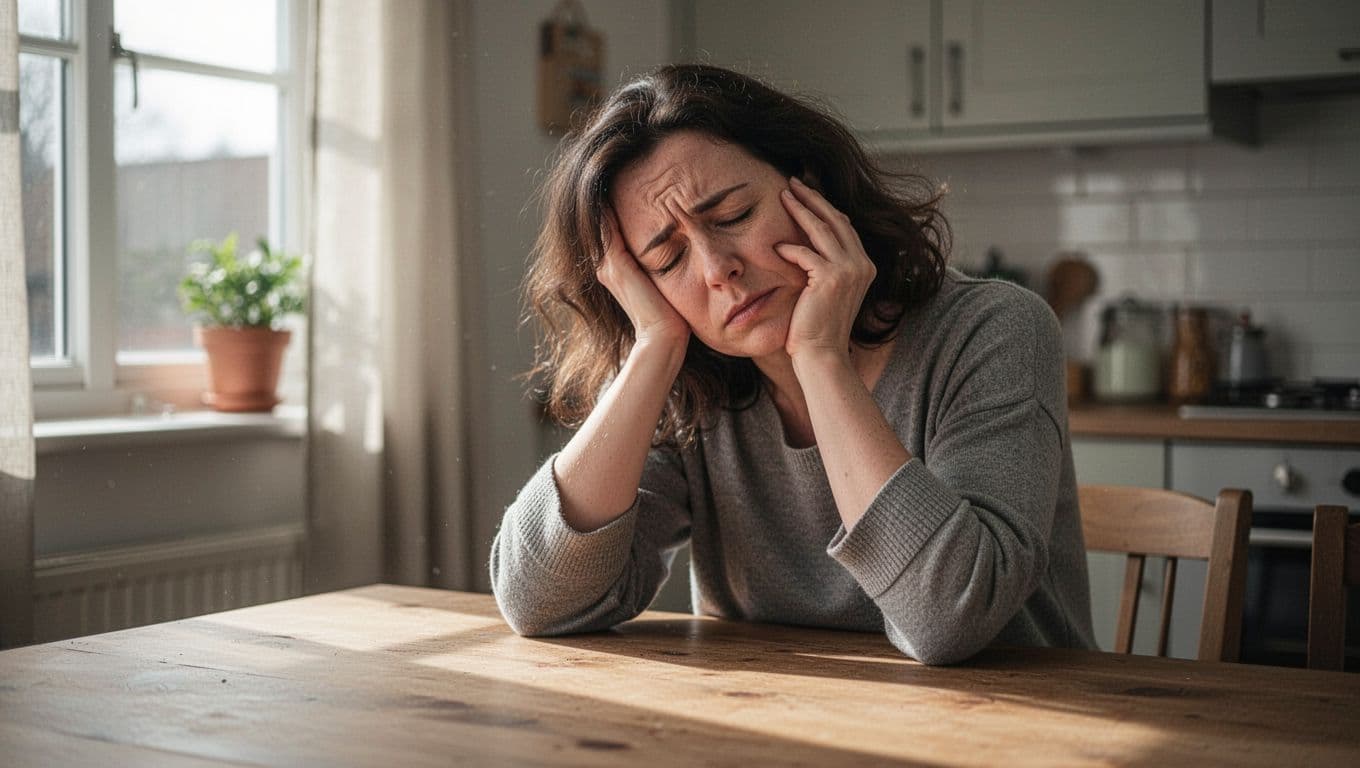
Long-term stress can keep the body on edge
When stress sticks around, the body stays in a constant alert state. Cortisol and other stress hormones stay elevated, and that can wear down your ability to stay calm, focused, and patient. Little things start to feel bigger than they really are, like a dripping faucet that suddenly sounds like a siren.
Stress also disrupts sleep and appetite, which creates a loop that feeds the problem. You may sleep poorly, skip meals, feel more irritable, and then react more sharply the next day. That lowered emotional tolerance can make everyday conflicts feel personal, urgent, or impossible to ignore.
A packed schedule, financial pressure, relationship strain, or caregiving demands can all keep that pressure high. If your mood seems more explosive when life is constantly “on,” stress may be pushing your nervous system past its limit.
Not enough sleep can make emotions harder to manage
Sleep loss can make anyone more short-tempered, but the effect is often stronger than people expect. The brain has a harder time regulating emotions when it is running on too little rest, so patience drops and irritation rises faster. Even small annoyances can feel like too much.
That matters in real life. Postpartum sleep loss, shift work, caregiving, and insomnia can all leave women emotionally worn down, especially when there is no real recovery time between nights. Harvard Sleep Medicine notes that poor sleep can leave people more irritable and more vulnerable to stress, which is exactly why a rough night can shape the next day so much.
When sleep is broken, emotions lose their cushion.
Depression, anxiety, bipolar disorder, and ADHD can also play a role
Mood swings are not always a hormone story. Depression can show up as low mood, tearfulness, or emotional heaviness. Anxiety can look like restlessness, panic, or feeling on edge. Bipolar disorder can involve clear shifts between highs and lows, while ADHD can affect emotional control and make reactions feel sudden or intense.
The key is the pattern. Timing, duration, and how often the mood changes happen all matter. If the swings follow a cycle, last for days, or come with sleep changes, racing thoughts, hopelessness, or big changes in energy, that points to more than a passing bad mood.
Stress, sleep loss, and mental health conditions can also overlap with hormone-related changes, which is why the picture can get messy fast. A mood swing that feels extreme may not have one single cause, and that is exactly why the pattern is worth paying attention to.
When mood shifts need medical help
Mood swings are common, but some patterns should not be brushed aside. If the changes are getting stronger, happening more often, or making daily life harder, it’s time to check in with a doctor.
Red flags that deserve a closer look
If your mood shifts are frequent, severe, or feel out of control, don’t wait it out. The same goes for swings that start affecting work, school, sleep, or relationships. Mayo Clinic notes that mood disorders can show up as extreme changes that need proper care.
Get help sooner if the mood shifts come with:
- Panic, hopelessness, or nonstop worry
- Trouble functioning day to day
- Very little sleep or racing thoughts
- Thoughts of self-harm
- Hallucinations or risky behavior
If symptoms show up after pregnancy, during perimenopause, or in a new medication cycle, that timing matters too. UCLA Health points out that sudden or intense mood swings can deserve immediate medical attention.
What to track before your appointment
A simple symptom log can save time and give your doctor a clearer picture. Track your mood, where you are in your cycle, sleep, meals, stress, and any new medicines or supplements. Even a few weeks of notes can show a pattern that feels impossible to spot in the moment.
The goal is not to play detective on your own. It’s to give your clinician a cleaner starting point so the real cause is easier to find.
Conclusion
Extreme mood shifts in women usually have a real cause. More often than not, it’s a mix of hormone changes, stress, poor sleep, blood sugar issues, medicines, or a mental health condition, not a character flaw or something to ignore.
The biggest clue is the pattern. If the swings follow your cycle, started after pregnancy, showed up during perimenopause, or feel new and severe, that timing matters and should be checked.
Help is available, and getting evaluated is a smart next step, especially when symptoms are sudden, intense, or getting in the way of daily life.