More than 11,000 bottles of chlorthalidone 25 mg have been recalled nationwide after the tablets failed dissolution testing, which means they may not break down in the body the way they should.
That matters if you take this blood pressure medicine, because a bottle that doesn’t dissolve properly may not lower your blood pressure as expected. If you think your prescription is affected, check the label and talk to your pharmacist or doctor, but don’t stop taking it on your own.
Here’s what the recall includes, how to spot the affected bottles, and what to do next if yours is on the list.
Why this blood pressure medication was recalled
The recall comes down to a manufacturing quality problem, not a known contamination issue. In plain terms, the tablets did not meet dissolution specifications, which is the standard used to check how a pill breaks apart and releases its medicine after you swallow it.
That matters with a drug like chlorthalidone because the body can only use what it can absorb. If the tablet breaks down too slowly, or not the right way, the dose may not be delivered as expected. For a blood pressure medicine, that can mean less reliable control when the medicine is supposed to be doing steady work in the background.
What dissolution testing checks in a tablet
Dissolution testing looks at how a tablet breaks down in liquid and how quickly the active ingredient comes out. It is one of the main ways manufacturers check whether a medicine should perform the way the label says it will.
Think of it like a timed release. The tablet has to fall apart at the right pace so the drug can enter the body properly. If it fails that test, the pill may still look fine on the outside, but it may not act the way it should once swallowed.
For chlorthalidone, that is a problem because the medicine is used to help control blood pressure and fluid retention. If the tablet does not dissolve correctly, it may not deliver the expected dose at the right time. The USP explanation of dissolution testing breaks down how this quality check works in standard drug testing.
Why a quality problem can affect blood pressure control
Blood pressure medicine works best when the dose is predictable. If a tablet underperforms, the treatment can become less dependable, and that can leave blood pressure harder to manage day to day.
This recall is about performance, not a confirmed safety contamination issue. The concern is that the tablet may not release enough medicine the way it should, which can weaken its effect. For someone relying on chlorthalidone, that can mean more variation in control and less confidence that each dose is doing its job.
A pill can pass a visual check and still fail where it counts, inside the body.
That is why recalls like this matter. The tablet may not be dangerous in the way people often expect from a recall, but a medicine that does not dissolve properly is still not meeting quality standards.
Which chlorthalidone bottles are included in the recall
If you take chlorthalidone, the next step is simple, check the label on your bottle against the recalled lot numbers. The recall covers 25 mg tablets sold in 100-count and 1,000-count bottles, and the total affected amount is 11,460 bottles nationwide.
Lot numbers, bottle sizes, and expiration dates to check
The easiest way to spot a recalled bottle is to match the lot number and expiration date exactly. These are the affected products:
| Bottle size | Lot number | Expiration date |
|---|---|---|
| 100-count bottle | RISA24001 | 04/2027 |
| 1,000-count bottle | RISB24002 | 04/2027 |
If your prescription matches one of those lot numbers, it falls inside the recall. That is the detail that matters most, not just the medicine name or strength.
A bottle can be the right drug and still be part of the recall, so the lot number is the real key.
Because the recall is tied to a manufacturing issue, not the way the pill looks, the bottles may appear normal at first glance. For a quick reference, FOX19’s recall report also identifies the two lot numbers and the April 2027 expiration date.
Who made and distributed the recalled medication
The tablets were made by Inventia Healthcare Limited and distributed in the United States by Rising Pharma Holdings, Inc. That split matters because pharmacies need to verify the source of the product they stocked, and patients need to check the bottle they actually received.
If you are looking at a refill, don’t assume every chlorthalidone bottle is affected. A pharmacy may carry multiple manufacturers, and only these specific lots are included in the recall. That means your current bottle could be fine, while a past refill, or the next one, could come from a different source.
For patients, this is the moment to compare the label carefully. For pharmacies, it’s a reason to review inventory, quarantine matching stock, and confirm whether any returned bottles belong to these exact lots before the next dispense.
What patients should do if they have this medicine at home
If chlorthalidone is sitting in your medicine cabinet, don’t guess. Check the bottle, compare it to the recall details, and then decide what to do next. The big thing to remember is simple, don’t stop taking it suddenly unless a doctor tells you to. Blood pressure medicine works best when you keep your routine steady.
How to compare your bottle with the recall notice
Start with the label, then check the lot number and expiration date. For this recall, the affected bottles are chlorthalidone 25 mg in 100-count and 1,000-count bottles, with these lot numbers:
- RISA24001, 100-count, expiration 04/2027
- RISB24002, 1,000-count, expiration 04/2027
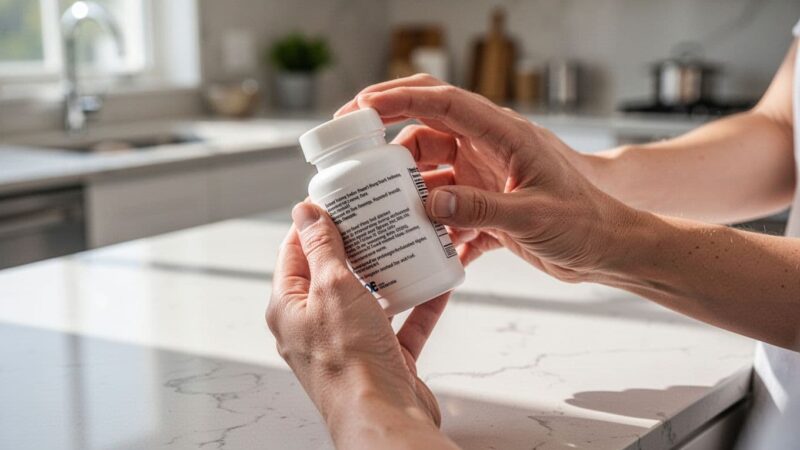
Look at the bottle in good light and compare each detail one by one. The medicine name, strength, bottle size, lot number, and expiration date all need to match before you treat it as recalled.
If your bottle matches, set it aside and do not keep using it as your regular supply. If the label is hard to read or missing, that’s a good reason to call your pharmacy right away. The FDA’s recall guidance also advises patients to verify the exact drug, strength, and lot number before taking action.
When to call a pharmacist or doctor
Call a pharmacist if your bottle matches the recalled lots, if you need a refill, or if you’re not sure whether your supply came from the affected batches. Pharmacies can check inventory, confirm the lot number, and help you get a replacement if your medicine is included in the recall.
Reach out to your doctor too if chlorthalidone is your only blood pressure medication, or if you have trouble getting a replacement quickly. They can tell you whether to switch to another bottle, another manufacturer, or a different medicine altogether.
If you are unsure, make the call. A quick check is safer than making a guess.
If you develop symptoms that worry you, or if you have questions about what to take instead, contact your healthcare provider before changing anything on your own.
How this recall fits into wider blood pressure drug safety concerns
This chlorthalidone recall is part of a bigger pattern in blood pressure medicine safety. Not every recall means the same thing, though, and that is where people get mixed up. Some recalls point to contamination, some to packaging or labeling mistakes, and some, like this one, point to a batch that does not perform the way it should.
That difference matters. A pill can look normal, pass through a pharmacy, and still fail the test that tells makers whether it will work inside the body. For blood pressure drugs, that kind of problem can leave patients with less predictable treatment, which is exactly why recall notices deserve attention.
How this recall differs from contamination-related recalls
This recall is tied to dissolution performance, not an impurity or contamination problem. In plain language, the tablets may not break down and release the medicine the right way after swallowing. That is different from recalls tied to foreign material, chemical impurities, or the wrong ingredient in the bottle.
That distinction helps cut through the noise, because blood pressure drugs have faced plenty of contamination-related recalls in recent years. Some involved nitrosamine impurities, while others involved manufacturing mix-ups or packaging errors. The FDA’s drug recall guidance shows how broad these notices can be, but the reason behind each one is what tells the real story.
A simple way to think about it is this:
- Contamination recall: the medicine has a harmful or unwanted substance in it.
- Dissolution recall: the medicine may be the right drug, but it may not release correctly in the body.
- Packaging or labeling recall: the product may be fine, but the bottle, label, or lot information is wrong.
For chlorthalidone, the concern is the second one. The issue is not that the tablets were found to contain a bad contaminant. The concern is that they may not deliver the expected dose as designed, which can matter just as much for a medicine meant to steady blood pressure over time.
Why recall notices deserve quick attention
Even when no one has reported harm yet, a recall is still a signal to move fast. It gives patients a chance to catch a problem before it affects treatment, and it gives pharmacies a chance to pull suspect stock before more bottles go out the door.
That is especially true with blood pressure medicine, where consistency matters. If a tablet underperforms, the effect may be subtle at first, but the treatment can become less reliable. People may feel fine while their numbers drift, which is one reason these notices should not sit unread in a drawer or get ignored at the pharmacy counter.
A quick response can keep things on track:
- Check the bottle against the lot number and expiration date.
- Call the pharmacy if the bottle matches.
- Ask your healthcare provider about a replacement if needed.
- Keep taking your current medicine unless a professional tells you to switch.
A recall does not always mean immediate danger, but it does mean you should not assume the bottle is fine.
That is the bigger lesson here. Drug recalls are not all the same, but they all point to the same basic need, checking the medicine you have against the exact product that was flagged. In this case, the concern is not contamination, it is whether the tablet works the way a blood pressure drug should.
Conclusion
This chlorthalidone recall is narrow, but it matters. The affected bottles are the 25 mg tablets in lot RISA24001 and lot RISB24002, both with an expiration date of 04/2027, and the issue is a manufacturing failure tied to dissolution, not a contamination problem.
If this medicine is in your home, check the bottle label against the recall details and contact your pharmacist or doctor if it matches. That is the fastest way to sort out a replacement and keep your blood pressure treatment on track.
Do not stop taking blood pressure medicine suddenly without medical advice.