If you want dessert without the sugar crash, timing matters almost as much as portion size. According to dietitian guidance, the best time to eat sweets is usually right after a balanced meal, when protein, fiber, and healthy fats can help slow the rise in blood sugar.
That means a cookie after lunch is a better bet than candy on an empty stomach, and late-night sweets are usually the worst move. A few simple habits can make dessert fit in without sending your blood sugar on a roller coaster, and the details are easier than most people think.
Here’s how to eat sweets in a way that works with your body, not against it.
Why timing matters when you eat sweets
The same cookie can hit your body two very different ways. Eat it alone, and sugar moves fast. Eat it after a balanced meal, and the ride is usually smoother.
That difference matters for more than a blood sugar number. It affects energy, hunger, and whether dessert leaves you satisfied or reaching for more an hour later. If you want a treat without the crash, timing is doing a lot of the heavy lifting.
What happens when you eat sugar by itself
Candy, cookies, and other sweets on an empty stomach are easy for the body to break down. With no fiber, protein, or fat slowing things down, the sugar can move into the bloodstream fast, almost like dumping water into a funnel all at once.
That quick rise often brings a quick drop later. Your body responds by releasing insulin, and if the rise is sharp, the fall can feel sharp too. You may notice shakiness, tiredness, irritability, or a sudden return of hunger. The CDC’s guidance on blood sugar spikes makes the same basic point, sweets are easier to handle when they are not flying solo.
A few common signs of that sugar roller coaster look like this:
- Fast energy, then a slump: You feel good for a short window, then flat.
- More cravings: A quick drop can make another sweet sound extra appealing.
- Less staying power: Dessert alone usually does not keep you full for long.
How a balanced meal changes the blood sugar response
When sweets come after a meal with vegetables, protein, and healthy fats, your body handles them differently. These foods slow digestion, so sugar reaches the bloodstream more gradually instead of all at once. Fiber-rich foods do the same job, which is why meal pairing matters so much.
Think of it like putting a speed bump in front of dessert. A dinner with chicken, broccoli, quinoa, avocado, or beans can help blunt the rise in blood sugar and keep energy steadier. That is why a dessert after a meal usually feels a lot better than sweets on an empty stomach, and why smart food pairings can help reduce spikes.
When your plate already has a buffer, dessert is less likely to hit like a sugar rush and more likely to fit in without the crash.
The best time to eat sweets, according to a dietitian
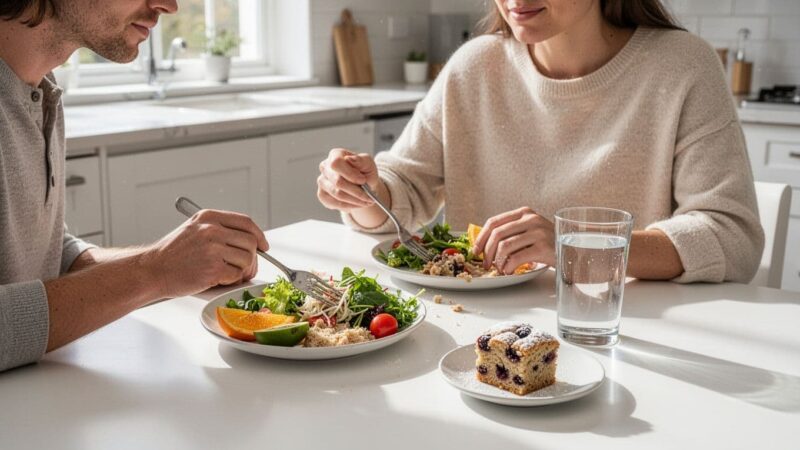
If you want dessert without setting off a blood sugar roller coaster, timing matters. The sweet spot is usually right after a balanced meal, when your body has already gotten protein, fiber, and fat on board.
That matters more than people think. A cookie after lunch usually lands better than candy on an empty stomach, and it often works better than waiting until late at night, when your body is less ready to handle the sugar load.
Why dessert after a meal is better than dessert on its own
Dessert after a full meal is easier on blood sugar because the meal slows things down. Protein, fat, and fiber act like a brake pedal, so the sugar in sweets enters the bloodstream more gradually instead of hitting all at once.
That doesn’t make dessert harmless, but it does make it easier to manage. A slice of cake after grilled chicken, roasted vegetables, and brown rice is usually a different experience than the same cake on an empty stomach. The first version is steadier. The second can feel like a quick spike followed by a crash.
This is also why dessert after lunch or dinner often works better when the meal is well built. If you’ve already had a balanced plate, your body has a buffer. If you want a practical rule, keep it simple: eat sweets last, not first. The best time to eat sweets is usually when they’ve got some company on the plate.
Why late-night sweets are a worse choice
Late-night dessert is usually the harder option. At night, most people are less active, so the body has fewer chances to use that extra glucose right away. Blood sugar can stay less steady, and the same treat that felt fine after dinner can feel heavier right before bed.
There’s also a simple real-life issue, you’re less likely to move after a midnight snack, and sitting still doesn’t help much. If sweets are going to happen, earlier in the day or right after a meal is a better bet than eating them right before sleep.
A few easy habits help here:
- Choose dessert after meals instead of as a standalone snack.
- Keep portions modest so the treat stays a treat.
- Avoid bedtime sweets when you can, especially if you already ate a carb-heavy dinner.
That timing won’t erase sugar, but it can make dessert easier to fit in without the same sharp rise.
How to eat sweets in a way that’s gentler on blood sugar
You don’t have to ban dessert to be smarter about it. A few simple habits can make sweets easier on your blood sugar, especially if you treat them like the last part of a meal, not the whole event.
The goal is not perfection. It’s a smaller glucose rise, fewer crashes, and a treat that actually feels satisfying instead of setting off a snack spiral.
Eat non-starchy vegetables, protein, and fats before dessert
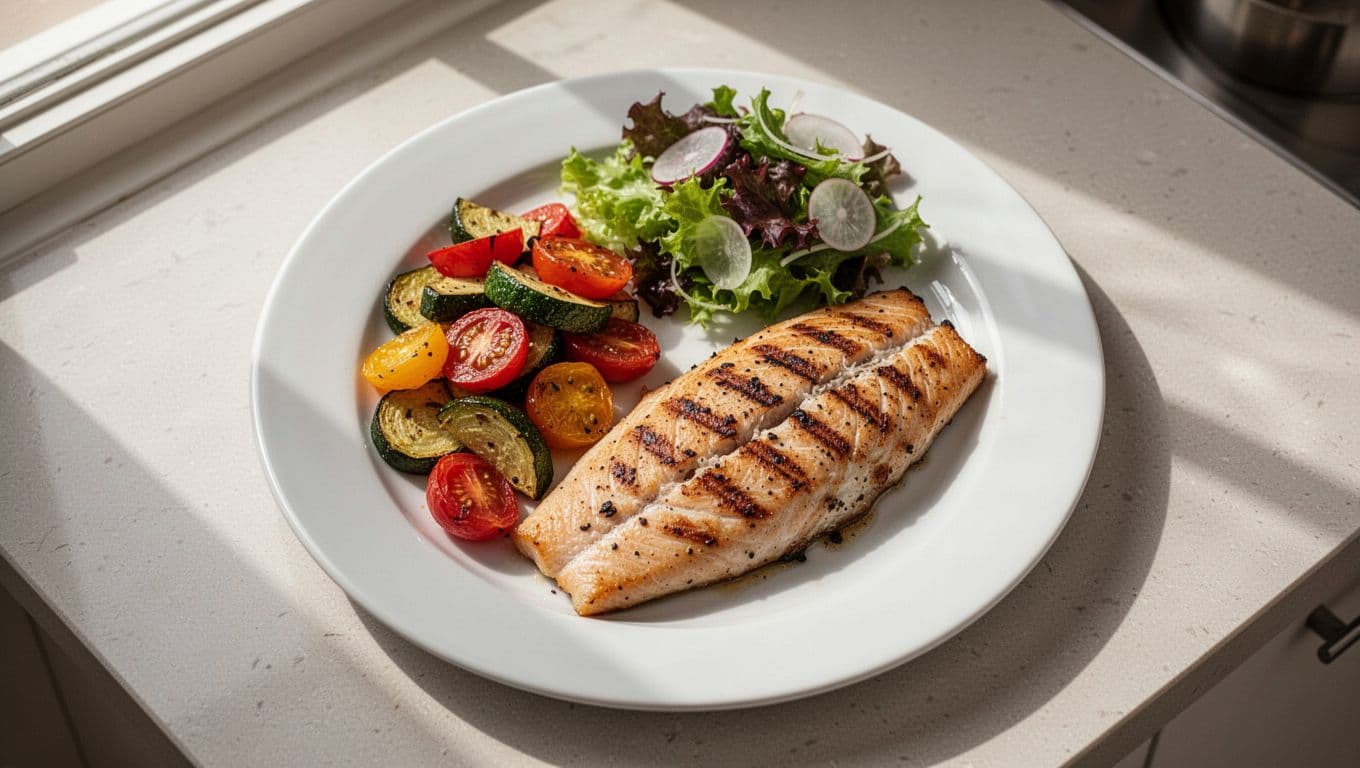
Start with the salad or vegetables first, then move on to protein and healthy fats, and save the carbs and sweets for last. That order gives your body a head start, because fiber, protein, and fat slow digestion and help sugar enter the bloodstream more gradually.
It’s a simple sequence, but it works like a built-in buffer. A meal that begins with broccoli, greens, chicken, salmon, eggs, beans, avocado, or olive oil is usually easier on blood sugar than dessert on an empty stomach. Research on food order has shown that eating vegetables and protein before carbohydrates can lower post-meal glucose and insulin levels, which is why this trick comes up again and again in dietitian advice.
A good plate order looks like this:
- Non-starchy vegetables first: salad, cucumbers, broccoli, zucchini, peppers.
- Protein and healthy fats next: chicken, fish, tofu, eggs, beans, nuts, avocado.
- Starches and sweets last: rice, bread, potatoes, fruit, cookies, cake.
Think of it as setting the table before you bring out dessert. The meal does the work first, then the sweet stuff gets a softer landing. UCLA Health explains why food order matters for blood glucose, and the basic idea is refreshingly practical.
Pair sweets with fiber or protein
Dessert is easier to handle when it doesn’t show up alone. Pairing sweets with fiber or protein slows digestion and makes the treat feel more filling, which can help keep you from wanting more right away.
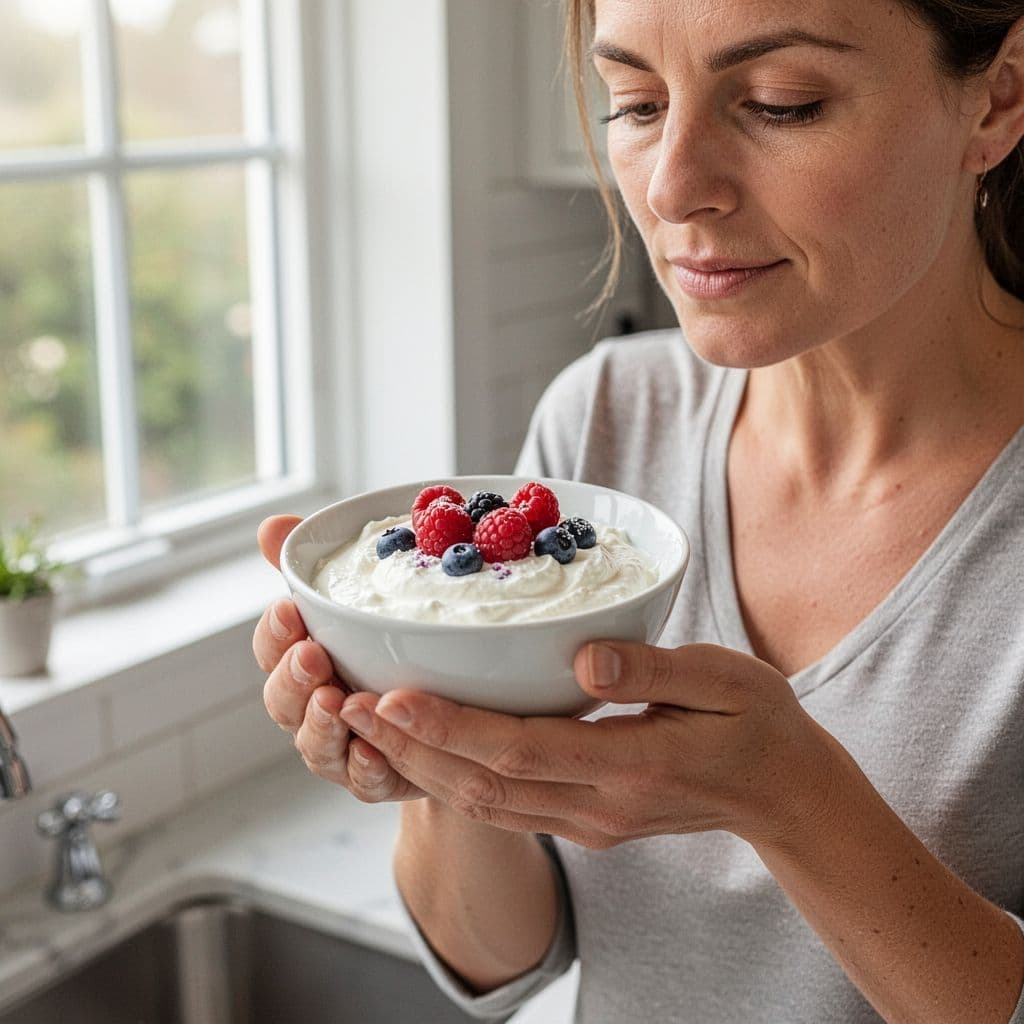
That can be as simple as fruit with plain yogurt, a small piece of chocolate with nuts, or dessert after a meal that already includes beans, eggs, fish, or chicken. The extra protein or fiber acts like a speed bump, so the sugar doesn’t rush in as fast.
A few easy pairings work well:
- Fruit and yogurt: berries, sliced apple, or peaches with Greek yogurt.
- Chocolate and nuts: a couple squares with almonds or walnuts.
- Dessert after a balanced meal: especially one with beans, eggs, fish, or chicken.
You’re not trying to hide the sugar. You’re giving it company. That small shift can make the treat more satisfying, which matters just as much as the blood sugar response.
Keep the portion small and eat it slowly
A smaller serving is easier on blood sugar than a big one. That part is plain and simple. A few bites of cake or a single cookie usually creates less of a spike than a giant slice or a second round before the first one has even settled.
Eating slowly helps too. When you slow down, your body has time to register fullness, and you’re less likely to keep eating just because the dessert is in front of you. Fast eating makes it easy to miss that point where the treat is enough.
Try this instead of rushing through it:
- Put the dessert on a plate, not straight from the box or bag.
- Take a few bites, then pause.
- Notice when it starts to feel satisfying, not just sweet.
That pause matters. Dessert tastes better when you actually notice it, and portion control gets a lot easier when you stop eating on autopilot.
Take a short walk after eating
A short walk after dessert can help your body use blood sugar more effectively. You don’t need a workout, and you don’t need to earn the sweets. Even a light stroll gets your muscles working, and that helps pull glucose out of the bloodstream.
The timing matters here too. Blood sugar often rises highest about 30 to 90 minutes after eating, so moving soon after dessert can make a real difference. A 10 to 15 minute walk is realistic for most people, and even a few minutes is better than sitting still.
A light walk after eating can do more for blood sugar than doing nothing at all.
You can keep it easy:
- Walk around the block.
- Pace while talking on the phone.
- Take the long route to clean up the kitchen.
The point is to move, not to log miles. That little bit of activity helps smooth out the after-dessert spike and keeps the rest of the evening from turning sluggish.
Smart dessert choices that are easier on blood sugar
Dessert does not have to be the problem child on your plate. The smarter move is to pick sweets that come with a little backup, so they are less likely to hit like a sugar bomb and more likely to feel satisfying.
Choose treats that work well with protein or fiber
The easiest desserts to fit into a balanced eating pattern are the ones that bring protein, fiber, or both. That includes plain Greek yogurt with berries, cottage cheese with cinnamon and sliced fruit, dark chocolate with nuts, or a small cookie after a meal that already had protein and vegetables.
These choices are not magical. They are just easier to pair well. Fiber slows digestion, protein helps with fullness, and both can soften the blood sugar rise that comes with sweets. A little fruit with yogurt is usually a better bet than fruit punch, candy, or a frosted pastry eaten on an empty stomach.
A few realistic examples:
- Greek yogurt with berries for a sweet, creamy finish
- Dark chocolate and almonds for a small, satisfying treat
- Apple slices with nut butter when you want dessert without a huge sugar load
- A small cookie after dinner, not as a standalone snack
If you want a simple rule, look for dessert that feels like it belongs with food, not a sugar rush in disguise. Levels has a helpful roundup of desserts less likely to spike blood sugar, and the pattern is clear, whole foods usually do better than ultra-processed sweets.
Watch out for big, sugary desserts that are easy to overeat
Large slices of cake, oversized bowls of ice cream, candy bags, and bakery-style muffins are tougher to manage for one reason, they combine big portions with fast-digesting sugar. It does not take much for a treat like that to turn from dessert into a blood sugar roller coaster.
The problem is not dessert itself. The problem is the size, the speed, and how easy it is to keep eating. A giant slice of cake or a handful of candy from the bag can move fast through the body and leave you wanting more before you ever feel satisfied.
Awareness helps more than guilt here. If a dessert is highly processed and easy to eat by the handful, it deserves a little extra attention:
- Portion it onto a plate instead of eating from the package
- Choose a smaller serving and actually enjoy it
- Save bigger desserts for times when you have already eaten a balanced meal
A smaller, well-timed treat usually works better than trying to “make up for it” later. That is the whole idea, not cutting sweets out, just making them easier for your body to handle.
When to be extra careful with sweets
Some sweet treats are easier to fit in than others, and some call for more caution. If you already notice blood sugar swings, the timing and size of your dessert matter even more.
That does not mean sweets are off-limits. It means you pay attention to how your body reacts, then adjust the plan. For some people, a small portion after a balanced meal is fine. For others, the same treat can trigger a hard crash, and that is the clue to slow down and rethink the routine.
If you already notice blood sugar highs and lows
If sweets leave you shaky, tired, dizzy, or hungry again soon after eating, your body may be telling you the timing needs work. That can happen when sugar hits fast, then drops just as fast. The result feels like a swing, not a snack.
This is the point where portion size matters more too. A few bites may be manageable, while a bigger serving can push you into a bigger rise and a harder crash. Pairing sweets with protein, fiber, or fat helps, but if you already feel a strong response, you may need to keep dessert smaller and eat it only after a full meal.
Watch for patterns like these:
- Shakiness or jitters after candy or pastries
- A sudden energy crash not long after eating
- Extra hunger even though you just had something sweet
- Cravings for more sugar right away
If that sounds familiar, dessert on an empty stomach is probably not your friend. A better move is to eat sweets after a meal that already includes protein and fiber, like the kind of balanced plate the CDC recommends for dessert. That simple change can make the difference between a treat and a tailspin.
When to ask a doctor or dietitian for help
Anyone with diabetes, prediabetes, insulin resistance, or ongoing blood sugar concerns should get personalized advice. What works for one person may not work for another, and your best dessert strategy can change with medication, meal timing, activity level, and even stress.
That matters even more if you use blood sugar medication. If you take insulin or other glucose-lowering medicine, follow your clinician’s guidance on when to eat, how much to eat, and how to handle sweets safely. Timing can affect your numbers more than you expect, especially if your meals are irregular or you exercise often.
A dietitian or doctor can help if you notice:
- Frequent crashes after sweets
- Blood sugar readings that jump after dessert
- Hunger that comes back fast after eating
- Uncertainty about how sweets fit with your treatment plan
If you want a general starting point, keep sweets small, pair them with a meal, and pay attention to what happens afterward. The American Diabetes Association’s eating tips also reinforce the same basic pattern, balanced meals first, sweets in moderation, and food choices that work with your blood sugar instead of against it.
Conclusion
The best time to eat sweets is usually right after a balanced meal, when protein, fiber, and healthy fats can help slow the rise in blood sugar. That makes dessert easier to enjoy without the same sharp spike you get from eating sugar on its own.
Keep the portion small, eat sweets last, and skip the late-night treat when you can. A short walk after eating can also help smooth things out.
Dessert can still fit into a healthy routine, it just works better when the timing is smart.