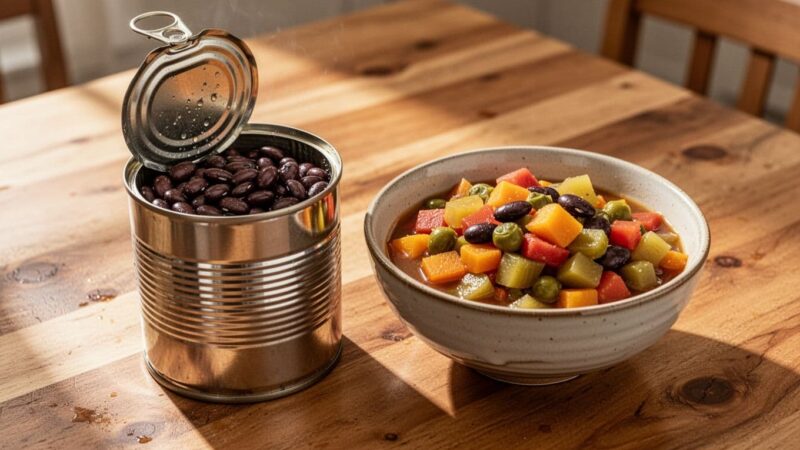
Canned food can fit a heart-healthy diet, but only if you pick the right kinds. The can isn’t the problem, the sodium is, and that’s why dietitians keep steering people toward low-sodium options, foods packed in water or juice, or cans you can rinse before eating.
That matters because blood pressure can climb fast when salt adds up across meals. If you’re trying to eat better without giving up convenience, the smartest canned foods are the ones that help you keep sodium in check without making dinner harder.
The label matters more than the brand name.
Here’s a simple guide to six canned foods that can support healthier blood pressure, plus the label-reading tricks that help you spot what’s worth buying and what’s better left on the shelf.
- Why some canned foods can help support healthy blood pressure
- The 6 canned foods dietitians recommend for lower blood pressure
- How to read a can label without getting tricked by sodium
- Canned foods that can work against your blood pressure goals
- Easy ways to make canned foods more heart-friendly at home
- Conclusion
Why some canned foods can help support healthy blood pressure
Canned food gets a bad rap, but the can itself isn’t the issue. The real question is what’s inside, and how much sodium comes with it. If you choose the right products, canned foods can save time and still fit a blood-pressure-friendly plate.
Sodium is the piece that moves the needle
Sodium pulls water into your bloodstream, which increases blood volume and puts more pressure on your blood vessels. That is why salty foods can push blood pressure higher, especially if you eat them often.
The good news is that a lot of canned foods come in low-sodium or no-salt-added versions. A quick rinse can also wash away some of the extra salt from beans and vegetables.
If the label says “low sodium,” that’s a much better place to start than the regular version.
DASH-friendly canned foods do more than fill you up
The DASH eating style is often used to help manage blood pressure because it centers on fruits, vegetables, beans, and other nutrient-rich foods while keeping sodium low. You can read more about the approach in the Mayo Clinic’s DASH diet guide.
That matters because heart health is not just about sodium. Potassium helps balance sodium, fiber supports overall heart health, and lean protein helps you build meals that keep you satisfied without piling on salt.
Why canned food works for busy people
Fresh food is great, but life doesn’t always leave time for chopping, soaking, or long cook times. Canned beans, tomatoes, tuna, salmon, and vegetables make it easier to put together a decent meal fast.
The trick is simple, pick cans that give you more nutrients and less sodium. When you do that, canned food becomes a shortcut, not a compromise.
The 6 canned foods dietitians recommend for lower blood pressure
The best canned foods for blood pressure are simple, plain, and easy to spot on the label. You want foods that bring fiber, potassium, and protein to the table without turning sodium into the main event.
A good rule is this: if the can helps you build a meal, not just add salt, it’s doing its job. That is why the foods below keep showing up in heart-healthy eating plans like DASH, including the NHLBI’s DASH eating plan.
No-salt-added canned vegetables
Canned vegetables are one of the easiest blood-pressure-friendly picks, as long as you buy the right ones. Look for no-salt-added or low-sodium versions of tomatoes, green beans, carrots, spinach, or mixed vegetables. They give you the same practical convenience as regular canned vegetables, but with far less sodium in the mix.
Vegetables fit a heart-healthy pattern because they bring volume, fiber, and nutrients without much sodium on their own. That matters when you’re trying to keep meals satisfying without pushing salt higher. Regular canned vegetables can be much saltier than you think, so the label matters every time.
A few easy uses make them even better:
- Stir canned green beans or carrots into soup.
- Add mixed vegetables to pasta with olive oil and garlic.
- Warm spinach or tomatoes as a quick side dish.
If you want a fast weeknight fix, this is one of the cleanest options in the aisle.
Canned beans that are rinsed well
Beans are a strong choice for blood pressure because they give you fiber, potassium, and plant protein in one cheap, shelf-stable package. Black beans, kidney beans, chickpeas, and pinto beans all work well here. They help fill you up, and they make meals feel more complete without needing a lot of salt.
The trick is simple, drain them and rinse them well. That step can remove a meaningful amount of sodium from the surface of the beans. A quick rinse is not fancy, but it helps.
The can is only half the story, rinsing is what makes beans work harder for you.
Use them in tacos, salads, grain bowls, and soups. Chickpeas can go straight into a salad with cucumber and olive oil. Black beans are great in tacos with avocado and salsa. Pinto beans make an easy base for chili or a quick rice bowl.
Fruit canned in water or its own juice
Canned fruit can fit a blood-pressure-friendly diet when you choose peaches, pears, apples, berries, or pineapple packed in water or 100% juice. That keeps the fruit useful without loading your bowl with heavy syrup or a lot of added sugar.
Fruit matters because it brings potassium and fiber, and that helps balance out sodium in the diet. When fresh fruit isn’t around, canned fruit in water or juice is a smart backup. It’s not second-rate, just practical.
For the best pick, skip anything packed in syrup or labeled as a juice cocktail. Those versions can turn a simple snack into a sugar bomb. Instead, pair the fruit with plain yogurt, oatmeal, or cottage cheese for a snack that actually lasts.
A bowl of canned pears with yogurt can feel like dessert, only it’s balanced enough for any time of day.
Low-sodium canned fish, like tuna or salmon
Canned tuna and salmon can support a blood-pressure-friendly diet because they bring lean protein plus heart-friendly nutrients. Salmon also gives you omega-3 fats, which are a nice bonus when you’re trying to eat for heart health. The key is choosing low-sodium versions and skipping fish packed in salty sauces.
Some canned fish is much higher in sodium than people expect, especially if it comes flavored or pre-mixed. Plain tuna or salmon gives you more control. If you’re watching blood pressure, control is the whole point.
These are easy ways to use them:
- Make a tuna sandwich with plain Greek yogurt or a little mustard.
- Toss salmon into a salad with greens and beans.
- Stir tuna into pasta with olive oil, lemon, and herbs.
You can keep it simple and still get a solid meal.
Canned pumpkin and other plain canned squash
Plain canned pumpkin and other canned squash are underrated pantry staples. They work well as a low-sodium base for soups, oatmeal, muffins, or smoothies, and they add fiber without much effort. They also make it easier to thicken a dish without reaching for salty ingredients.
Just make sure you’re buying plain puree, not pumpkin pie filling. Pumpkin pie filling usually comes with added sugar and spices you may not want. The label should be short and clear, and it should not hide extra salt or sugar.
Try stirring pumpkin into oatmeal with cinnamon, or blend it into a smoothie with banana and yogurt. It also works in soup with broth, onion, and a little black pepper. Simple food, but it gets the job done.
Canned tomatoes with no salt added
Tomatoes are a pantry workhorse, and the canned versions can be a smart choice if you buy them right. Look for no-salt-added or low-sodium diced tomatoes, crushed tomatoes, tomato sauce, or tomato paste. They make it easier to build meals without sneaking in extra salt.
Tomato products show up in a lot of everyday meals, so they can become a hidden sodium source fast. Sauce, chili, soup, and stew all depend on them. That is why checking the label is so important here.
Use them in simple ways:
- Make a quick pasta sauce with garlic, onion, and olive oil.
- Build a chili with beans, tomatoes, and spices.
- Add crushed tomatoes to soup for a richer base.
Tomatoes bring flavor with very little effort, and that makes them one of the best cans to keep on hand.
How to read a can label without getting tricked by sodium
A can can look healthy at first glance, but the label tells the real story. The trick is not just spotting the front-of-package claims, it’s checking the sodium line, the serving size, and the fine print that hides behind words like “reduced” or “no salt added.”
Start with the sodium number, not the marketing
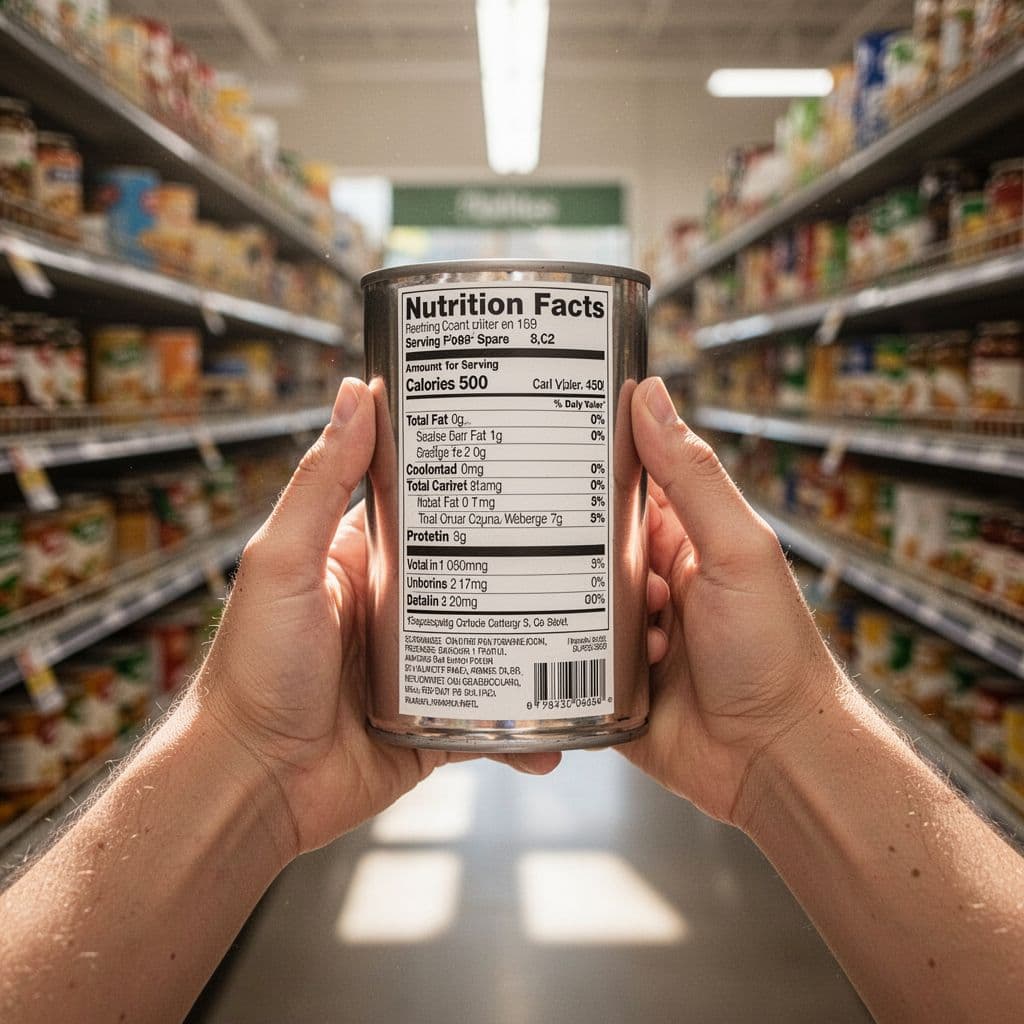
The Nutrition Facts panel is where the truth lives. For a blood-pressure-friendly pick, low sodium means 140 mg or less per serving, while salt-free or sodium-free usually means less than 5 mg per serving. That tiny difference matters when you’re comparing cans side by side.
“No salt added” sounds like the best option, but it doesn’t always mean the food is low in sodium. It only means no salt was added during processing. Some foods still have natural sodium, so don’t stop reading there. The FDA’s label guide breaks down these terms in plain language, and it’s worth a quick look if you want the official rules in one place, how to understand the Nutrition Facts label.
Don’t get fooled by reduced sodium
“Reduced sodium” is one of the easiest terms to misread. It means the product has at least 25% less sodium than the regular version, but it does not mean low sodium. A reduced-sodium soup can still pack a lot of salt if the original version was very salty to begin with.
That is why the comparison matters. “Reduced” is better than the original, but it may still be too high for a heart-healthy meal.
Watch the serving size like a hawk
This is the part most shoppers miss. The sodium listed on the can is for one serving, not the whole container if the can has more than one serving. If the can says 2 servings and you eat the whole thing, you just doubled the sodium.
A quick store habit helps:
- Check the serving size first.
- Read the sodium per serving.
- Multiply if you plan to eat more than one serving.
- Pick the can that keeps the total sodium reasonable.
That one habit can save you from a sneaky salt overload, and it makes the whole canned-food aisle easier to shop.
Canned foods that can work against your blood pressure goals
Not every can earns a spot on a heart-healthy shelf. Some are loaded with sodium, and others hide sugar or heavy sauces that don’t help much either. If you’re trying to keep blood pressure in a better range, these are the cans to limit or swap out.
Canned soups, pasta meals, and salty sauces
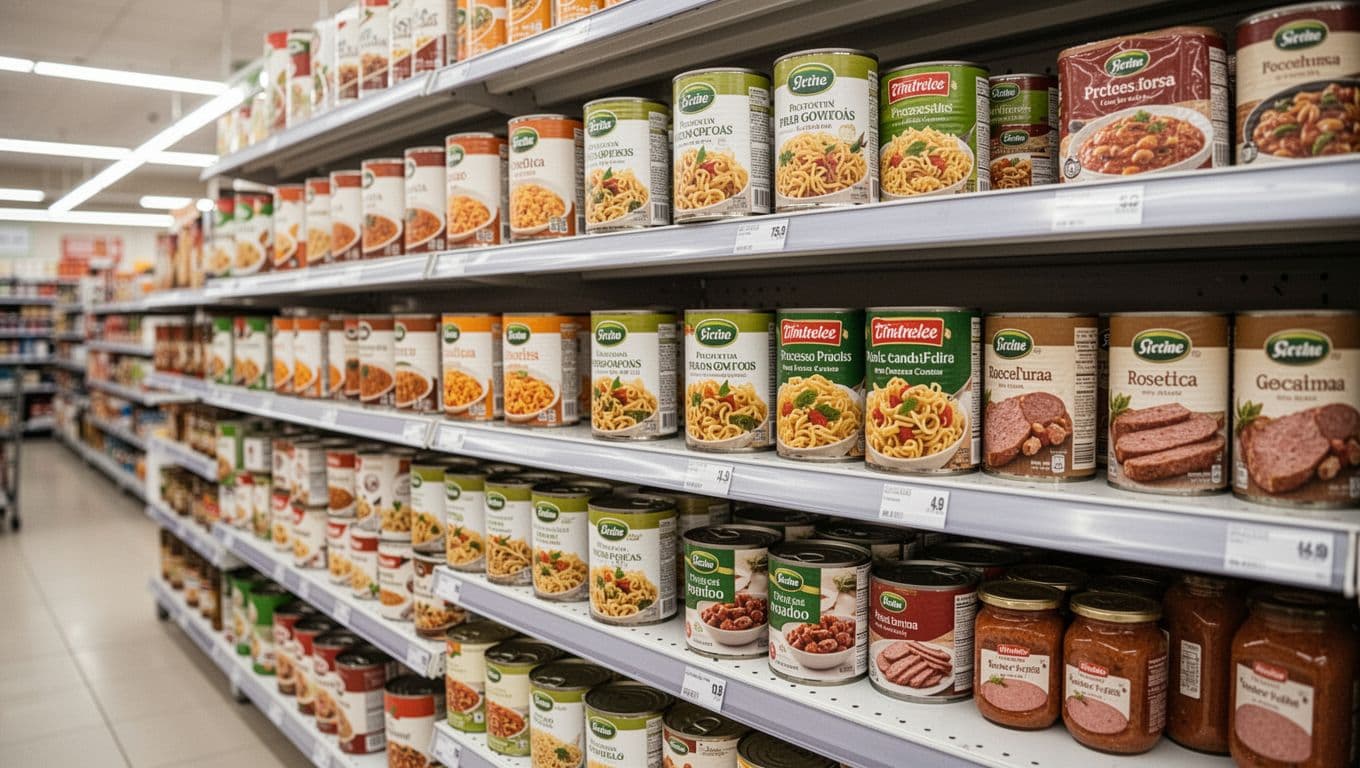
Canned soups are one of the biggest sodium traps on the shelf. Tomato soup, chicken noodle, and cream-based versions can pack a lot of salt into a small serving. Boxed or canned pasta meals are similar, especially when the sauce is doing most of the heavy lifting.
That same warning applies to canned chili, stew, and tomato or spaghetti sauce. These products often look harmless until you check the sodium panel. If you want a better fit, choose low-sodium versions or build your own with plain tomatoes and beans.
For a broader look at common salty packaged foods, see UC Davis Health’s guide to low-sodium eating.
Processed meats and vegetables packed in salty liquids
Canned meats like ham, luncheon meat, and other processed options are usually poor choices for blood pressure goals. They bring a lot of sodium and very little payoff for the trade.
Vegetables can also miss the mark when they come in salty brines or sauce. Pickles, sauerkraut, and some canned green beans or tomatoes can be much saltier than plain versions. Heavy syrup is another red flag for canned fruit, since added sugar does little for heart health. When in doubt, choose plain, no-salt-added, or fruit packed in water or juice instead.
Easy ways to make canned foods more heart-friendly at home
A good can gets better once it hits your kitchen counter. A few small moves can cut sodium, add flavor, and turn a basic pantry item into a meal that works for your heart instead of against it.
Rinse, drain, and keep going
If you only change one habit, make it this one. Drain canned beans and vegetables, then rinse them under cold water for a few seconds. That quick step can wash away a good amount of surface sodium, and it takes less time than making toast.
This works best with beans, corn, peas, and some canned vegetables. It also helps when you need dinner now and don’t want to start from scratch.
Build the meal around fresh and simple foods
Canned food does not have to carry the whole plate. Mix it with fresh spinach, chopped onions, tomatoes, cucumbers, or frozen vegetables. Add a whole grain like brown rice, quinoa, or whole-wheat pasta, then top it with a lean protein such as canned salmon or tuna.
That mix gives you more fiber, more texture, and less salt per bite. For a quick example, try rinsed black beans, brown rice, salsa, and avocado. It feels complete without a lot of effort.
Use herbs, citrus, and spices instead of salt
Salt is easy to overdo because it disappears into the background. Herbs and spices do the opposite, they wake up the whole dish. Garlic, black pepper, cumin, oregano, basil, paprika, and lemon juice all add flavor without pushing sodium higher.
A lot of heart-healthy canned food starts looking better once you season it well. The Academy of Nutrition and Dietetics also points out that canned beans, salmon, tuna, and tomatoes can fit a healthier pattern when you choose the right versions and prepare them with care.
Keep a few low-sodium staples on hand
Busy nights get easier when the pantry is set up for you. Keep no-salt-added beans, low-sodium tomatoes, plain canned vegetables, and fruit packed in water or juice within reach. Then you can build a fast meal without relying on salty convenience food.
If the pantry is stocked well, healthy eating gets a lot less dramatic.
A few smart cans, one rinse, and a handful of fresh add-ins can change the whole meal.
Conclusion
Canned food can absolutely fit a blood-pressure-friendly diet when you keep the sodium in check. The best picks are no-salt-added vegetables, rinsed beans, fruit packed in water or juice, low-sodium tuna or salmon, plain canned pumpkin, and no-salt-added tomatoes.
The biggest shopping rule is simple, check the label before you buy. Low sodium, no salt added, and a quick rinse can make a real difference, while salty soups, sauces, and processed meats can work against your goals fast.
Small swaps add up. When the pantry is stocked with the right cans, healthy eating gets easier, and your blood pressure gets a better shot over time.