



Sun exposure is one of the most significant factors influencing skin health, contributing to premature aging, discoloration, and long-term damage. While sunlight is essential for vitamin D production and overall well-being, prolonged or unprotected exposure can accelerate collagen breakdown, cause pigmentation changes, and elevate the risk of skin-related complications. Protecting your skin from daily sun damage requires a combination of preventive strategies, consistent skincare habits, and lifestyle awareness. By incorporating effective practices into daily routines, individuals can maintain healthy, youthful skin while safely enjoying outdoor activities.
Understanding Sun Damage and Its Effects

Ultraviolet (UV) radiation from the sun consists primarily of UVA and UVB rays, both of which can harm the skin. UVA rays penetrate deeply into the dermis, contributing to collagen degradation, loss of elasticity, and premature aging. UVB rays mainly affect the surface layers, causing sunburn and increasing the risk of pigmentation alterations. Chronic exposure to both UVA and UVB rays accelerates skin aging, resulting in wrinkles, fine lines, and uneven skin tone.
Beyond visible effects, sun damage can impair the skin’s barrier function, leading to dryness, sensitivity, and reduced defense against environmental stressors. UV-induced oxidative stress generates free radicals that damage cellular structures, proteins, and DNA. Over time, this cumulative damage heightens the risk of skin lesions and other long-term issues.
Understanding the mechanisms of sun damage underscores the need for daily protection. Even incidental exposure—during commuting, running errands, or indoor activities near windows—can contribute to cumulative effects. Consistency in preventive measures is therefore essential for long-term skin health.
Daily Sun Protection Strategies
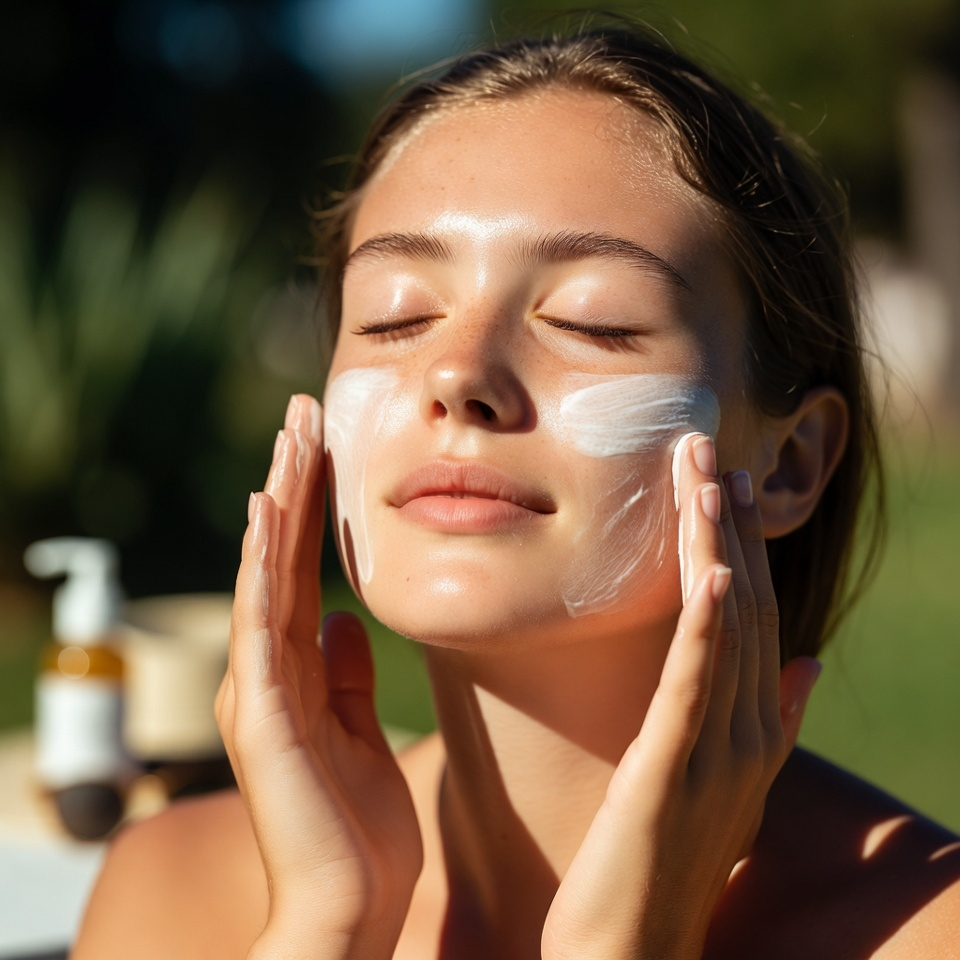
Sunscreen is the most effective tool for preventing sun damage. Broad-spectrum sunscreens shield against both UVA and UVB rays and should have a minimum SPF of 30. Daily application is crucial, regardless of weather conditions or activity levels. Apply generously to all exposed areas, including the face, neck, hands, and any other uncovered skin. Reapply every two hours, or after sweating or swimming, to maintain continuous protection.
Protective clothing provides an additional layer of defense. Long-sleeved shirts, wide-brimmed hats, and UV-blocking fabrics minimize direct exposure, particularly during peak sun hours between 10 a.m. and 4 p.m. Lightweight, breathable materials ensure comfort for everyday wear.
Seeking shade and timing activities strategically further reduce UV exposure. Use umbrellas, stay in shaded areas during peak hours, and limit prolonged sun exposure. Scheduling outdoor activities for early morning or late afternoon minimizes intense UV rays while allowing enjoyment of natural light.
Sunglasses with UV protection safeguard the delicate skin around the eyes and lower the risk of cataracts. The thin periorbital skin is especially vulnerable to UV damage, and proper eyewear offers both protective and aesthetic benefits.
Skincare Practices to Mitigate Sun Damage
In addition to preventive measures, targeted skincare routines can help counteract sun-related effects and preserve skin health. Antioxidant serums containing vitamin C, vitamin E, or niacinamide neutralize free radicals produced by UV exposure. These products bolster the skin’s defense mechanisms and improve tone and brightness.
Moisturizers with restorative ingredients maintain barrier function and hydration, countering dryness and sensitivity from sun exposure. Hyaluronic acid, ceramides, and peptides support cellular repair, elasticity, and resilience. Regular nourishment aids recovery from incidental UV exposure and strengthens natural defenses.
Moderate exfoliation promotes cell turnover and removes damaged surface cells, enhancing texture and radiance. Chemical exfoliants such as alpha-hydroxy acids (AHAs) or beta-hydroxy acids (BHAs) are particularly effective, but frequency should be adjusted to skin type to avoid irritation.
Nighttime repair routines complement daytime protection. Applying nutrient-dense serums and moisturizers before bed facilitates tissue repair, collagen synthesis, and barrier restoration. Overnight care allows the skin to recover from daily stressors, including UV exposure, and builds long-term resilience.
Lifestyle Habits for Long-Term Skin Protection
Beyond direct skincare, lifestyle choices significantly enhance the skin’s ability to withstand sun damage. Balanced nutrition supports cellular defense and repair. Foods rich in antioxidants, vitamins A, C, and E, and essential fatty acids strengthen resilience and combat oxidative stress. Berries, leafy greens, nuts, seeds, and fatty fish provide nutrients that directly benefit skin structure and function.
Hydration preserves elasticity and barrier integrity, keeping skin supple and less prone to damage. Sufficient water intake, combined with hydrating foods, optimizes skin function and accelerates recovery from UV exposure.
Avoiding tanning practices—such as tanning beds or extended sunbathing—prevents excessive UV exposure that hastens aging and elevates long-term risks. Embracing natural skin tone reinforces protective strategies and minimizes cumulative damage.
Regular skin monitoring enables early detection of sun-related changes, including new moles, discoloration, or unusual spots. Prompt identification of abnormalities facilitates timely medical evaluation and intervention, which is vital for sustained skin health.
Integrating Sun Protection into Daily Life
Incorporating sun protection into everyday habits ensures consistent defense. Apply sunscreen as part of your morning routine, wear protective clothing, seek shade when needed, and maintain supportive skincare and nutrition practices. This comprehensive approach delivers lifelong skin protection.
Consistent, multifaceted sun protection is essential for preserving healthy, radiant skin and preventing long-term damage. By combining daily sunscreen use, protective clothing, mindful timing of outdoor activities, and supportive skincare and lifestyle habits, individuals can shield their skin from harmful UV effects. Prioritizing these measures daily maintains elasticity, reduces premature aging, and enhances overall skin resilience, delivering both immediate and enduring benefits for skin health.
