


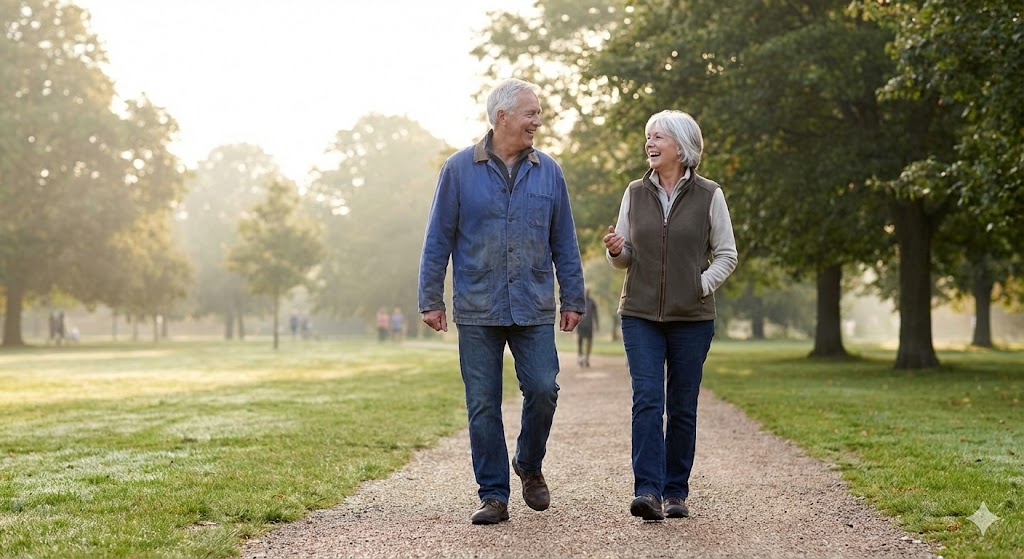
Aging is an inevitable part of life, but how we age is increasingly within our control. After reaching 50, the decisions we make about our lifestyle, nutrition, physical activity, and social connections significantly impact our quality of life, longevity, and ability to maintain independence. This comprehensive guide explores evidence-based strategies that can help you thrive in your later years, maintain physical strength, preserve cognitive function, and enjoy a vibrant, fulfilling life.
Understanding the Aging Process After 50
The human body undergoes substantial changes after age 50. Muscle mass naturally declines through a process called sarcopenia, bone density decreases, metabolism slows, and hormonal changes affect both men and women. However, these changes don’t have to define your experience of aging. Research consistently shows that lifestyle interventions can slow, and in some cases reverse, many age-related declines.
The concept of “healthspan” versus lifespan has gained prominence in recent years. While lifespan refers to the total number of years lived, healthspan describes the years lived in good health, free from chronic disease and disability. The goal of healthy aging isn’t simply to live longer but to extend the period of life during which you remain active, independent, and engaged.
The Foundation: Strength Training and Physical Activity
Why Resistance Training Is Non-Negotiable
After 50, maintaining muscle mass becomes crucial for virtually every aspect of health and independence. Muscle tissue serves as more than just the engine for movement. It acts as a metabolic reservoir, helps regulate blood sugar, supports bone density, and protects joints from injury. Without intervention, adults lose approximately three to five percent of muscle mass per decade after age 30, with the rate accelerating after 50.
Resistance training, also known as strength training or weight training, is the most effective intervention for preserving and building muscle mass at any age. Studies show that even individuals in their 80s and 90s can gain significant strength and muscle mass through properly designed resistance training programs. This form of exercise stimulates muscle protein synthesis, increases bone density, improves balance and coordination, and enhances metabolic health.
A comprehensive strength training program for those over 50 should include exercises targeting all major muscle groups, performed at least two to three times per week. Focus on compound movements like squats, deadlifts, chest presses, rows, and overhead presses, which engage multiple muscle groups simultaneously and provide functional benefits for daily activities. Progressive overload, gradually increasing the weight or resistance over time, remains essential for continued improvement.
Cardiovascular Exercise for Heart Health and Longevity
While strength training builds the foundation, cardiovascular exercise protects your heart, improves circulation, enhances lung capacity, and supports cognitive function. Aerobic activities like brisk walking, swimming, cycling, and dancing strengthen the cardiovascular system and have been linked to reduced risk of heart disease, stroke, type 2 diabetes, and certain cancers.
The American Heart Association recommends at least 150 minutes of moderate-intensity aerobic activity or 75 minutes of vigorous-intensity activity per week. However, recent research suggests that incorporating high-intensity interval training can provide additional benefits in shorter time periods. This involves alternating between periods of intense effort and recovery, which has been shown to improve cardiovascular fitness, insulin sensitivity, and mitochondrial function more efficiently than steady-state cardio alone.
Balance, Flexibility, and Mobility Work
Falls represent one of the greatest threats to independence after 50. Approximately one in four adults over 65 experiences a fall each year, often resulting in serious injuries like hip fractures that can permanently impact quality of life. Balance training, flexibility work, and mobility exercises significantly reduce fall risk while enhancing overall movement quality.
Practices like yoga, tai chi, and Pilates offer excellent options for improving balance, flexibility, and body awareness. These mind-body exercises also provide stress reduction benefits and can be adapted for various fitness levels. Dynamic stretching before activities and static stretching afterward help maintain range of motion in joints and prevent injuries.
Nutrition Strategies for Optimal Aging
Protein: The Building Block of Healthy Aging
Adequate protein intake becomes increasingly important after 50, yet many older adults consume insufficient amounts. Protein provides the amino acids necessary for maintaining muscle mass, supporting immune function, and facilitating tissue repair. Research suggests that older adults may need more protein than younger individuals to stimulate muscle protein synthesis effectively, a phenomenon known as anabolic resistance.
Current recommendations suggest that adults over 50 should consume approximately 1.0 to 1.2 grams of protein per kilogram of body weight daily, with some experts advocating for even higher amounts, particularly for those engaging in regular resistance training. Distributing protein intake evenly across meals, aiming for 25 to 30 grams per meal, appears more effective for muscle maintenance than consuming most protein in a single meal.
High-quality protein sources include lean meats, poultry, fish, eggs, dairy products, legumes, nuts, and seeds. For those following plant-based diets, combining complementary protein sources and possibly supplementing with protein powder can help meet increased needs.
The Mediterranean Diet and Anti-Inflammatory Eating
The Mediterranean diet consistently ranks among the most studied and supported eating patterns for healthy aging. This approach emphasizes vegetables, fruits, whole grains, legumes, nuts, olive oil, and fish while limiting red meat, processed foods, and added sugars. Numerous studies have linked the Mediterranean diet to reduced risk of cardiovascular disease, cognitive decline, type 2 diabetes, and certain cancers.
The anti-inflammatory properties of Mediterranean eating deserve special attention. Chronic low-grade inflammation, sometimes called “inflammaging,” contributes to many age-related diseases. Foods rich in omega-3 fatty acids, antioxidants, and phytonutrients help combat inflammation and oxidative stress. Fatty fish like salmon, sardines, and mackerel provide EPA and DHA, omega-3 fatty acids with powerful anti-inflammatory effects. Colorful fruits and vegetables supply antioxidants that neutralize free radicals and protect cells from damage.
Micronutrients and Supplementation
Certain micronutrient needs increase or become more challenging to meet after 50. Vitamin D plays crucial roles in bone health, immune function, and muscle strength, yet many older adults have insufficient levels due to decreased skin synthesis and reduced dietary intake. Vitamin B12 absorption declines with age, making deficiency common among older adults and potentially contributing to cognitive impairment and anemia.
Calcium and vitamin D work synergistically to maintain bone density and reduce osteoporosis risk. While calcium-rich foods like dairy products, leafy greens, and fortified foods should be emphasized, supplementation may be necessary for some individuals. Magnesium supports hundreds of enzymatic reactions, including those involved in muscle function, blood pressure regulation, and glucose control.
While a food-first approach remains ideal, targeted supplementation under healthcare provider guidance can help address specific deficiencies or elevated needs. Omega-3 supplements may benefit those who don’t regularly consume fatty fish. Creatine monohydrate, traditionally associated with athletic performance, shows promise for supporting muscle mass and cognitive function in older adults.
Cognitive Health and Brain Longevity
Mental Exercise and Cognitive Reserve
Just as physical exercise strengthens the body, mental exercise builds cognitive reserve, the brain’s resilience against age-related changes and potential disease. Engaging in cognitively stimulating activities throughout life, and particularly after 50, helps maintain mental sharpness and may delay the onset of cognitive decline.
Effective cognitive training involves learning new skills that challenge the brain in novel ways. Taking up a musical instrument, learning a foreign language, mastering a new technology, or engaging in strategic games like chess all stimulate neuroplasticity, the brain’s ability to form new neural connections. Simply doing familiar puzzles or crosswords provides less benefit than activities that push you outside your comfort zone.
Social engagement also provides powerful cognitive benefits. Meaningful social connections and regular interaction with others stimulate multiple cognitive domains simultaneously, including language processing, emotional regulation, and executive function. Maintaining strong social networks has been associated with reduced dementia risk and better overall cognitive health.
Sleep: The Foundation of Brain Health
Quality sleep becomes both more important and more challenging after 50. During sleep, the brain clears metabolic waste products, consolidates memories, and undergoes essential repair processes. Chronic sleep deprivation accelerates cognitive decline and increases the risk of various health conditions, including cardiovascular disease, diabetes, and depression.
Sleep architecture changes with age, with older adults typically experiencing lighter sleep, more frequent awakenings, and less time in deep sleep stages. However, many sleep problems can be addressed through proper sleep hygiene. Maintaining a consistent sleep schedule, creating a dark and cool sleep environment, limiting screen time before bed, and avoiding caffeine and alcohol in the evening all support better sleep quality.
Sleep apnea becomes more common with age and can significantly impact both sleep quality and overall health. Characterized by repeated breathing interruptions during sleep, untreated sleep apnea increases the risk of cardiovascular problems, cognitive decline, and daytime fatigue. Anyone experiencing symptoms like loud snoring, gasping during sleep, or excessive daytime sleepiness should be evaluated by a healthcare provider.
Managing Stress and Mental Health
Chronic stress takes a significant toll on both physical and mental health, accelerating aging processes and increasing disease risk. The stress hormone cortisol, when chronically elevated, promotes inflammation, impairs immune function, and negatively affects brain structure and function, particularly in areas involved in memory and emotional regulation.
Stress management techniques like meditation, mindfulness practices, deep breathing exercises, and progressive muscle relaxation have been shown to reduce cortisol levels, lower blood pressure, improve mood, and enhance overall well-being. Even brief daily practices can provide meaningful benefits. Many people find that combining physical activity with mindfulness, such as through yoga or walking meditation, provides particularly powerful stress relief.
Mental health deserves the same attention as physical health throughout the aging process. Depression and anxiety are not normal parts of aging, yet they’re often underdiagnosed and undertreated in older adults. These conditions can significantly impair quality of life, worsen physical health outcomes, and reduce longevity. Seeking professional help through therapy, counseling, or appropriate medication when needed is a sign of strength and self-care, not weakness.
Preventive Healthcare and Disease Management
The Power of Preventive Screenings
After 50, preventive healthcare becomes increasingly important for catching potential problems early when they’re most treatable. Regular screenings can detect conditions like cancer, cardiovascular disease, diabetes, and osteoporosis before symptoms appear, often when interventions are most effective.
Recommended screenings vary based on individual risk factors, family history, and sex, but commonly include blood pressure checks, cholesterol testing, blood glucose monitoring, colonoscopy, mammography, bone density scans, and various cancer screenings. Maintaining a strong relationship with a primary care provider who understands your health history and goals allows for personalized screening recommendations and preventive strategies.
Vaccination remains important throughout life. In addition to annual influenza vaccines, adults over 50 should discuss vaccines for pneumonia, shingles, and COVID-19 with their healthcare providers. These preventive measures can help avoid serious illnesses that pose particular risks to older adults.
Managing Chronic Conditions Effectively
Many adults develop chronic conditions like hypertension, high cholesterol, type 2 diabetes, or arthritis after 50. While these diagnoses require attention, they don’t have to dominate your life or prevent you from thriving. Effective management through lifestyle modifications and appropriate medical treatment allows most people with chronic conditions to maintain excellent quality of life.
Medication adherence, when prescriptions are necessary, plays a crucial role in managing chronic conditions and preventing complications. However, lifestyle interventions often provide the foundation for effective management. Regular physical activity, healthy eating, stress management, and adequate sleep frequently allow for reduced medication doses or, in some cases, medication discontinuation under medical supervision.
Taking an active role in your healthcare, asking questions, understanding your conditions and treatments, and advocating for yourself ensures you receive the best possible care. Many people find that tracking symptoms, medications, and relevant health metrics helps them communicate more effectively with healthcare providers and make informed decisions about their health.
Social Connection and Purpose
The Longevity Benefits of Strong Relationships
Humans are inherently social creatures, and the quality of our relationships profoundly impacts our health and longevity. Research consistently shows that strong social connections rival traditional health factors like diet and exercise in their influence on lifespan and disease risk. Conversely, social isolation and loneliness have been compared to smoking 15 cigarettes daily in terms of health impact.
After 50, maintaining and cultivating meaningful relationships requires intentional effort, particularly as life transitions like retirement, relocation, or loss of loved ones can disrupt established social networks. Prioritizing time with family and friends, joining clubs or groups aligned with your interests, volunteering, or participating in community activities all provide opportunities for social connection.
The depth of relationships matters more than the quantity. Having a few close, trusted relationships where you can be authentic and vulnerable provides greater health benefits than numerous superficial connections. At the same time, diverse social networks that span different contexts and age groups can provide varied perspectives, support, and opportunities for engagement.
Finding Purpose and Meaning
A sense of purpose, the feeling that your life has meaning and direction, has been linked to better physical health, reduced mortality risk, enhanced cognitive function, and greater life satisfaction. After 50, particularly around retirement, some people struggle with purpose as career identities shift and previous sources of meaning may change.
Purpose can come from many sources: meaningful work or volunteer activities, creative pursuits, mentoring others, contributing to causes you care about, spending time with loved ones, or pursuing personal growth and learning. The key is finding activities and relationships that feel significant to you and align with your values.
Many people find that the years after 50 offer unique opportunities to explore interests set aside earlier in life, contribute wisdom gained through experience, and focus on what truly matters to them. Approaching this life stage with curiosity and openness to new experiences can lead to some of the most fulfilling years of life.
Creating Your Personalized Healthy Aging Plan
Healthy aging doesn’t follow a one-size-fits-all formula. Your optimal approach depends on your current health status, fitness level, medical history, personal preferences, and goals. The most effective healthy aging plan is one you can sustain long-term, that fits your lifestyle, and that you genuinely enjoy.
Start by assessing your current situation honestly across all domains: physical activity, nutrition, sleep, stress management, social connections, and preventive healthcare. Identify areas where you’re already thriving and areas that could use attention. Rather than attempting to overhaul everything simultaneously, focus on one or two key changes that will provide the greatest benefit for your situation.
Set specific, measurable, achievable goals and track your progress. Whether it’s strength training twice weekly, consuming 30 grams of protein at breakfast, walking 10,000 steps daily, or calling a friend each week, concrete goals provide direction and motivation. Celebrate small victories along the way and adjust your plan as needed based on what works for you.
Remember that setbacks are normal and temporary. Missing workouts, indulging in less healthy foods occasionally, or experiencing periods of higher stress doesn’t erase your progress. The key is consistency over time, not perfection. Approach healthy aging with self-compassion, viewing each day as a fresh opportunity to make choices that support your well-being.
Conclusion: Embracing the Journey
Aging after 50 represents not a decline but a new chapter filled with opportunities for growth, fulfillment, and vitality. The evidence is clear: the choices you make daily regarding physical activity, nutrition, sleep, stress management, social connections, and preventive healthcare profoundly influence how you age. By implementing these evidence-based strategies, you can extend not just your lifespan but your healthspan, enjoying years of strength, independence, and engagement.
The journey of healthy aging is exactly that—a journey, not a destination. It requires commitment, patience, and adaptability as your needs and circumstances evolve. Surround yourself with supportive people, seek professional guidance when needed, stay curious and open to learning, and never underestimate your capacity for positive change at any age.
Your 50s, 60s, 70s, and beyond can be some of the most rewarding, vibrant years of your life. With the right strategies and mindset, you can age not just gracefully, but powerfully, maintaining the strength, independence, and joy that make life worth living. The time to invest in your future self is now, and every positive step you take today builds the foundation for the years ahead.

2 Comments
Pingback: How to Eat After 50 for Energy, Immunity, and a Longer, Healthier Life - Health Beyond Age
Pingback: How to Exercise After 50 to Build Strength, Improve Balance, and Stay Independent - Health Beyond Age