
Diarrhea means loose, watery stools that happen more often than usual. Most short-term cases improve with fluids and rest, but it can still leave you drained fast, especially if you’re losing a lot of water and electrolytes.
Common causes include stomach infections, food poisoning, certain medicines, and changes in diet. Sometimes it comes with cramping, nausea, or fever, and sometimes the main problem is dehydration, which can show up as thirst, dizziness, dry mouth, or less urine.
The good news is that many mild cases get better with home care, especially steady hydration. Water helps, but electrolyte drinks, broth, or oral rehydration solutions can matter more when you’ve had repeated loose stools. Soft, bland foods may help once your stomach settles, while caffeine and other triggers can make things worse.
Still, some symptoms need medical attention. Blood in the stool, black stools, high fever, severe belly pain, symptoms after recent travel or antibiotic use, pregnancy, and diarrhea in children or older adults all deserve closer attention. Keep reading for clear guidance on what to do, what to avoid, and when to call a clinician.
- What diarrhea is, and the most common reasons it starts
- Diarrhea symptoms that usually come with it, and the signs dehydration is starting
- The best home care for diarrhea: fluids, electrolytes, and gentle food
- What to avoid while diarrhea is active
- When diarrhea needs a doctor, and when it is an emergency
- How to lower your risk of diarrhea in the future
- Conclusion
What diarrhea is, and the most common reasons it starts
Diarrhea means loose, watery stools that happen more often than usual. It can start suddenly and fade within a day or two, or it can keep coming back and signal a bigger issue.
Most short-term diarrhea comes from an infection, a food trigger, or a medicine side effect. The main early concern is fluid loss, so steady hydration matters right away. Water helps, but oral rehydration drinks, broth, and electrolyte solutions replace losses better when stools are frequent.
If diarrhea comes with blood, black stools, high fever, severe belly pain, or clear signs of dehydration, it deserves medical attention. Signs like dizziness, a dry mouth, and less urination can show that your body needs more than home care.
### Infections from viruses, bacteria, and contaminated food
A stomach bug is one of the most common reasons diarrhea starts. The NIDDK notes that viral gastroenteritis, food poisoning, and medicine side effects are among the leading causes of acute diarrhea.
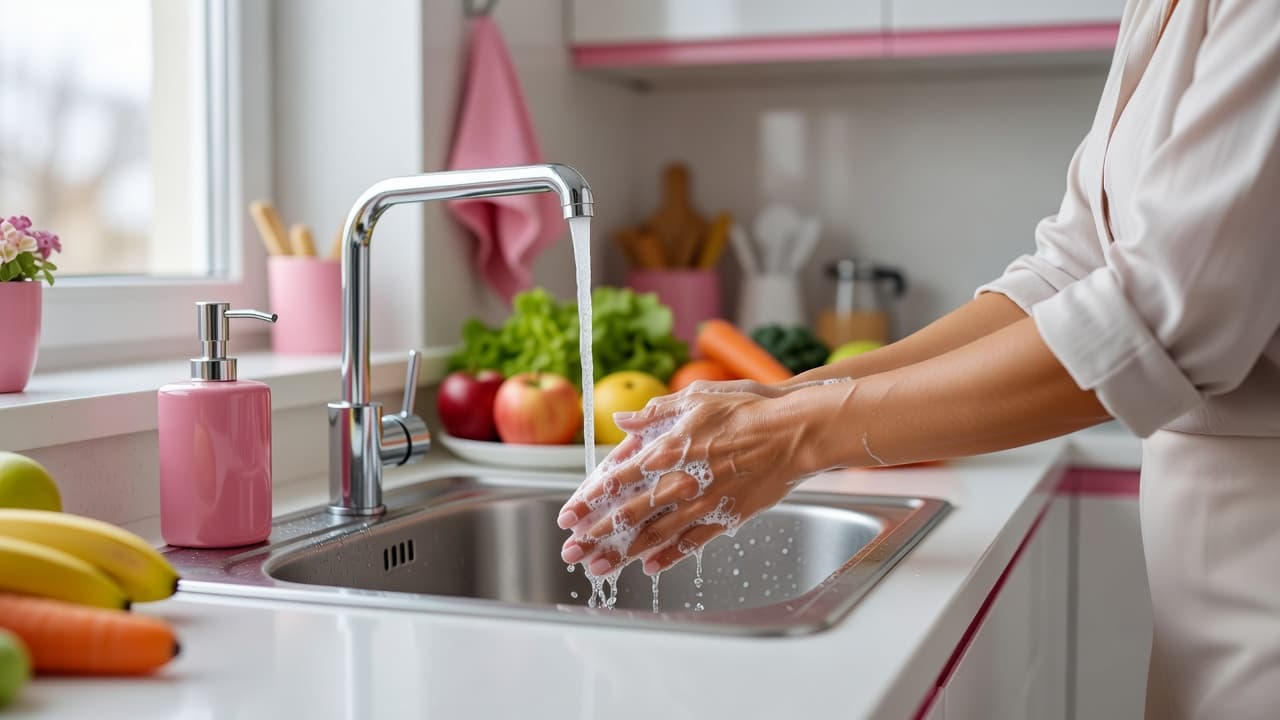
Germs spread easily through food, water, and close contact. You might pick up a virus after touching a shared surface, then eating with unwashed hands. Bacteria can also show up in undercooked chicken, runny eggs, unwashed produce, or food left out too long at a picnic or party.
Infection-related diarrhea often comes with more than loose stools. Nausea, vomiting, belly cramps, and fever can all show up, especially when the gut is irritated by a virus or bacteria. When several people around you get sick after the same meal, food poisoning moves high on the list.
Medicines and food triggers that can upset the gut
Some cases of diarrhea start after a new medicine or a change in diet. Antibiotics are a common example because they can disturb the normal bacteria that help keep the gut balanced. A few supplements, especially magnesium, can also loosen stools.
Food triggers are just as common. Some people react to sugar alcohols in sugar-free gum, candy, or protein products. Others notice diarrhea after spicy meals, greasy takeout, or several cups of coffee. Lactose intolerance is another frequent cause, since milk and soft dairy can trigger cramping, gas, and loose stools in people who don’t digest lactose well. The Cleveland Clinic’s overview of food intolerance explains how foods can irritate the digestive tract in different ways.
These triggers can be short-lived or ongoing. A short course of antibiotics may upset your stomach for a few days, while lactose intolerance can keep causing symptoms every time you eat dairy. The pattern matters as much as the symptom itself.
When one of these triggers is the cause, the gut usually settles once the trigger stops. Still, repeated diarrhea after the same food or medicine should not be ignored.
When diarrhea may point to a longer-term digestive issue
Some diarrhea keeps coming back because the digestive system has an ongoing problem. Conditions like IBS, inflammatory bowel disease, celiac disease, and lasting food intolerance can all affect bowel habits over time. In these cases, diarrhea may come and go, rather than appearing as one short illness.
Persistent symptoms deserve medical evaluation, especially if diarrhea lasts more than a few days, happens often, wakes you from sleep, or comes with weight loss, blood, or ongoing pain. Repeated episodes can also point to a food problem, an infection that has not fully cleared, or inflammation in the gut.
At that point, home care alone is not enough. A clinician can sort out the pattern, review medicines and diet, and look for the cause instead of guessing. That matters because the right treatment depends on what is driving the diarrhea in the first place.
Diarrhea symptoms that usually come with it, and the signs dehydration is starting
Diarrhea often starts with more than just loose stools. Many people also feel stomach upset, cramping, and a strong urge to get to the bathroom fast. The main risk is losing fluid faster than you replace it, so early symptoms matter.

### Common symptoms people often notice first
Loose, watery stools are the most obvious sign of diarrhea. Along with that, many people notice stomach pain, cramping, bloating, and an urgent need to use the toilet right away.
Some people also feel nausea or have occasional vomiting, especially if the cause is a stomach virus or food poisoning. Symptoms can vary a lot depending on what started the diarrhea, so one person may feel mildly off while another feels wiped out.
A quick pattern check can help you understand what is happening:
- Loose stools that happen more often than usual
- Belly cramps or a dull ache
- Bloating or a gassy, swollen feeling
- Urgency, meaning you feel like you need to go right away
- Vomiting, which can make fluid loss worse
If diarrhea comes with fever, blood, or severe pain, it needs more attention. Otherwise, the first goal is usually to stay hydrated and watch for changes.
Early dehydration signs you should not ignore
Dehydration starts when the body loses more fluid than it takes in. The Mayo Clinic’s dehydration symptoms page lists common early warning signs that are easy to miss at first.
Watch for these changes:
- Thirst
- Dry mouth
- Dark urine
- Peeing less often
- Dizziness
- Weakness
- Tiredness
These signs mean your body is running low on fluid, and diarrhea may be moving beyond a simple stomach upset. If you keep losing fluid through repeated stools or vomiting, water alone may not be enough. Oral rehydration solutions, electrolyte drinks, or broth can help replace what the body loses.
Dark urine and reduced urination are especially important clues. They often show that fluid loss is starting to catch up with you.
Why diarrhea affects children, older adults, and pregnant people more seriously
Some groups can become dehydrated faster, so they need closer attention sooner. Children and older adults have less reserve when fluid losses start, and they can decline more quickly.
Pregnant people also need extra caution because ongoing diarrhea can affect hydration and overall comfort. For children, the risk is higher because even a short illness can lead to dehydration, and guidance for kids often needs to be more specific pediatric dehydration care.
If diarrhea is happening in one of these groups, or if vomiting is making it hard to keep fluids down, medical advice should come sooner rather than later.
The best home care for diarrhea: fluids, electrolytes, and gentle food
Home care for diarrhea works best when you focus on two goals, replacing fluid and giving your gut a break. That usually means steady drinking, simple foods, and close attention to how your body responds.
If symptoms are severe, last more than a few days, or come with blood, high fever, strong pain, recent travel, recent antibiotic use, pregnancy, or problems in children and older adults, medical evaluation is the safer move.
### What to drink when you have diarrhea
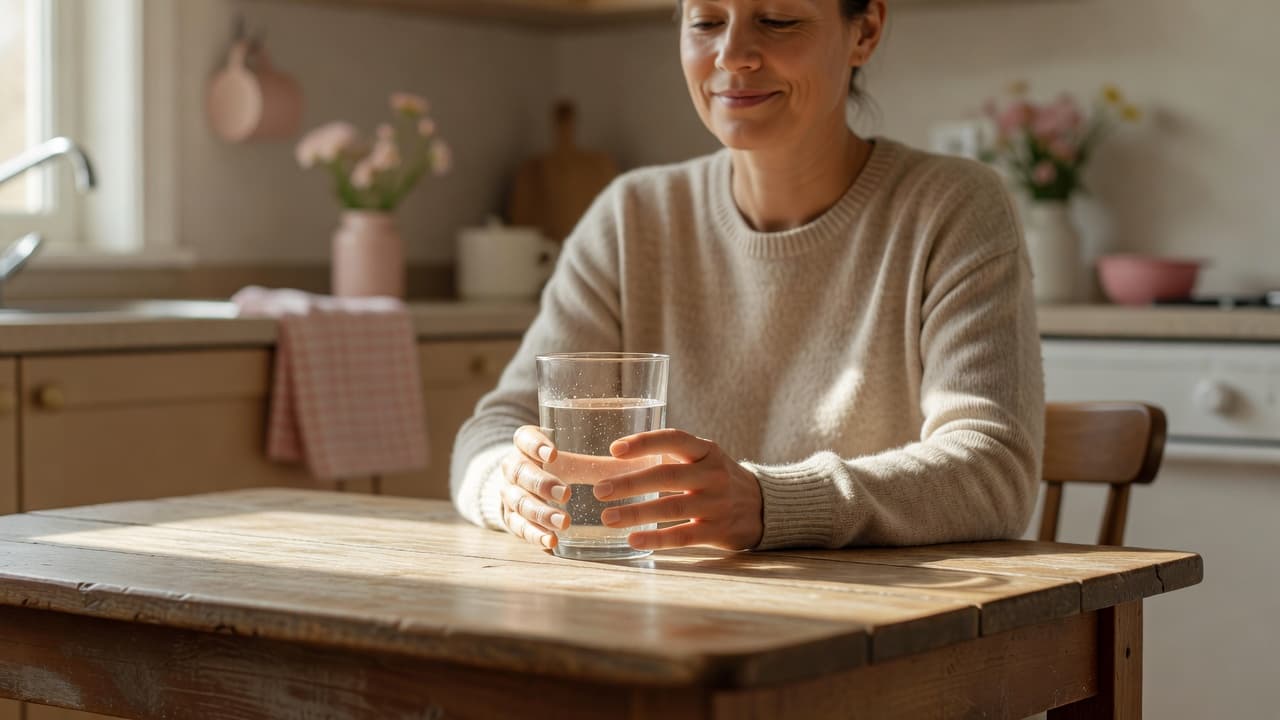
Start with water, then add broth, oral rehydration solutions, or electrolyte drinks when losses are more than mild. The Mayo Clinic’s diarrhea treatment guidance also recommends drinking plenty of liquids and using low-fiber foods as tolerated.
Frequent small sips are often easier than drinking a lot at once. That matters even more if you feel nauseated, because big gulps can trigger more queasiness or vomiting.
A simple pattern helps:
- Take a few sips every few minutes.
- Drink after each loose stool.
- Use oral rehydration solution if stools are frequent or you feel weak.
- Choose broth or electrolyte drinks if plain water does not seem to hold you up.
If a drink makes symptoms worse, slow down and switch to something gentler. Alcohol, caffeine, and very sugary drinks can irritate the gut for some people, so they are better left out for now.
Bland foods that are usually easier on the stomach
When vomiting settles, eating lightly is fine if you feel up to it. Food can help once your stomach is calm, and the goal is to keep meals simple while the gut recovers.
Bland foods that are usually easier to tolerate include:
- Bananas
- Rice
- Applesauce
- Toast
- Potatoes
- Plain noodles
- Crackers
- Plain lean proteins, such as chicken or eggs
The NIDDK diarrhea treatment page also recommends replacing fluids and electrolytes while easing back into food.
Smaller meals often sit better than a full plate. For example, a few crackers, a banana, or a small serving of rice may feel easier than a heavy meal. Greasy, spicy, and high-fiber foods can wait until your stools start to firm up.
How to keep from making symptoms worse
Rest gives your body a chance to recover, especially if diarrhea came with a stomach bug or food poisoning. Short naps, quiet time, and less activity can help when you feel wiped out.
Eating smaller meals also helps because large meals can push a stressed gut too hard. Pay attention to what happens after you eat or drink. If one food clearly makes cramps or urgency worse, stop it for now and try again later.
Handwashing matters, too. Wash with soap and water after using the bathroom and before preparing food, because diarrhea from an infection can spread easily to other people in the home.
A few habits help keep symptoms from snowballing:
- Rest when your body feels weak.
- Eat small, bland meals.
- Watch for signs that fluids are not staying in.
- Wash hands often to reduce germ spread.
If you cannot keep fluids down, feel faint, or notice signs of dehydration, home care is no longer enough.
What to avoid while diarrhea is active
When diarrhea is active, the safest move is to keep things simple. The gut is already irritated, so certain foods, drinks, and medicines can make stools looser or make dehydration more likely. A short break from common triggers can help your body settle sooner.
### Foods and drinks that often make symptoms worse
Some foods are harder to digest when your intestines are moving too fast. Others pull more water into the bowel, which can leave stools even looser.
The NIDDK’s diarrhea nutrition guidance recommends avoiding several common triggers while symptoms are active.
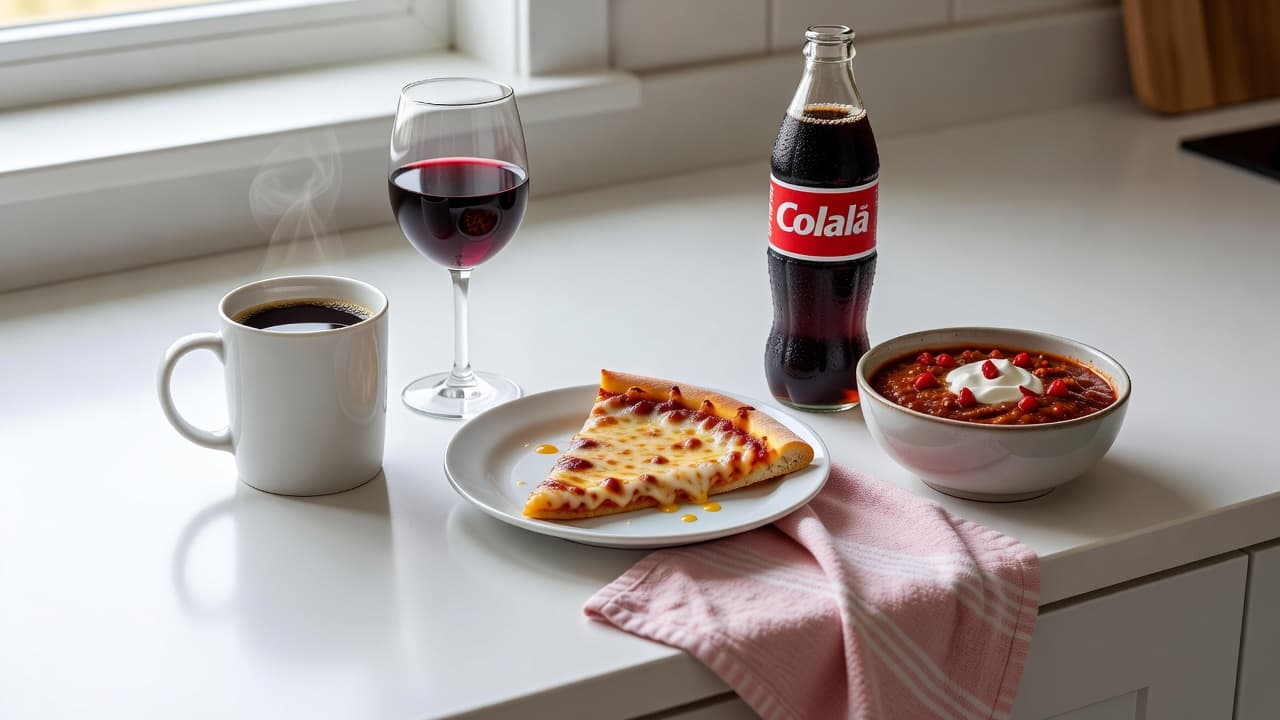
Try to skip or cut back on:
- Caffeine, including coffee, tea, cola, and energy drinks
- Alcohol, which can irritate the stomach and worsen fluid loss
- Very greasy or fried foods, such as fast food, pizza, and heavy takeout
- Very spicy foods, especially if they already upset your stomach
- Large amounts of dairy if lactose seems to trigger your symptoms
- Sugary drinks, including soda and some fruit drinks, because they can sometimes worsen fluid loss
- Sugar-free products with sorbitol, mannitol, or xylitol, which can loosen stools in some people
If dairy usually sits well with you, you may not need to avoid it completely. But when lactose is a problem, milk, ice cream, and rich creamy foods can keep diarrhea going. A short pause from these foods is often enough to calm things down.
Medicines and home remedies to be careful with
Over-the-counter anti-diarrhea medicines can help in some situations, but they are not right for everyone. If you have fever, blood in your stool, or signs of a possible infection, check with a clinician before using them.
That caution matters because diarrhea can be your body’s way of clearing an infection. Slowing the bowel too soon can sometimes make the situation harder to sort out. The MedlinePlus diarrhea instructions also recommend simple care first, like fluids and small meals, unless a clinician tells you otherwise.
Use extra care with:
- Loperamide or similar medicines if you have fever, bloody stools, or severe belly pain
- Multiple home remedies at once, since they can upset the stomach further
- Herbal products or supplements that are not well studied for diarrhea
- Pain relievers that irritate the stomach, especially if you already feel queasy
If diarrhea came on after antibiotics, travel, or a suspected infection, get medical advice before trying to stop it on your own.
Gentle self-care usually works best here. Focus on fluids, electrolytes, and bland foods, then watch how your body responds. If symptoms worsen, last more than a few days, or come with red flags, it is time to call a clinician rather than keep guessing.
When diarrhea needs a doctor, and when it is an emergency
Most diarrhea clears on its own with fluids, rest, and time. Still, some symptoms mean you should stop watching and start calling. The big clues are how long it lasts, how sick you feel, and whether you have red-flag symptoms like blood, dehydration, or severe pain.
### Call a doctor if diarrhea lasts too long or keeps coming back
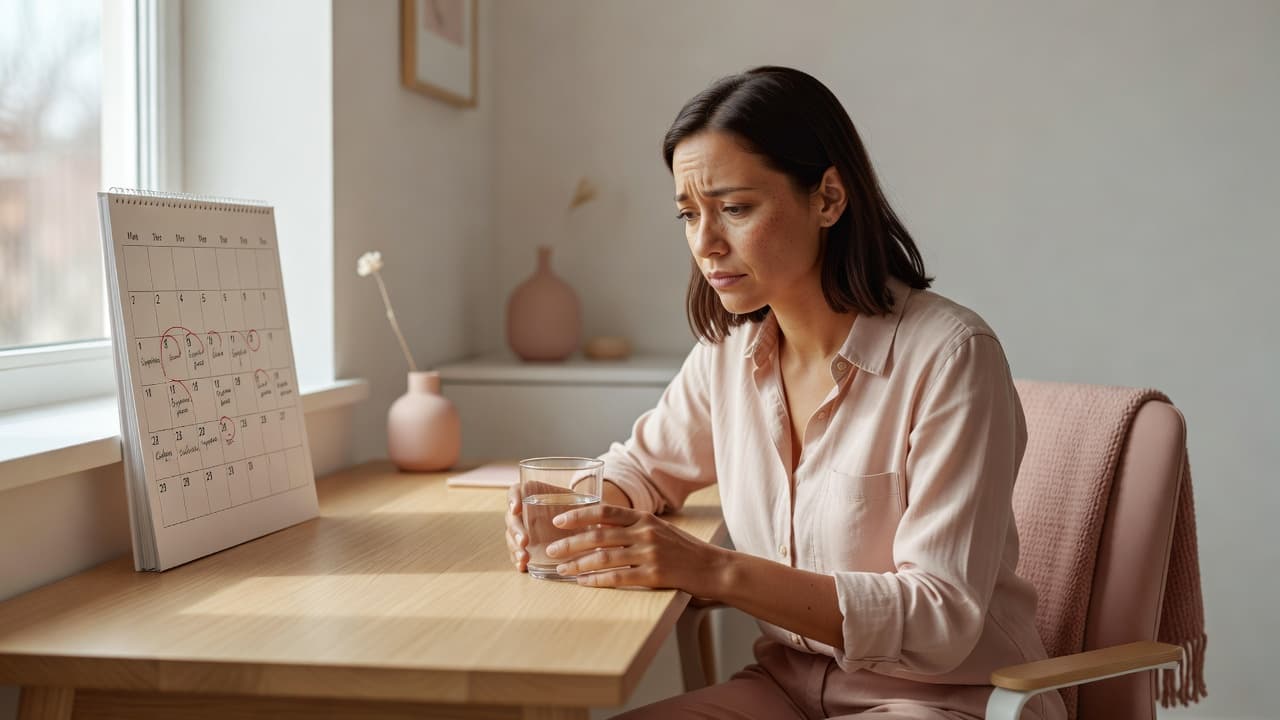
Adults should get checked if diarrhea lasts more than 2 days without improvement. Children need care sooner, often after about 24 hours, or sooner if they seem unwell. The Mayo Clinic’s guidance on diarrhea gives the same basic rule: persistent diarrhea deserves a closer look.
Repeated episodes matter too. If diarrhea keeps returning, wakes you from sleep, or keeps interrupting work, school, meals, or travel, it should not be brushed off. Ongoing symptoms can point to an infection that has not cleared, a food trigger, a medicine side effect, or a digestive condition that needs treatment.
Get medical advice sooner if there is blood, black stool, or a high fever
Blood or pus in the stool is a warning sign. So is black, tarry stool, which can point to bleeding higher up in the digestive tract. Severe belly pain, rectal pain, or a fever over 102°F also raise concern.
These symptoms can happen with infections or other more serious problems, so they need medical advice sooner rather than later. The NIDDK notes that diarrhea can become dangerous when it causes severe dehydration or signals another illness.
Seek urgent help for severe dehydration or other red flags
Go to urgent care or the emergency room right away if diarrhea comes with signs of severe dehydration or shock. Watch for very little or no urine, fainting, confusion, extreme weakness, or trouble staying awake. If you cannot keep fluids down because of repeated vomiting, that also needs prompt care.
Other urgent warning signs include:
- A fast or weak pulse
- Cold, clammy skin
- Sunken eyes
- Severe dizziness when standing
- A child who is hard to wake or will not drink
The threshold for care should be even lower after recent travel, recent antibiotic use, pregnancy, or if you have a weak immune system. In those situations, diarrhea can turn serious faster, and waiting at home can delay the care you need.
How to lower your risk of diarrhea in the future
The best prevention is steady, simple habits. Most future diarrhea cases can be avoided by reducing exposure to germs, handling food safely, and paying attention to what your body tolerates.
### Simple habits that reduce the chance of infection
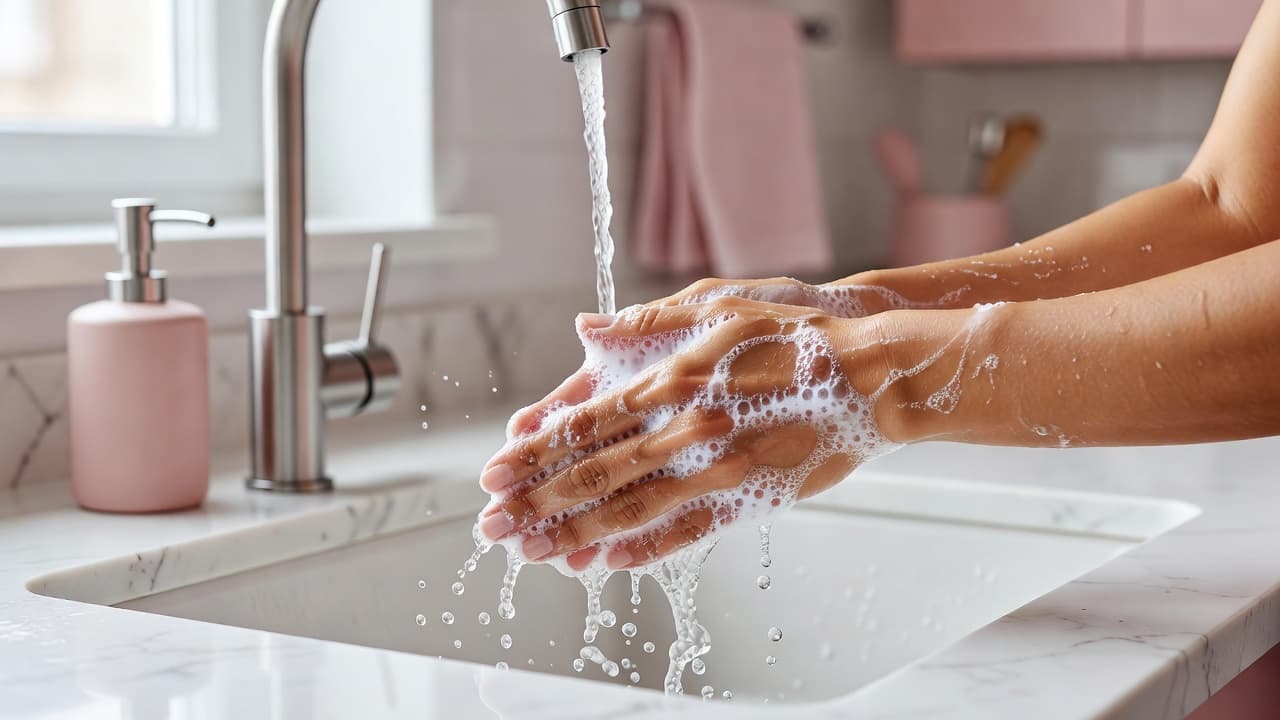
Good hygiene goes a long way. Wash your hands with soap and water for at least 20 seconds before eating, before cooking, after using the bathroom, and after changing diapers or handling raw meat, eggs, or seafood. Hand sanitizer helps when soap is not available, but it does not replace a proper wash.
Food safety matters just as much. The FDA’s safe food handling guidance recommends keeping raw and ready-to-eat foods apart, which helps stop germs from spreading in the kitchen. Use separate cutting boards if you can, and clean knives, counters, and sinks after raw food touches them.
A few habits make a real difference:
- Wash fruits and vegetables under running water.
- Cook meat, poultry, seafood, and eggs all the way through.
- Refrigerate leftovers promptly.
- Throw away food left out too long.
- Avoid raw or undercooked foods when food safety is uncertain.
Cross-contamination is easy to miss. A cutting board that touched raw chicken can spread bacteria to bread, salad, or fruit if you use it again without cleaning it well. Keep raw foods contained, and make sure cooked foods never touch the same surfaces.
How to be smarter about medicines and sensitive foods
If diarrhea keeps showing up, start keeping a simple record of what you ate and what medicines you took. Patterns often show up fast. A food diary can help you spot trouble with dairy, sugar alcohols, greasy meals, coffee, or spicy foods.
Medicines matter too. Antibiotics, magnesium supplements, and some other drugs can loosen stools. If a medicine seems linked to diarrhea, talk with a clinician before stopping it on your own. The dose may need adjusting, or a different option may fit better.
When symptoms come back after the same food, that food may be a trigger for you, even if it does not bother other people. Keep track of what happens after meals, then bring those notes to your next appointment. That makes the cause easier to sort out and helps you avoid the same problem again.
If diarrhea is linked to travel, a new medicine, pregnancy, or repeated episodes in a child or older adult, get medical advice sooner. Prevention helps, but recurring diarrhea should still be checked when the pattern is unclear or symptoms are getting worse.
Conclusion
Most short-term diarrhea gets better with fluids, electrolytes, rest, and gentle foods. That simple care helps the gut recover and lowers the chance of dehydration.
What matters most is watching for warning signs. Blood in the stool, black stools, high fever, severe belly pain, confusion, fainting, very little urine, or trouble keeping fluids down need medical care. The same is true when diarrhea lasts, keeps coming back, or follows recent travel, antibiotic use, pregnancy, or illness in a child or older adult.
Stay focused on hydration first, then watch the pattern. If symptoms are severe, unusual, or not improving, get checked by a clinician.