


Staying youthful isn’t about finding one magic food. It’s about what lands on your plate, and in your glass, most days of the week. In 2026, large diet research kept pointing in the same direction: people who eat more fiber-rich plant foods tend to live longer and age better, while sugary drinks push the other way.
That doesn’t mean your meals need to be fancy. Simple staples often do the most work. If you want a low-cost place to start, this guide to starting an anti-inflammatory diet affordably makes the basics feel doable. Here are five proven picks that support healthy aging without the hype.
The 5 longevity foods that earn a spot on your plate
These foods help most when they work together. Think of them less like heroes and more like a strong team.
Whole grains help protect your heart, gut, and energy
Oats, brown rice, barley, and whole wheat bring fiber, and that matters more than most people realize. Fiber feeds helpful gut bacteria, helps you feel full, and slows how fast sugar enters your blood. As a result, your energy stays steadier and your heart gets support, too.
Large diet research has linked eating patterns rich in whole grains and other high-fiber foods with longer life, as explained in Scientific American’s report on five healthy diets.
An easy start is oatmeal instead of sugary cereal. You can also swap white rice for brown rice a few times a week.
Berries and other fruits help your cells handle daily wear and tear
Berries get a lot of attention, and for good reason. Blueberries, strawberries, raspberries, and blackberries contain plant compounds that help your cells deal with everyday stress, kind of like a rust guard for the body. That’s what people mean when they talk about antioxidants in plain terms.
Still, you don’t need to live on berries alone. Apples, oranges, and grapes are smart picks, too. They bring fiber, water, and vitamins, which support healthy aging and lower disease risk over time. Frozen fruit works just as well in many meals, and it often costs less.
Leafy greens and colorful vegetables feed your body what it needs to age well
Spinach, kale, broccoli, carrots, peppers, and other colorful vegetables pack a lot into a small space. They give you vitamins, minerals, and plant compounds that support your eyes, immune system, blood vessels, and brain.
Color is a simple guide here. Dark greens bring folate and vitamin K. Orange vegetables often bring carotenoids, which help eye health. Broccoli adds fiber and helpful sulfur compounds. So, instead of chasing one “best” vegetable, eat a range of colors across the week.
Beans, lentils, nuts, and seeds are small foods with big staying power
Beans, lentils, nuts, and seeds don’t look flashy, but they age well on the plate and in the body. They give you fiber, minerals, and plant protein. Because of that mix, they help with fullness, cholesterol, blood sugar control, and muscle support.
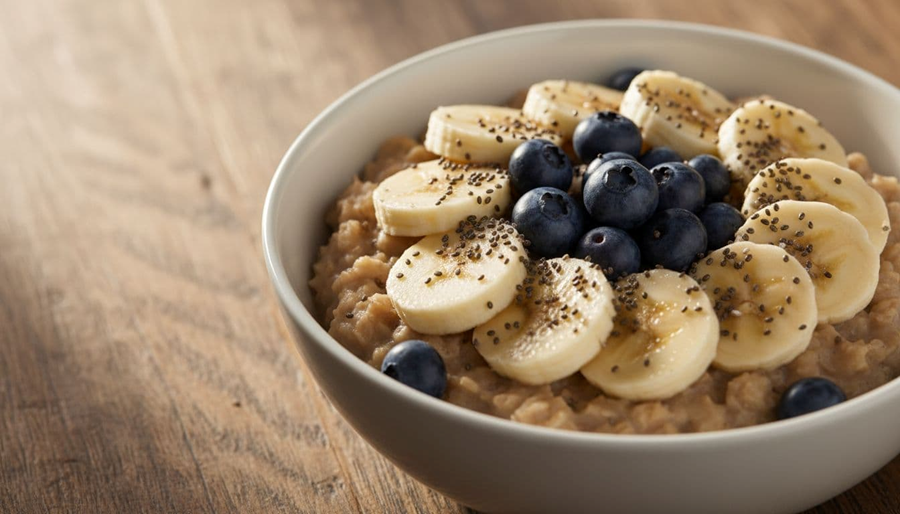
This group is also beginner-friendly. Add black beans to soup, toss lentils into pasta sauce, or stir chia seeds into oatmeal. A handful of walnuts or pumpkin seeds can turn a plain snack into something that actually satisfies. A 2026 review on diet in centenarians found that long-lived populations often eat simple, plant-heavy foods like these on a regular basis.
Cutting back on sugary drinks may help as much as adding healthy foods
This last pick isn’t really a food. It’s a swap, and it’s powerful. Sugar-sweetened drinks were among the worst choices in recent longevity research. Soda, sweet tea, energy drinks, and many bottled coffee drinks flood the body with sugar but offer little in return.
The good news is that this change can be simple. Water works. Unsweetened tea works. Sparkling water with lemon works. If plain water feels boring, chill it, add fruit slices, or use a splash of citrus. The goal isn’t shame. It’s making the easy choice a smarter one.
How to build simple meals around these foods without overthinking it
A healthy plate doesn’t need a math problem attached to it. Most of the time, a simple formula is enough.
Use the half plate rule, then add fiber and color
Start with half your plate as vegetables or fruit. Then fill one quarter with whole grains, and the last quarter with beans or another protein. After that, add nuts or seeds where they fit.
This is why many Easy Anti-Inflammatory Meals for Beginners look so simple. Oatmeal with berries and chia works because it checks several boxes at once. So does a grain bowl with brown rice, greens, chickpeas, and pumpkin seeds. Even a snack can follow the idea, like an apple with almonds.
Start with one food swap a day so the habit sticks
Tiny changes beat a full reset you’ll quit by Thursday. Try oatmeal instead of sugary cereal. Pick fruit instead of dessert a few nights a week. Swap soda for water at lunch.
You can also build around repeat meals. Keep frozen berries, canned beans, oats, greens, and brown rice in the house. Then mix them in different ways. That saves money, cuts waste, and makes healthy eating feel normal instead of hard.
What these longevity foods can and cannot do
No food can stop aging. No berry, bean, or bowl of oats can freeze time. Still, a steady eating pattern built around whole grains, fruit, vegetables, legumes, nuts, seeds, and lower-sugar drinks can support better energy, healthier skin, heart health, and a lower risk of chronic disease over the years.
That’s the real promise, better odds, not perfection. A large 2026 analysis covered in Newsweek’s report on five life-extending diets also suggested diet can add years even when genetics aren’t ideal. Sleep, movement, stress control, and not smoking matter just as much. Food is a strong pillar, but it isn’t the whole house.
Conclusion
If you want to eat for a longer, healthier life, keep it simple. Build meals around whole grains, fruit, vegetables, beans and seeds, and choose lower-sugar drinks more often. Those daily choices won’t make you younger overnight, but they can help you age better over time. In the end, the best longevity diet isn’t perfect, it’s repeatable.
