


Healthy eating can feel pricey, but it doesn’t have to. An anti-inflammatory diet is simply a way of eating that leans on everyday foods like beans, oats, frozen vegetables, berries, olive oil, eggs, and canned fish, while cutting back on heavily processed foods.
That means you don’t need a supplement shelf or a cart full of specialty snacks. You need a practical plan. This guide shows how to start small, save money, waste less food, and build habits that last. If you’ve been looking for Easy Anti-Inflammatory Meals for Beginners, start here, with simple groceries and realistic steps.
Start with cheap anti-inflammatory foods that do the most work
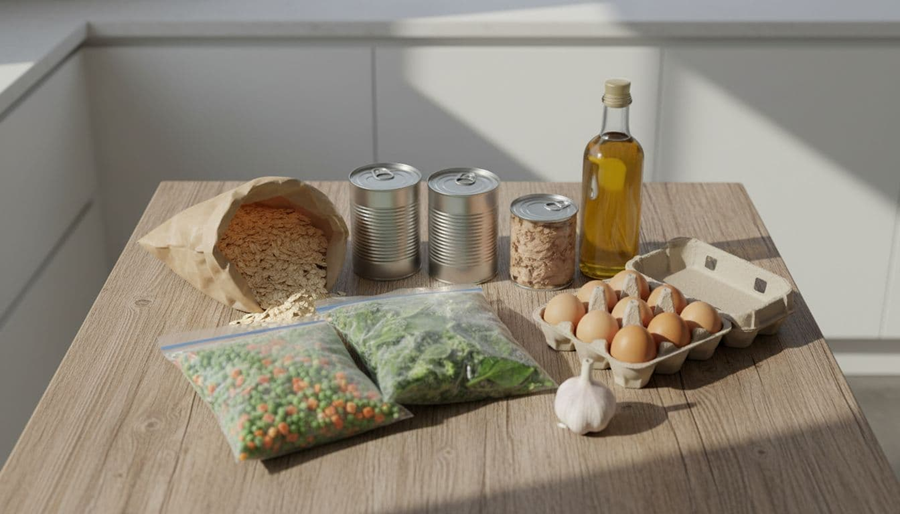
You don’t need powders, juice shots, or expensive “superfoods.” Budget staples can do plenty. Beans and lentils bring fiber and plant protein. Oats and brown rice keep meals filling. Frozen vegetables and berries add color, vitamins, and less waste. Eggs and canned tuna or salmon give you low-cost protein, and olive oil is an easy swap for less healthy fats.
These foods help because they support steadier blood sugar, better digestion, and a lower intake of ultra-processed ingredients. Over time, that pattern can help your body stay calmer. It also supports overall wellness, since healthy blood flow reduces inflammation and helps carry nutrients where they’re needed.
Build your first shopping list around pantry, freezer, and fridge basics
Think in building blocks, not a giant list. A beginner week can start with:
- Pantry: oats, brown rice, canned beans, canned tuna or salmon, garlic, turmeric
- Freezer: spinach, broccoli, mixed vegetables, frozen berries
- Fridge: eggs, plain Greek yogurt, olive oil, one or two fruits
Store brands usually work just fine. Frozen produce is often cheaper than fresh, and it lasts longer. Canned goods help on busy nights, too. For more ideas on what belongs in a simple cart, Northwell’s anti-inflammatory grocery guide offers a helpful overview.
Know which expensive foods you can skip at the start
This is where many budgets break. Skip the trendy extras for now, such as greens powders, wellness shots, organic-only swaps, pricey snack bars, and niche grain bowls that cost more than a full dinner.
Consistency beats premium products every time.
If your cart has oats, beans, eggs, frozen vegetables, fruit, and olive oil, you’re already on solid ground.
Use a simple budget plan so healthy meals actually stick
A full food makeover sounds good on Sunday and falls apart by Wednesday. A simple system works better. Plan a few meals, buy what you’ll actually use, and repeat ingredients across the week.
That matters even more in 2026. Grocery prices are still uneven in the US. Eggs have cooled from earlier spikes, but produce and grain categories are still inching up. So, the win isn’t finding perfect prices. It’s avoiding waste and making your groceries stretch.
Try the 3 by 3 method for low-cost meal planning
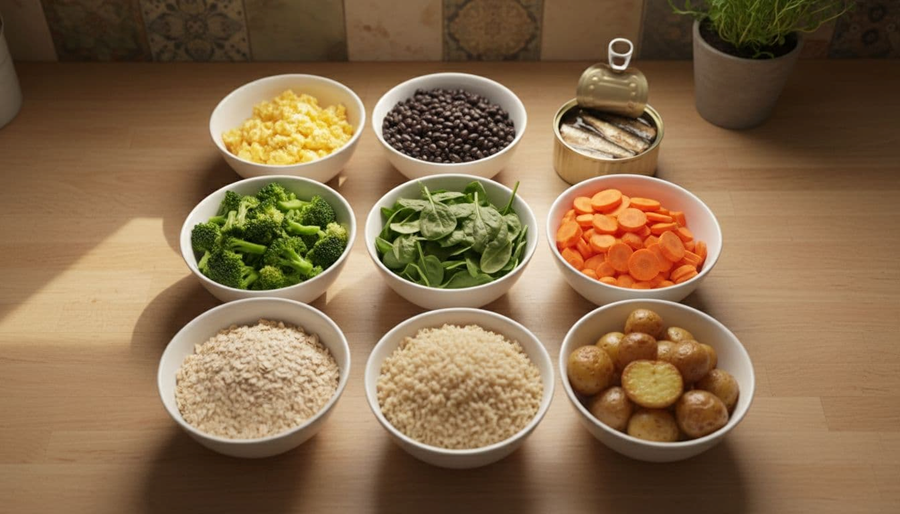
Pick 3 proteins, 3 vegetables, and 3 carbs for the week. Then mix them into easy meals.
For example, choose eggs, beans, and canned fish. Add broccoli, spinach, and carrots. Then use oats, rice, and potatoes. That small grid can turn into breakfast bowls, tacos, rice bowls, soups, and simple dinners without extra shopping.
Because the ingredients overlap, you throw away less. You also stop standing in the kitchen like it’s a quiz show.
Shop smarter with frozen foods, sales, and store brands
Frozen berries often cost less than fresh and work just as well in oatmeal or yogurt. Dry beans are cheapest when you have time, while canned beans win on convenience. Both can fit a tight budget.
Also, check weekly sales, compare unit prices, and don’t assume the biggest package is the best buy. Store brands are often nearly identical to name brands for basics like oats, rice, beans, and frozen vegetables. If you want a quick breakdown of smart staple picks, EatingWell’s budget-friendly anti-inflammatory foods highlights several low-cost options.
Make easy anti-inflammatory meals for beginners with what you already bought
Now comes the part that matters most, turning groceries into repeatable meals. The goal isn’t restaurant food. It’s a short list of meals you can make when you’re tired, busy, or watching every dollar.
4 budget-friendly meal ideas you can rotate all week
These meals keep prep simple and ingredients familiar:
- Oatmeal with frozen berries and walnuts: Cheap, filling, and easy to make in minutes.
- Rice bowls with beans and vegetables: Add olive oil, garlic, and a squeeze of lemon if you have it.
- Egg and spinach breakfast tacos: Fast, protein-rich, and great for breakfast or dinner.
- Baked potatoes with Greek yogurt and broccoli: Comfort food that still fits the plan.
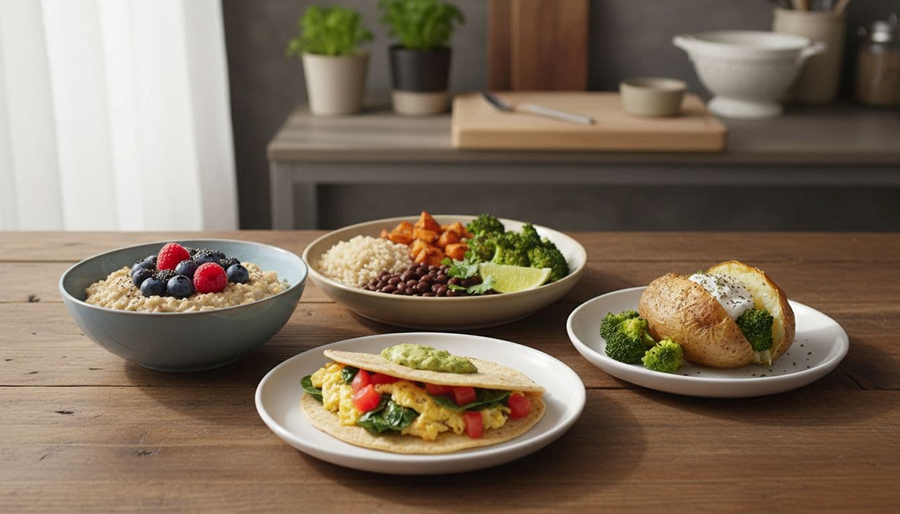
This is where Easy Anti-Inflammatory Meals for Beginners really pays off. You don’t need endless recipes. You need a few that feel almost automatic. If you want extra inspiration, this beginner anti-inflammatory meal plan can help you build from there.
Simple swaps that lower inflammation without raising your grocery bill
Small swaps add up fast. Choose oatmeal over sugary cereal. Use olive oil in place of butter for many meals. Swap beans in for processed meat a few nights a week. Buy plain yogurt instead of flavored cups, then add fruit yourself. Keep frozen fruit around instead of pricey packaged desserts.
None of that is flashy. That’s the point. These changes are steady, affordable, and easy to repeat.
Conclusion
Starting an anti-inflammatory diet on a budget isn’t about a perfect pantry or expensive food rules. It’s about a few smart staples, one realistic shopping trip, and two or three meals you can make again next week. Begin small, keep it simple, and let routine do the heavy lifting. In the end, cheap and consistent beats ambitious and short-lived every time.
