


Standing at the Costco food court, it’s easy to wonder: can you eat Costco pizza and still lose weight, or is it an automatic setback?
For a deeper background on slice size and why the numbers can surprise people, see this Costco food court pizza breakdown.
Here’s the truth: weight loss comes from a calorie deficit over time, not from labeling foods “good” or “bad.” That said, Costco slices are famously huge, which makes them calorie-dense in a hurry. The surprise is that they also bring a solid amount of protein, which can help with fullness.
Below is a clear breakdown of the calories and macros, why one slice often turns into two, and how to enjoy it sometimes without wiping out your weekly progress.
What a Costco pizza slice does to your daily calorie budget
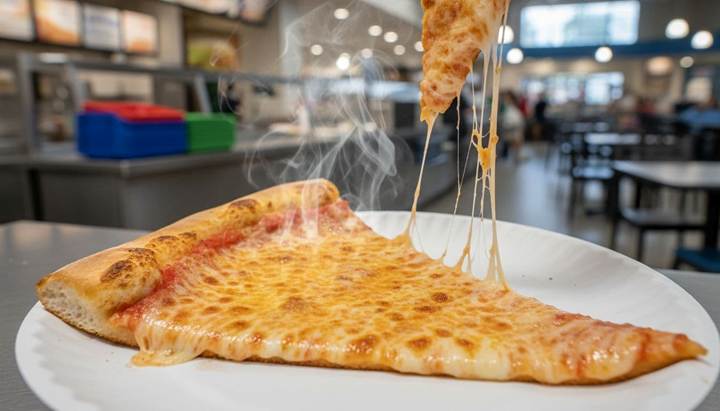
A lot of adults aiming for weight loss land somewhere around 1,400 to 2,000 calories per day, depending on body size and activity. Some men may sit higher, and some smaller women sit lower. Either way, that range helps you see the problem quickly.
One Costco slice can take up a big chunk of your day’s calories before you’ve had much fiber, fruits, or vegetables. It’s like spending half your paycheck on one item, you can do it, but the rest of the week gets tight.
Calories, carbs, fat, protein, and sodium, the numbers that matter
Nutrition can vary by location and slice size, but March 2026 US ranges commonly reported look like this:
| Slice (food court) | Calories | Carbs | Fat | Protein | Sodium |
| Cheese (1 slice) | ~700 to 760 | ~70 to 75g | ~24 to 28g | ~34 to 44g | ~1,370 to 1,570mg |
| Pepperoni (1 slice) | ~620 to 710 | ~68 to 77g | ~24 to 28g | ~33 to 34g | ~1,290 to ~1,770mg |
If you want a reference point for the cheese slice numbers, see the listing on SnapCalorie’s Costco cheese pizza nutrition page. For pepperoni, SnapCalorie also provides serving-size variations on its Costco pepperoni slice nutrition page.
What do those numbers mean in plain English?
- Calories are high because the slice is large and loaded with cheese and crust.
- Carbs are mostly refined (white flour crust), which many people burn through fast.
- Fat is significant, and fat plus refined carbs can be extra easy to overeat.
- Protein is the bright spot: roughly 33 to 44g per slice is nothing to shrug off.
- Sodium is heavy, often around half of a day’s recommended limit for many people.
Think of one slice as a full meal, not a snack you tack onto lunch.
Why it feels like “one slice turns into two”
Costco pizza is a classic example of calorie density. You can eat a lot of calories without feeling like you ate a lot of food. The slice is big, it tastes great, and it goes down fast. By the time your brain catches up, you’re already thinking about another.
There’s also the combo effect: fat + refined carbs can crank up “keep eating” signals, especially if you’re hungry and rushed.
Finally, the sodium can mess with your motivation. After a salty meal, your body holds extra water. The scale may jump the next day even if you stayed in a deficit.
A higher weigh-in after pizza is often water weight, not instant fat gain.
Quick takeaway: for most people trying to lose weight, one slice is a big chunk of the day’s calories, and two slices can crowd out the rest of your plan.
So, is Costco pizza good for weight loss, or just possible to fit in?
Costco pizza isn’t a “weight loss food.” It’s low in fiber, high in calories, and easy to overeat. Still, it can fit sometimes if you treat it like a planned choice, not a food court accident.
A simple way to decide is the three-part check:
- Frequency: Is this a once-in-a-while meal, or a weekly habit?
- Portion: Are you sticking to one slice, or drifting into two?
- The rest of the day: Are you balancing it with lighter, protein-forward meals?
If you’re consistent most days, an occasional slice won’t ruin anything. In contrast, pizza runs that become a routine can quietly erase a weekly calorie deficit.
For more general strategies on keeping pizza in your diet while losing weight, Lose It’s tips for eating pizza while trying to lose weight align with the same core idea: plan the portion and build the day around it.
When it can work: you plan for one slice and build the day around it
This is the “budget it like rent” method. You decide the slice is your main meal, then you keep the rest of the day simple.
A few realistic scenarios:
- Main-meal approach: You eat one slice for lunch, then have a light dinner like chicken, veggies, and fruit.
- Split-and-bulk approach: You split one slice with a friend and add a big salad you brought from home.
- Active-day approach: You’re walking a lot, training, or working a physical job, and you track the slice honestly.
Protein helps here. Getting 33 to 44g can keep you from grazing later. Still, protein doesn’t cancel calories. It just makes the choice easier to live with.
When it is likely to slow you down: low calorie targets, low sodium needs, or frequent pizza runs
Some people have less wiggle room. If your target is 1,400 to 1,600 calories, a 700+ calorie slice can take up half your day. That makes it harder to get enough produce and fiber without going over.
You’ll also want to be careful if you’re:
- Trying to stay lower-carb
- Watching blood pressure, swelling, or sodium sensitivity
- Someone who tends to snack after salty meals
Two slices can land around 1,300 to 1,500+ calories fast, depending on type and size. At that point, you can wipe out several days of progress in one sitting.
How to order and eat Costco pizza in a more weight loss friendly way
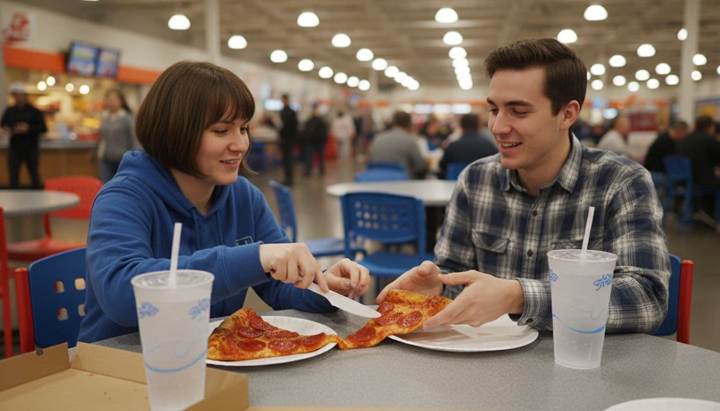
You don’t need a complicated system. You need a plan you’ll follow when you’re hungry, surrounded by snacks, and the slice looks like a comfort blanket on a plate.
Portion strategies that actually work at the food court
Use a quick “before you order” flow:
- Decide the portion first: one slice, or half a slice if you’re not that hungry.
- Make pizza the meal: don’t treat it like a bonus after shopping.
- Skip the sugary drink: soda plus pizza is an easy calorie spike with low fullness.
- Slow down: put the slice down between bites and drink water.
- Track it as-is: don’t “best guess” a smaller number to feel better.
If you have the willpower, saving half for later works. Many people don’t, and that’s normal. In that case, sharing is the cleaner move.
Balance the rest of the day so you still hit your goals
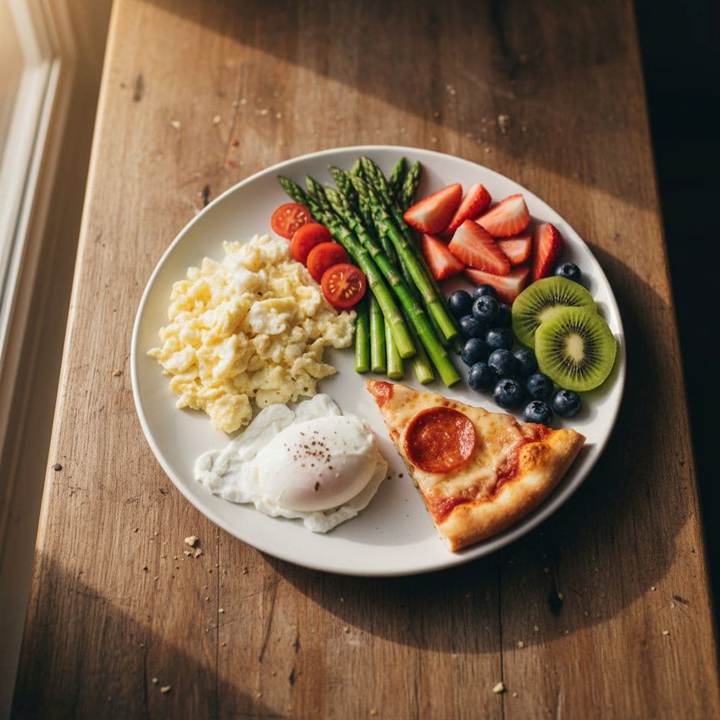
If you know pizza is coming, keep the rest of the day “high-volume, lower-calorie.” That usually means more lean protein and produce.
Simple examples that pair well with a slice day:
- Breakfast: Greek yogurt and berries, or eggs with veggies
- Another meal: lean meat or tofu, a big salad, and a piece of fruit
- After eating: a 10 to 20-minute walk can reduce that heavy, sleepy feeling
Aim to include protein at each meal and add at least one fiber-rich food (fruit, veggies, beans, or whole grains) earlier in the day. Fullness is your best defense against the “I’ll just grab something else” spiral.
Consistency matters most. One pizza day doesn’t decide your results, but repeated unplanned pizza days often do.
Conclusion
Costco pizza isn’t ideal for weight loss, but it can fit occasionally if you plan it. The biggest issues are the huge slice size, high calories, and high sodium. The main advantage is the surprisingly high protein per slice.
If you want it, choose one slice, track it honestly, and build the rest of the day around lighter meals. If you want faster results, keep pizza as an occasional choice and stick with lower-calorie, higher-fiber meals most of the time.
