



Turning 50 marks a pivotal moment in your health journey. While the candles on your birthday cake increase, your energy levels don’t have to decrease. The secret to maintaining vitality, fighting off illness, and adding quality years to your life lies in what you put on your plate. As we explored in our comprehensive guide to Healthy Aging After 50: Evidence-Based Strategies for Longevity, Strength, and Independence, nutrition stands as one of the most powerful tools you control for shaping how you age.
Your body after 50 is different from your body at 30 or 40. Your metabolism has shifted, your nutritional needs have changed, and your body processes food differently. But here’s the empowering truth: by adjusting how you eat, you can boost your energy levels, strengthen your immune system, and set yourself up for decades of vibrant health ahead.
This guide will show you exactly how to eat after 50 to maximize energy, build robust immunity, and support longevity. You’ll discover practical, evidence-based strategies you can implement starting with your very next meal.
Why Your Eating Needs Change After 50
Your Metabolism Isn’t What It Used to Be
You’ve probably noticed that the eating habits that kept you lean and energetic in your younger years don’t work the same way anymore. This isn’t your imagination. Your basal metabolic rate—the calories your body burns at rest—naturally declines with age. Much of this decline stems from loss of muscle mass, which burns more calories than fat tissue even when you’re sitting still.
This metabolic slowdown doesn’t mean you’re destined to gain weight or feel sluggish. It simply means you need to be more strategic about what you eat. Every calorie needs to work harder for you, providing maximum nutrition rather than empty energy.
Your Digestion Changes Too
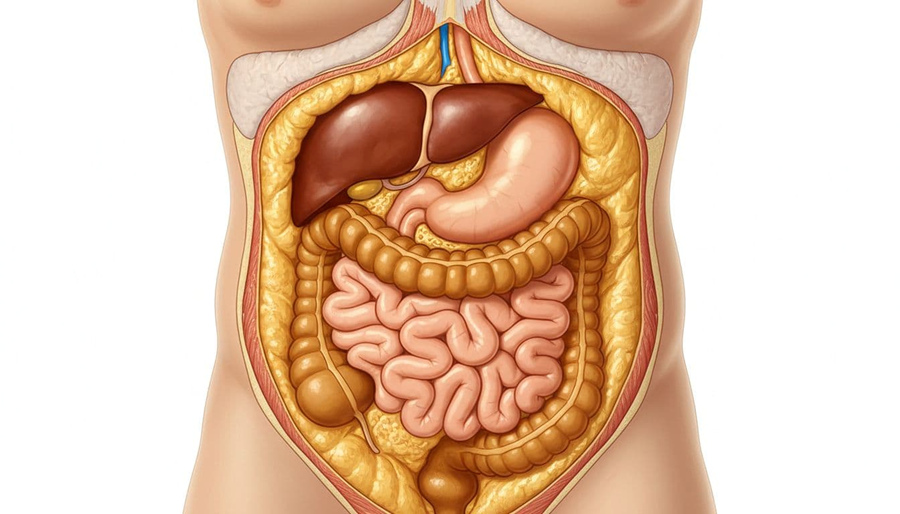
Your digestive system undergoes significant changes after 50. Your stomach produces less acid, which sounds minor but has major implications. Reduced stomach acid impairs your ability to absorb crucial nutrients like vitamin B12, iron, calcium, and magnesium. Your gut bacteria composition shifts, affecting everything from immune function to mood. You may also produce less saliva and digestive enzymes, making it harder to break down certain foods.
These changes mean that simply eating healthy foods isn’t always enough. You need to focus on foods your body can actually absorb and utilize efficiently.
Your Nutrient Needs Actually Increase
Here’s the paradox of aging: while you need fewer total calories, you often need more of certain nutrients. Your protein requirements increase to fight muscle loss. Your calcium and vitamin D needs rise to protect your bones. Your B vitamin requirements go up to support energy production and brain health. This creates a challenge—you must pack more nutrition into fewer calories.
Eating for Maximum Energy After 50
Start Your Day with Protein
If you’re tired of feeling tired, your breakfast could be the culprit. Many people over 50 start their day with toast, cereal, or pastries—foods that spike blood sugar quickly, then send it crashing a few hours later, leaving you exhausted and craving more carbs.
The solution? Make protein the star of your breakfast. Aim for 25 to 30 grams of high-quality protein in your morning meal. This could look like three eggs with vegetables, Greek yogurt with nuts and berries, or a protein smoothie with protein powder, fruit, and nut butter.
Protein at breakfast stabilizes blood sugar, keeps you full longer, supports muscle maintenance, and provides sustained energy throughout the morning. Studies show that people who eat protein-rich breakfasts have better energy levels, cognitive performance, and appetite control compared to those who eat carb-heavy breakfasts.
The Power of Balanced Meals
Energy crashes often result from blood sugar rollercoasters. When you eat meals heavy in refined carbohydrates without adequate protein and fat, your blood sugar spikes rapidly, triggering a surge of insulin. This insulin drives glucose into your cells quickly, often overshooting and leaving your blood sugar lower than before you ate, causing fatigue, brain fog, and cravings.
The solution is building balanced meals that combine all three macronutrients: protein, healthy fats, and quality carbohydrates. This combination slows digestion and provides steady energy release over several hours.
A balanced plate for someone over 50 might include a palm-sized portion of protein like fish or chicken, a generous serving of colorful vegetables, a portion of complex carbohydrates like sweet potato or quinoa, and healthy fats from olive oil, avocado, or nuts. This combination provides sustained energy without the crashes.
Eat Every 3 to 4 Hours
Long gaps between meals can leave you dragging. When you go too long without eating, your blood sugar drops, stress hormones rise, and your energy tanks. Eating every three to four hours maintains stable blood sugar and consistent energy.
This doesn’t mean you need six large meals. Instead, plan three moderate meals and one or two small snacks if needed. Good snack options include a small handful of nuts, apple slices with nut butter, carrot sticks with hummus, or hard-boiled eggs. These snacks provide protein and healthy fats to bridge the gap between meals without spiking blood sugar.
Hydration: The Energy Secret Nobody Talks About
Dehydration is one of the most common yet overlooked causes of fatigue in older adults. Even mild dehydration can cause tiredness, difficulty concentrating, headaches, and reduced physical performance. The problem? Your sense of thirst diminishes with age, so you can be dehydrated without feeling thirsty.
Make hydration a habit rather than relying on thirst. Keep a water bottle visible as a constant reminder. Drink a glass of water when you wake up, with each meal, and between meals. Aim for at least eight glasses daily, more if you’re active or in hot weather. Herbal tea, milk, and water-rich foods like cucumbers and watermelon also contribute to hydration.
Foods That Boost Energy
Certain foods provide particularly powerful energy benefits for people over 50:
Fatty fish like salmon, mackerel, and sardines provide omega-3 fatty acids that reduce inflammation and support cellular energy production. The vitamin D in fatty fish also combats fatigue.
Leafy greens such as spinach, kale, and Swiss chard are rich in iron, magnesium, and B vitamins—all crucial for energy production at the cellular level. They also provide nitrates that improve blood flow and oxygen delivery.
Berries offer antioxidants that protect your mitochondria, the energy powerhouses of your cells, from oxidative damage. Blueberries, in particular, have been shown to improve both physical and mental energy.
Nuts and seeds provide healthy fats, protein, and magnesium. Almonds, walnuts, pumpkin seeds, and chia seeds make excellent energy-sustaining snacks.
Whole grains like oats, quinoa, and brown rice provide complex carbohydrates that release energy slowly, along with B vitamins essential for converting food into energy.
Eating to Supercharge Your Immune System
Why Immunity Matters More After 50
Your immune system naturally weakens with age, a process called immunosenescence. You become more susceptible to infections, recover more slowly from illness, and respond less effectively to vaccines. The good news? Your diet profoundly influences how well your immune system functions.
Protein: Your Immune System’s Building Block
Every antibody, immune cell, and infection-fighting protein in your body is made from the amino acids in dietary protein. Inadequate protein intake directly weakens immune function. Yet many people over 50 don’t eat enough protein, especially if they have reduced appetite or difficulty preparing meals.
You need approximately 1.0 to 1.2 grams of protein per kilogram of body weight daily. For a 150-pound person, that’s roughly 68 to 82 grams daily. Spread this across three meals for optimal utilization—about 25 to 30 grams per meal.
High-quality protein sources that support immunity include chicken, turkey, fish, eggs, Greek yogurt, cottage cheese, lean beef, beans, lentils, and tofu. These foods provide not just protein but also immune-supporting nutrients like zinc, selenium, and iron.
The Gut-Immunity Connection
Approximately 70% of your immune system resides in your gut. The beneficial bacteria living in your digestive tract play crucial roles in immune function, helping distinguish between harmless substances and genuine threats while producing compounds that regulate inflammation.
Supporting your gut microbiome through diet strengthens your entire immune system. Focus on two key strategies:
Eat probiotic foods that contain beneficial bacteria. Yogurt with live cultures, kefir, sauerkraut, kimchi, miso, and kombucha all provide probiotics that colonize your gut and support immune function.
Feed your gut bacteria with prebiotics, special fibers they ferment to produce beneficial compounds. Prebiotic-rich foods include onions, garlic, leeks, asparagus, bananas, oats, apples, and flaxseeds.
Vitamin D: The Immune Superstar
Vitamin D deficiency is epidemic among older adults, yet this nutrient is crucial for immune function. Vitamin D helps activate T-cells that identify and destroy pathogens. Low levels increase susceptibility to respiratory infections, autoimmune conditions, and inflammatory diseases.
Your skin produces vitamin D when exposed to sunlight, but this ability decreases with age. Few foods naturally contain vitamin D—your best bets are fatty fish, egg yolks, and fortified dairy or plant milks. Most people over 50 benefit from taking 1,000 to 2,000 IU of vitamin D3 daily. Ask your doctor to check your levels and recommend an appropriate dose.
Zinc and Selenium: Mineral Immune Boosters
Zinc and selenium are trace minerals with outsized impacts on immunity. Zinc supports the development and function of immune cells and acts as an antioxidant. Deficiency impairs immune response and increases infection risk. Oysters contain more zinc than any other food, but beef, pumpkin seeds, cashews, and chickpeas also provide good amounts.
Selenium activates and regulates various aspects of immunity while protecting cells from damage. Just two Brazil nuts daily provide all the selenium you need. Fish, eggs, and whole grains also contribute selenium.
Anti-Inflammatory Foods That Protect Immunity
Chronic inflammation weakens immune function and contributes to numerous age-related diseases. Anti-inflammatory foods help calm excessive inflammation while supporting appropriate immune responses.
Berries contain anthocyanins and other polyphenols with powerful anti-inflammatory effects. Blueberries, strawberries, raspberries, and blackberries all provide benefits.
Fatty fish deliver omega-3 fatty acids EPA and DHA that reduce inflammatory compounds and support immune cell function. Aim for two servings weekly of salmon, mackerel, sardines, or herring.
Olive oil, especially extra virgin, contains oleocanthal and other compounds that reduce inflammation similarly to ibuprofen. Use it liberally for cooking and salad dressings.
Turmeric contains curcumin, which has potent anti-inflammatory and immune-modulating properties. Add turmeric to soups, stews, and curries, and pair it with black pepper to enhance absorption.
Leafy greens like spinach, kale, and collards provide antioxidants and compounds that reduce inflammation throughout the body.
Foods to Limit for Better Immunity
Just as some foods strengthen immunity, others weaken it:
Excess sugar impairs the ability of white blood cells to fight bacteria. The effect begins within hours of consuming sugar and can last several hours. Limit added sugars from sweets, sugary drinks, and processed foods.
Processed foods high in refined carbohydrates, unhealthy fats, and artificial additives promote inflammation and disrupt gut bacteria balance.
Excessive alcohol suppresses immune function and disrupts gut bacteria. If you drink, limit intake to one drink daily for women and two for men, as recommended by health authorities.
Eating for Longevity: Foods That Help You Live Longer
The Mediterranean Diet Advantage
If there’s one dietary pattern consistently linked to longer, healthier life, it’s the Mediterranean diet. This approach, based on traditional eating patterns of countries bordering the Mediterranean Sea, has been studied extensively and proven to reduce risk of heart disease, stroke, diabetes, cognitive decline, and premature death.
The Mediterranean diet emphasizes vegetables, fruits, whole grains, legumes, nuts, olive oil, and fish. It includes moderate amounts of poultry, eggs, and dairy, with limited red meat and sweets. Wine is consumed in moderation with meals.
The PREDIMED study, one of the largest nutrition trials ever conducted, found that people following a Mediterranean diet supplemented with extra virgin olive oil or nuts had 30% fewer heart attacks, strokes, and cardiovascular deaths compared to those on a low-fat diet.
You don’t need to live in Greece to eat this way. Start by making vegetables the foundation of your meals, using olive oil as your primary fat, eating fish at least twice weekly, snacking on nuts instead of chips or crackers, and enjoying fruit for dessert instead of sweets.
The Power of Plant Foods
The longest-lived populations worldwide share a common trait: they eat predominantly plant-based diets. This doesn’t necessarily mean vegetarian or vegan, but rather that plant foods—vegetables, fruits, whole grains, legumes, nuts, and seeds—form the foundation of their diets.
Plant foods provide fiber, vitamins, minerals, antioxidants, and thousands of beneficial compounds called phytonutrients that protect against disease and aging. They’re also naturally lower in calories, making it easier to maintain a healthy weight without chronic hunger.
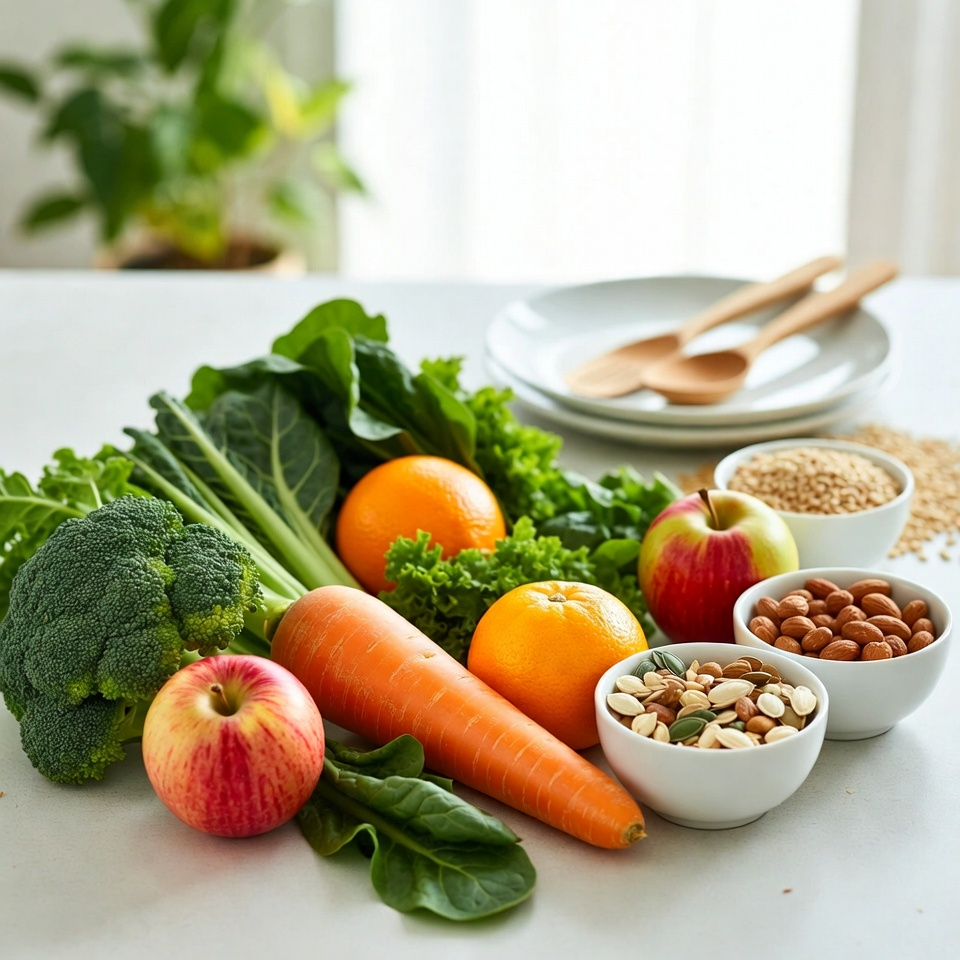
Aim to fill at least half your plate with vegetables at lunch and dinner. Eat fruit as snacks or dessert. Include beans, lentils, or chickpeas in meals several times weekly. Choose whole grains over refined grains. These simple shifts dramatically increase your intake of longevity-supporting compounds.
Colorful Plates for Cellular Protection
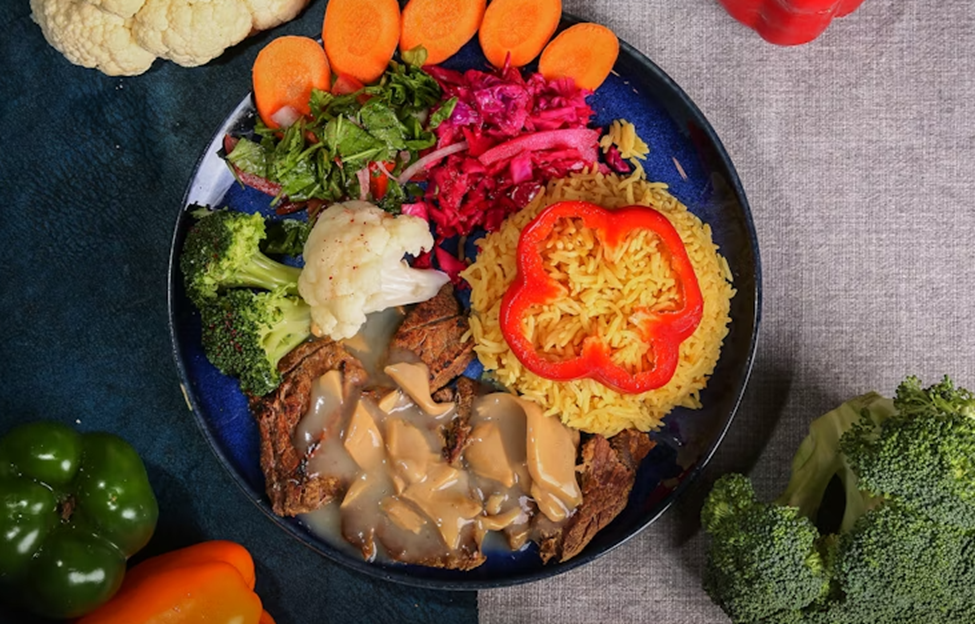
The vibrant colors in fruits and vegetables signal the presence of powerful antioxidants and phytonutrients that protect your cells from damage. Different colors provide different protective compounds, so eating a rainbow of produce ensures diverse benefits.
Red foods like tomatoes, red peppers, and watermelon contain lycopene, which protects against certain cancers and supports heart health.
Orange and yellow foods such as carrots, sweet potatoes, and citrus provide beta-carotene and vitamin C, supporting immune function and protecting against oxidative stress.
Green foods like leafy greens, broccoli, and kiwi offer chlorophyll, lutein, and various compounds that support eye health, bone health, and detoxification.
Blue and purple foods including blueberries, eggplant, and purple cabbage contain anthocyanins that protect brain function and support cardiovascular health.
Challenge yourself to eat fruits or vegetables of at least three different colors daily. This simple practice ensures exposure to a wide spectrum of protective compounds.
Omega-3 Fats for a Longer Life
Omega-3 fatty acids, particularly EPA and DHA found in fatty fish, rank among the most important nutrients for longevity. These essential fats reduce inflammation, protect heart health, support brain function, preserve muscle mass, and may even slow cellular aging at the chromosomal level.
Research shows that people with higher omega-3 blood levels live longer and have lower rates of heart disease, stroke, and cognitive decline. Some studies suggest omega-3s may add years to your life by slowing biological aging processes.
Eat fatty fish like salmon, mackerel, sardines, or herring at least twice weekly. If you don’t eat fish regularly, consider taking a high-quality fish oil or algae-based omega-3 supplement providing at least 1,000 mg combined EPA and DHA daily.
The Protein-Longevity Connection
As discussed in our foundational guide to healthy aging, maintaining muscle mass is crucial for longevity and quality of life. Muscle isn’t just for movement—it’s a metabolic organ that regulates blood sugar, supports immune function, and predicts independence in your later years.
Adequate protein intake is essential for preserving muscle, yet many older adults don’t eat enough. Research increasingly shows that higher protein intake is associated with better health outcomes and longevity in older adults, contrary to outdated concerns about protein harming kidneys in healthy individuals.
Distribute your protein evenly across meals, aiming for 25 to 40 grams per meal. This pattern more effectively supports muscle maintenance than eating most protein at dinner. Include high-quality protein sources at every meal: eggs or yogurt at breakfast, fish or chicken at lunch, and lean meat or legumes at dinner.
Foods to Limit for Longevity
While focusing on beneficial foods is important, limiting certain foods also supports longer, healthier life:
Ultra-processed foods—items with long ingredient lists full of additives, preservatives, and artificial ingredients—are strongly linked to increased disease risk and mortality. These include packaged snacks, sugary cereals, instant noodles, and many frozen meals.
Sugary beverages like sodas, sweetened coffee drinks, and fruit punches provide empty calories and spike blood sugar repeatedly throughout the day, promoting inflammation and metabolic dysfunction.
Processed meats such as bacon, sausage, hot dogs, and deli meats contain preservatives and compounds that increase cancer risk when consumed regularly. Enjoy these occasionally rather than daily.
Trans fats, found in some margarines, baked goods, and fried foods, damage arteries and increase heart disease risk. Check labels and avoid products listing “partially hydrogenated oils.”
Practical Strategies: Making Healthy Eating Easy After 50
Simplify Your Grocery Shopping
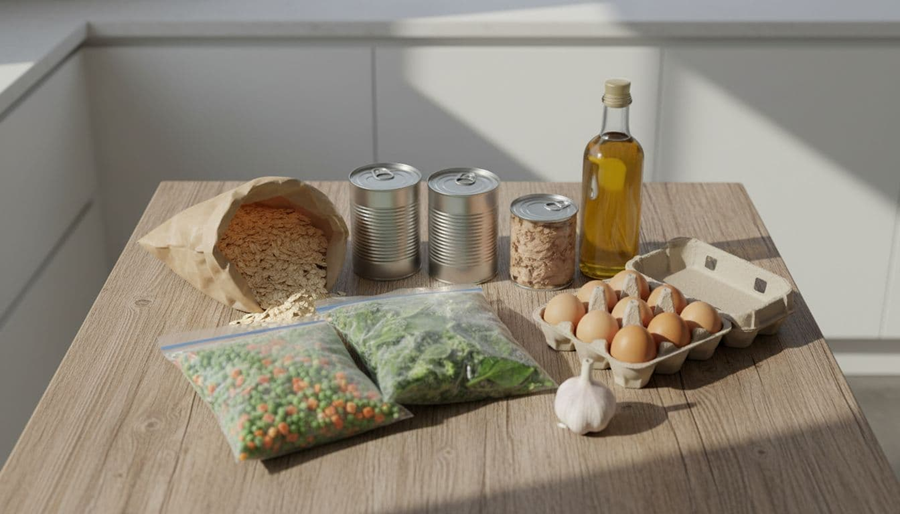
Healthy eating starts at the grocery store. Shop the perimeter where fresh foods live—produce, meat, fish, and dairy. The interior aisles contain mostly processed foods, though you’ll venture there for items like olive oil, whole grains, canned fish, and beans.
Create a master grocery list organized by store section with your regular healthy staples. This makes shopping efficient and ensures you always have nutritious options at home. Stock up on frozen vegetables and fruits—they’re just as nutritious as fresh, often less expensive, and won’t spoil.
Read labels carefully. If a product has more than five ingredients, or ingredients you can’t pronounce, leave it on the shelf. Choose products with minimal added sugar—less than 5 grams per serving ideally.
Meal Prep for Success
You’re more likely to eat healthy when nutritious food is ready to eat. Dedicate a few hours weekly to meal prep:
Cook proteins in bulk. Grill or bake several chicken breasts, prepare a batch of hard-boiled eggs, or cook a pot of beans. Store in individual portions for easy meal assembly.
Prepare vegetables. Wash and chop vegetables for the week. Roast a large pan of mixed vegetables to use in multiple meals.
Cook whole grains. Prepare a big batch of brown rice, quinoa, or farro. Portion and refrigerate or freeze.
Make soups and stews. These one-pot meals are perfect for batch cooking and often taste better the next day. Freeze individual portions for quick, nutritious meals.
Easy, Nutritious Meal Ideas
Healthy eating doesn’t require complicated recipes. Here are simple meal ideas that support energy, immunity, and longevity:
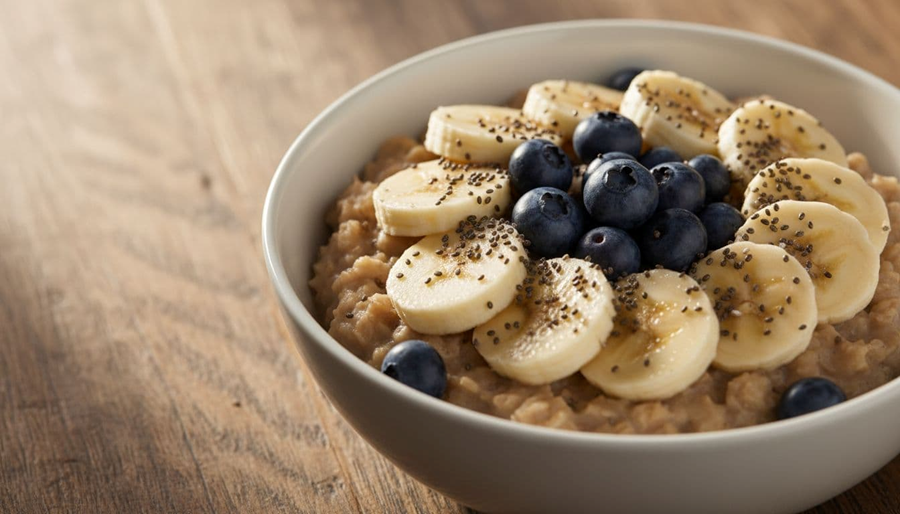
Breakfast: Scrambled eggs with spinach and tomatoes, whole grain toast with avocado; Greek yogurt parfait with berries and nuts; or oatmeal topped with walnuts, banana, and cinnamon.
Lunch: Large salad with mixed greens, chickpeas, vegetables, olive oil dressing, and whole grain crackers; leftover dinner; or vegetable soup with a side of tuna salad on leafy greens.
Dinner: Baked salmon with roasted broccoli and sweet potato; stir-fried chicken with colorful vegetables over brown rice; or turkey chili with beans and a side salad.
Snacks: Apple slices with almond butter, carrot sticks with hummus, a small handful of mixed nuts, or Greek yogurt with berries.
Eating Out Without Derailing Your Health
Restaurant meals don’t have to sabotage your healthy eating. Follow these strategies:
Review the menu beforehand and decide what to order before arriving. This prevents impulsive choices when hungry.
Start with a salad or broth-based soup to take the edge off hunger.
Choose grilled, baked, or roasted proteins over fried options.
Request vegetables instead of fries or chips as your side.
Ask for dressings and sauces on the side so you control the amount.
Drink water with your meal instead of sweetened beverages.
Consider taking half your meal home—restaurant portions are often twice what you need.
Overcoming Common Challenges
Limited appetite: Eat smaller, more frequent meals. Choose calorie-dense nutritious foods like nuts, nut butter, avocados, and full-fat dairy to pack more nutrition into smaller portions.
Trouble chewing: Focus on softer proteins like fish, eggs, Greek yogurt, and ground meats. Steam or roast vegetables until tender. Include smoothies and soups in your meal rotation.
Cooking for one: Embrace batch cooking and freezing individual portions. Buy pre-cut vegetables and pre-marinated proteins to minimize prep time. Use your slow cooker or instant pot for easy one-pot meals.
Budget constraints: Buy seasonal produce when it’s least expensive. Choose frozen fruits and vegetables, which are economical and nutritious. Buy store brands. Purchase proteins in bulk and freeze portions. Plan meals around sales and what you have on hand.
Small Changes, Big Results
The beauty of improving your diet after 50 is that small, consistent changes create significant results over time. You don’t need to overhaul your entire diet overnight. In fact, drastic changes rarely last. Instead, choose one or two strategies from this guide and implement them consistently for a month before adding more changes.
Maybe you start by eating a protein-rich breakfast every day. Or perhaps you commit to eating fatty fish twice weekly. You might begin drinking a glass of water before each meal or adding an extra serving of vegetables to dinner. These seemingly small changes compound over weeks and months into transformed eating habits and, ultimately, transformed health.
Your Energy, Immunity, and Longevity Are in Your Hands
The food choices you make after 50 profoundly impact not just how long you live but how well you live those years. By eating in ways that support sustained energy, robust immunity, and cellular health, you’re investing in decades of vitality ahead.
Remember that nutrition is just one pillar of healthy aging. Combined with regular exercise, quality sleep, stress management, and strong social connections—all covered in our comprehensive healthy aging guide—optimal nutrition becomes part of a holistic approach to thriving after 50.
Every meal is an opportunity to nourish your body and invest in your future. The strategies in this guide provide a roadmap, but you’re the one who decides what to put on your plate. Choose foods that energize you, protect you, and support a long, vibrant, independent life. Your body will thank you today, tomorrow, and for many years to come.
Start with your next meal. Make one better choice. Then another. Those choices add up to a longer, healthier, more energetic life. You have the knowledge. Now you have the power to transform how you age.