






We all dream of waking up with radiant, glowing skin that looks fresh and healthy without needing layers of makeup. The good news? Achieving that coveted glow isn’t reserved for celebrities with expensive treatments or complicated routines. With the right knowledge and consistent habits, anyone can transform their skin from dull to luminous. This comprehensive guide brings you dermatologist-approved tips and science-backed strategies to help you achieve glowing skin every single day.
Understanding Your Skin Type for Better Results
Before diving into specific routines and products, understanding your unique skin type is the foundation of any successful skincare journey. Dermatologists emphasize that there are different skin types, including dry, oily, combination, sensitive, and normal, and by identifying your skin type, you can personalize your skincare routine to meet the unique requirements of your skin.
How to Identify Your Skin Type:
- Oily Skin: Shiny appearance, enlarged pores, prone to acne and blackheads
- Dry Skin: Tight feeling, flaky patches, visible fine lines
- Combination Skin: Oily T-zone (forehead, nose, chin) with dry cheeks
- Sensitive Skin: Redness, irritation, reactions to many products
- Normal Skin: Balanced, few imperfections, not too oily or dry
Understanding your skin type allows you to choose products that work with your skin rather than against it. For the most accurate assessment, consider consulting a board-certified dermatologist who can provide personalized recommendations based on your specific concerns.
Daily Skincare Routine for Glowing Skin
A consistent daily routine is the cornerstone of healthy, radiant skin. A clear and glowing complexion is often the result of a consistent and well-planned skincare routine. Let’s break down the essential steps you should follow morning and night.
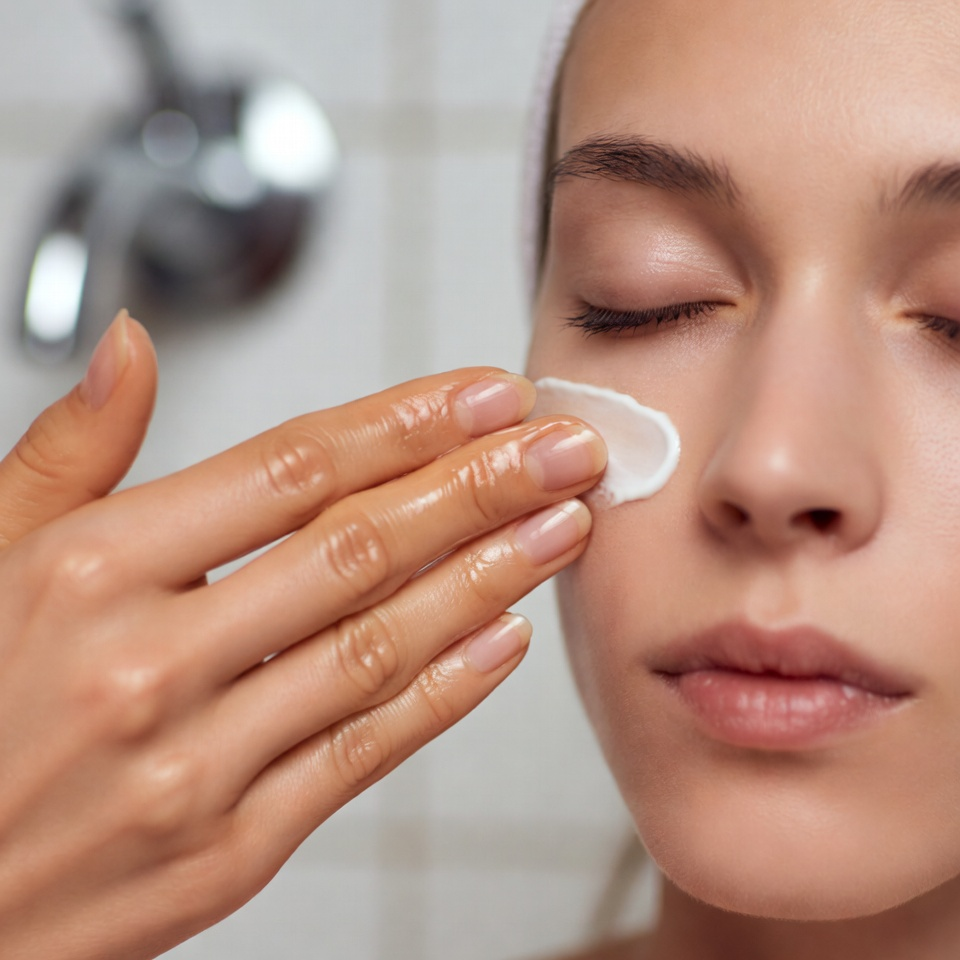
Morning Skincare Routine
Step 1: Gentle Cleansing
Start your day by washing away overnight oil production and any impurities. Choose a gentle cleanser that suits your skin type—whether it’s oily, dry, or combination—to avoid stripping your skin of its natural moisture. Even if your skin feels clean in the morning, this step prepares your skin to absorb the products that follow.
Step 2: Toning
Toning helps balance your skin’s pH levels and prepares it for the next steps. Use a toner with soothing ingredients like witch hazel or rose water to refresh your skin. This often-skipped step can make a significant difference in how well your skin absorbs subsequent products.
Step 3: Vitamin C Serum
Incorporate an antioxidant serum, such as vitamin C, into your morning routine. This step helps protect your skin from environmental stressors and promotes a brighter complexion. Vitamin C also supports collagen production and helps fade dark spots over time.
Step 4: Moisturizing
Hydration is non-negotiable for glowing skin. Choose a moisturizer appropriate for your skin type—lightweight gel formulas for oily skin, richer creams for dry skin. Well-hydrated skin appears plumper, more radiant, and less prone to fine lines.
Step 5: Sunscreen (The Most Important Step!)
Apply sunscreen every day before you go outdoors. Sunscreen is the closest thing we have to a fountain of youth. It really can slow down skin aging. It can also help prevent skin cancer. Look for a sunscreen that offers broad-spectrum protection, SPF 30 (or higher), and water resistance.
Many people make the critical mistake of only applying sunscreen when they’re headed to the beach. UV rays can cause long-term skin damage, premature aging, and increase the risk of skin cancer. Reapply sunscreen every two hours when outdoors, and don’t forget to protect your neck, ears, and hands.
Evening Skincare Routine
Step 1: Double Cleansing
This skincare secret can effectively banish makeup, dirt, and excess oil from your skin. Begin by using an oil-based cleanser to remove makeup and impurities. Maintain balanced, squeaky clean skin by using a gentle water-based cleanser after your initial oil cleansing. This two-step process ensures your skin is thoroughly clean without being stripped of essential moisture.
Step 2: Exfoliation (2-3 Times Per Week)
Regular exfoliation is your go-to solution for revealing glowing skin. Remove dead skin cells and unclog pores by using a gentle scrub or chemical exfoliant once or twice a week. This increases cellular regeneration, resulting in smoother, brighter, and more radiant skin.
Dermatologists caution against over-exfoliating. There are two types of exfoliants: physical and chemical. Physical exfoliants use small granules to scrub away dead skin, while chemical exfoliants use acids such as salicylic or glycolic acid to dissolve dead cells gently.
Step 3: Treatment Serums
Nighttime is when your skin does most of its repair work. Consider incorporating targeted treatments like retinoids, which support cell turnover and collagen production. Start slowly with retinol products, especially if you’re new to them, to allow your skin to build tolerance.
Step 4: Night Cream or Moisturizer
Finish with a nourishing night cream that’s slightly richer than your daytime moisturizer. This helps lock in all the beneficial ingredients you’ve applied and supports your skin’s overnight regeneration process.
Best Foods for Glowing Skin
While topical products are important, true radiance comes from nourishing your skin from the inside out. What you eat plays a vital role in how your skin looks and feels. By nourishing your body with the right foods, you can help your skin stay hydrated, clear, and youthful.

Top Skin-Nourishing Foods
1. Fatty Fish (Salmon, Mackerel, Sardines)
Fatty fish are excellent foods for healthy skin. They’re rich sources of omega-3 fatty acids, which are important for maintaining skin health. Omega-3 fatty acids are necessary to help keep skin thick, supple, and moisturized. The omega-3 fats in fish reduce inflammation, which can cause redness and acne.
2. Avocados
Avocados are also a good source of vitamin E, which is an important antioxidant that helps protect your skin from oxidative damage. Vitamin C is also essential for healthy skin. Your skin needs it to create collagen, which is the main structural protein that keeps your skin strong and healthy.
3. Berries (Blueberries, Strawberries, Raspberries)
Antioxidants found abundantly in plant-based foods like berries work to protect cells from oxidative damage. These powerful compounds help combat premature aging and keep your skin looking youthful and radiant.
4. Bell Peppers
This colorful, crunchy veggie provides a good source of vitamin C and vitamin A while also being high in water content for a source of hydration. The vitamin C content is particularly impressive, with red bell peppers containing even more than oranges.
5. Leafy Greens (Spinach, Kale)
Just one cup of cooked spinach delivers over 50% of the daily value for vitamin A and is also a natural source of iron, magnesium, and folate, all of which support oxygen delivery and energy metabolism critical for glowing, resilient skin.
6. Nuts and Seeds (Almonds, Walnuts, Chia Seeds)
Almonds are a powerful source of vitamin E, which is a fat-soluble vitamin and essential for skin health. Walnuts provide omega-3 fatty acids, while chia seeds offer both omega-3s and fiber for overall skin health.
7. Dark Chocolate
Yes, you read that right! Dark chocolate is a good source of polyphenols, which can help inhibit enzymes that degrade collagen and elastin, which are important for encouraging supported skin structure and function. Choose dark chocolate with at least 70% cocoa content for maximum benefits.
8. Water and Hydrating Foods
Drinking sufficient daily amounts of water as well as consuming foods with high water content (such as cucumbers and watermelon) helps to maintain skin moisture levels. Aim for at least 8 glasses of water daily, and supplement with water-rich fruits and vegetables.
Common Skincare Mistakes to Avoid
Even with the best intentions, many people unknowingly sabotage their skin with common mistakes. Avoiding these pitfalls can dramatically improve your results.
1. Skipping Sunscreen Daily
A lot of people assume there’s no need to put on sunscreen unless they’re going to the beach, but dermatologists say you should be wearing sunscreen all the time. Even though the clouds might be covering the sun, harmful UV rays still pass through them. This single mistake accounts for the majority of premature aging.
2. Over-Exfoliating
Going overboard with facial scrubs as well as chemical exfoliators can strip the skin’s protective barrier, leading to redness, breakouts, sensitivity, and even microtears in the outermost layer of the skin. Stick to exfoliating 2-3 times per week maximum.
3. Sleeping with Makeup On
It can be easy to hit the sack without taking your makeup off. Whether you were out partying until the early hours of the morning, you had an exhausting workday, or you’re just feeling lazy, this habit clogs pores, prevents skin regeneration, and accelerates aging.
4. Touching Your Face
Since at any given time your fingertips can have millions of bacteria, viruses, and allergens, they can be transferred onto the skin every time you touch your face. If you are acne-prone, this common action can spread existing acne to other parts of the face through the transfer of bacteria.
5. Using Too Many Products at Once
Layering active ingredients like retinoids, acids, and vitamin C can irritate and dry out your skin. Introduce new products slowly, one at a time, and allow your skin to adjust before adding more.
6. Not Adapting Your Routine to Your Age
The skincare that worked for you in your 20s or 30s may not work in your 40s. As we age, our skincare needs to evolve, and using the wrong products can lead to dryness, breakouts, irritation, or missed opportunities to support your skin effectively.
7. Neglecting Neck and Décolletage
The skin on your neck is thinner and has fewer oil glands than your face, so it tends to be drier and more delicate. People will use antiaging products and sunscreen on their face, but neglect to apply them from the jawline down, which results in a noticeable difference in how the skin looks.
Lifestyle Habits for Radiant Skin
Beyond products and diet, certain lifestyle habits play a crucial role in achieving and maintaining glowing skin.

Quality Sleep
Adequate sleep is highly important for a luminous complexion. Aim for 7 to 9 hours a night. During sleep, your skin repairs damage and regenerates cells. Consistent sleep deprivation shows up as dark circles, dullness, and accelerated aging.
Regular Exercise
Moderate exercise of 30 minutes five times a week (150 minutes a week) has been proven to strengthen and tighten skin tone. Exercise increases blood flow, delivering oxygen and nutrients to skin cells while helping flush out toxins through sweat.
Stress Management
Chronic stress triggers inflammation and hormonal changes that can worsen acne, accelerate aging, and dull your complexion. Incorporate stress-reduction techniques like meditation, yoga, deep breathing, or activities you genuinely enjoy.
Avoid Smoking
Smoking prematurely ages your skin and increases your risk of getting skin cancer. The chemicals in cigarettes constrict blood vessels, reducing oxygen and nutrient delivery to skin cells, while repeated facial expressions create wrinkles around the mouth.
Limit Alcohol Consumption
Alcohol dehydrates your skin and dilates blood vessels, potentially causing redness and broken capillaries. If you drink, do so in moderation and always follow up with plenty of water.
Professional Treatments for Enhanced Glow
While a solid at-home routine forms the foundation, professional treatments can provide that extra boost for truly radiant skin.
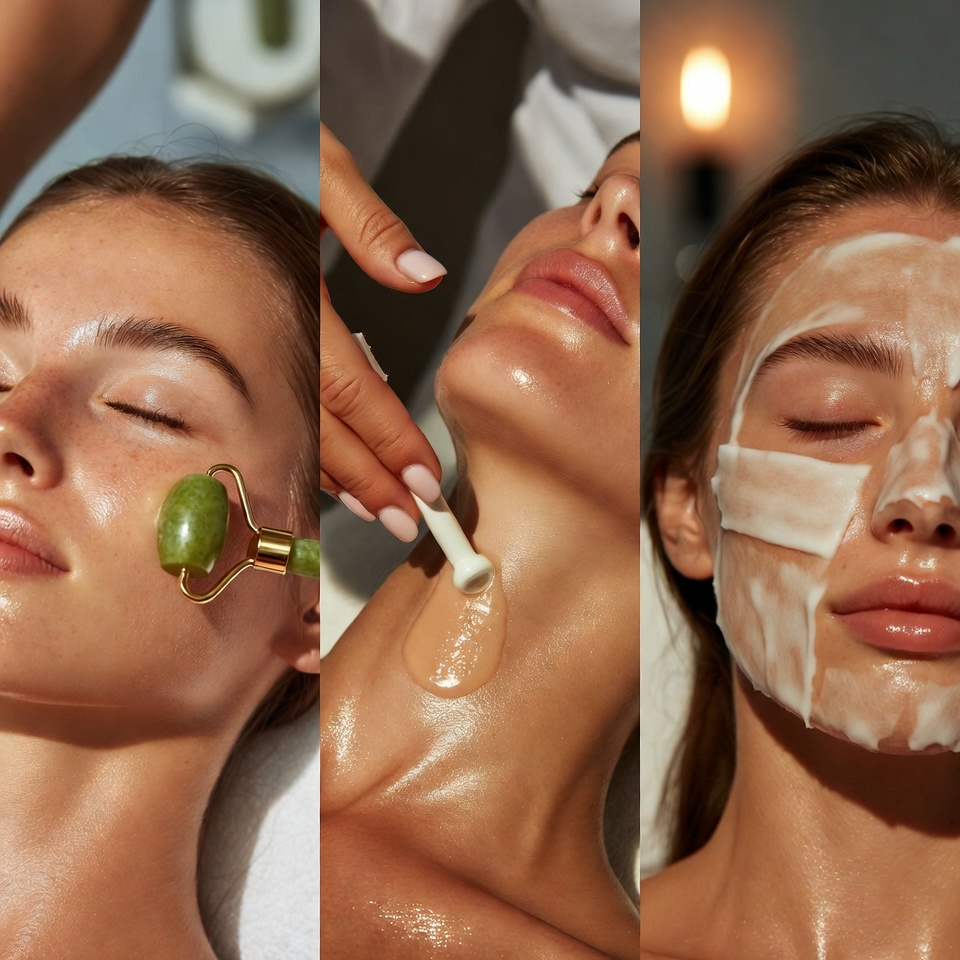
Dermatologists provide a vast array of specialized treatments to match your skin’s individual needs. For precise targeting of skin issues, boosted collagen production, and an improved complexion, professional skin treatments like chemical peels, microdermabrasion, laser treatments, and injectables are available.
When to See a Dermatologist
Consider consulting a dermatologist if you:
- Have persistent acne or skin conditions
- Notice changes in moles or unusual skin growths
- Want personalized product recommendations
- Are interested in professional treatments
- Have concerns about premature aging or sun damage
When it comes to our skin, dermatologists are the experts. These doctors diagnose and treat thousands of different skin diseases. They also have the expertise needed to help people safely rejuvenate and care for their skin.
The Power of Consistency
Perhaps the most important secret to glowing skin isn’t a miracle product or expensive treatment—it’s consistency. If you stick to a consistent skincare routine, your skin will give you a healthy and vibrant glow as a reward. By committing to practicing regularly and following the steps above, as well as receiving periodic professional treatments, you’ll be on track to optimize your skin health and attain that coveted glow.
Results don’t happen overnight. Most skincare ingredients require 4-12 weeks of consistent use before you’ll see noticeable improvements. Be patient with your skin, track your progress with photos, and adjust your routine as needed based on how your skin responds.
Your Action Plan for Glowing Skin
Now that you’re armed with dermatologist-approved knowledge, here’s your simple action plan to get started:
Week 1-2:
- Identify your skin type
- Establish a basic routine: cleanser, moisturizer, and SPF 30+ sunscreen
- Start drinking more water and eating skin-nourishing foods
Week 3-4:
- Add a vitamin C serum in the morning
- Incorporate gentle exfoliation 2-3 times per week
- Improve sleep hygiene for 7-9 hours nightly
Month 2 and Beyond:
- Consider adding retinol or other targeted treatments (start slowly)
- Schedule a dermatologist consultation for personalized advice
- Evaluate your progress and adjust your routine accordingly
- Maintain consistency with the habits that work for you
Final Thoughts
Achieving glowing skin every day isn’t about perfection—it’s about progress. Attaining radiant skin is not an unattainable fantasy. With dermatological secrets and a tailored skincare regimen, your skin will thrive and showcase your inner radiance.
Remember that everyone’s skin is unique. What works beautifully for your best friend might not suit your skin at all. Listen to your skin, be patient with the process, and don’t be afraid to seek professional guidance when needed. With the right combination of quality products, nutritious foods, healthy lifestyle habits, and consistency, you’ll be well on your way to the radiant, glowing skin you deserve.
Your journey to luminous skin starts today. Which habit will you implement first? Share your skincare goals and experiences in the comments below—we’d love to hear from you!
Disclaimer: This article is for informational purposes only and does not constitute medical advice. Always consult with a board-certified dermatologist for personalized skincare recommendations, especially if you have specific skin concerns or conditions.