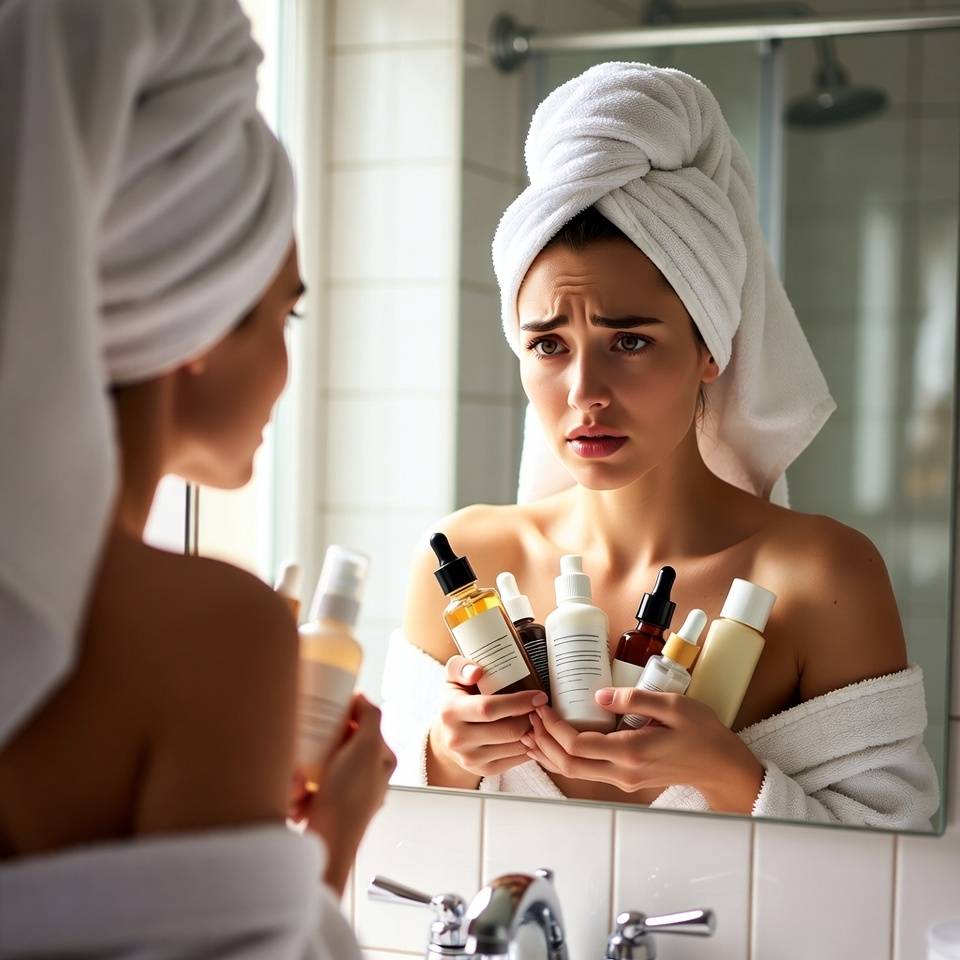





Most of us want glowing skin. Not the kind that looks greasy or filtered, but that soft, healthy radiance that makes you look rested, confident, and alive. Yet for many people, their skin tells a different story—dullness, rough texture, dark marks, or constant breakouts.
If you’ve tried many products and routines but still feel like your skin isn’t where you want it to be, you’re not alone. Glowing skin is not about having perfect skin. It’s about balance, consistency, and understanding what your skin really needs.
In this guide, we’ll walk through what “glow” really means, why your skin may look dull, and how to build a simple daily routine that helps your skin look brighter, smoother, and healthier over time. You’ll also see mentions of other guides—like acne, hyperpigmentation, sensitive skin, and anti-aging—that you can explore for deeper support.
What Does Glowing Skin Really Mean?
Glowing skin is often misunderstood. It’s not about having zero pores or never getting a single pimple. True glow is more realistic and more sustainable than that.
Glowing skin usually has:
- Smooth texture – not perfect, but mostly even
- Good hydration – it feels soft and comfortable, not tight or flaky
- Balanced tone – fewer areas of obvious dullness or patchiness
- A strong skin barrier – it doesn’t react to everything
- Healthy oil balance – some natural shine, not heavy greasiness
Think of glow as a reflection of skin health rather than perfection. Once you shift your mindset from chasing “flawless” to supporting “healthy,” your routine becomes more gentle and more effective.
Why Your Skin Looks Dull or Tired
If your skin doesn’t look as bright as you’d like, it isn’t random. There are usually a few common reasons behind it.
1. Buildup of dead skin cells
Your skin sheds naturally, but sometimes old cells sit on the surface for too long. This makes your skin feel rough, look dusty or ashy, and reflect less light.
2. Dehydration
Your skin can lack water even if it produces enough oil. Dehydrated skin looks flat, feels tight, and often shows fine lines more clearly.
3. Sun damage
Regular sun exposure without proper protection leads to dark spots, uneven tone, and a “tired” look over time. The sun is also the biggest driver of premature aging.
4. Skin barrier damage
Using harsh products, strong scrubs, or too many actives at once can weaken your skin’s barrier. When that happens, your skin may become sensitive, red, dry, and dull.
5. Sleep, stress, and lifestyle
Your skin repairs itself at night. Poor sleep, long-term stress, smoking, and poor diet all show up on the skin eventually.
The good news is that many of these triggers can be improved with gradual changes. Your skin doesn’t need perfection; it just needs support.
A Simple Daily Routine for Glowing Skin
Skincare doesn’t have to be complicated. In fact, most skin benefits from a simple, consistent routine rather than a long, confusing one. Let’s start with a basic morning and night routine that you can adjust to your skin type.
Morning Routine: Start the Day Fresh and Protected
1. Gentle Cleanser
Cleanse your face with a mild, non-stripping cleanser. You want your skin to feel clean but not tight or squeaky. If your face feels dry and uncomfortable after washing, your cleanser may be too harsh.
2. Brightening Serum
This is where you add ingredients that help your skin look more radiant over time:
- Vitamin C – brightens and protects from environmental damage
- Niacinamide – smooths texture, balances oil, and supports the barrier
- Hyaluronic acid – pulls moisture into the skin for a plump look
- Azelaic acid – gently brightens and calms redness
You don’t have to use all of these. One or two that match your skin needs are enough.
3. Moisturizer
Hydration is essential for glow. Choose:
- A gel moisturizer if you have oily skin
- A cream moisturizer if you have dry skin
- A light lotion if you have combination skin
Even oily skin needs moisture. Skipping moisturizer can backfire and make the skin produce even more oil.
4. Sunscreen (SPF 30–50, broad spectrum)
This is non-negotiable if you want lasting glow. Sunscreen protects your skin from UV rays that cause sunburn, dark spots, uneven tone, and early wrinkles. Apply sunscreen as the last step of your morning routine, and reapply if you stay under the sun for long.
Night Routine: Repair and Restore
Night is when your skin heals and renews. Your nighttime routine doesn’t have to be dramatic, but it should be intentional.
1. Cleanser
Wash off sunscreen, makeup, sweat, oil, and pollution from the day. Double cleansing (an oil cleanser followed by a gentle foam or cream cleanser) can help if you wear heavy sunscreen or makeup.
2. Treatment Step
This is where you use products that work more deeply on your skin:
- Retinol or other retinoids – encourage cell turnover, smooth texture, and support collagen
- AHAs (like glycolic or lactic acid) – exfoliate gently to remove dead skin cells
- BHAs (like salicylic acid) – helpful if you have oily or acne-prone skin
- Azelaic acid – supports brightening and can help with redness and dark marks
You don’t need to use all of these at once. In fact, using too many strong ingredients together can irritate your skin and reduce its glow. Start slowly, maybe a few nights a week, and listen to how your skin responds.
3. Moisturizer
At night, your skin appreciates extra comfort. Use a moisturizer that feels nourishing and protective. If your skin is very dry or sensitive, you can choose a richer cream or layer a hydrating serum underneath.
Adjusting Your Routine by Skin Type
Now that you know the basic structure, let’s look at how to personalize it for your skin type.
Oily Skin
Oily skin isn’t the enemy. In fact, people with oily skin often maintain youthful-looking skin longer. The key is balance, not stripping.
Tips for glowing oily skin:
- Use a gentle foaming or gel cleanser
- Pick oil-free or non-comedogenic moisturizers
- Add niacinamide to help control oil and reduce the look of pores
- Use salicylic acid a few times weekly to keep pores clear
- Don’t skip sunscreen—choose a lightweight, matte formula
If you often get breakouts, our Acne Breakout Guide can help you understand triggers, routines, and treatment options more deeply.
Dry Skin
Dry skin often lacks both oil and moisture. It can look flaky, feel rough, and show fine lines more easily. Glow returns when the barrier is strengthened and hydrated consistently.
Tips for glowing dry skin:
- Choose cream or milk cleansers instead of harsh foams
- Look for moisturizers with ceramides, glycerin, and hyaluronic acid
- Avoid strong scrubs or daily exfoliation
- Consider adding a facial oil or rich cream at night
- Always apply moisturizer on slightly damp skin to lock in water
With time and the right support, even dry skin can look soft, calm, and luminous.
Combination Skin
Combination skin has both oily and dry areas—often an oily T-zone and dry cheeks. The secret here is targeted care.
Tips for glowing combination skin:
- Use a mild gel cleanser
- Apply lighter products on the T-zone and richer ones on dry areas
- Use vitamin C in the morning for overall brightness
- Exfoliate gently once or twice a week with AHA or BHA
- Don’t be afraid to “multi-moisturize,” using one product on your forehead and another on your cheeks
This flexible approach helps bring balance and glow to the whole face.
Sensitive Skin
If your skin stings, burns, or reacts easily to new products, your priority is calmness and barrier protection. Glow will follow once your skin feels safe.
Tips for glowing sensitive skin:
- Stick to fragrance-free, gentle cleansers
- Avoid harsh scrubs and high-percentage acids
- Introduce new products slowly, one at a time
- Try niacinamide, azelaic acid, or ceramide-rich moisturizers for barrier and brightness
- Choose mineral sunscreens if chemical ones irritate you
If your skin is often reactive, red, or inflamed, you may find more tailored help in our Sensitive Skin Survival Guide.
Acne-Prone Skin
Acne doesn’t mean your skin will never glow. It just means your routine needs a little more structure and patience.
Tips for glowing acne-prone skin:
- Use a salicylic acid cleanser to help keep pores clear
- Add niacinamide to reduce inflammation and oiliness
- Use benzoyl peroxide or a retinoid at night (if your skin tolerates it)
- Moisturize with non-comedogenic, oil-free products
- Always wear sunscreen, especially if you’re using active treatments
If you’re dealing with acne scars or dark marks after breakouts, our Hyperpigmentation Treatment Guide can help you fade them more safely.
Ingredients That Gently Boost Glow
With so many products on the market, it’s easy to feel overwhelmed. To keep things simple, here are a few key ingredients that are known to support healthier, more radiant skin:
- Vitamin C – brightens, supports collagen, and protects against free radicals
- Niacinamide – balances oil, evens tone, and strengthens the barrier
- Retinoids – improve texture, encourage cell turnover, and help with fine lines
- Hyaluronic acid – hydrates deeply and makes the skin look plumper
- AHAs – exfoliate the surface, smoothing rough patches and enhancing radiance
- Azelaic acid – brightens while being gentle enough for many sensitive or acne-prone skins
You do not need all of these at once. Start with one that matches your main concern—dullness, uneven tone, or texture—and build from there if needed.
Daily Habits That Support Naturally Glowing Skin
Skincare products are important, but they’re only part of the picture. Your daily habits can either support or sabotage your glow.
Some helpful habits include:
- Drinking water regularly throughout the day
- Getting 7–8 hours of sleep as often as you can
- Including fruits, vegetables, and healthy fats in your meals
- Managing stress with small practices (deep breathing, short walks, journaling)
- Avoiding smoking and excessive alcohol
- Keeping your hands off your face as much as possible
- Cleaning your makeup tools and pillowcases regularly
Your skin is connected to your whole lifestyle, so small positive changes add up.
Common Mistakes That Steal Your Glow
Sometimes, doing too much is what holds your skin back. Here are some habits that can quietly damage your barrier and dim your glow:
- Over-exfoliating with scrubs or strong acids
- Layering many active ingredients in one routine
- Skipping sunscreen
- Sleeping with makeup on
- Constantly switching products before giving them time to work
- Using very hot water on your face
- Ignoring burning, stinging, or tightness—the skin’s way of saying “slow down”
Your skin often thrives when your routine becomes gentler, slower, and more consistent.
When to See a Dermatologist
There is a lot you can do at home, but sometimes professional help makes all the difference. You should consider seeing a dermatologist if:
- Your acne is severe or painful
- Dark spots are spreading or changing quickly
- Your skin burns or peels frequently
- You have sudden, unexplained rashes or sensitivity
- Over-the-counter products haven’t helped after several months
A dermatologist can help you with prescription treatments and clear guidance tailored specifically to your skin.
Final Thoughts
Glowing skin doesn’t come from one miracle product or a viral trend. It comes from understanding your skin, treating it gently, and staying consistent with a routine that works for you.
When you focus on hydration, sun protection, and a few proven ingredients, your skin slowly starts to respond. The glow you’re looking for is not about perfection. It’s about health, balance, and patience.
If you want to keep learning and caring for your skin step by step, you can explore:
- Acne Breakout Guide – for clearer skin
- Hyperpigmentation Treatment Guide – for dark spots and uneven tone
- Sensitive Skin Survival Guide – for irritation and redness
- Anti-Aging Skin Care That Really Works – for firmness and fine lines
Your skin doesn’t have to be perfect to be beautiful. It just needs support—and you can start giving it that today.