




Clear, healthy skin reflects overall well-being, and diet plays a pivotal role in achieving and maintaining it. The foods we consume influence skin hydration, elasticity, texture, and resilience, as well as the likelihood of developing conditions such as acne, dryness, or premature aging. Scientific research confirms that nutrient-dense, balanced diets support skin health by reducing inflammation, regulating oil production, and promoting cellular repair. Understanding the relationship between nutrients and skin function empowers individuals to make informed dietary choices that enhance complexion and preserve long-term skin vitality.
Key Nutrients That Support Healthy Skin
Certain vitamins and minerals directly impact skin structure and function. They provide essential building blocks for collagen production, cellular repair, and protection against oxidative stress:
- Vitamin C: Found in citrus fruits, berries, and leafy greens, vitamin C is a potent antioxidant that supports collagen synthesis and helps prevent visible signs of aging.
- Vitamin E: Present in nuts, seeds, and vegetable oils, vitamin E protects cell membranes from oxidative damage and aids in maintaining hydration.
- Zinc: Crucial for skin repair, immune function, and reducing inflammation. Zinc-rich foods include lean meats, legumes, seeds, and whole grains. Deficiencies can lead to acne, delayed wound healing, or increased skin sensitivity.
- Vitamin A: Obtained from carrots, sweet potatoes, and leafy greens, vitamin A regulates skin cell turnover, supporting a smooth, even texture.
- Protein: Provides amino acids necessary for collagen, elastin, and keratin formation, which are structural components of the skin. Sources like chicken, fish, eggs, legumes, and nuts maintain elasticity, firmness, and tissue repair.
- Healthy Fats: Omega-3 and omega-6 fatty acids are vital for maintaining the skin’s barrier function and hydration. Fatty fish, flaxseeds, chia seeds, and walnuts reduce inflammation, protect against UV-induced damage, and keep skin supple.
Foods That Promote Skin Clarity
Certain foods enhance skin clarity and help prevent common issues like acne, redness, and uneven tone:
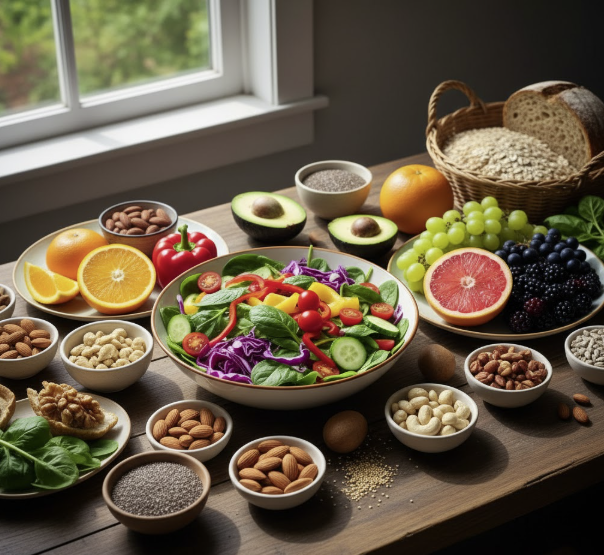
- Fruits and Vegetables: Rich in antioxidants, water content, and phytonutrients that combat oxidative stress and support detoxification. Berries, tomatoes, leafy greens, and cruciferous vegetables protect against cellular damage and improve overall skin tone.
- Whole Grains and Complex Carbohydrates: Help maintain balanced blood sugar levels, reducing spikes that can trigger inflammation and excess oil production. High-glycemic foods such as refined sugar and white bread have been linked to acne, making whole grains a better choice for clear skin.
- Probiotic-Rich Foods: Yogurt, kefir, and fermented vegetables support gut health, which is closely linked to skin condition. A balanced gut microbiome reduces systemic inflammation, improves nutrient absorption, and may lessen the severity of inflammatory skin conditions.
- Hydrating Foods: Fruits and vegetables high in water content, such as cucumbers, watermelon, and oranges, contribute to skin hydration, maintaining elasticity and a radiant appearance while providing essential nutrients and antioxidants.
Lifestyle and Dietary Habits for Skin Health
Beyond individual nutrients, overall dietary patterns significantly influence skin condition. A balanced, nutrient-dense diet rich in whole foods supports long-term skin health. Regular hydration is vital for circulation, nutrient delivery, and cellular detoxification. Dehydrated skin appears dull, dry, and more prone to inflammation.
Minimizing processed foods, added sugars, and excessive dairy can reduce inflammation, oil overproduction, and the risk of breakouts. These dietary adjustments help regulate hormones that impact skin clarity. Limiting alcohol intake also prevents dehydration, oxidative stress, and irritation that can compromise skin appearance.
Consistency and moderation are key. Sudden dietary changes or extreme elimination diets may stress the body and negatively affect skin function. A sustainable, balanced approach ensures a steady nutrient supply, supports hormonal stability, and provides the building blocks necessary for skin repair and resilience.
Mindful eating further enhances skin health. Choosing fresh, unprocessed foods, eating at regular intervals, and avoiding excessive snacking on high-glycemic foods stabilizes blood sugar and reduces inflammation, supporting clear, healthy skin.
Long-Term Benefits of a Skin-Healthy Diet
A diet that promotes clear, healthy skin offers benefits beyond immediate appearance. Regular nutrient intake strengthens the skin’s barrier function, repair capacity, and resilience, reducing the occurrence of acne, dryness, inflammation, and premature aging. Over time, this results in a smooth, radiant complexion.
Healthy dietary habits complement other skin-supportive practices such as hydration, skincare, sun protection, and stress management, creating a holistic approach that addresses both internal and external factors affecting skin health.
Additionally, a skin-healthy diet supports overall wellness, including cardiovascular, metabolic, and immune function. The connection between internal health and external appearance underscores the importance of nutrients as a foundation for preventive care. By adopting nutrient-rich, balanced eating habits, individuals can enjoy long-lasting skin clarity, vitality, and a naturally radiant appearance.
Conclusion
Diet plays a decisive role in achieving and maintaining clear, healthy skin. Nutrient-rich foods, proper hydration, balanced macronutrient intake, and mindful eating practices support cellular repair, reduce inflammation, and enhance the skin’s natural resilience. Combined with a consistent skincare routine and protective lifestyle habits, a skin-focused diet ensures long-term vitality, radiance, and overall well-being.