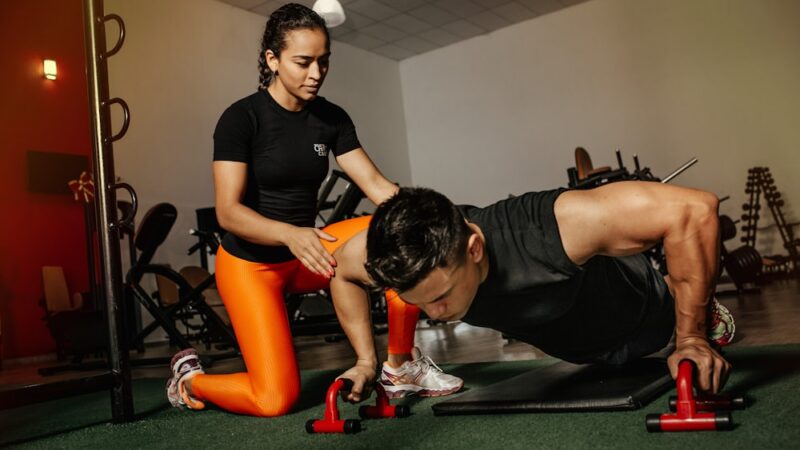
Reaching your 50s is a milestone that comes with changing physical needs, but it doesn’t mean you should slow down. In fact, this is the most critical time to prioritize strength training. Maintaining muscle mass and bone density is the foundation of aging independently and confidently.
Key Takeaways
- Sarcopenia (muscle loss) accelerates after 50, but resistance training can reverse it.
- Focus on compound movements like squats and deadlifts for maximum benefit.
- Recovery time becomes more important; ensure 48 hours between working the same muscle groups.
- Balance and flexibility exercises prevent falls, a major cause of injury in later years.
Why Strength Training is Non-Negotiable
Starting at age 30, we naturally lose 3-5% of our muscle mass per decade. By age 50, this process (sarcopenia) speeds up. Weak muscles lead to joint pain, poor posture, and a higher risk of falls. Lifting weights or using resistance bands signals your body to rebuild muscle fibers and increases bone mineral density, actively fighting osteoporosis.

The Essential Movements
You don’t need to isolate every muscle like a bodybuilder. Focus on functional movements that mimic daily life:
- The Hinge: Romanian deadlifts or glute bridges (strengthens the lower back, glutes, and hamstrings).
- The Squat: Goblet squats or chair squats (improves leg strength for getting up and down).
- The Push: Push-ups (on knees or wall) or overhead presses (helps with pushing doors or lifting items overhead).
- The Pull: Dumbbell rows or band pull-aparts (crucial for posture).
The Bottom Line
If you haven’t exercised in years, start slow. Two days a week of full-body resistance training, paired with daily walking and stretching, can profoundly change how you age. Consistency beats intensity every time.